In Angola, the livestock sector is currently experiencing a shift toward semi-industrialization. Many farms still rely on manual labor and rudimentary structures, but there is a growing demand for a professional cage house poultry system to combat high mortality rates caused by poor ventilation and sanitation in traditional floor-raising methods.
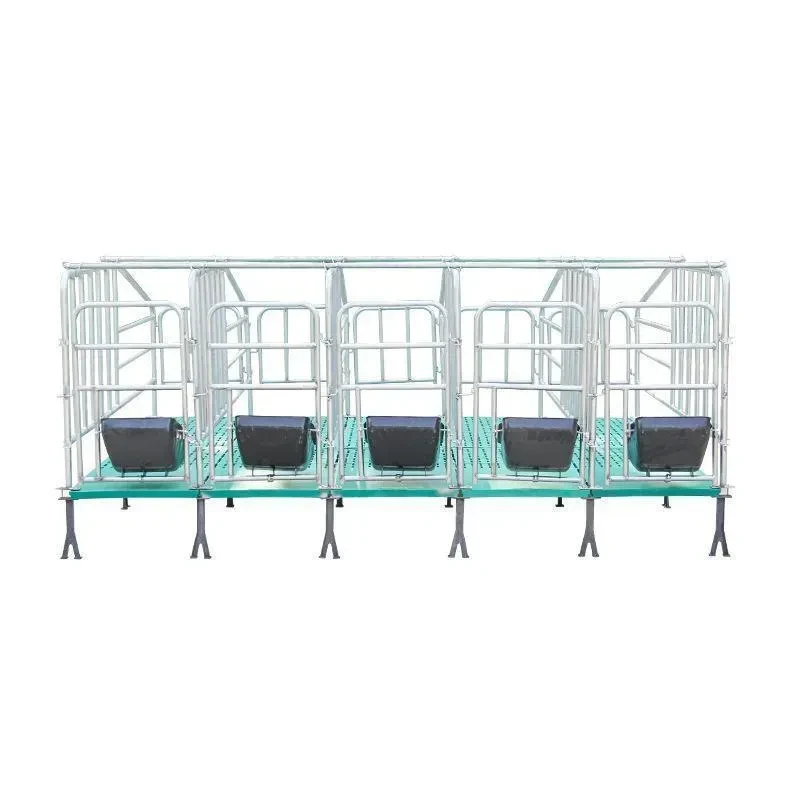
Climate challenges in the Angolan highlands and coastal regions necessitate specialized equipment. The introduction of the farrowing house for pigs has become critical for local swine breeders to reduce piglet crushing and manage temperature fluctuations, which are common hurdles in the local agricultural landscape.
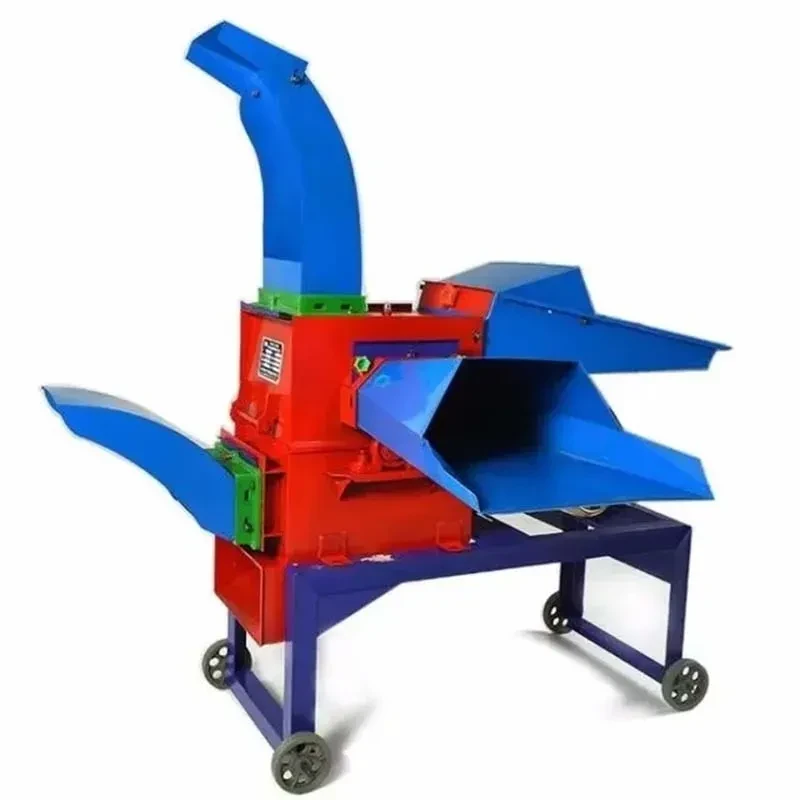
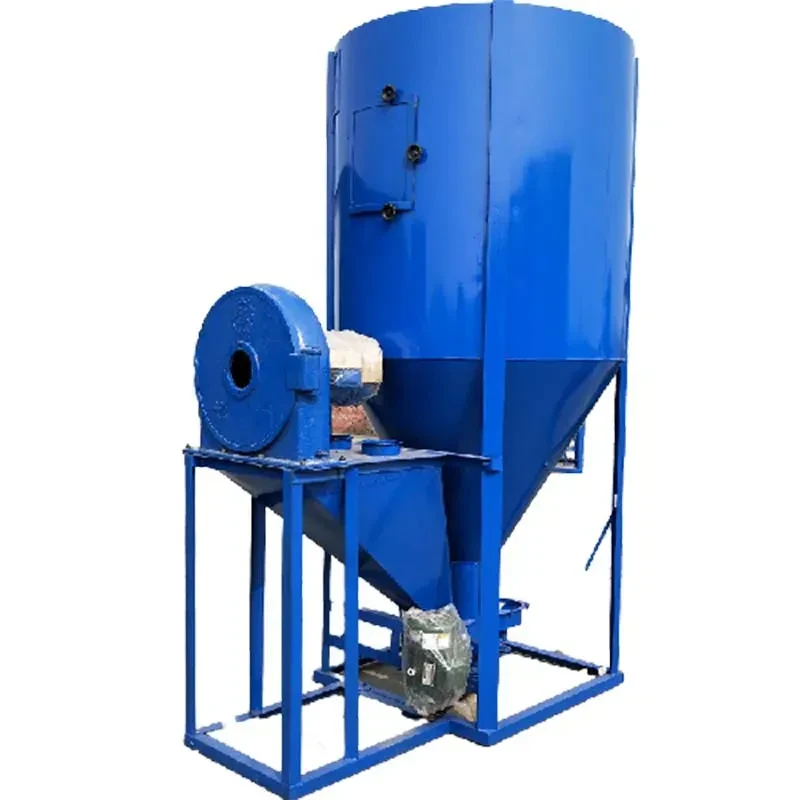
Furthermore, the inefficiency of manual fodder preparation has led to a surge in the adoption of the animal feed cutter. By processing local agricultural by-products more efficiently, Angolan farmers are reducing waste and lowering the cost of animal nutrition, paving the way for commercial scalability.