Rabbit breeding cages are essential components in modern rabbit farming, playing a critical role in optimizing production, maintaining animal welfare, and ensuring biosecurity. The demand for rabbit meat and fur globally continues to rise, driving the need for efficient and hygienic housing solutions. Investing in high-quality rabbit breeding cages not only improves the yield and health of rabbit populations but also contributes to sustainable agricultural practices. Understanding the nuances of these cages, from material selection to design features, is paramount for successful rabbit husbandry.
The global rabbit meat market is experiencing significant growth, fueled by increasing consumer preference for lean protein sources and the rabbits' relatively low environmental impact compared to other livestock. According to the FAO, rabbit production is particularly important in developing countries, offering a readily available and affordable source of animal protein. Efficient rabbit breeding cages directly address challenges related to disease control, space optimization, and breeding efficiency within this expanding market.
Furthermore, the adoption of advanced rabbit breeding cages is becoming increasingly crucial for commercial rabbit farms aiming to meet stringent quality standards and consumer demands. These cages provide a controlled environment, simplifying tasks such as feeding, cleaning, and monitoring rabbit health. This directly translates to reduced labor costs, improved product quality, and a greater return on investment for rabbit farmers worldwide.
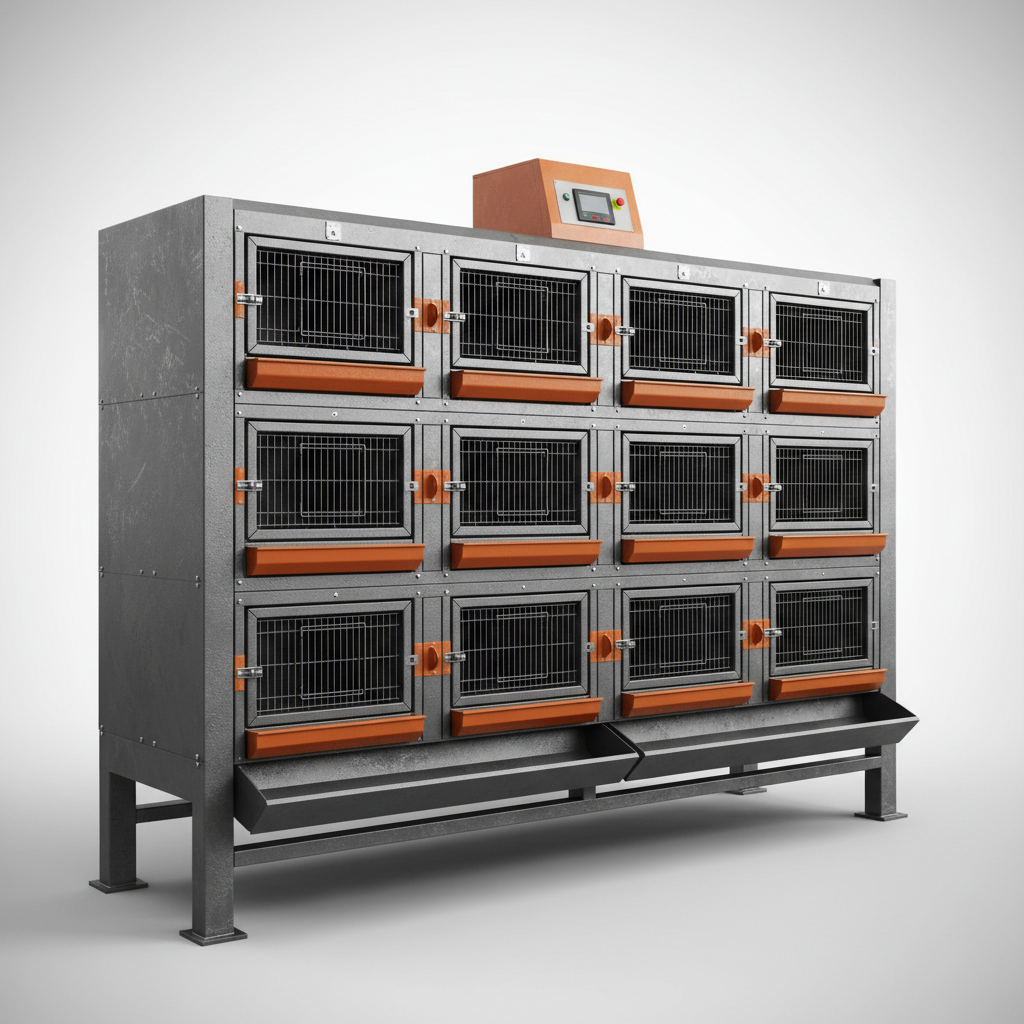
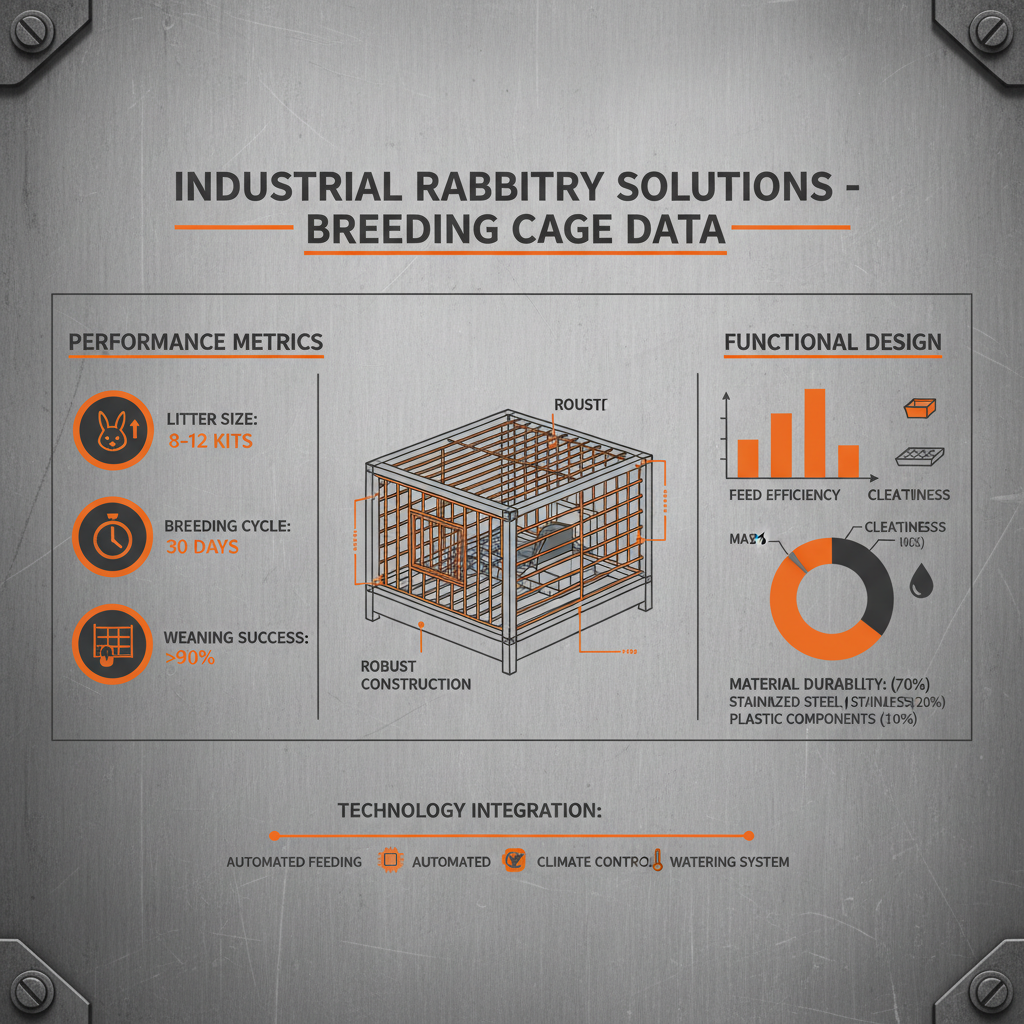
The design and construction of a rabbit breeding cage are pivotal for the successful rearing of rabbits. A well-designed cage promotes optimal health, breeding efficiency, and minimizes the risk of disease. Factors like cage size, material durability, ventilation, and ease of cleaning are all crucial considerations. Investing in a suitable rabbit breeding cage is a foundational step towards a thriving rabbit farming operation.
Modern rabbit breeding cages have evolved significantly, moving beyond simple wire enclosures to incorporate features designed to enhance rabbit comfort and productivity. These advancements reflect a growing understanding of rabbit behavior and welfare needs, as well as a demand for more efficient and sustainable farming practices. The selection of the right cage type depends on factors such as the scale of the operation, the breed of rabbit, and the specific breeding goals.
A standard doe typically requires a cage measuring at least 30 inches long, 24 inches wide, and 20 inches high. This provides enough space for her to move comfortably, nest, and care for her kits. However, larger breeds may require more space. Ensure adequate space to prevent stress and promote optimal breeding conditions.
Rabbit breeding cages should be cleaned thoroughly at least once a week. Daily spot cleaning is also recommended to remove soiled bedding and droppings. Regular cleaning prevents the buildup of ammonia and bacteria, reducing the risk of respiratory infections and maintaining a hygienic environment for the rabbits.
Wire-bottom cages allow waste to fall through, keeping the rabbits dry and clean. This reduces the risk of hock sores and other skin infections. However, it's essential to use a coated wire to prevent foot injuries. Proper cage flooring is crucial for rabbit health and welfare.
Ensure the cage door has a secure latching mechanism that rabbits cannot open. Regularly inspect the cage for any damage or weak points that could be exploited for escape. Proper cage construction and regular maintenance are key to preventing escapes.
Galvanized steel and heavy-duty plastic are excellent choices for building durable rabbit breeding cages. Galvanized steel is strong and corrosion-resistant, while heavy-duty plastic is lightweight and easy to clean. Stainless steel is another durable option but is more expensive.
Choose a cage that provides adequate space for the rabbit to move, stand, and lie down comfortably. Include a nesting box for does, and ensure the cage has good ventilation. Avoid cages with sharp edges or protruding wires that could cause injuries. Prioritizing rabbit comfort and safety is paramount.
In conclusion, rabbit breeding cages are fundamental to efficient and responsible rabbit farming. Selecting the appropriate cage, considering factors like material, size, and welfare features, is crucial for maximizing breeding success, minimizing disease risk, and ensuring the well-being of the animals. The benefits extend from improved productivity to enhanced sustainability within the agricultural sector.
Looking ahead, continued innovation in cage design, coupled with a commitment to ethical animal husbandry, will further optimize rabbit farming practices. By embracing new technologies and prioritizing animal welfare, we can ensure a sustainable and humane future for this vital source of protein. For quality rabbit breeding cages and expert advice, visit our website: rabbit breeding cage.






 Afrikaans
 Albanian
 Amharic
 Arabic
 Armenian
 Azerbaijani
 Basque
 Belarusian
 Bengali
 Bosnian
 Bulgarian
 Catalan
 Cebuano
 Corsican
 Croatian
 Czech
Czech
 Danish
 Dutch
Dutch
 Esperanto
 Estonian
 Finnish
 French
 Frisian
 Galician
 Georgian
 German
 Greek
Greek
 Gujarati
 Haitian Creole
 Hausa
Hausa
 Hawaiian
 Hebrew
 Hindi
Hindi
 Miao
Miao
 Hungarian
 Icelandic
 Igbo
Igbo
 Indonesian
 Irish
Irish
 Italian
 Japanese
 Javanese
 Kannada
 Kazakh
 Khmer
Khmer
 Rwandese
 Korean
 Kurdish
 Kyrgyz
 Lao
Lao
 Latin
Latin
 Latvian
 Lithuanian
 Luxembourgish
 Macedonian
 Malgashi
 Malay
Malay
 Malayalam
 Maltese
 Maori
Maori
 Marathi
 Mongolian
 Myanmar
 Nepali
 Norwegian
 Norwegian
 Occitan
 Pashto
 Persian
 Polish
 Portuguese
 Punjabi
 Romanian
 Russian
 Samoan
 Scottish Gaelic
 Serbian
 Sesotho
 Shona
Shona
 Sindhi
 Sinhala
 Slovak
 Slovenian
 Somali
 Spanish
 Sundanese
 Swahili
 Swedish
 Tagalog
 Tajik
Tajik
 Tamil
Tamil
 Tatar
Tatar
 Telugu
 Thai
Thai
 Turkish
 Turkmen
 Ukrainian
 Urdu
Urdu
 Uighur
 Uzbek
Uzbek
 Vietnamese
 Welsh
Welsh
 Bantu
Bantu
 Yiddish
 Yoruba
 English