Chick cages, essential components of modern poultry farming, are specialized enclosures designed to house chickens, primarily for egg production or meat production. Their global relevance stems from the increasing demand for affordable protein sources and the need for efficient agricultural practices to feed a growing world population. Understanding chick cage design, construction, and management is crucial for optimizing poultry yields, ensuring animal welfare, and minimizing environmental impact.
The chick cage industry has witnessed significant evolution, driven by technological advancements and evolving ethical considerations. Globally, the demand for both eggs and poultry meat continues to rise, particularly in developing nations undergoing economic growth. This necessitates scalable and efficient housing solutions. However, traditional cage systems have faced scrutiny regarding animal welfare, prompting a shift towards enriched cages and alternative housing systems.
Effective chick cage implementation can contribute significantly to food security and economic stability. From small-scale family farms to large-scale commercial operations, these structures play a critical role in the poultry supply chain. The ongoing development of innovative chick cage designs focuses on improving bird health, reducing operational costs, and minimizing the environmental footprint of poultry production.
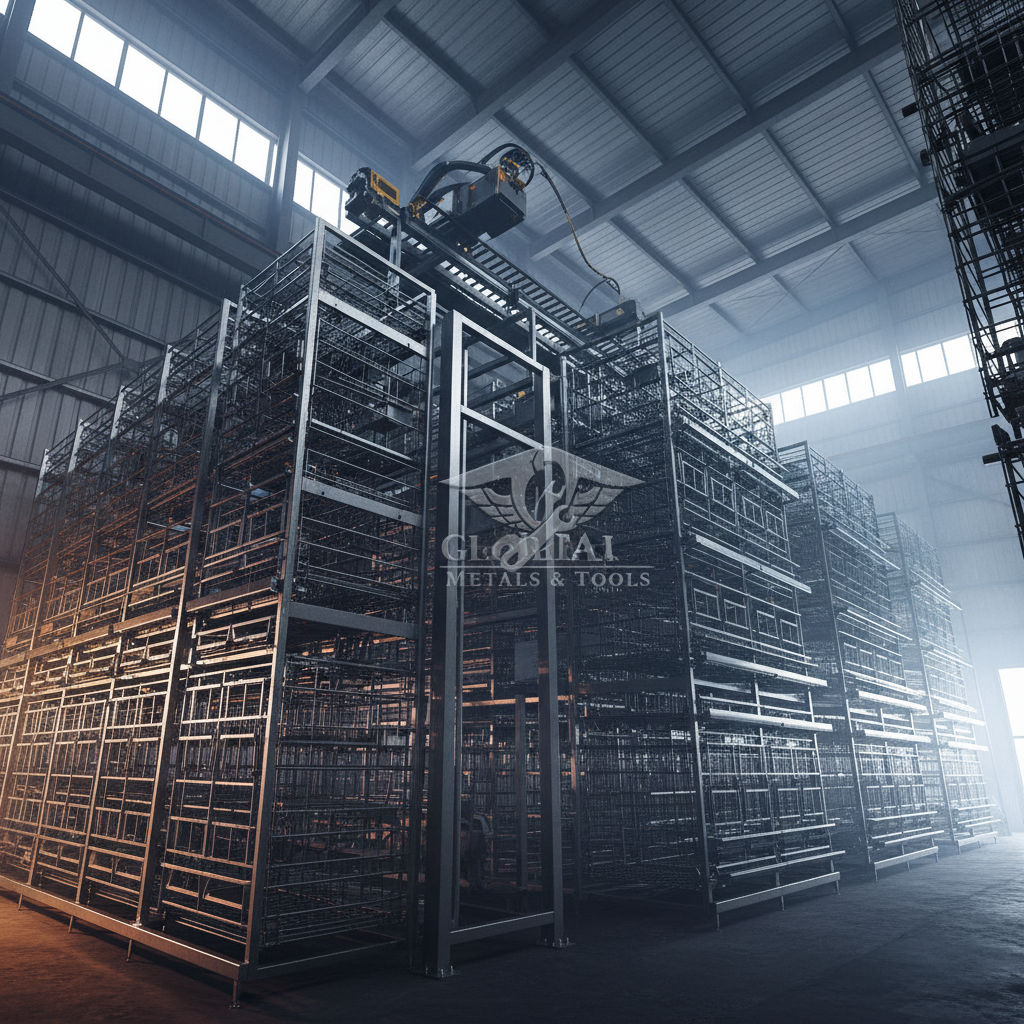
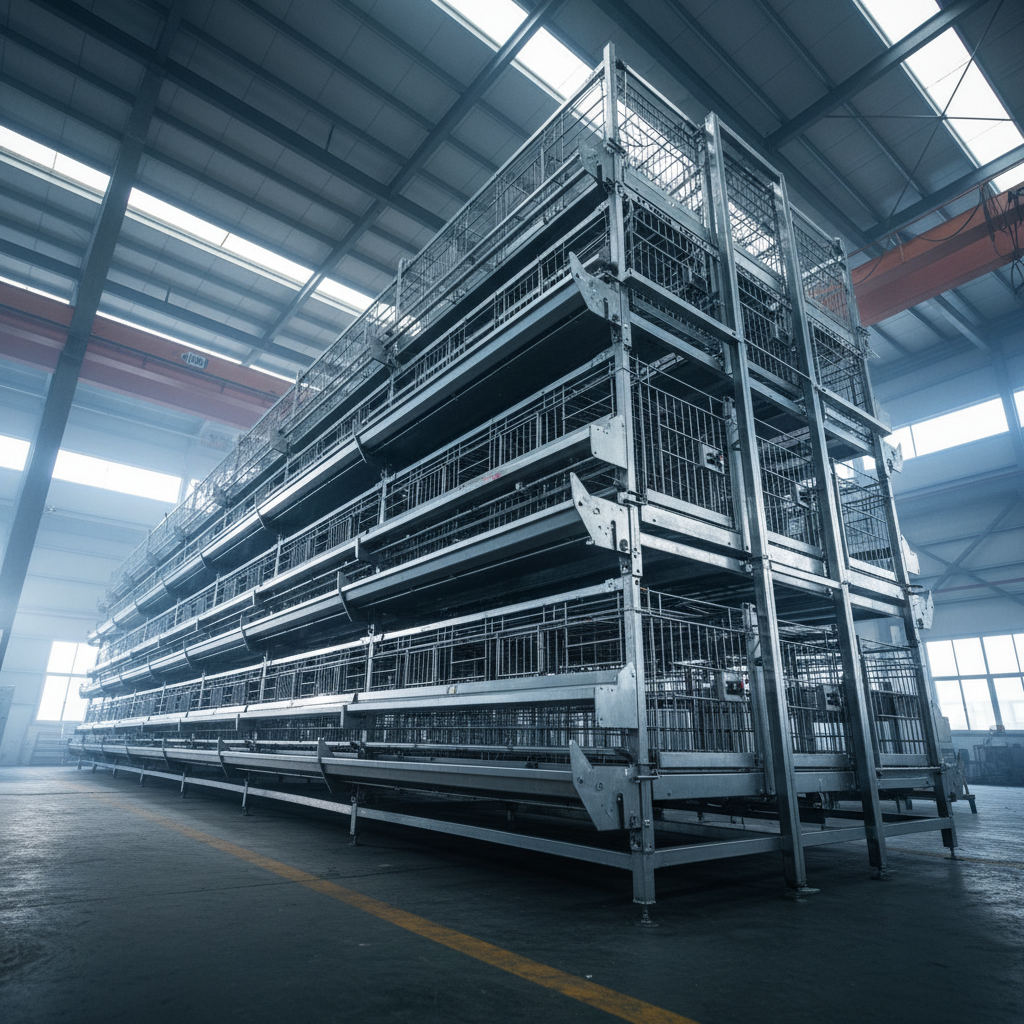
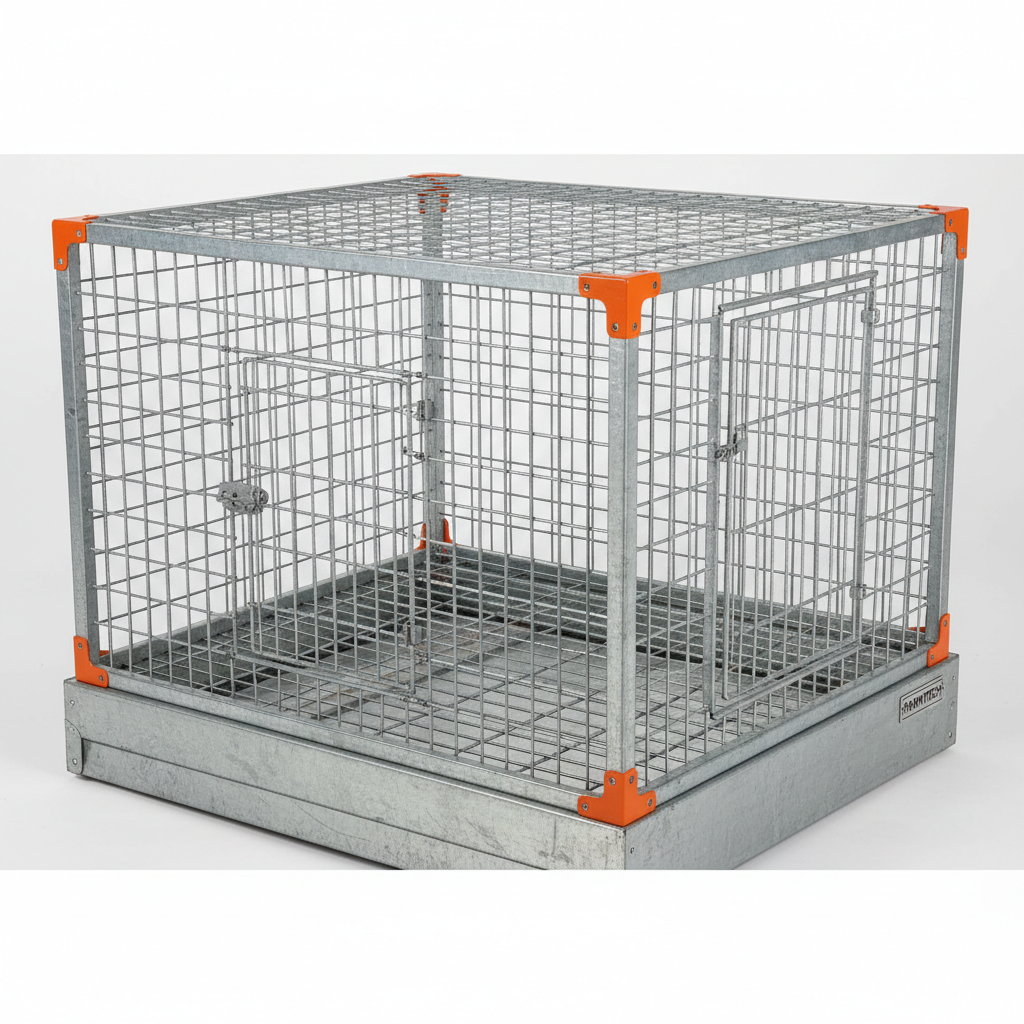
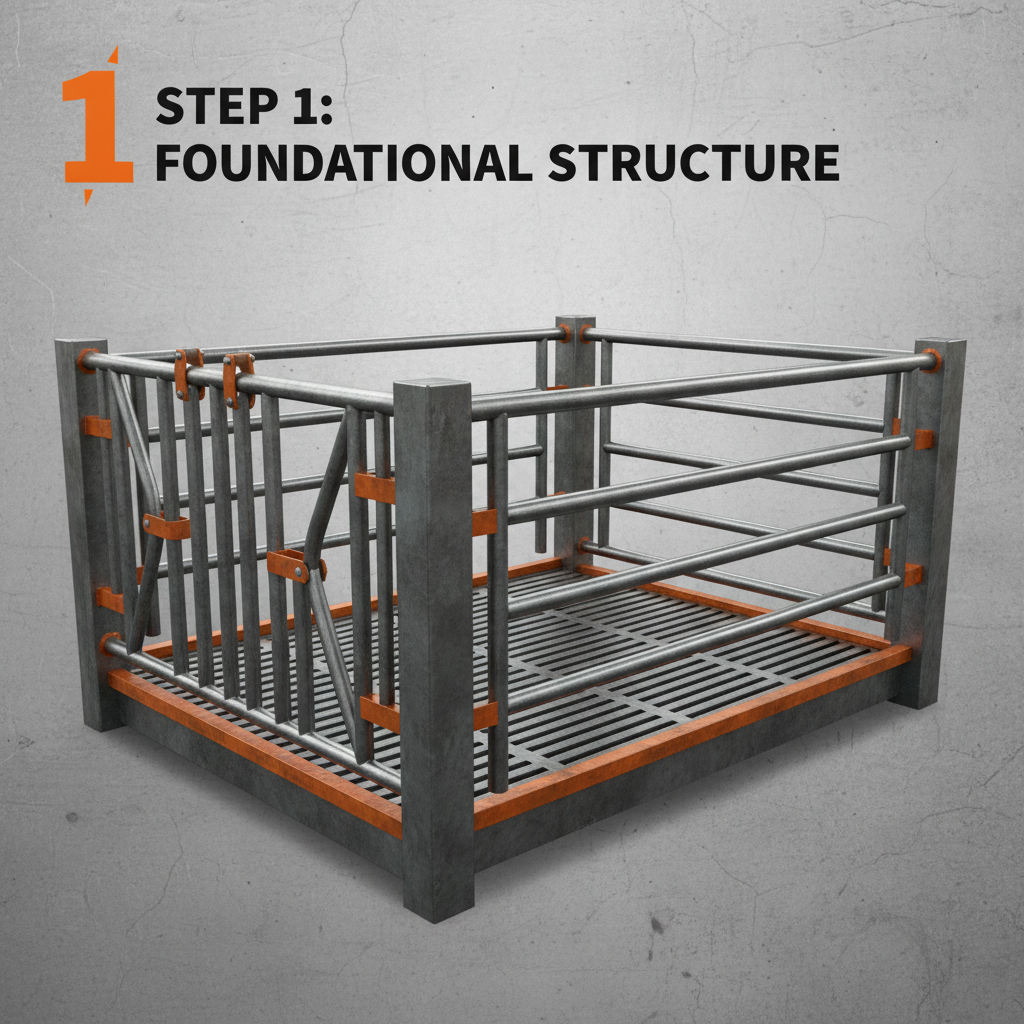
Effective chick cage design prioritizes several key elements. Adequate space allowance per bird is paramount, impacting both welfare and productivity. Cage dimensions, height, and flooring materials directly influence bird comfort and hygiene. A well-designed chick cage also considers ventilation, ensuring optimal air quality to prevent disease outbreaks.
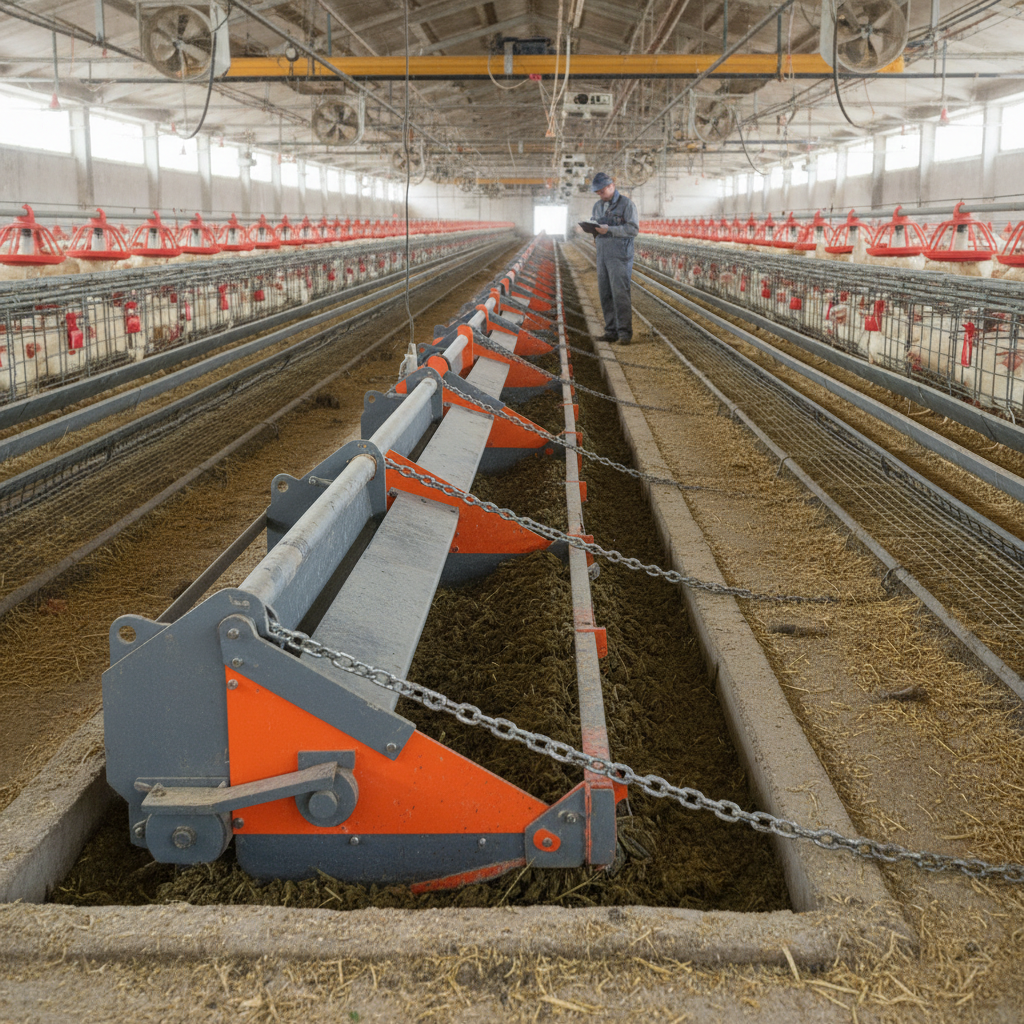
Modern chick cage systems often incorporate features like automatic feeding and watering systems, waste removal mechanisms, and egg collection systems, all contributing to increased efficiency and reduced labor costs. The arrangement of cages within a poultry house is also crucial for maximizing space utilization and facilitating easy access for management and maintenance.
Traditional chick cages are often smaller, offering limited space and minimal environmental enrichment. Enriched cages, on the other hand, provide more space per bird, perches, nest boxes, and scratching areas, allowing for more natural behaviors. This shift aims to improve bird welfare while still maintaining the benefits of cage systems, like efficient egg collection and disease control. Regulations in many regions are driving the adoption of enriched cages to address animal welfare concerns.
Chick cages, when properly managed, can significantly improve hygiene. The enclosed nature of cages reduces contact between birds and their waste, minimizing the spread of disease. Automated waste removal systems further enhance hygiene by promptly removing manure from the facility. Regular cleaning and disinfection of cages are essential to prevent pathogen buildup and maintain a sanitary environment, which contributes to healthier birds and higher-quality egg production.
A well-maintained chick cage system, constructed with durable materials like galvanized steel, can have a lifespan of 10-15 years or even longer. Regular inspections, prompt repairs, and preventative maintenance are crucial for maximizing longevity. Factors like climate, stocking density, and cleaning practices also influence the lifespan of the system. Replacing worn-out components proactively can prevent major breakdowns and extend the overall operational life.
Yes, there are considerable cost variations among chick cage materials. Galvanized steel is generally more affordable upfront but may require more frequent maintenance due to potential corrosion. Plastic cages tend to be more expensive initially but offer greater resistance to corrosion and are easier to clean. The long-term cost-effectiveness depends on factors like durability, maintenance requirements, and the overall lifecycle of the cage system. Choosing the right material involves balancing initial investment with long-term operating costs.
Chick cage systems can be adapted for different poultry breeds by adjusting cage dimensions and stocking densities. Larger breeds require more space per bird to prevent overcrowding and stress. Cage height should also be sufficient to allow birds to stand, turn around, and exhibit natural behaviors. Providing appropriate perches and nesting areas can further accommodate the specific needs of different breeds, optimizing their welfare and productivity.
Environmental considerations include managing waste effectively to prevent pollution and minimizing energy consumption. Implementing composting or biogas production from poultry manure can reduce waste and generate renewable energy. Utilizing energy-efficient lighting and ventilation systems can further reduce the environmental footprint. Proper siting of the poultry facility and minimizing water usage are also important environmental considerations for responsible chick cage operations.
In conclusion, chick cages remain a vital component of modern poultry farming, offering a balance between efficiency, productivity, and cost-effectiveness. While traditional designs are evolving to address animal welfare concerns, the core principles of controlled environments and streamlined management continue to drive their widespread adoption. Optimizing chick cage systems through material selection, innovative designs, and proactive management practices is critical for ensuring sustainable and ethical poultry production.
Looking ahead, continued innovation in cage technology, coupled with responsible farming practices, will be essential for meeting the growing global demand for poultry products. Investing in research and development, adopting smart technologies, and embracing sustainable solutions will pave the way for a more efficient, humane, and environmentally friendly future for the poultry industry. For further information and high-quality chick cages, visit our website: www.yizemachine.com.






 Afrikaans
 Albanian
 Amharic
 Arabic
 Armenian
 Azerbaijani
 Basque
 Belarusian
 Bengali
 Bosnian
 Bulgarian
 Catalan
 Cebuano
 Corsican
 Croatian
 Czech
Czech
 Danish
 Dutch
Dutch
 Esperanto
 Estonian
 Finnish
 French
 Frisian
 Galician
 Georgian
 German
 Greek
Greek
 Gujarati
 Haitian Creole
 Hausa
Hausa
 Hawaiian
 Hebrew
 Hindi
Hindi
 Miao
Miao
 Hungarian
 Icelandic
 Igbo
Igbo
 Indonesian
 Irish
Irish
 Italian
 Japanese
 Javanese
 Kannada
 Kazakh
 Khmer
Khmer
 Rwandese
 Korean
 Kurdish
 Kyrgyz
 Lao
Lao
 Latin
Latin
 Latvian
 Lithuanian
 Luxembourgish
 Macedonian
 Malgashi
 Malay
Malay
 Malayalam
 Maltese
 Maori
Maori
 Marathi
 Mongolian
 Myanmar
 Nepali
 Norwegian
 Norwegian
 Occitan
 Pashto
 Persian
 Polish
 Portuguese
 Punjabi
 Romanian
 Russian
 Samoan
 Scottish Gaelic
 Serbian
 Sesotho
 Shona
Shona
 Sindhi
 Sinhala
 Slovak
 Slovenian
 Somali
 Spanish
 Sundanese
 Swahili
 Swedish
 Tagalog
 Tajik
Tajik
 Tamil
Tamil
 Tatar
Tatar
 Telugu
 Thai
Thai
 Turkish
 Turkmen
 Ukrainian
 Urdu
Urdu
 Uighur
 Uzbek
Uzbek
 Vietnamese
 Welsh
Welsh
 Bantu
Bantu
 Yiddish
 Yoruba
 English