The integration of an automatic feeding line represents a significant advancement in industrial efficiency and process control. From streamlining material handling to ensuring consistent production rates, these systems are becoming increasingly crucial in a variety of sectors. Understanding the principles and applications of automatic feeding lines is paramount for businesses seeking to optimize operations and maintain a competitive edge in today's global market.
Globally, the demand for automated solutions is soaring, driven by factors like labor shortages, the need for increased accuracy, and the relentless pursuit of cost reduction. An automatic feeding line directly addresses these challenges, offering a reliable and scalable solution for material delivery. This technology isn’t confined to manufacturing; it's also finding its niche in agriculture, logistics, and even waste management.
The benefits of implementing an automatic feeding line are multifaceted. Beyond enhanced productivity, these systems contribute to improved workplace safety, reduced material waste, and the ability to handle a wider range of materials with precision. This makes them a cornerstone of modern, sustainable industrial practices.
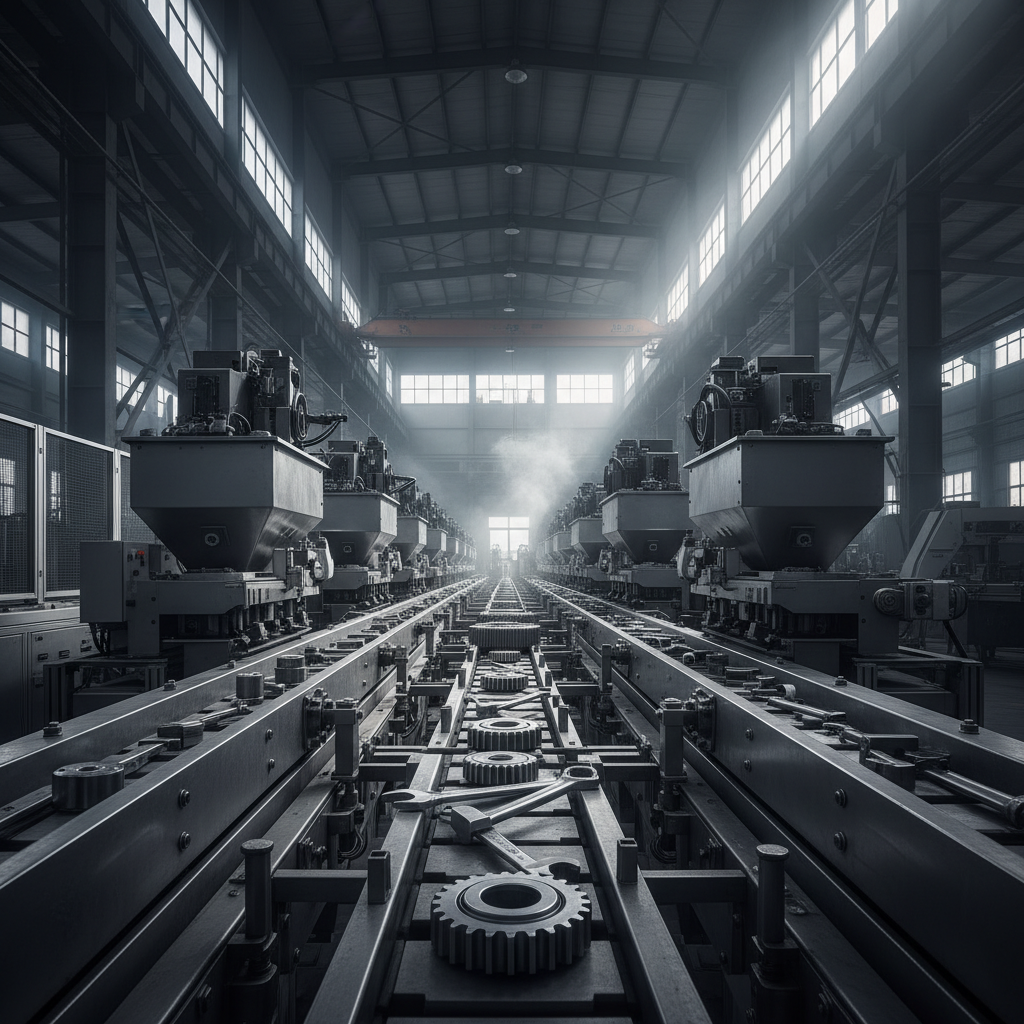
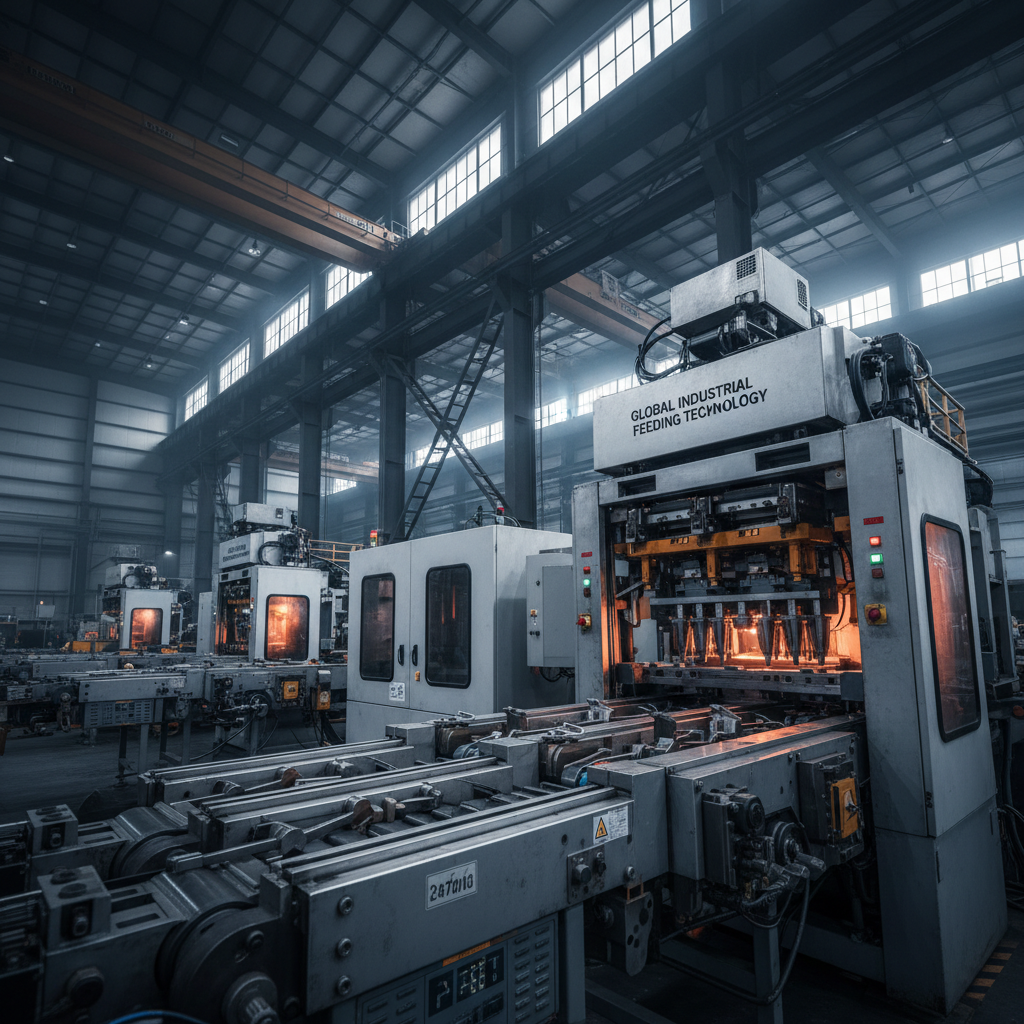
At its heart, an automatic feeding line is built on the principles of precise control and automated material flow. It involves the coordinated operation of various components – feeders, conveyors, sensors, and control systems – to deliver materials reliably and consistently to a processing point. This eliminates manual intervention, reduces errors, and optimizes production efficiency.
The core functionality often revolves around accurately metering materials, ensuring a continuous supply, and preventing bottlenecks. Different types of feeders (vibratory, screw, belt, etc.) are employed depending on the material characteristics and application requirements. Careful design and integration of these components are essential for optimal performance.
The return on investment (ROI) for an automatic feeding line varies widely based on factors like the existing infrastructure, production volume, and labor costs. However, many companies see a full ROI within 12-24 months due to reduced labor costs, increased efficiency, and minimized material waste. Detailed cost-benefit analyses are often conducted to provide a more accurate estimate tailored to specific operational needs.
Automatic feeding lines are designed to handle a remarkably diverse range of materials, including powders, granules, liquids, and solid components. The specific type of feeder and conveying system used depends on the material’s properties. Systems can be customized to accommodate abrasive, corrosive, or temperature-sensitive materials with appropriate modifications.
While automatic feeding line systems are designed for reliability, regular maintenance is essential for optimal performance. This typically includes routine inspections, lubrication of moving parts, filter replacements, and sensor calibrations. Predictive maintenance features, utilizing IIoT sensors, can further minimize downtime by identifying potential issues before they escalate.
Integration can vary depending on the complexity of the existing infrastructure. However, many modern automatic feeding line systems are designed with modularity in mind, making integration more straightforward. Professional installation and commissioning services are often available to ensure a seamless transition and minimize disruption to ongoing operations.
Safety is a paramount concern. Automatic feeding line systems typically incorporate features such as emergency stop buttons, safety guards, light curtains, and overload protection mechanisms. These features are designed to protect operators and prevent equipment damage, ensuring a safe working environment.
Absolutely. One of the key advantages of automatic feeding line systems is their customizability. Manufacturers can tailor the system's components, control algorithms, and integration features to precisely match the unique requirements of a particular application. This ensures optimal performance and maximizes the return on investment.
In conclusion, automatic feeding line represent a transformative technology for industries seeking to optimize their production processes, reduce costs, and enhance sustainability. From improved efficiency and accuracy to enhanced workplace safety and reduced waste, the benefits are undeniable. As technology continues to evolve, the role of these systems will only become more critical in driving innovation and competitiveness.
Looking ahead, investment in research and development, coupled with a focus on integration with emerging technologies like AI and IIoT, will unlock even greater potential. Companies that embrace automatic feeding line today will be well-positioned to thrive in the increasingly automated and data-driven landscape of tomorrow. Visit our website: www.yizemachine.com to learn more about how we can help you optimize your production line.






 Afrikaans
 Albanian
 Amharic
 Arabic
 Armenian
 Azerbaijani
 Basque
 Belarusian
 Bengali
 Bosnian
 Bulgarian
 Catalan
 Cebuano
 Corsican
 Croatian
 Czech
Czech
 Danish
 Dutch
Dutch
 Esperanto
 Estonian
 Finnish
 French
 Frisian
 Galician
 Georgian
 German
 Greek
Greek
 Gujarati
 Haitian Creole
 Hausa
Hausa
 Hawaiian
 Hebrew
 Hindi
Hindi
 Miao
Miao
 Hungarian
 Icelandic
 Igbo
Igbo
 Indonesian
 Irish
Irish
 Italian
 Japanese
 Javanese
 Kannada
 Kazakh
 Khmer
Khmer
 Rwandese
 Korean
 Kurdish
 Kyrgyz
 Lao
Lao
 Latin
Latin
 Latvian
 Lithuanian
 Luxembourgish
 Macedonian
 Malgashi
 Malay
Malay
 Malayalam
 Maltese
 Maori
Maori
 Marathi
 Mongolian
 Myanmar
 Nepali
 Norwegian
 Norwegian
 Occitan
 Pashto
 Persian
 Polish
 Portuguese
 Punjabi
 Romanian
 Russian
 Samoan
 Scottish Gaelic
 Serbian
 Sesotho
 Shona
Shona
 Sindhi
 Sinhala
 Slovak
 Slovenian
 Somali
 Spanish
 Sundanese
 Swahili
 Swedish
 Tagalog
 Tajik
Tajik
 Tamil
Tamil
 Tatar
Tatar
 Telugu
 Thai
Thai
 Turkish
 Turkmen
 Ukrainian
 Urdu
Urdu
 Uighur
 Uzbek
Uzbek
 Vietnamese
 Welsh
Welsh
 Bantu
Bantu
 Yiddish
 Yoruba
 English