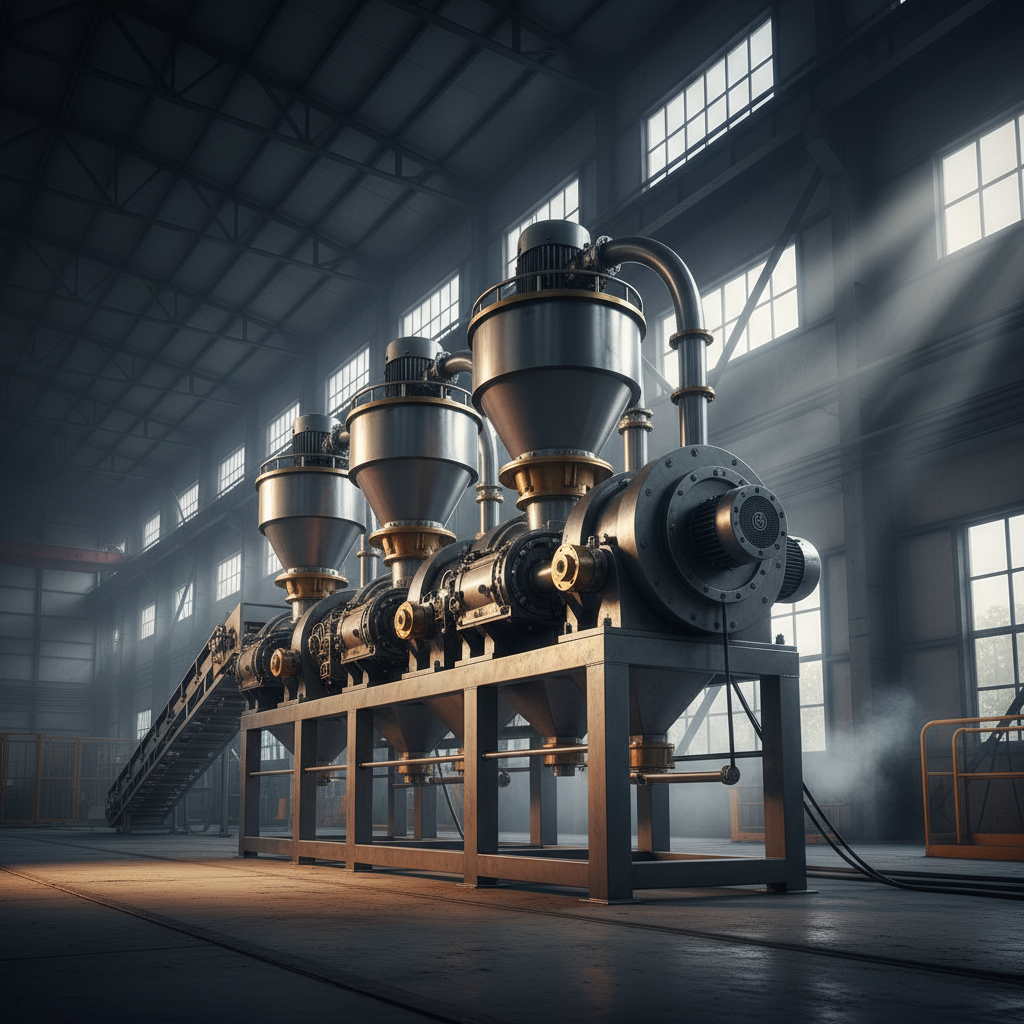
The humble feed grinder is a cornerstone of modern food production, playing a vital role in animal husbandry, pet food manufacturing, and even certain industrial processes. From small-scale farms to large-scale processing plants, the ability to efficiently and safely reduce feed materials into a manageable consistency is paramount. Understanding the nuances of feed grinding—its technologies, applications, and future trends—is therefore essential for anyone involved in the agricultural and food industries.
Globally, the demand for animal protein continues to rise, driven by population growth and changing dietary preferences. This increasing demand necessitates efficient feed production, and a high-quality feed grinder is at the heart of that process. According to the Food and Agriculture Organization of the United Nations (FAO), livestock production accounts for a significant portion of global greenhouse gas emissions, highlighting the need for sustainable and optimized feed solutions.
A reliable and efficient feed grinder contributes directly to animal health, growth rates, and overall productivity. It enables the creation of balanced feed rations, improves nutrient digestibility, and reduces feed waste. This ultimately impacts food security and the economic viability of agricultural operations worldwide.
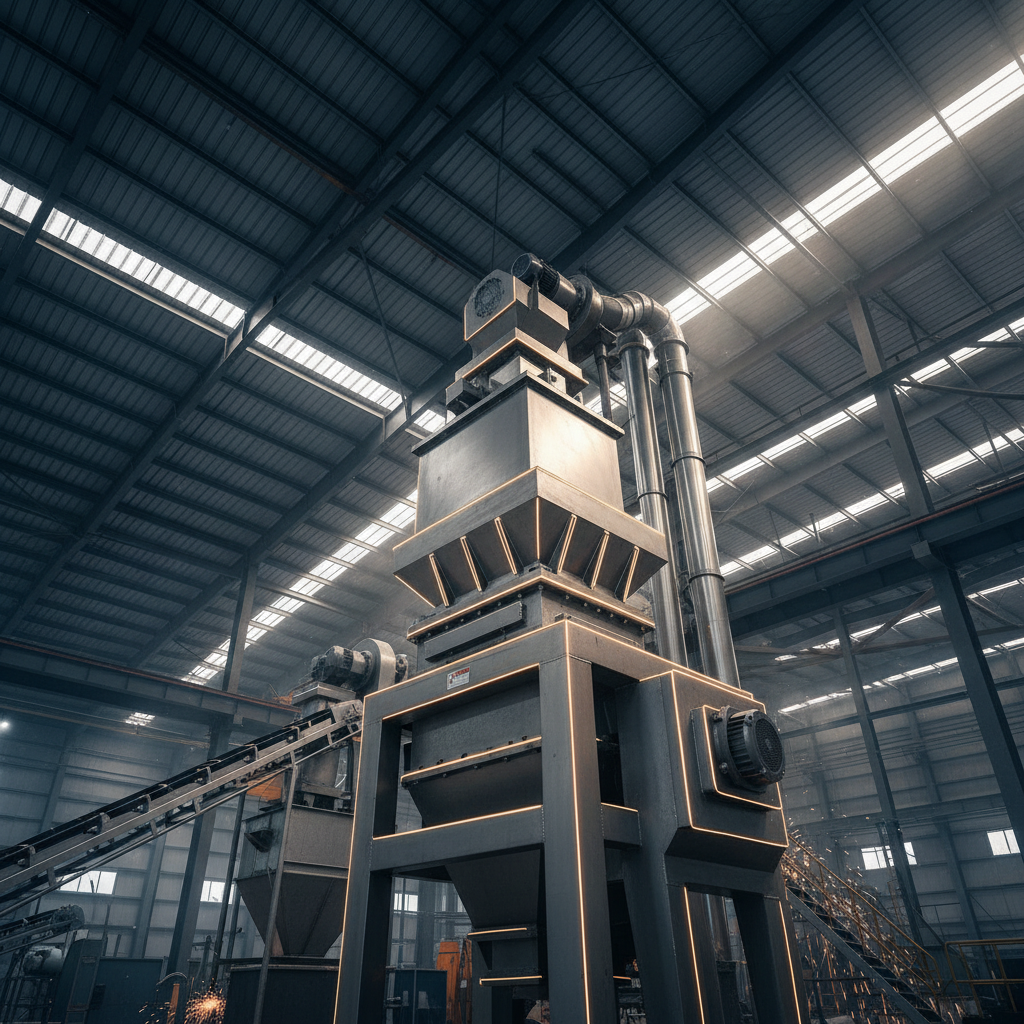
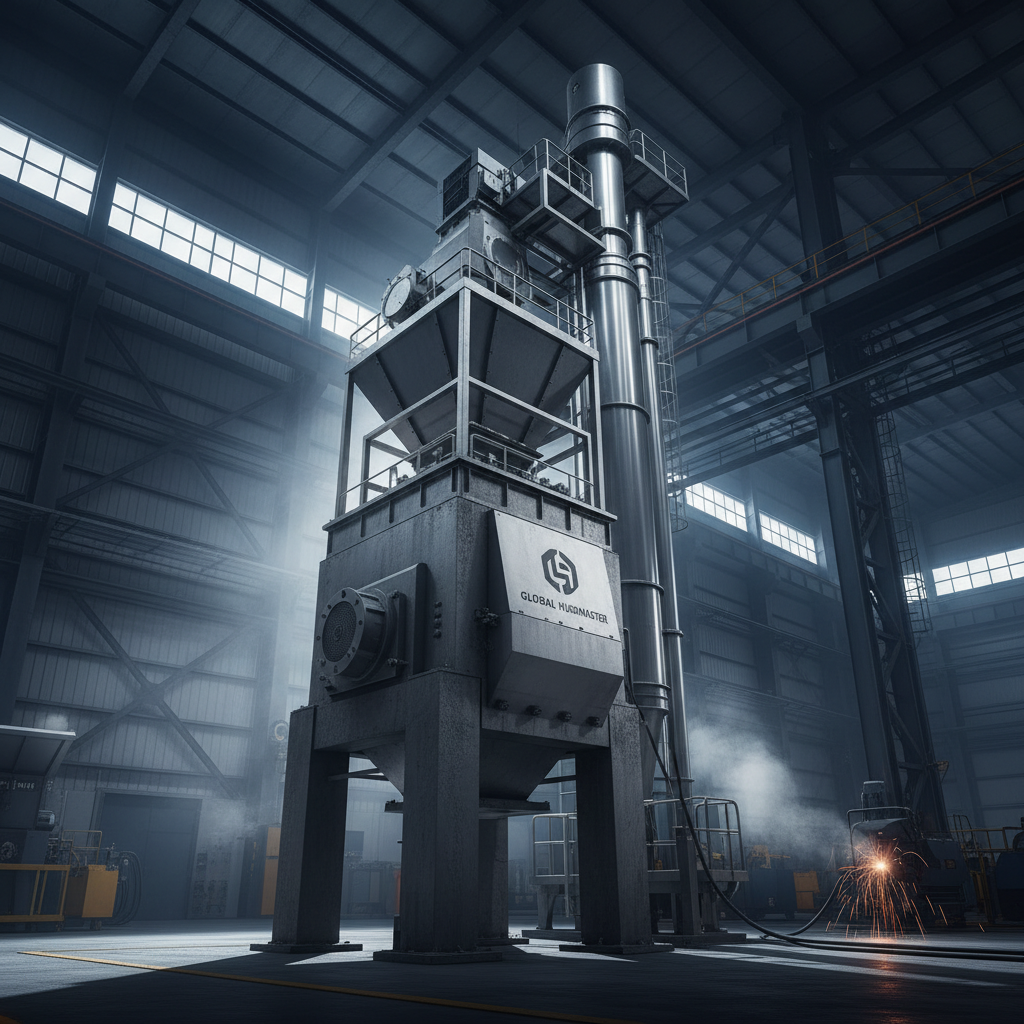
Modern feed grinding isn’t simply about reducing particle size; it’s a sophisticated process with implications for animal health, feed conversion ratios, and even the overall sustainability of livestock production. The right feed grinder can unlock significant improvements in efficiency and profitability.
Technological advancements in feed grinding, such as variable frequency drives, automated controls, and improved hammer and screen designs, are constantly pushing the boundaries of what’s possible. These innovations are leading to more precise grinding, reduced energy consumption, and lower maintenance costs.
The optimal particle size for dairy cow feed generally falls between 1.5mm and 3mm. This size range promotes effective rumination, improves fiber digestion, and reduces the risk of digestive upset. Larger particle sizes may lead to selective feeding, while smaller sizes can create a pasty consistency that hinders rumen function. Selecting the appropriate feed grinder screen size is crucial to achieve this optimal range.
The frequency of hammer replacement depends on the type of material being ground, the grinding intensity, and the quality of the hammers themselves. As a general guideline, hammers should be inspected every 500-1000 hours of operation. Replace hammers when they become significantly worn, chipped, or cracked, as this reduces grinding efficiency and increases energy consumption. Regularly scheduled maintenance ensures your feed grinder performs optimally.
Safety is paramount when operating a feed grinder. Always wear appropriate personal protective equipment (PPE), including safety glasses, ear protection, and a dust mask. Ensure the grinder is properly grounded and that all safety guards are in place. Never reach into the grinding chamber while the machine is running. Follow the manufacturer's instructions carefully and undergo proper training before operating the equipment.
Hammer mills are generally more versatile and can handle a wider range of feed materials, including fibrous ingredients like hay and silage. They are also less susceptible to damage from foreign objects. Roller mills, on the other hand, are more efficient for grinding dry grains and produce a more consistent particle size. The best choice depends on the specific application and the types of feed being processed. A feed grinder specialist can help you determine the optimal solution.
Dust control is crucial for maintaining a healthy work environment and preventing respiratory issues. Using a feed grinder with an integrated dust collection system is the most effective solution. Regularly clean the grinding area and use a vacuum cleaner with a HEPA filter to remove any accumulated dust. Proper ventilation also helps to reduce dust levels.
With proper maintenance and care, a high-quality feed grinder can have a lifespan of 10-20 years or even longer. Regular lubrication, timely replacement of wear parts, and adherence to the manufacturer's recommendations are essential for maximizing its longevity. Investing in a durable and well-built machine upfront can save you significant costs in the long run.
In conclusion, the feed grinder is far more than a simple machine; it’s a vital component of a sustainable and efficient food production system. From its historical roots to the innovative technologies shaping its future, the feed grinder continues to play a critical role in ensuring food security and animal welfare globally. Understanding its core components, key performance factors, and emerging trends is essential for anyone involved in agriculture and related industries.
Looking ahead, continued investment in research and development will unlock even greater efficiencies and sustainability in feed grinding technology. By embracing automation, data analytics, and renewable energy sources, we can further optimize feed production, minimize environmental impact, and contribute to a more resilient and secure food future. Visit our website at www.yizemachine.com to explore our range of high-quality feed grinding solutions.






 Afrikaans
 Albanian
 Amharic
 Arabic
 Armenian
 Azerbaijani
 Basque
 Belarusian
 Bengali
 Bosnian
 Bulgarian
 Catalan
 Cebuano
 Corsican
 Croatian
 Czech
Czech
 Danish
 Dutch
Dutch
 Esperanto
 Estonian
 Finnish
 French
 Frisian
 Galician
 Georgian
 German
 Greek
Greek
 Gujarati
 Haitian Creole
 Hausa
Hausa
 Hawaiian
 Hebrew
 Hindi
Hindi
 Miao
Miao
 Hungarian
 Icelandic
 Igbo
Igbo
 Indonesian
 Irish
Irish
 Italian
 Japanese
 Javanese
 Kannada
 Kazakh
 Khmer
Khmer
 Rwandese
 Korean
 Kurdish
 Kyrgyz
 Lao
Lao
 Latin
Latin
 Latvian
 Lithuanian
 Luxembourgish
 Macedonian
 Malgashi
 Malay
Malay
 Malayalam
 Maltese
 Maori
Maori
 Marathi
 Mongolian
 Myanmar
 Nepali
 Norwegian
 Norwegian
 Occitan
 Pashto
 Persian
 Polish
 Portuguese
 Punjabi
 Romanian
 Russian
 Samoan
 Scottish Gaelic
 Serbian
 Sesotho
 Shona
Shona
 Sindhi
 Sinhala
 Slovak
 Slovenian
 Somali
 Spanish
 Sundanese
 Swahili
 Swedish
 Tagalog
 Tajik
Tajik
 Tamil
Tamil
 Tatar
Tatar
 Telugu
 Thai
Thai
 Turkish
 Turkmen
 Ukrainian
 Urdu
Urdu
 Uighur
 Uzbek
Uzbek
 Vietnamese
 Welsh
Welsh
 Bantu
Bantu
 Yiddish
 Yoruba
 English