
Look, after running around construction sites all year, you start to see things a little differently. Everyone’s talking about prefabrication now, modular builds… it’s the buzz. Used to be, a cage was a cage – wire mesh, a few bolts. But now? It’s all about optimizing for transport, quick assembly, and, strangely, aesthetics. People want a ‘nice’ rabbit cage. Who knew?
To be honest, a lot of designers sit in offices and overthink these things. They draw up beautiful designs that just… don’t work on the ground. They forget about the guy actually carrying the pieces, or the mud, or the fact that tools get dropped. It's a constant battle between what looks good on paper and what actually survives a week on a job site.
And it's not just the design. Materials matter. A lot.
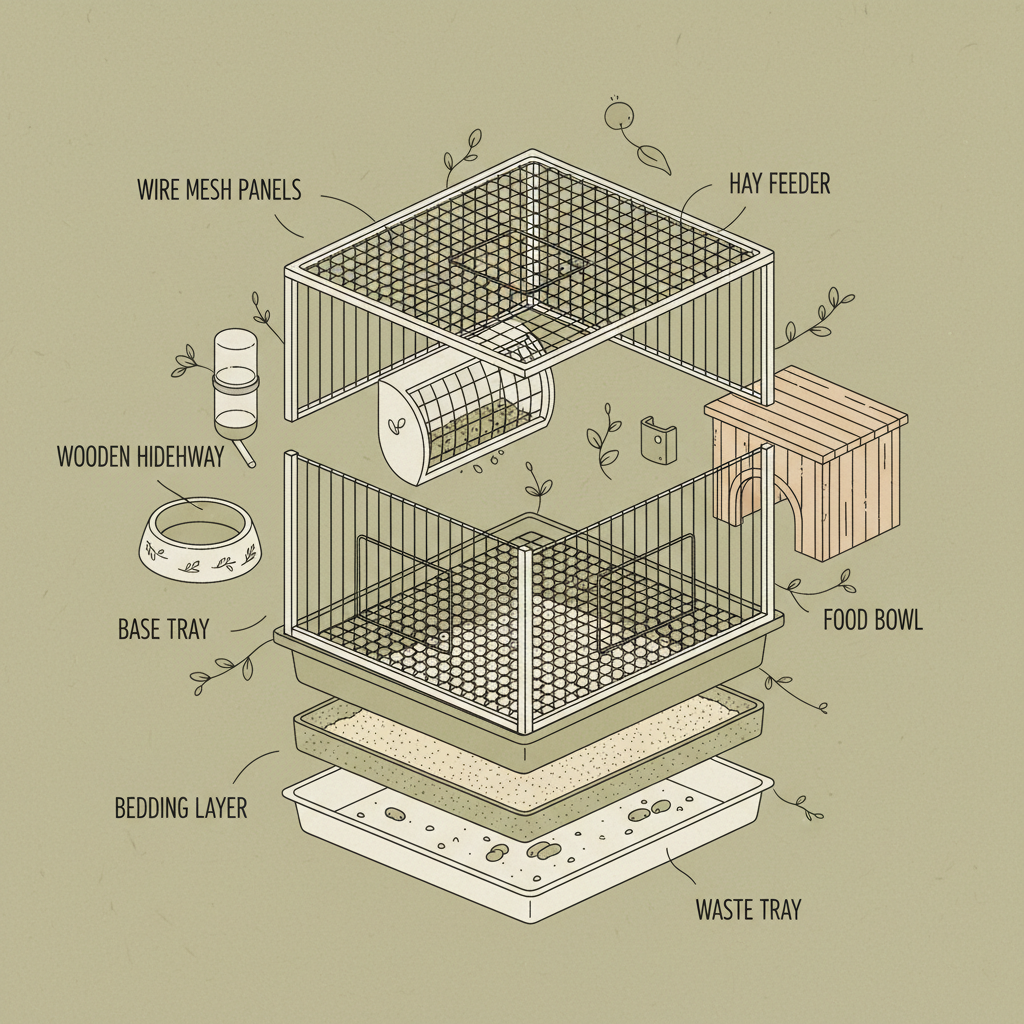
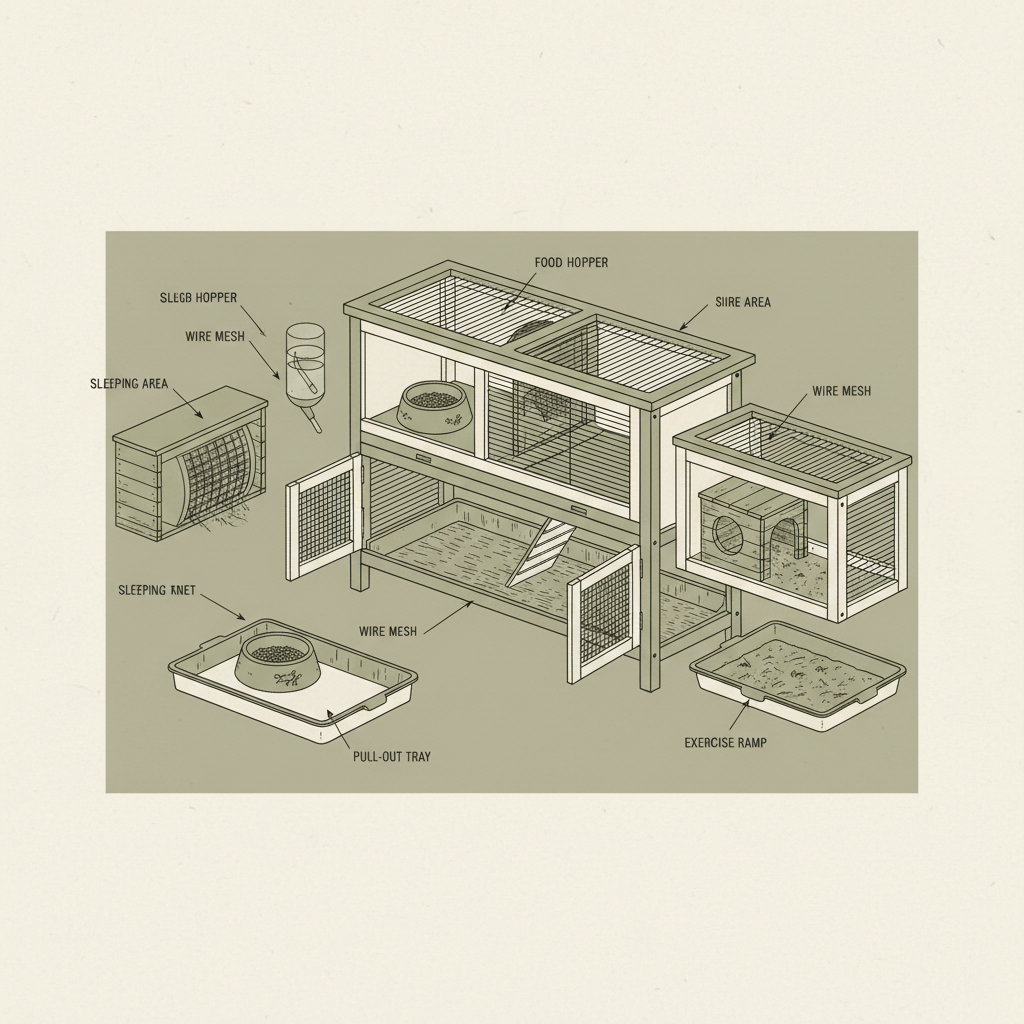
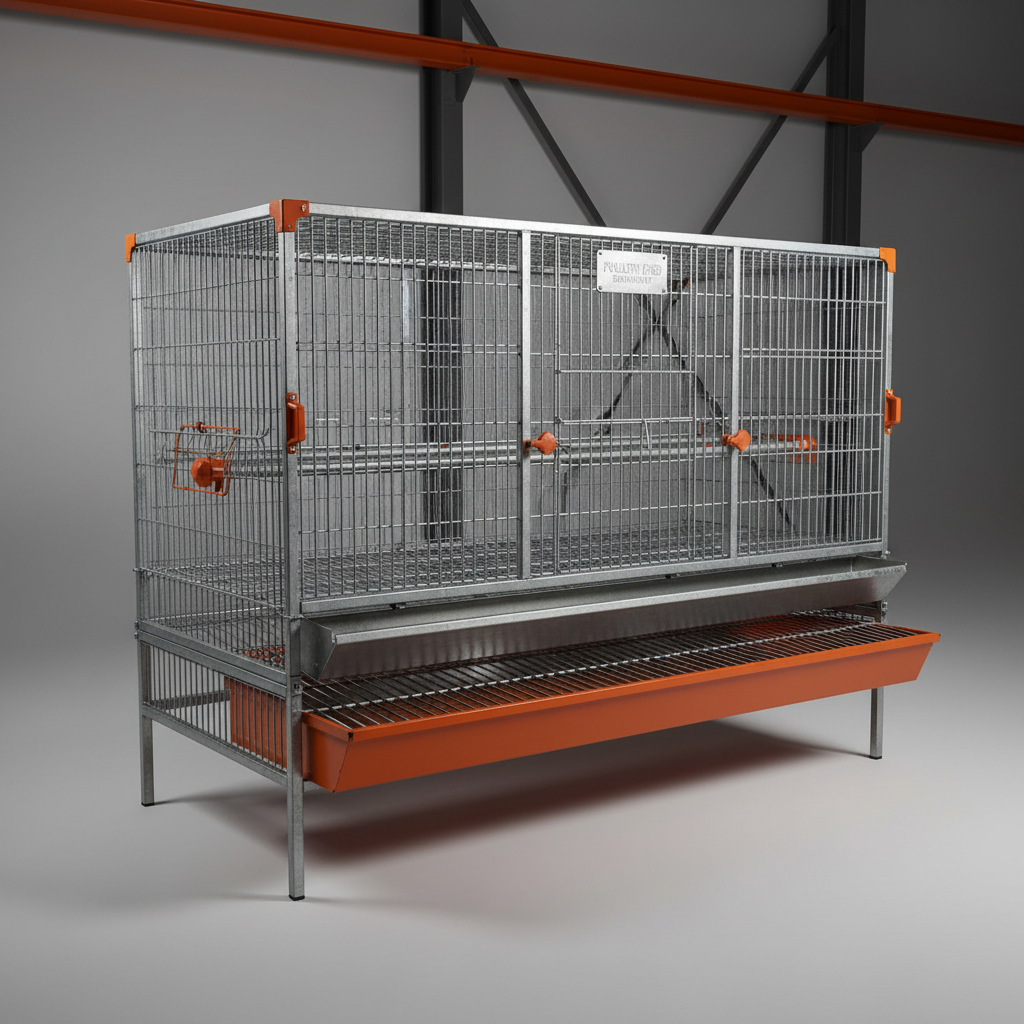
Have you noticed everyone’s moving towards galvanized steel? It’s the default, right? Good corrosion resistance, relatively cheap. But it’s heavy. Really heavy. Makes transport a pain. And you get those sharp edges… I saw a guy slice his hand open last month just unloading a shipment. We’re also seeing more composite materials being experimented with – plastics reinforced with fiberglass. Lighter, sure, but I’m not convinced they hold up as well long-term. Especially in direct sunlight.
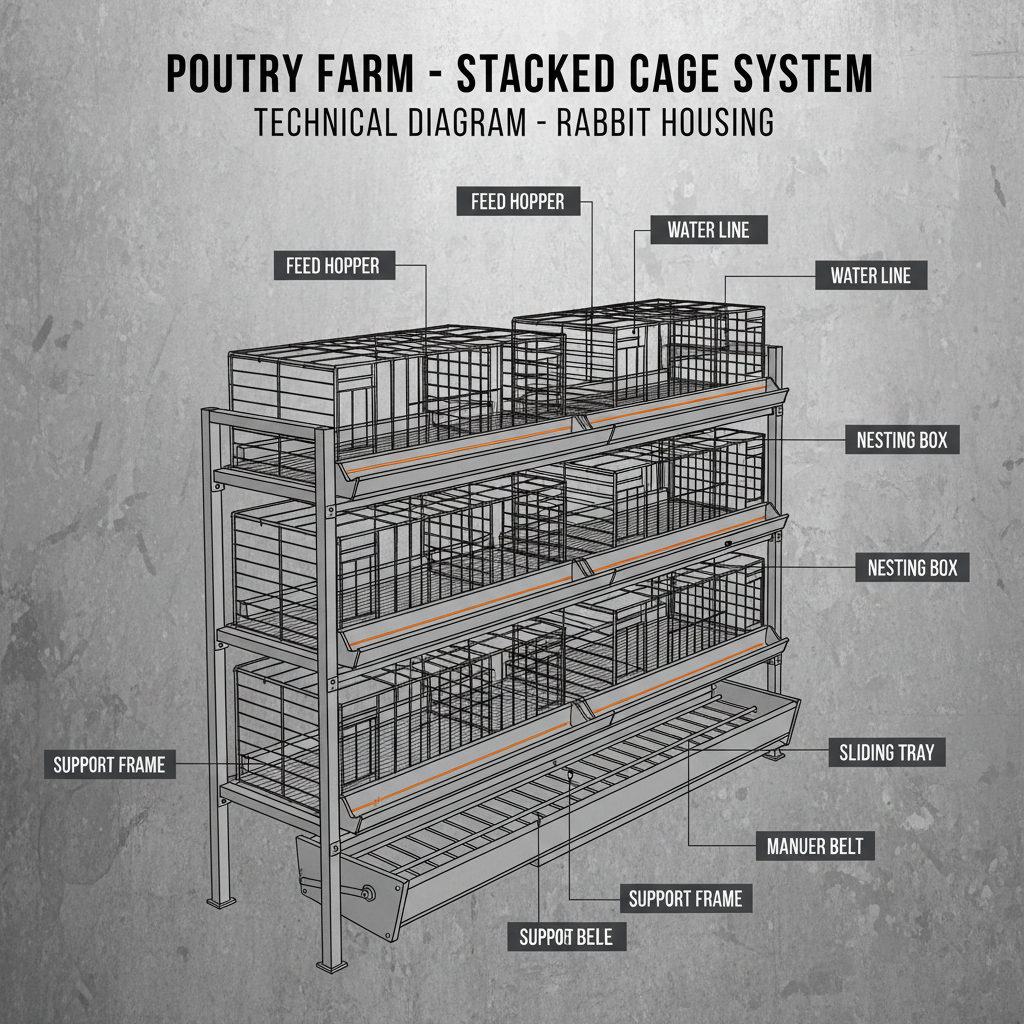
The push for modularity is big too. Everything’s gotta be flat-packable. Easier shipping, lower storage costs. But that means more connection points, more potential for failure. It’s a trade-off.
Depends on the environment, honestly. Coastal areas with salt air? Five years, maybe. Inland, away from harsh weather? Ten years, easy. It’s about how well it’s maintained. Regular cleaning, maybe a fresh coat of paint now and then. The biggest killer is rust, obviously.
They can be. The UV resistance isn't always great, so they get brittle over time. And they scratch easily. A good scratch can create a weak point. They're lighter, which is nice for transport, but you trade durability for weight. It's a compromise.
Hot water and soap. Simple as that. Disinfectant occasionally, but rinse it thoroughly afterwards. You don't want the rabbits ingesting any chemicals. And remove the droppings daily. Don’t let it build up. It attracts flies and creates a nasty smell.
Critical. Absolutely critical. Rabbits are susceptible to respiratory infections, and poor ventilation makes it worse. You need good airflow to remove ammonia from their waste and keep the air fresh. It’s just basic animal welfare, really.
Usually, yes. We can adjust the dimensions to fit your specific needs. But there’s a cost involved. Changing the size means retooling the production line. Small adjustments are no problem, but major changes can be expensive.
Honestly? Simple bolts. Those fancy cam locks look nice, but they’re prone to failure. A good, solid bolt is always the best option. It's a little slower to assemble, but it's much more secure.
So, yeah. Rabbit cages. It’s not glamorous work, but it’s important. We’re providing a safe and comfortable environment for these animals, and that’s something to be proud of. We’ve learned a lot over the years, and we’re always looking for ways to improve our products. The industry is shifting towards prefabrication and modularity, and we’re adapting to those changes.
Ultimately, whether this thing works or not, the worker will know the moment he tightens the screw. You can design the fanciest cage in the world, but if it's a pain to assemble and doesn’t hold up in the real world, it’s a failure. It all comes down to practicality. And a bit of luck.






 Afrikaans
 Albanian
 Amharic
 Arabic
 Armenian
 Azerbaijani
 Basque
 Belarusian
 Bengali
 Bosnian
 Bulgarian
 Catalan
 Cebuano
 Corsican
 Croatian
 Czech
Czech
 Danish
 Dutch
Dutch
 Esperanto
 Estonian
 Finnish
 French
 Frisian
 Galician
 Georgian
 German
 Greek
Greek
 Gujarati
 Haitian Creole
 Hausa
Hausa
 Hawaiian
 Hebrew
 Hindi
Hindi
 Miao
Miao
 Hungarian
 Icelandic
 Igbo
Igbo
 Indonesian
 Irish
Irish
 Italian
 Japanese
 Javanese
 Kannada
 Kazakh
 Khmer
Khmer
 Rwandese
 Korean
 Kurdish
 Kyrgyz
 Lao
Lao
 Latin
Latin
 Latvian
 Lithuanian
 Luxembourgish
 Macedonian
 Malgashi
 Malay
Malay
 Malayalam
 Maltese
 Maori
Maori
 Marathi
 Mongolian
 Myanmar
 Nepali
 Norwegian
 Norwegian
 Occitan
 Pashto
 Persian
 Polish
 Portuguese
 Punjabi
 Romanian
 Russian
 Samoan
 Scottish Gaelic
 Serbian
 Sesotho
 Shona
Shona
 Sindhi
 Sinhala
 Slovak
 Slovenian
 Somali
 Spanish
 Sundanese
 Swahili
 Swedish
 Tagalog
 Tajik
Tajik
 Tamil
Tamil
 Tatar
Tatar
 Telugu
 Thai
Thai
 Turkish
 Turkmen
 Ukrainian
 Urdu
Urdu
 Uighur
 Uzbek
Uzbek
 Vietnamese
 Welsh
Welsh
 Bantu
Bantu
 Yiddish
 Yoruba
 English