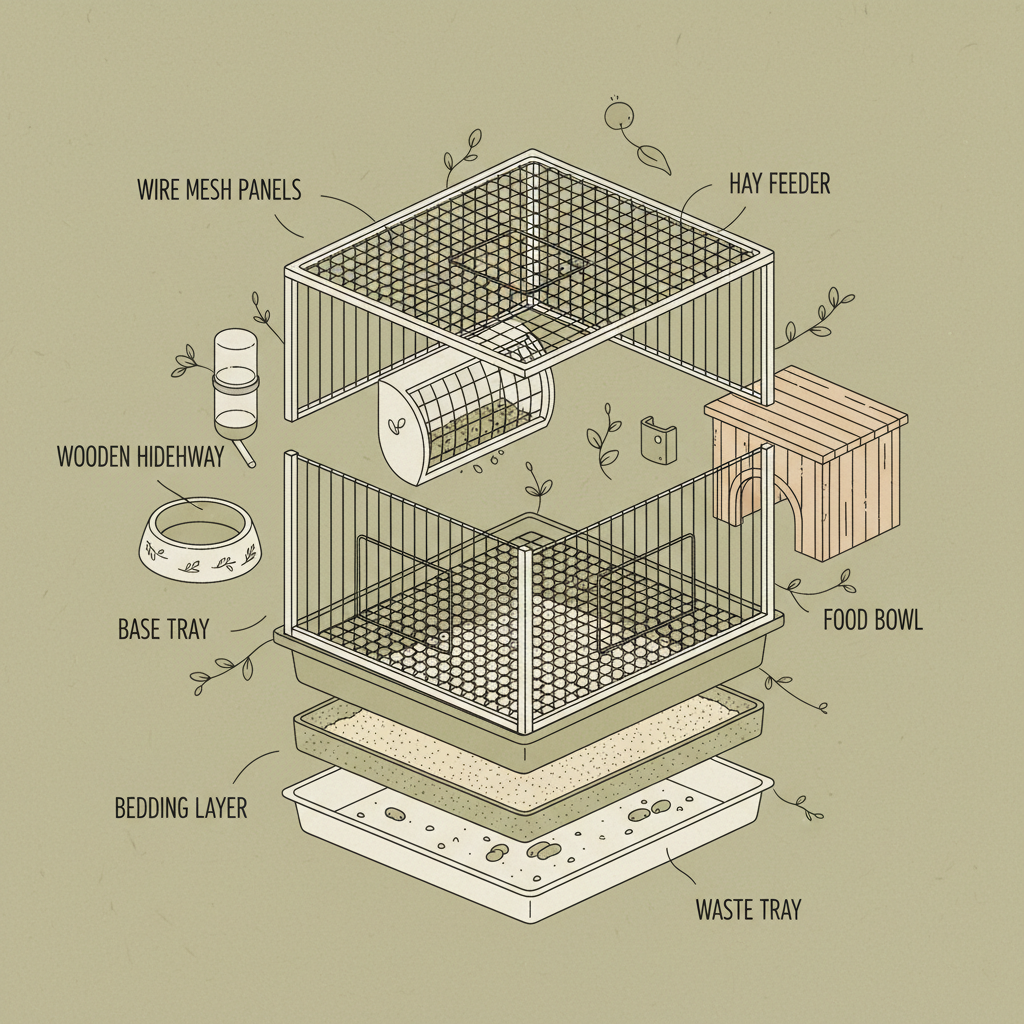
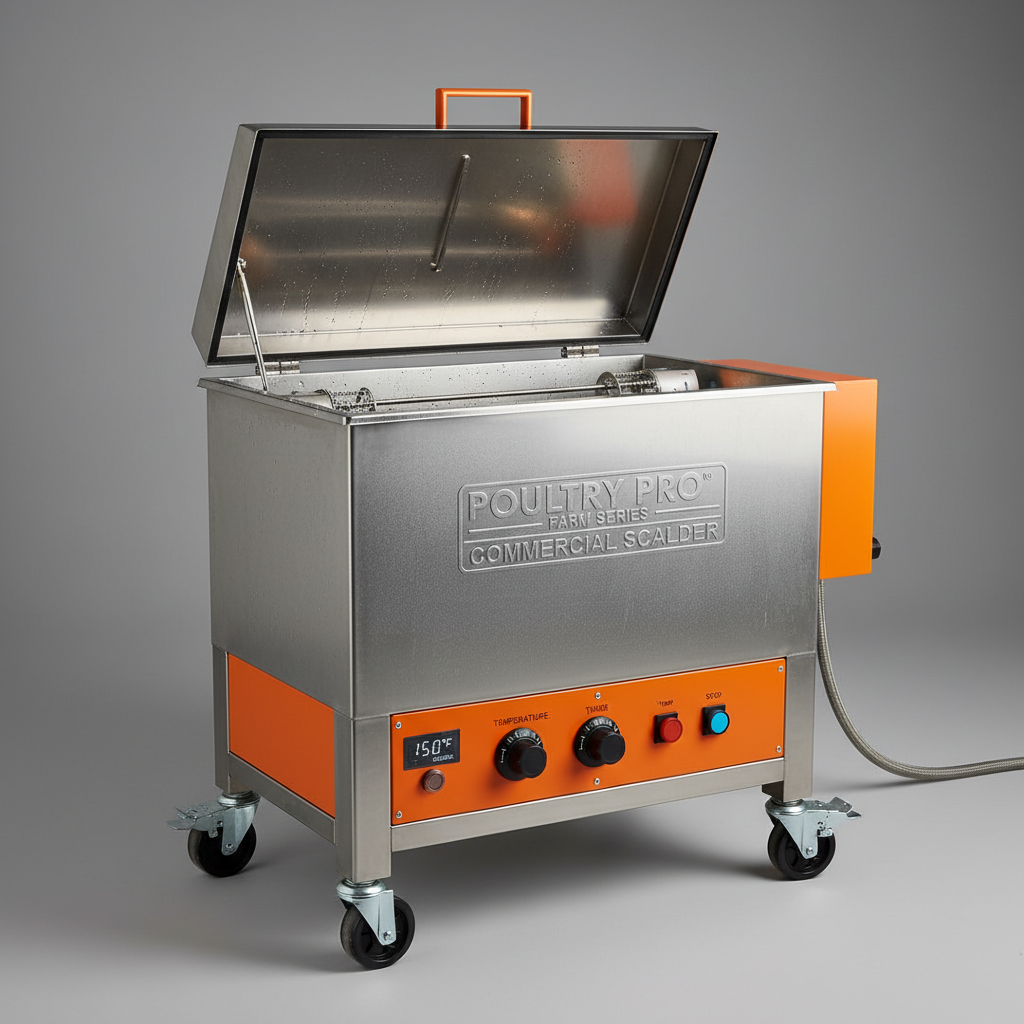
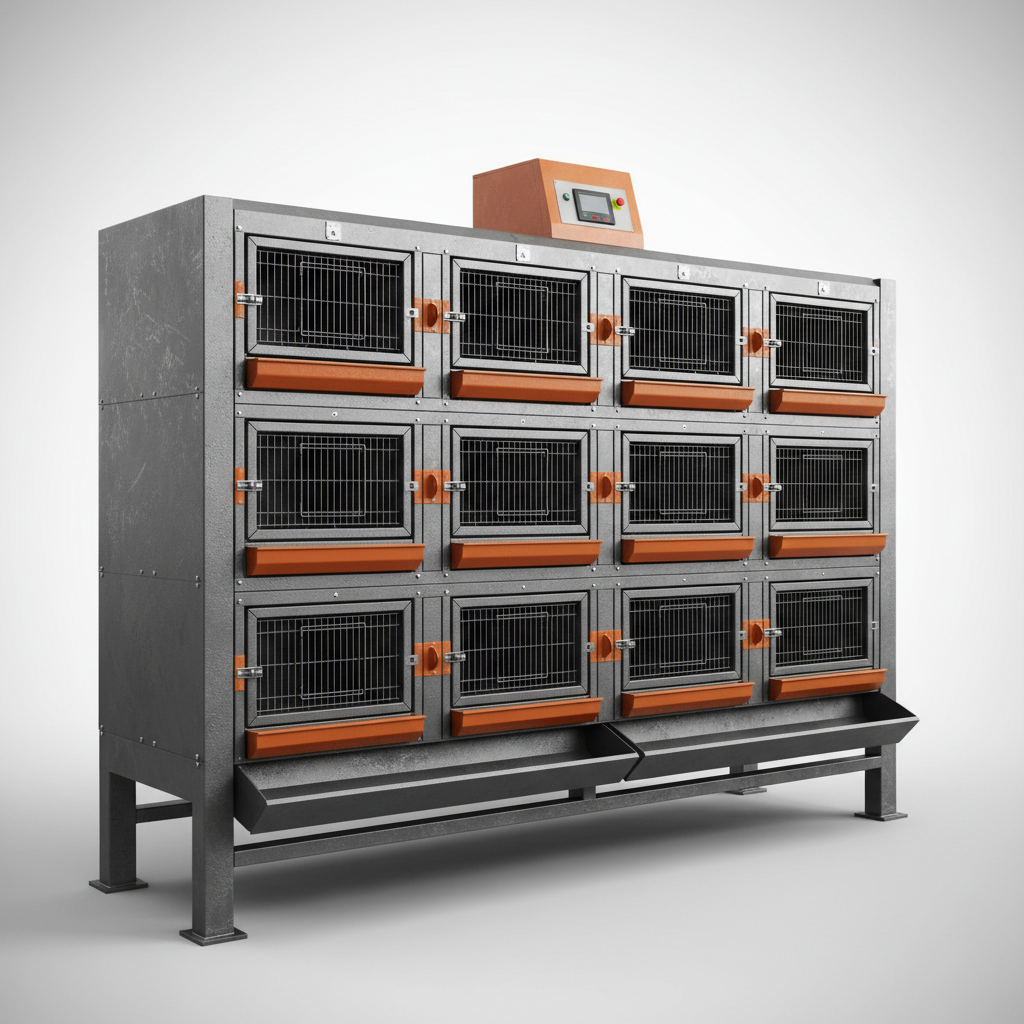
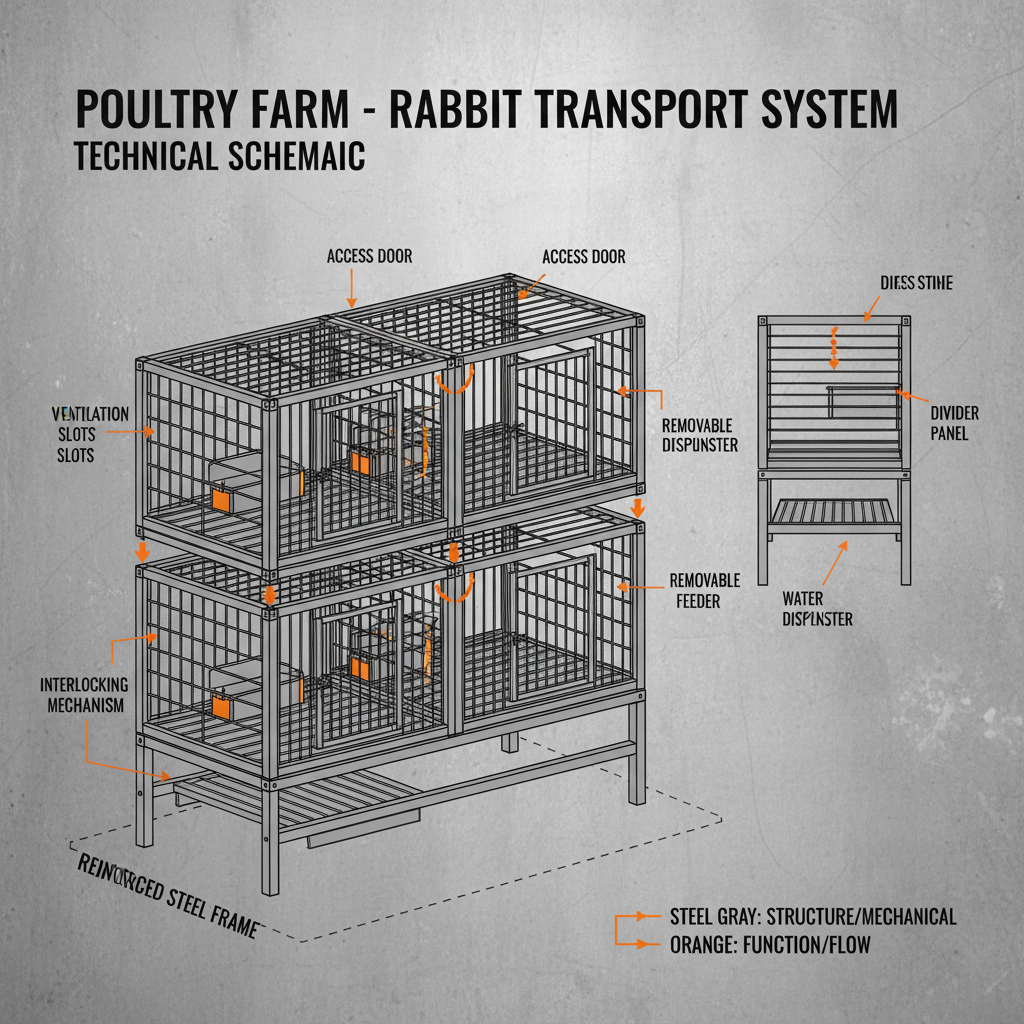
Look, breeding environment equipment… it’s not exactly glamorous stuff, is it? But honestly, it’s the backbone of getting things done right. It’s gotten a lot of attention these past few years, especially with everyone trying to boost production, improve animal welfare, and just generally make things more efficient. It’s not just about sticking a few heaters in a barn anymore, you know? It's become a whole science.
You wouldn't believe the changes I’ve seen. Everyone’s chasing automated climate control, precise ventilation, and data logging for everything. It's gone way beyond what I was dealing with ten years ago. People want to micro-manage everything – humidity, temperature, light cycles, even air quality. It’s a bit much sometimes, honestly.
The pressure is on to do more with less, especially with labor costs going up. And, let's be real, sustainability is a huge driver now. Farmers, breeders, researchers… they're all looking for ways to cut energy consumption and reduce their environmental impact. That's where a lot of the innovation is happening, I think.
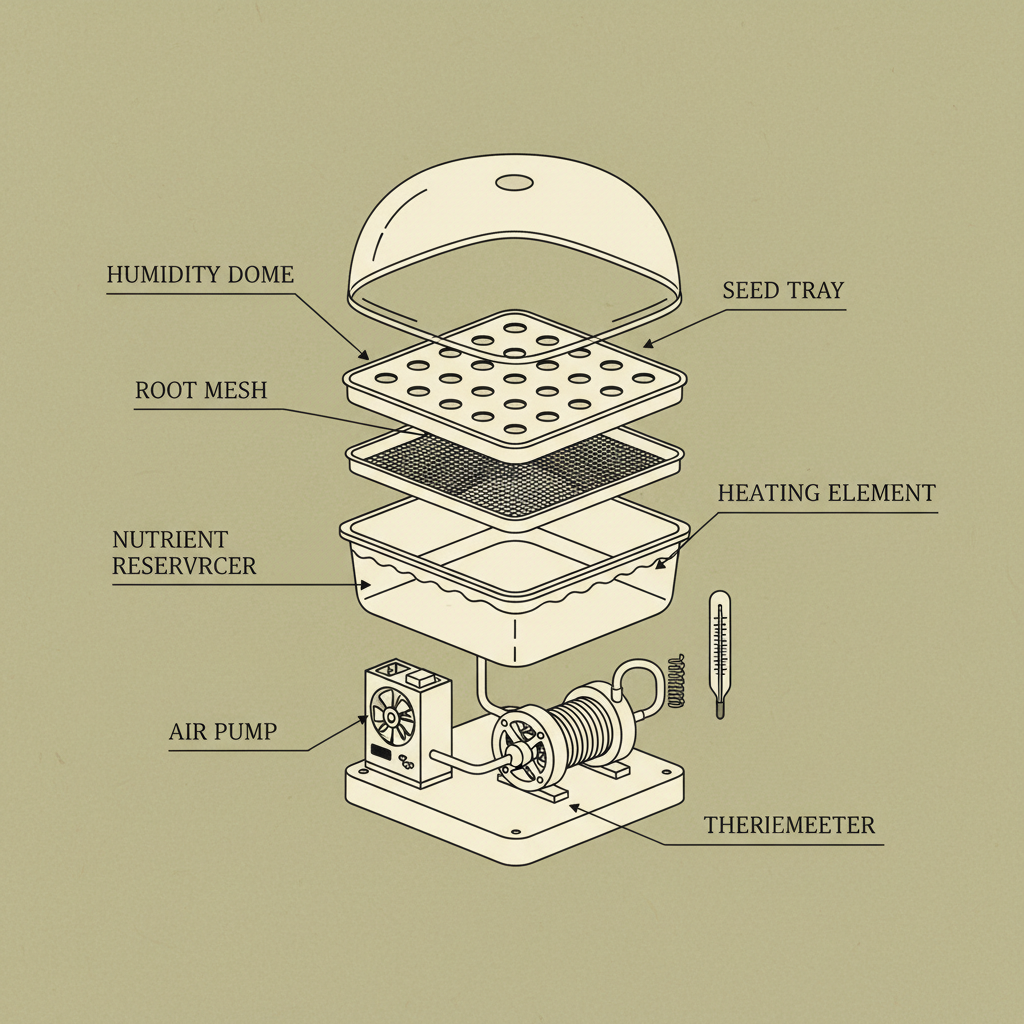
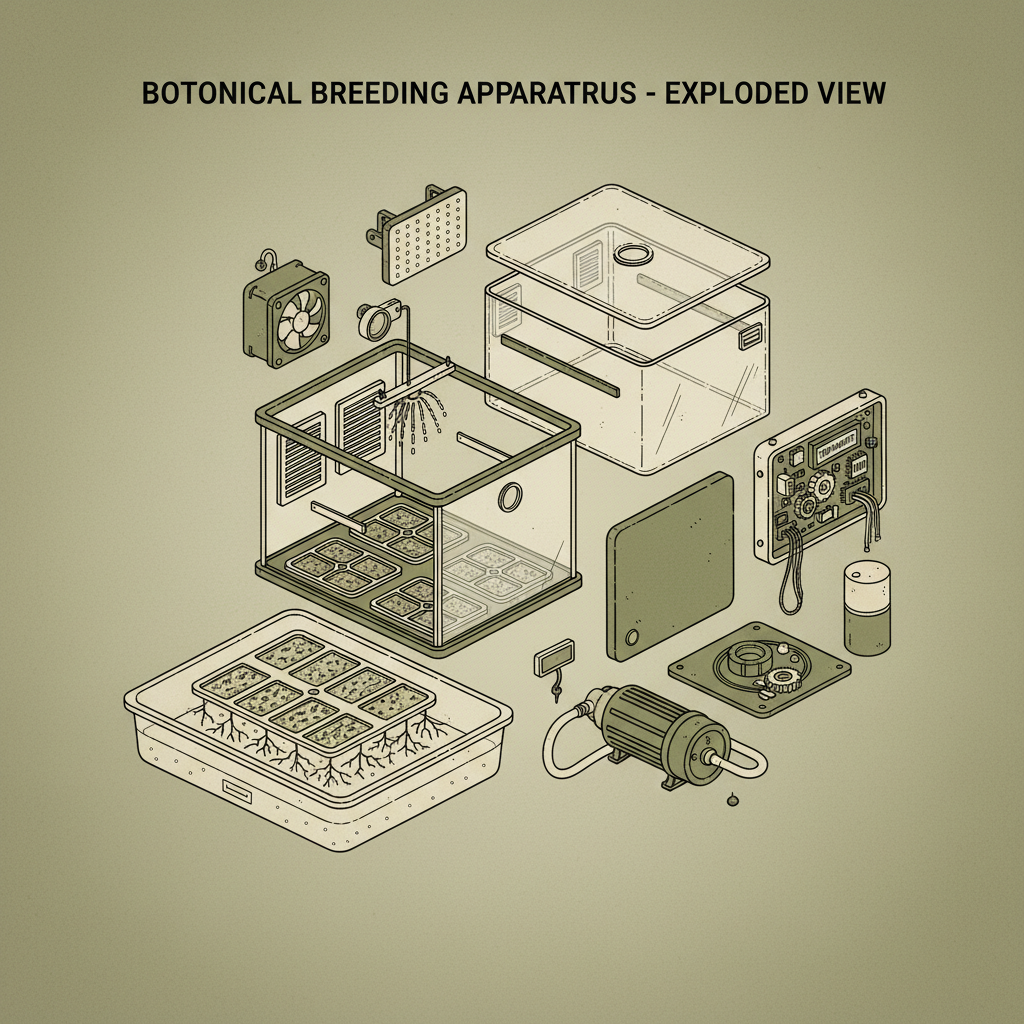
To be honest, a lot of folks underestimate this stuff. They think it’s just about keeping animals warm or cool. But it’s way more complex than that. It impacts everything from growth rates and fertility to disease resistance and overall animal welfare. It directly ties into efficiency and profitability, which, let’s face it, is what everyone is after.
Have you noticed how quickly things are changing? The demand for higher quality products, coupled with stricter regulations, is driving a need for more sophisticated breeding environment equipment. It’s not enough to just meet the minimum requirements anymore, you need to exceed them.
Honestly, it varies a lot. But generally, you're looking at around 10-15 years for the major components like ventilation and climate control. Sensors and software will likely need to be replaced more frequently, maybe every 5-7 years, as technology advances. The key is preventative maintenance – regular cleaning, inspections, and calibration. Neglect it, and you'll be looking at expensive repairs or replacements sooner rather than later.
That depends on a lot of factors: the size of your facility, the type of animals you're raising, the climate, and your budget. There's no one-size-fits-all answer. You’ll want to consider things like airflow rate, fan capacity, and filter type. I recommend talking to a qualified HVAC engineer who specializes in agricultural applications. They can assess your needs and recommend the best solution.
High-efficiency fans are a big one. Also, properly insulating your facility and using energy-efficient lighting can make a significant difference. Automated control systems that optimize ventilation and temperature based on real-time conditions are also key. And don’t forget about heat recovery systems, which can capture waste heat and reuse it to warm other areas of your facility.
It's becoming increasingly important. Data allows you to identify trends, optimize performance, and troubleshoot problems before they become major issues. You can track things like temperature, humidity, air quality, feed consumption, and animal weight gain. But remember, data is only useful if you actually analyze it and take action based on the insights you gain.
Underestimating the cost of installation and maintenance is a big one. Also, failing to properly train employees on how to use the new equipment. And, I've seen plenty of folks rushing into things without conducting a thorough assessment of their needs. It’s a costly mistake. Take your time, do your research, and don't be afraid to ask for help.
Absolutely! Most reputable manufacturers offer customization options. For instance, I had a customer in Spain last year who wanted a ventilation system specifically designed to handle the dusty conditions in his poultry house. We worked with the manufacturer to develop a custom filter system that met his exact needs. Don't be afraid to ask – a good supplier will be willing to work with you to create a solution that's tailored to your unique requirements.
Ultimately, breeding environment equipment is about creating the best possible conditions for animals to thrive. It’s about increasing efficiency, improving animal welfare, and ensuring a sustainable future for agriculture. It's not a glamorous job, but it’s a vital one.
And the bottom line is this: whether this stuff works or not, the worker will know the moment he tightens the screw. He'll feel it in the smoothness of the operation, the quiet hum of the motors, the improved health of the animals. It’s a practical business, at the end of the day. Visit our website at breeding environment equipment to learn more.






 Afrikaans
 Albanian
 Amharic
 Arabic
 Armenian
 Azerbaijani
 Basque
 Belarusian
 Bengali
 Bosnian
 Bulgarian
 Catalan
 Cebuano
 Corsican
 Croatian
 Czech
Czech
 Danish
 Dutch
Dutch
 Esperanto
 Estonian
 Finnish
 French
 Frisian
 Galician
 Georgian
 German
 Greek
Greek
 Gujarati
 Haitian Creole
 Hausa
Hausa
 Hawaiian
 Hebrew
 Hindi
Hindi
 Miao
Miao
 Hungarian
 Icelandic
 Igbo
Igbo
 Indonesian
 Irish
Irish
 Italian
 Japanese
 Javanese
 Kannada
 Kazakh
 Khmer
Khmer
 Rwandese
 Korean
 Kurdish
 Kyrgyz
 Lao
Lao
 Latin
Latin
 Latvian
 Lithuanian
 Luxembourgish
 Macedonian
 Malgashi
 Malay
Malay
 Malayalam
 Maltese
 Maori
Maori
 Marathi
 Mongolian
 Myanmar
 Nepali
 Norwegian
 Norwegian
 Occitan
 Pashto
 Persian
 Polish
 Portuguese
 Punjabi
 Romanian
 Russian
 Samoan
 Scottish Gaelic
 Serbian
 Sesotho
 Shona
Shona
 Sindhi
 Sinhala
 Slovak
 Slovenian
 Somali
 Spanish
 Sundanese
 Swahili
 Swedish
 Tagalog
 Tajik
Tajik
 Tamil
Tamil
 Tatar
Tatar
 Telugu
 Thai
Thai
 Turkish
 Turkmen
 Ukrainian
 Urdu
Urdu
 Uighur
 Uzbek
Uzbek
 Vietnamese
 Welsh
Welsh
 Bantu
Bantu
 Yiddish
 Yoruba
 English