To be honest, things have been moving fast in the feed processing machine world lately. Everyone's chasing higher capacity, lower energy consumption… you know, the usual. But I’ve been seeing a lot of folks get tripped up on the details – especially when they try to over-engineer things. It’s like they forget this stuff has to work on a dusty farm, not just look good in a brochure.
Have you noticed how everyone’s going crazy for stainless steel? Seems like every other spec sheet boasts about it. But frankly, sometimes a good carbon steel, properly treated, will outlast and outperform the stainless, especially when dealing with abrasive materials. I encountered this at the Yuemei Machinery factory last time - they were having problems with cracking in their high-end stainless steel augers.
It all comes down to the materials, right? We primarily use a combination of high-strength carbon steel for the main housings, and hardened alloy steel for the grinding and crushing components. Feels solid, smells faintly of oil and metal shavings… you can tell it’s durable just by hefting it. The rubber liners – those are crucial. We source those from a small company in Shandong; they’ve got this special compound that resists wear like nothing else. Strangely, they still insist on hand-cutting most of it.
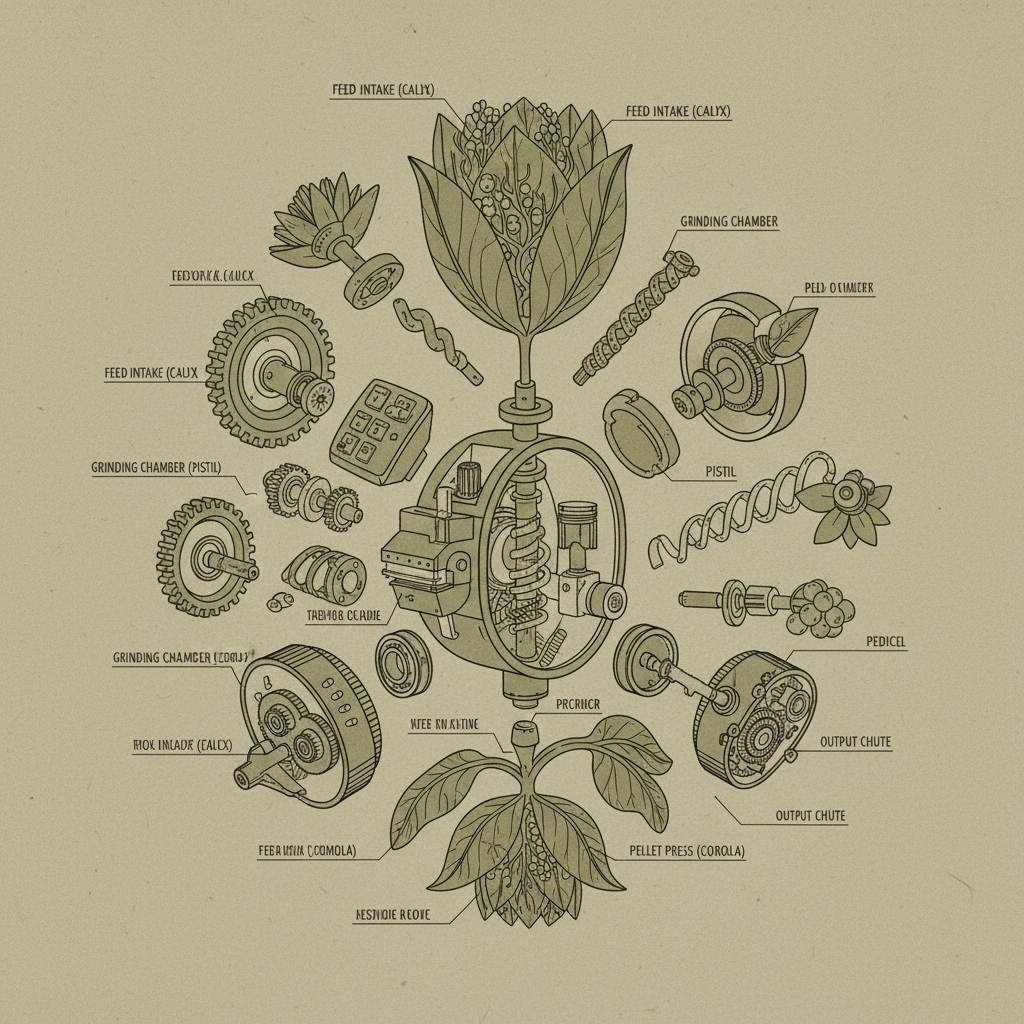
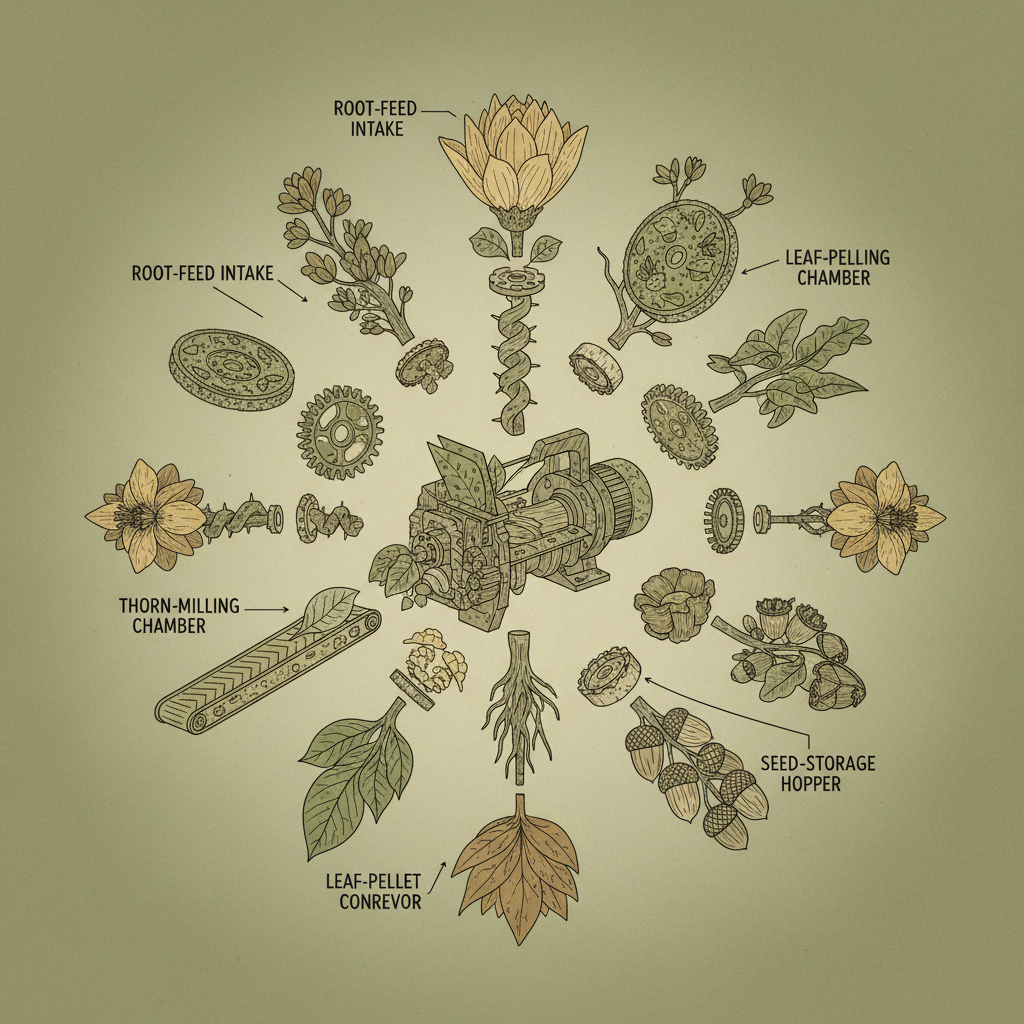
Anyway, I think the biggest trend right now is automation. Everyone wants a self-contained system, less manpower, you know the drill. But it’s easy to get carried away with the bells and whistles and forget about simplicity and maintainability. I've seen machines with more sensors than a spaceship, but then the farmer can't fix it when the power goes out.
The other pitfall? Neglecting dust control. Seriously. Grain dust is a nightmare. It gets into everything, wears down components, and is a fire hazard. It sounds basic, but a lot of designs just don't adequately address it.
Regular maintenance is critical. This includes daily cleaning to prevent material buildup, weekly lubrication of bearings and moving parts, and annual inspections of grinding plates and screens. Ignoring maintenance will lead to decreased efficiency and premature failure. We recommend keeping a log of all maintenance performed. A little grease goes a long way, trust me.
It really depends on the type of material you're processing, the required throughput, and your budget. For grains, a hammer mill is usually a good choice. For fibrous materials, a knife grinder might be better. Consider the particle size you need to achieve, and make sure the machine has the appropriate screen sizes. Don't be afraid to ask for a demo, and talk to other users in your industry.
Safety first! Always wear appropriate personal protective equipment – safety glasses, dust mask, hearing protection. Make sure the machine is properly grounded, and never operate it with the guards removed. Keep hands and clothing away from moving parts. And always disconnect the power before performing any maintenance. Seriously, don’t mess around.
That varies wildly depending on usage and maintenance. A well-maintained machine can easily last 10-15 years, or even longer. The key is to replace worn parts promptly, and to keep the machine clean and lubricated. Cheaper machines may have a shorter lifespan, even with good maintenance. It’s worth investing in quality.
Generally, no. Most feed processing machines are designed for dry materials only. Processing wet materials can cause clogging, corrosion, and damage to the machine. There are specialized machines designed for wet processing, but they are different. Attempting to process wet materials with a standard machine is a recipe for disaster.
We offer a one-year warranty on all of our feed processing machines, covering defects in materials and workmanship. The warranty does not cover wear and tear, or damage caused by misuse or improper maintenance. We also offer extended warranties for an additional fee. Read the fine print, of course.
So, there you have it. Feed processing machines are complex pieces of equipment, but they're essential for a lot of industries. Choosing the right machine, maintaining it properly, and understanding its limitations are key to success. It’s about more than just numbers on a spec sheet.
Look, I’ve seen a lot of these machines come and go. The ones that last are the ones built with quality materials, designed with simplicity in mind, and operated by people who understand what they're doing. Ultimately, whether this thing works or not, the worker will know the moment he tightens the screw.






 Afrikaans
 Albanian
 Amharic
 Arabic
 Armenian
 Azerbaijani
 Basque
 Belarusian
 Bengali
 Bosnian
 Bulgarian
 Catalan
 Cebuano
 Corsican
 Croatian
 Czech
Czech
 Danish
 Dutch
Dutch
 Esperanto
 Estonian
 Finnish
 French
 Frisian
 Galician
 Georgian
 German
 Greek
Greek
 Gujarati
 Haitian Creole
 Hausa
Hausa
 Hawaiian
 Hebrew
 Hindi
Hindi
 Miao
Miao
 Hungarian
 Icelandic
 Igbo
Igbo
 Indonesian
 Irish
Irish
 Italian
 Japanese
 Javanese
 Kannada
 Kazakh
 Khmer
Khmer
 Rwandese
 Korean
 Kurdish
 Kyrgyz
 Lao
Lao
 Latin
Latin
 Latvian
 Lithuanian
 Luxembourgish
 Macedonian
 Malgashi
 Malay
Malay
 Malayalam
 Maltese
 Maori
Maori
 Marathi
 Mongolian
 Myanmar
 Nepali
 Norwegian
 Norwegian
 Occitan
 Pashto
 Persian
 Polish
 Portuguese
 Punjabi
 Romanian
 Russian
 Samoan
 Scottish Gaelic
 Serbian
 Sesotho
 Shona
Shona
 Sindhi
 Sinhala
 Slovak
 Slovenian
 Somali
 Spanish
 Sundanese
 Swahili
 Swedish
 Tagalog
 Tajik
Tajik
 Tamil
Tamil
 Tatar
Tatar
 Telugu
 Thai
Thai
 Turkish
 Turkmen
 Ukrainian
 Urdu
Urdu
 Uighur
 Uzbek
Uzbek
 Vietnamese
 Welsh
Welsh
 Bantu
Bantu
 Yiddish
 Yoruba
 English