Selecting the right housing for small animals is more than just a matter of convenience; it is a fundamental aspect of animal welfare and behavioral health. A high-quality pet lodge rabbit cage provides the essential balance between security and stimulation, ensuring that rabbits have a sanctuary that mimics their natural needs while fitting into a modern home environment.
Across the globe, the trend toward "pet humanization" has led to an increased demand for professional-grade breeding and housing solutions. The transition from basic wire crates to a comprehensive pet lodge rabbit cage reflects a deeper understanding of lagomorph physiology, emphasizing the need for adequate floor space, ventilation, and chew-resistant materials to prevent stress and illness.
Understanding the technical specifications and design philosophy behind these structures allows owners and commercial breeders to maximize the lifespan and happiness of their animals. By focusing on ergonomic design and sustainable materials, the modern pet lodge rabbit cage transforms a simple enclosure into a sophisticated living space that supports both hygiene and mental enrichment.
Global Market Relevance of Rabbit Housing
The global demand for specialized small animal housing has seen a significant uptick, driven by the rising popularity of rabbits as domestic companions in Europe and North America. According to industry trends, there is a shift away from improvised enclosures toward standardized, medically-informed designs like the pet lodge rabbit cage, which adheres to international welfare standards.
This growth is not limited to the pet sector; the commercial breeding industry is also integrating these "lodge" concepts to reduce animal stress, which directly correlates with higher reproduction rates and healthier offspring. The integration of industrial-grade durability with home-friendly aesthetics makes these cages a versatile solution for diverse global markets.
Defining the Modern Pet Lodge Concept
A pet lodge rabbit cage is defined as a semi-permanent or permanent housing system that prioritizes the biological and psychological needs of the rabbit. Unlike traditional cages, a "lodge" implies a multi-functional space that includes a sleeping area, a foraging zone, and an easy-clean waste management system, effectively creating a miniature ecosystem for the animal.
From an industry perspective, this concept bridges the gap between professional breeding equipment and consumer pet products. It utilizes materials such as galvanized steel, non-toxic polymers, and reinforced hardwoods to ensure that the structure can withstand the natural chewing instincts of rabbits while remaining lightweight enough for relocation within a facility.
The connection to modern humanitarian and animal rights movements is evident in the design's emphasis on "five freedoms," particularly the freedom to express normal behavior. By providing vertical space and hiding spots, the pet lodge approach mitigates the anxiety typically associated with confined living.
Core Components for Animal Welfare
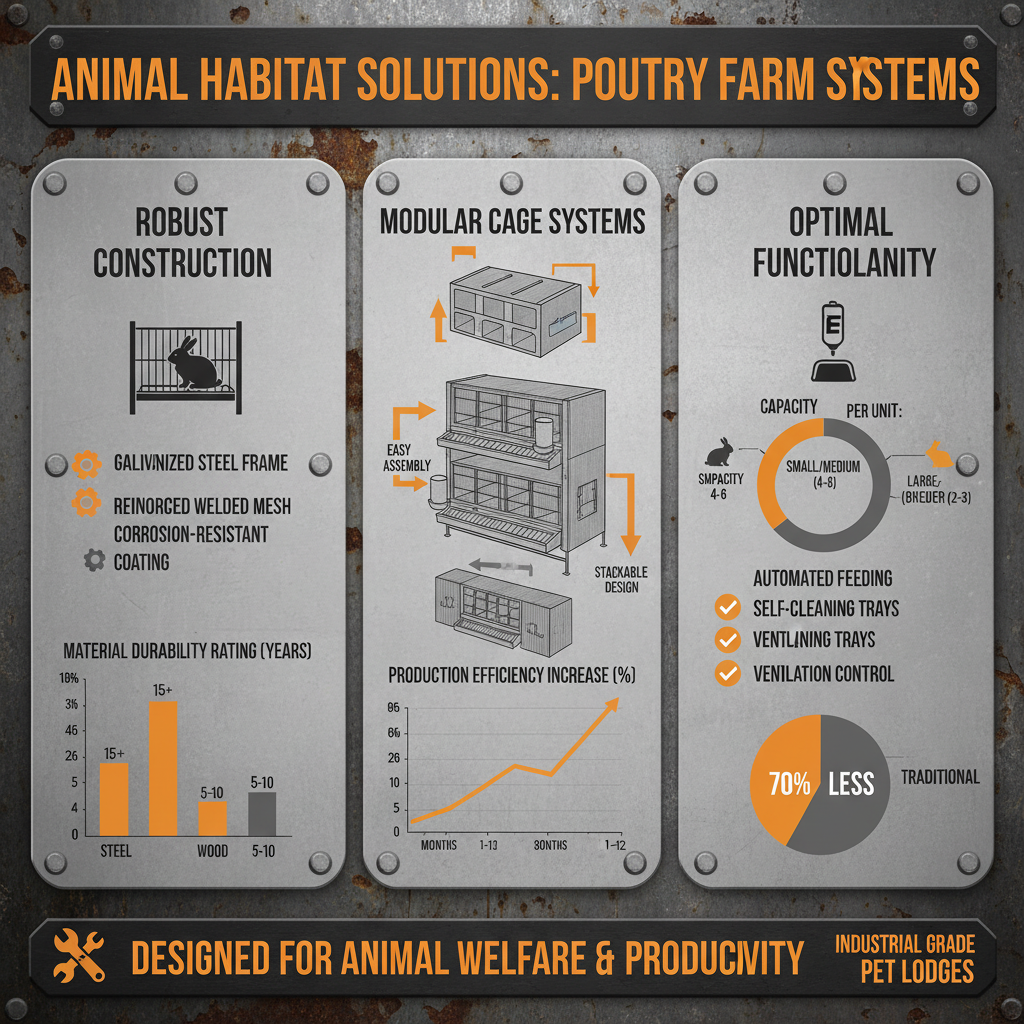
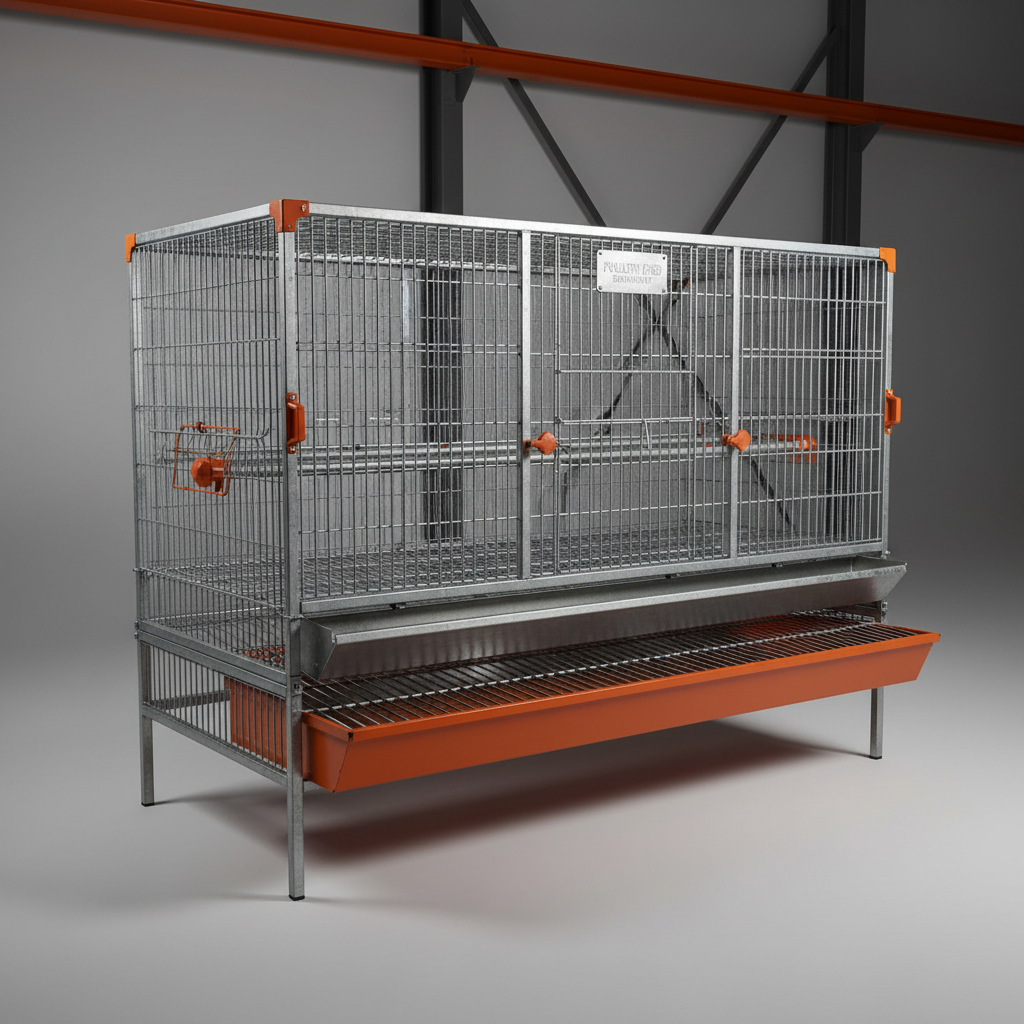
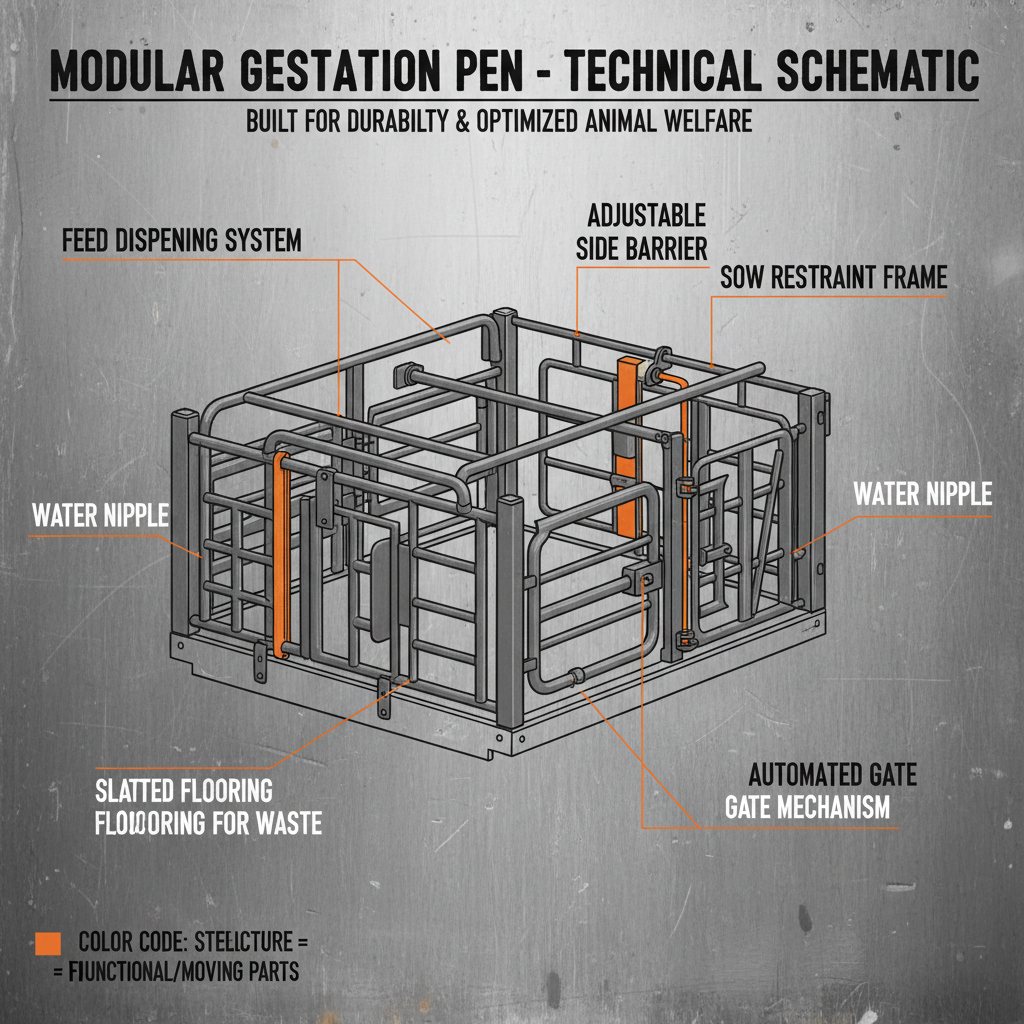
Durability is the cornerstone of any pet lodge rabbit cage. The use of high-tensile wire and corrosion-resistant coatings ensures that the enclosure does not degrade over time, preventing the risk of injuries from rusted edges or structural collapse.
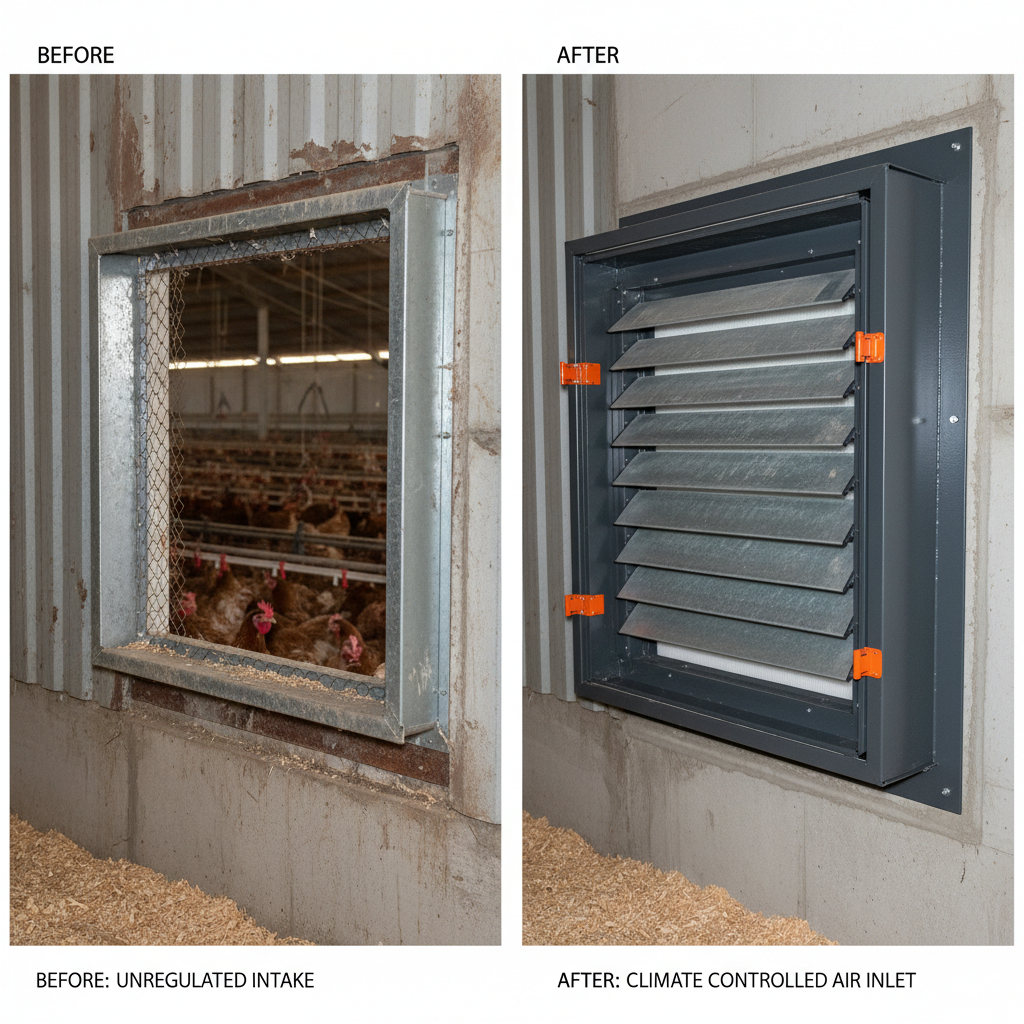
Ventilation and Airflow are critical components of a pet lodge rabbit cage. Because rabbits are highly sensitive to heat stress and ammonia buildup from urine, professional designs incorporate optimized mesh gaps and elevated flooring to ensure constant fresh air circulation.
Scalability and Modularity allow the pet lodge rabbit cage to grow with the user's needs. Whether for a single pet owner or a large-scale breeding operation, modular panels allow for the expansion of living quarters without requiring the purchase of entirely new units.
Practical Applications and Scalability
In real-world contexts, the pet lodge rabbit cage is applied across various settings, from urban apartment living where space is a premium to rural breeding farms that require high-density yet hygienic layouts. In the EU, where animal welfare laws are stringent, these cages are often used as the benchmark for compliant housing.
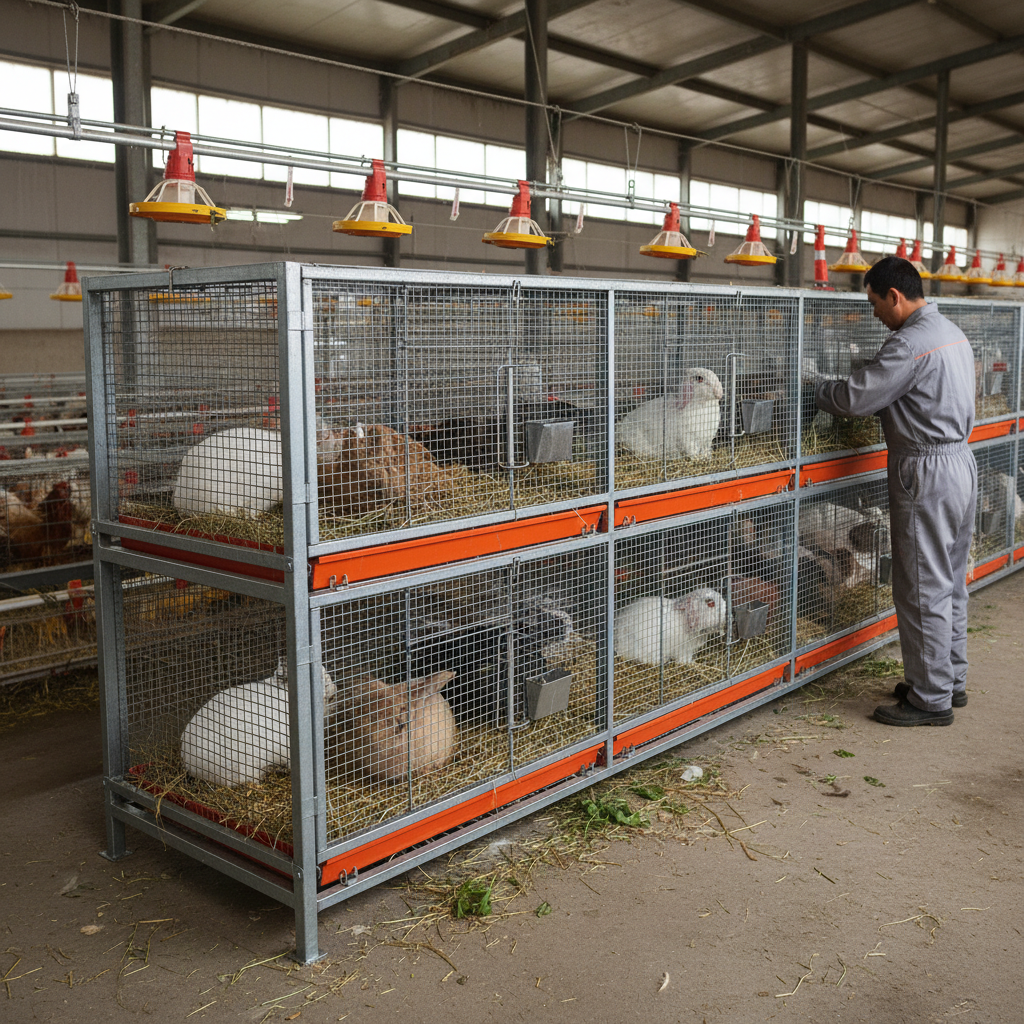
For commercial organizations, the scalability of these units allows for the creation of "battery-style" lodge arrays that integrate with automated feeding and watering systems. This reduces labor costs while maintaining the individual animal's quality of life, providing a balanced approach to industrial livestock management.
Performance Metrics of Various Rabbit Housing Systems
Long-Term Value and Sustainability
Investing in a professional pet lodge rabbit cage offers tangible long-term economic benefits. By reducing the incidence of pododermatitis (sore hocks) and respiratory infections through better flooring and ventilation, owners significantly lower their veterinary expenditures over the animal's lifetime.
From a sustainability perspective, the shift toward recyclable metals and eco-friendly polymers in the manufacturing of these cages reduces the environmental footprint of the pet industry. A durable cage that lasts a decade is far more sustainable than several cheap plastic alternatives that end up in landfills.
Future Innovations in Breeding Automation
The future of the pet lodge rabbit cage lies in the integration of IoT and smart monitoring. We are seeing the emergence of sensors that can track weight, movement, and feeding habits in real-time, allowing breeders to detect illness days before physical symptoms appear.
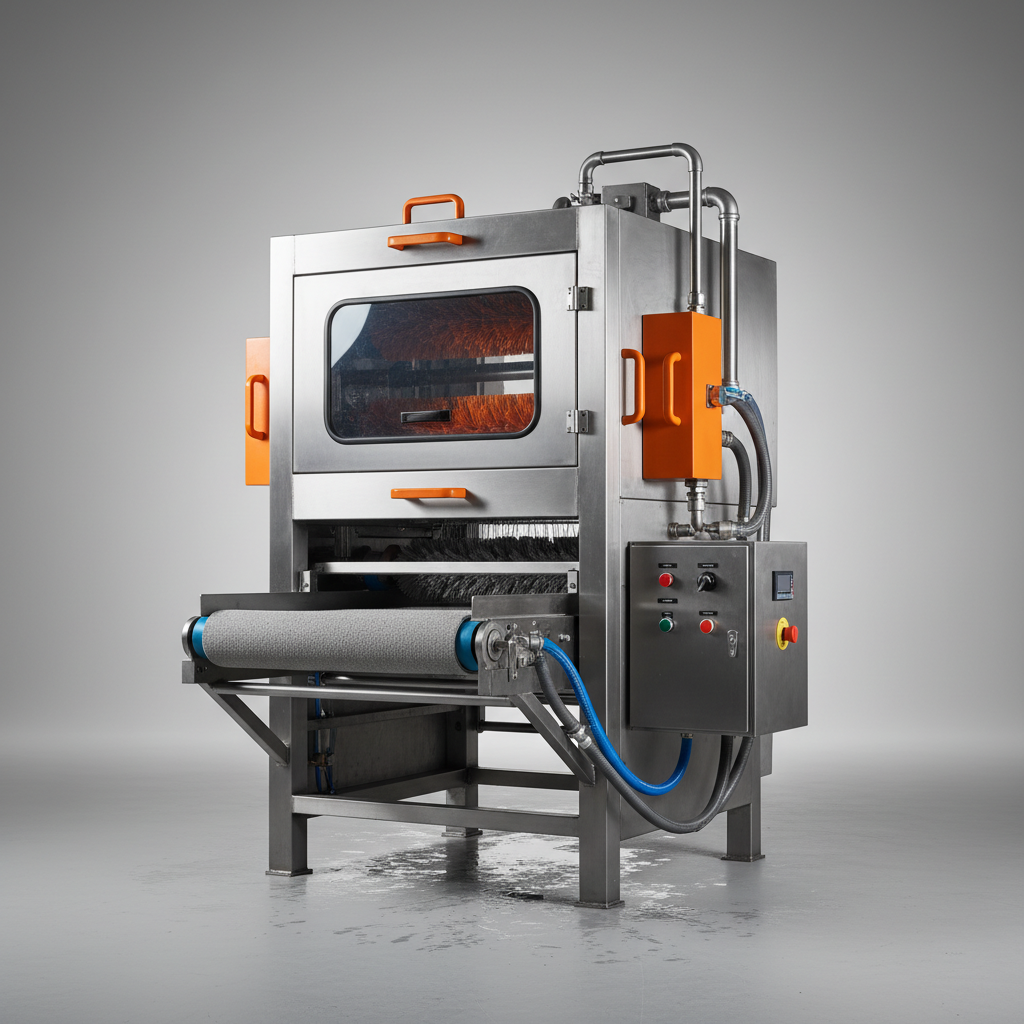
Furthermore, the adoption of automated waste removal systems is transforming the hygiene landscape. Future lodge designs will likely feature conveyor-based cleaning systems that remove droppings without disturbing the animal, maintaining a sterile environment with minimal human intervention.
Digital transformation is also influencing the materials used, with the development of antimicrobial coatings that prevent the growth of bacteria and fungi. These innovations ensure that the pet lodge rabbit cage remains at the cutting edge of veterinary science and industrial efficiency.
Overcoming Common Housing Challenges
One of the primary challenges in rabbit housing is the conflict between security and the need for exercise. Many traditional cages are too small, leading to obesity and lethargy. The solution integrated into the modern pet lodge rabbit cage is the "hybrid zone" design, which allows the rabbit to move freely between a secure lodge and a larger exercise run.
Another common issue is the difficulty of cleaning, which often leads to neglected hygiene. Expert insights suggest the implementation of slide-out trays and hydrophobic surfaces that repel moisture and organic matter, making the maintenance of a pet lodge rabbit cage a matter of minutes rather than hours.
Finally, addressing the "chewing problem" requires moving beyond simple deterrents to offering constructive outlets. Modern cages now include integrated chew-toy mounts and safe-gnaw zones, ensuring the structural integrity of the cage is preserved while the animal's instincts are satisfied.
Analysis of Pet Lodge Rabbit Cage Specifications by Use Case
| Application Type |
Material Focus |
Key Feature |
Welfare Score |
| Home Pet Use |
Powder Coated Steel |
Aesthetic Integration |
9/10 |
| Small Scale Breeding |
Galvanized Wire |
Modular Expansion |
8/10 |
| Industrial Farm |
Heavy Duty Alloy |
Auto-Waste System |
7/10 |
| Veterinary Recovery |
Stainless Steel |
Sterilization Ease |
10/10 |
| Exhibition/Show |
Aluminum/Acrylic |
Visibility/Portability |
6/10 |
| Rescue Shelters |
Reinforced Composite |
High Durability |
8/10 |
FAQS
A pet lodge rabbit cage focuses on a holistic environment, integrating specific zones for resting, eating, and hygiene. Unlike traditional hutches, which can be drafty or difficult to clean, the lodge design utilizes engineered ventilation and modular components that allow for better sanitation and animal psychology management, reducing stress-related behaviors.
Yes, professional pet lodge rabbit cages are constructed from chew-resistant materials like galvanized steel and non-toxic polymers. Unlike wooden cages that can be destroyed or contain harmful glues, these industrial-grade materials are designed to withstand gnawing while ensuring no harmful chemicals are ingested by the animal.
The general rule for a pet lodge rabbit cage is that it should allow the rabbit to take three consecutive hops and stand fully on its hind legs without touching the ceiling. Because our systems are modular, you can easily expand the footprint by adding extension panels as your rabbit grows or as you add more pets to your collection.
Absolutely. The design is highly scalable. For commercial use, these cages can be stacked in tiered systems and connected to automated feeding and watering lines. This allows breeders to maintain high standards of hygiene and animal welfare across hundreds of units, which is critical for regulatory compliance and offspring health.
While daily spot cleaning of waste trays is recommended, a full deep clean should be performed weekly. The advantage of a pet lodge rabbit cage is the inclusion of slide-out trays and removable floors, which make the process efficient and prevent the buildup of ammonia and bacteria.
Most modern lodge systems utilize a click-lock or bolt-on mechanism that requires minimal tools. They are designed for rapid deployment, meaning an experienced user can set up a standard unit in under 30 minutes. For larger commercial installations, the modular nature allows for streamlined assembly on the factory floor before final placement.
Conclusion
The evolution of the pet lodge rabbit cage represents a significant leap forward in both animal husbandry and industrial design. By synthesizing durability, hygiene, and biological needs into a single modular system, it provides a sustainable solution for pet owners and professional breeders alike, ensuring that animal welfare is never compromised for the sake of convenience.
Looking forward, the integration of smart technologies and eco-friendly materials will continue to refine the standard of rabbit housing. We encourage breeders and enthusiasts to transition toward these professional-grade solutions to ensure the long-term health and productivity of their animals. Visit our website for more information: www.yizemachine.com