Modern Livestock Infrastructure Solutions for South Sudan: Advanced farrowing house for pigs

Empowering South Sudanese farmers with high-efficiency livestock equipment to enhance food security and commercial animal husbandry productivity.

Modern Livestock Infrastructure Solutions for South Sudan: Advanced farrowing house for pigs

Integrating cutting-edge machinery to optimize pig breeding, poultry management, and rabbit farming within the unique climatic conditions of South Sudan.

Livestock Manufacturing Landscape in South Sudan

Analyzing the intersection of traditional farming and industrialization in the Nile Basin region.

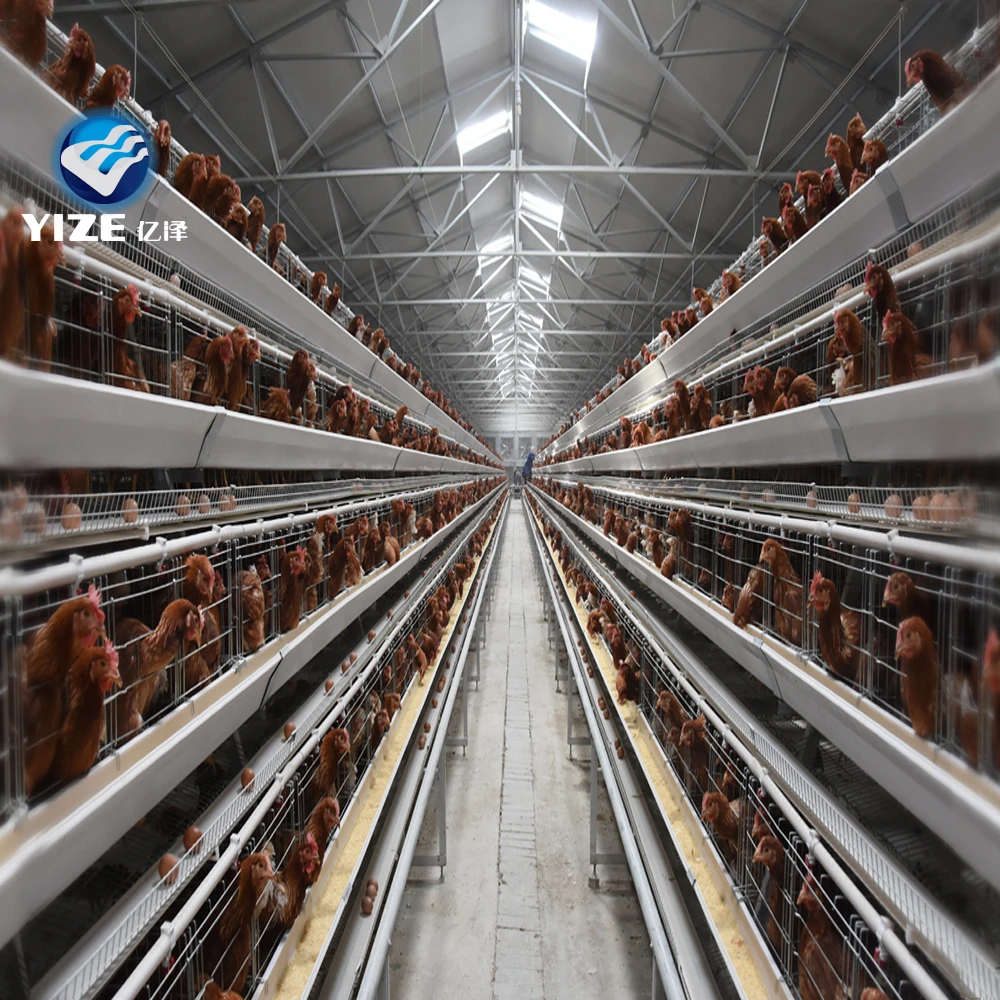
In South Sudan, the livestock sector is the backbone of the rural economy. However, the industry currently faces challenges due to extreme seasonal flooding and high temperatures, which make traditional open-air farming risky. There is a critical need for structured environments like a cage house poultry system to protect birds from predators and climate volatility.

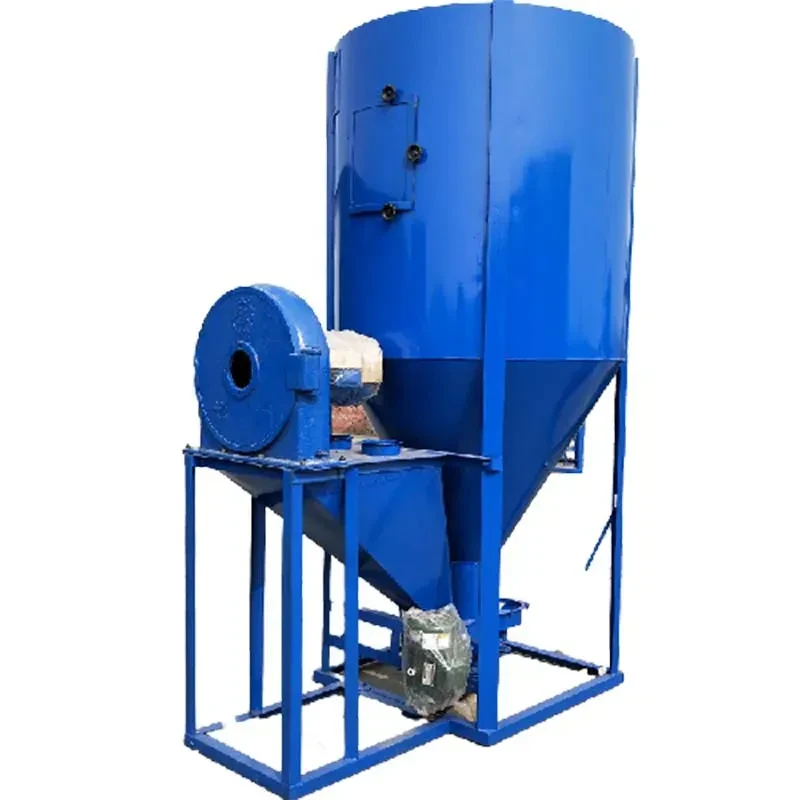
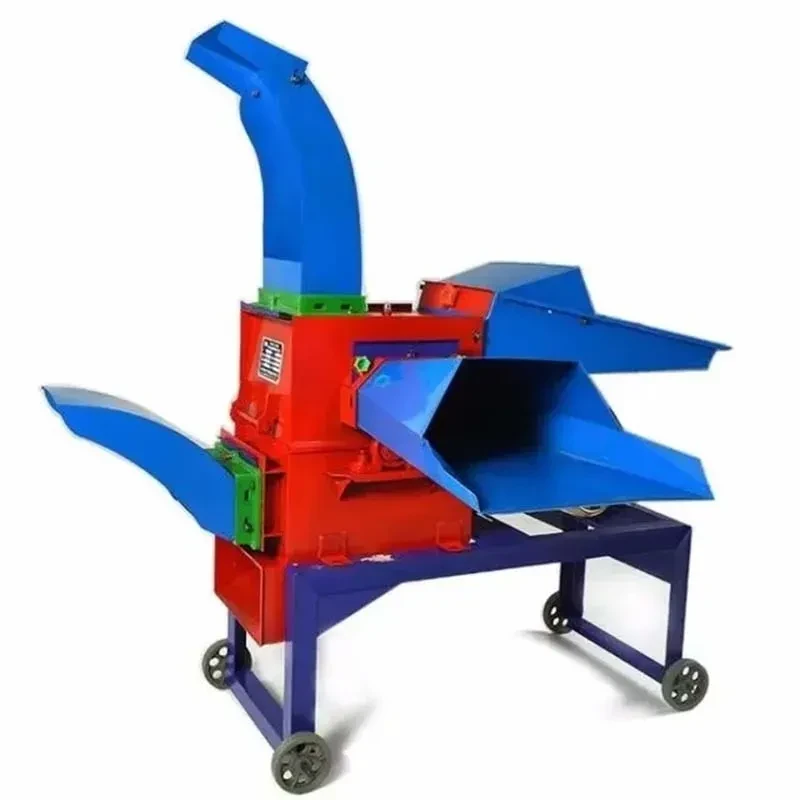
The reliance on manual labor for feed preparation remains high, leading to inefficiency and waste. The introduction of a mechanical animal feed cutter is becoming essential for farmers looking to scale their operations and improve the nutritional consistency of livestock diets.

Furthermore, the burgeoning egg market in urban centers like Juba has created a demand for downstream processing. The lack of local egg tray production line infrastructure means many farmers struggle with transport losses, highlighting a gap for integrated manufacturing solutions.
Evolution of Livestock Technology in East Africa

From nomadic grazing to precision-engineered housing and processing.

Market Development History

Historically, South Sudanese livestock management relied on nomadic pastoralism. Between 2000 and 2010, a shift toward semi-intensive farming began, with the introduction of basic wooden enclosures for pigs and poultry.

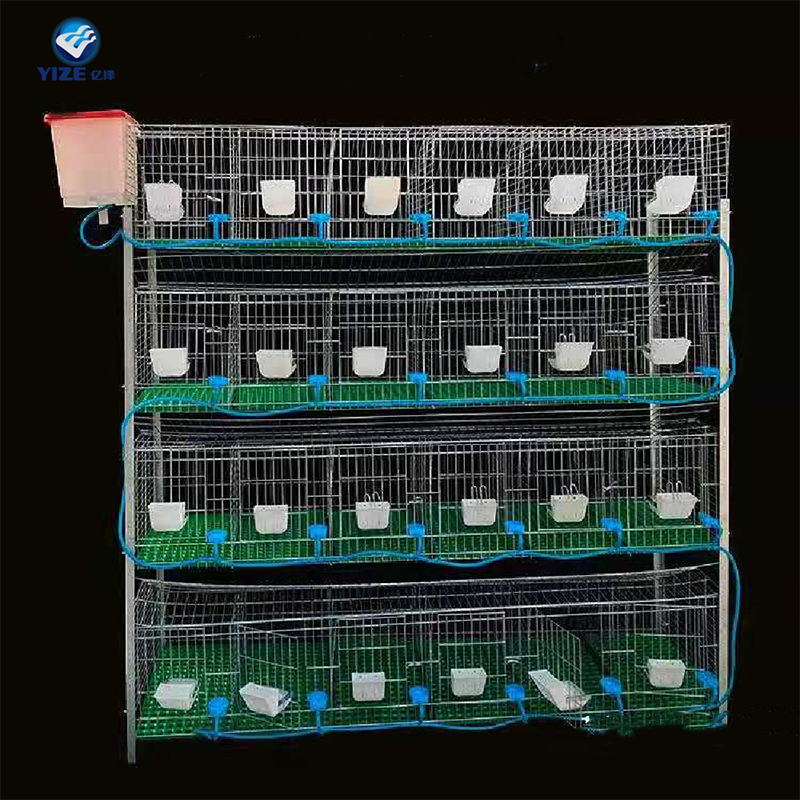
From 2011 to 2020, the focus shifted toward biological security. Farmers began adopting galvanized steel structures, replacing timber to combat termites and humidity, leading to the early adoption of the multi level rabbit cage for urban space optimization.

Since 2021, the market has entered the "Industrial Efficiency" phase, where automated feeding and specialized breeding houses, such as the modern farrowing house, are being integrated to reduce piglet mortality rates.

Future Development Trends

Climate-Resilient Housing

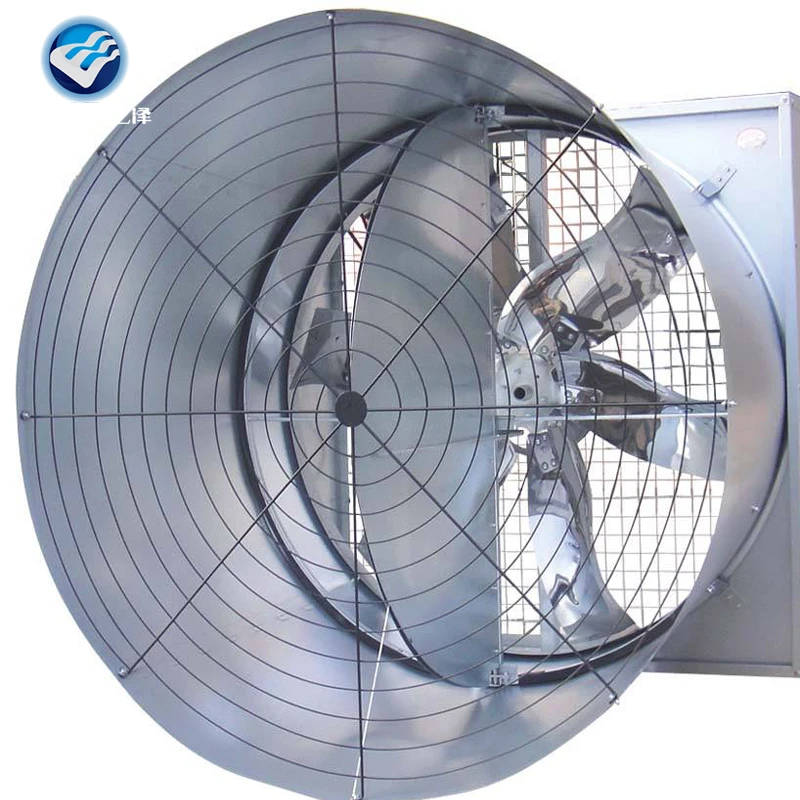
Development of ventilated, heat-reflective materials for poultry and pig houses to maintain optimal temperatures during South Sudan's intense heatwaves.

Waste-to-Value Integration

Integrating manure collection systems within cages to produce organic fertilizers, creating a circular economy for rural farmers.

Localized Feed Processing

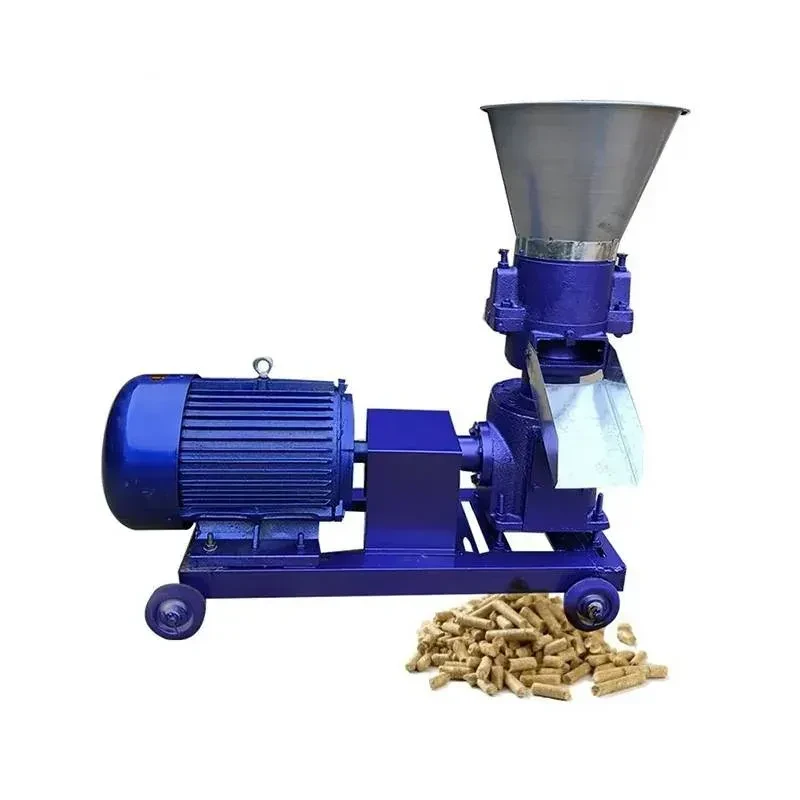
A surge in the adoption of small-scale, solar-powered feed cutting and pelleting machinery to reduce dependence on imported feed.

Industry Trends & Future Outlook 2025-2030

Strategic forecasting for livestock equipment based on regional growth data.

Modular Scaling
Shift toward prefabricated, modular cage systems that can be expanded as the farm grows without requiring new foundations.
Eco-Material Adoption
Increasing use of high-density polyethylene (HDPE) and anti-corrosive coatings to survive humid tropical environments.
Automated Feeding
Integration of automatic nipple drinkers and feed troughs to minimize water wastage and labor costs.
Value-Chain Localism
Establishing local hubs for egg tray production to support poultry farmers and reduce plastic waste.

Industry Outlook

Google search trends for "intensive livestock farming" and "automated animal housing" in the East African region show a consistent 15% year-on-year increase. This indicates a strong shift from subsistence farming to commercial agri-business in South Sudan.

The future outlook suggests that the integration of energy-efficient machinery, specifically those that can run on hybrid power systems, will dominate the market, allowing farms to remain operational despite unstable power grids.

Localized Application Scenarios in South Sudan

Practical implementations of livestock machinery tailored to regional needs.

01. Commercial Pig Breeding Centers in Juba

Implementing a specialized farrowing house for pigs to ensure high survival rates for piglets through temperature-controlled crates and hygienic flooring.

02. Urban Rabbit Farms in Wau

Utilizing the multi level rabbit cage to maximize protein production in limited urban spaces, providing a sustainable meat source for city dwellers.

03. Poultry Hubs in Bor

Installing a comprehensive cage house poultry system to optimize egg collection and prevent ground-borne diseases during the rainy season.

04. Local Feed Mills in Malakal

Deploying heavy-duty animal feed cutter machines to process local maize and sorghum into high-quality feed, reducing operational costs for farmers.

05. Egg Distribution Centers in Yambio

Setting up an egg tray production line to create biodegradable packaging, enabling farmers to ship eggs to distant markets without breakage.

Brand Story

Global Development Journey of Anping Yize Metal Products Co., Ltd.

Foundational Excellence

Started with a commitment to high-quality wire mesh and steel fabrication, focusing on durability for harsh agricultural environments.

Technological Pivot

Transitioned from simple cages to integrated livestock systems, incorporating ergonomic designs that prioritize animal welfare and farmer efficiency.

Global Expansion

Expanded operations into the African market, tailoring equipment to meet the specific climatic and economic challenges of emerging economies.

Innovation Milestone

Developed a suite of automated livestock machinery that reduces labor dependency and maximizes output per square meter.

Sustainable Mission

Our mission is to eradicate livestock inefficiency by providing affordable, industrial-grade equipment to every farmer globally.

Complete Livestock Equipment Portfolio for South Sudan

A comprehensive range of machinery designed for the South Sudanese agri-business ecosystem.

Livestock Machinery FAQ for South Sudan

Expert answers to the most common technical and operational questions.

How to maintain a multi level rabbit cage in high humidity?

Use hot-dip galvanized steel cages and ensure the cages are elevated from the ground to allow maximum airflow and prevent moisture buildup.

What is the capacity of a standard egg tray production line for small farms?

Our entry-level lines can produce between 1,000 to 3,000 trays per hour, making them ideal for regional cooperatives in South Sudan.

Does a cage house poultry system reduce disease transmission?

Yes, by separating birds from their waste and preventing contact with ground pests, the risk of coccidiosis and other parasites is significantly reduced.

What materials can be processed by an animal feed cutter?

The machine can process maize stalks, sorghum, grass, and other agricultural residues, turning them into manageable feed sizes for livestock.

How does a farrowing house for pigs improve piglet survival?

It provides a controlled environment that prevents the sow from accidentally crushing the piglets and ensures consistent warmth through heating lamps.

Are these machines easy to assemble in remote areas of South Sudan?

Our equipment is designed for modular assembly with detailed manuals and remote technical support to ensure easy setup regardless of location.

Get Your Custom Livestock Solution Today

Ready to industrialize your farm? Contact our experts for a tailored equipment quote delivered to South Sudan.

Contact Us Now

If you are interested in our products, you can choose to leave your information here, and we will be in touch with you shortly.