Industrial Livestock Equipment Solutions for Tanzania: High-Efficiency farrowing house for pigs

Empowering Tanzanian farmers with precision-engineered livestock machinery to maximize yield and optimize animal welfare in East Africa.

Industrial Livestock Equipment Solutions for Tanzania: High-Efficiency farrowing house for pigs

Our integrated livestock machinery suite is designed to withstand the tropical climate of Tanzania, providing scalable infrastructure from poultry housing to advanced swine management systems.

Livestock Manufacturing Landscape in Tanzania

Analyzing the intersection of traditional farming and industrialization in the Tanzanian agricultural sector.

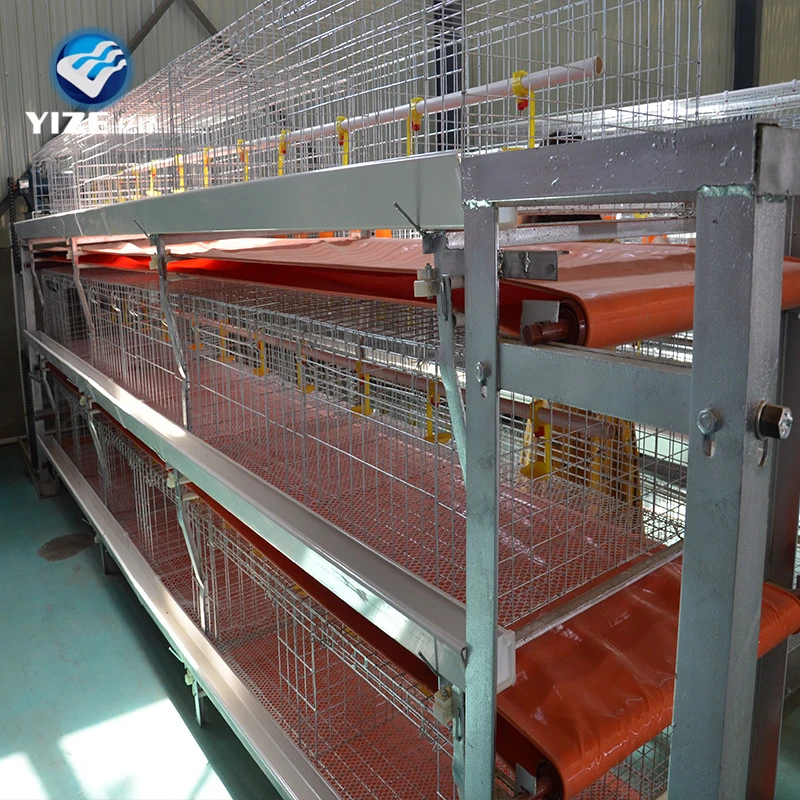
Tanzania's livestock sector is currently transitioning from subsistence farming to commercial production. In regions like Dodoma and Morogoro, there is a critical demand for durable cage house poultry systems that can mitigate the risks of disease and predation common in free-range setups.

The hot and humid climate of the coastal regions necessitates specialized ventilation and temperature control. This has led to a surge in the adoption of professional farrowing house for pigs designs that prevent piglet crushing and manage heat stress, ensuring higher survival rates for commercial herds.

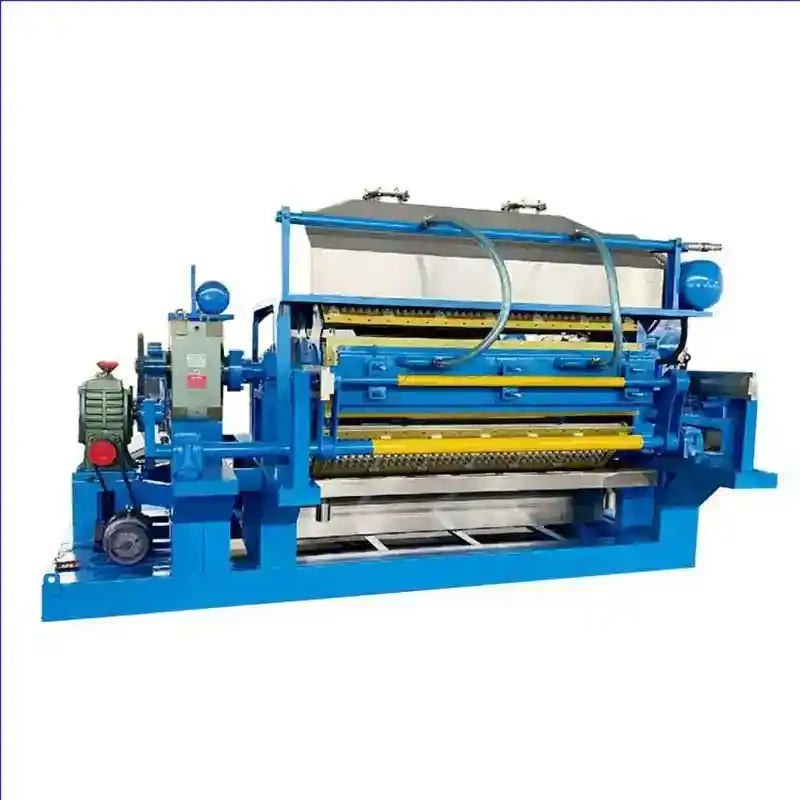
Furthermore, the growth of the egg industry in Dar es Salaam and Arusha has highlighted a bottleneck in packaging. Local producers are increasingly seeking an automated egg tray production line to replace fragile manual packaging and reduce post-harvest losses during transport across rugged terrain.
Evolution of Husbandry Technology in East Africa

From manual labor to mechanized precision: The trajectory of Tanzanian livestock equipment.

Market Development History

Before 2010, most Tanzanian livestock farms relied on locally fabricated wooden structures. Feed preparation was almost entirely manual, leading to inconsistent nutrition and high labor costs for small-scale holders.

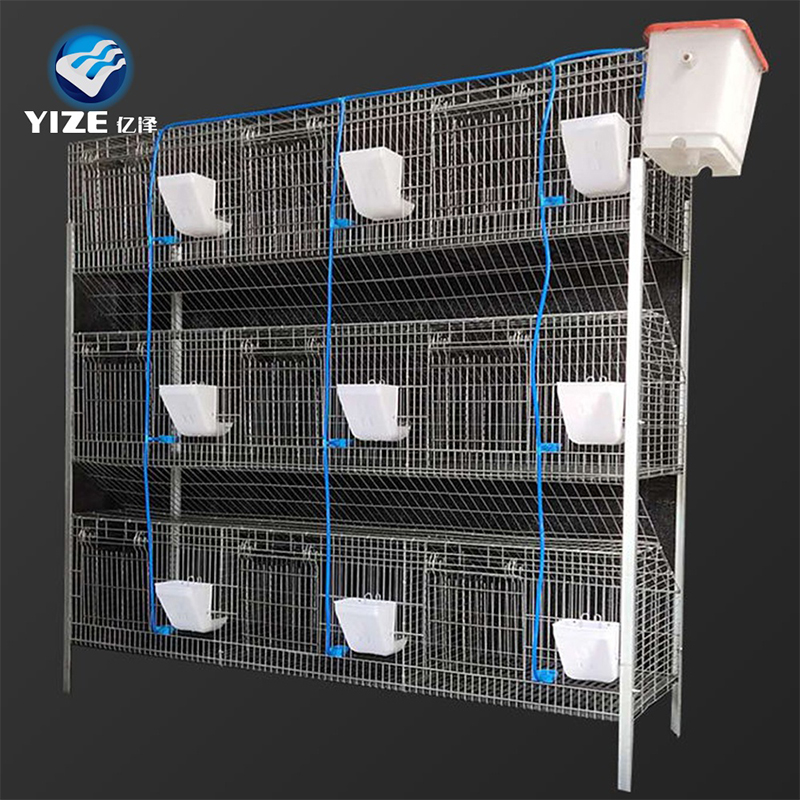
Between 2011 and 2018, the introduction of basic metal fabrication allowed for the first wave of multi level rabbit cage systems, optimizing vertical space in peri-urban farming areas to meet the rising demand for lean protein.

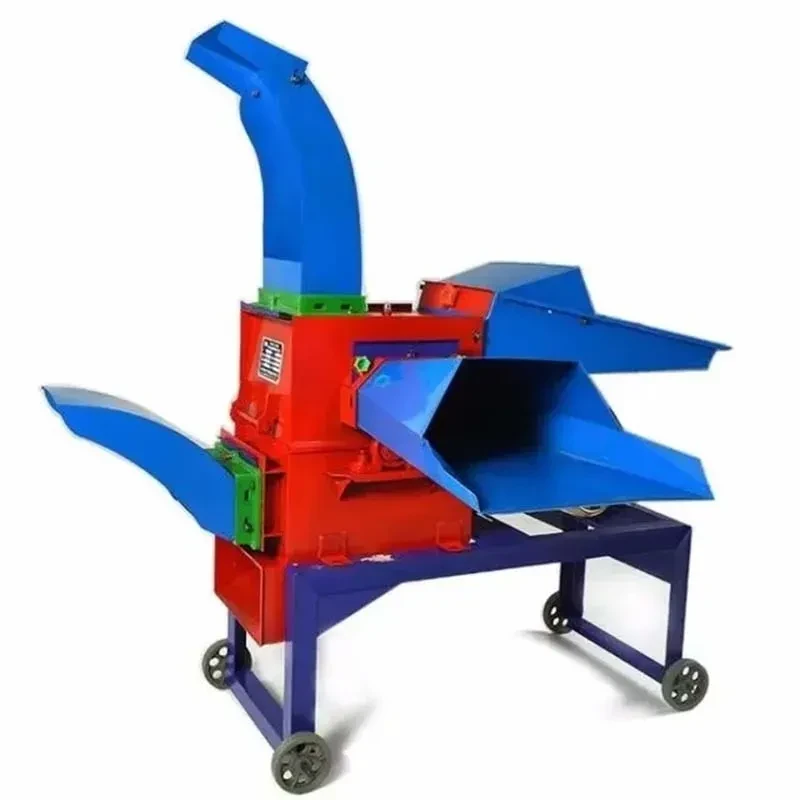
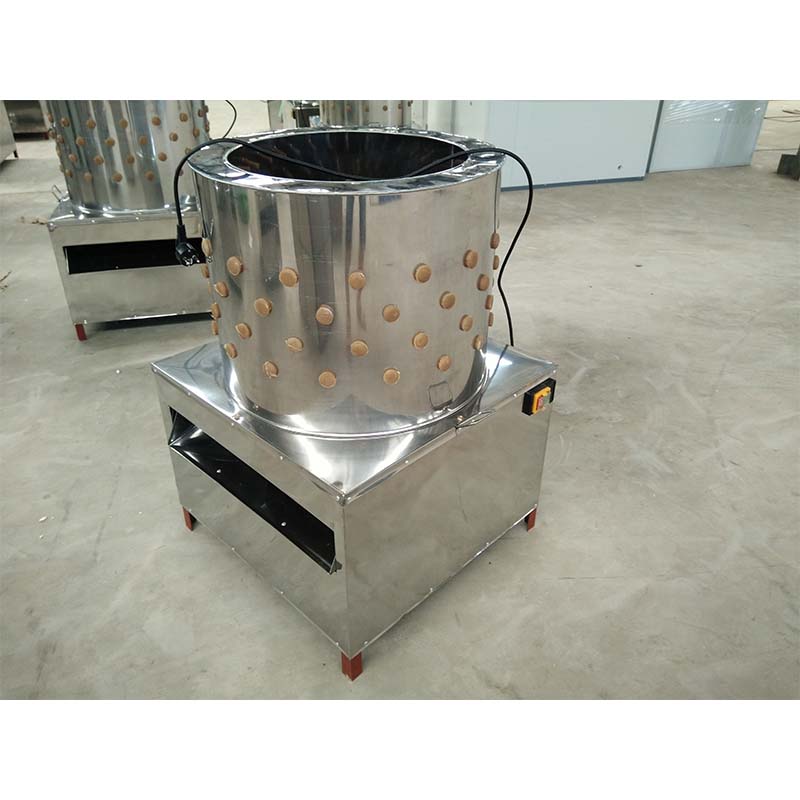
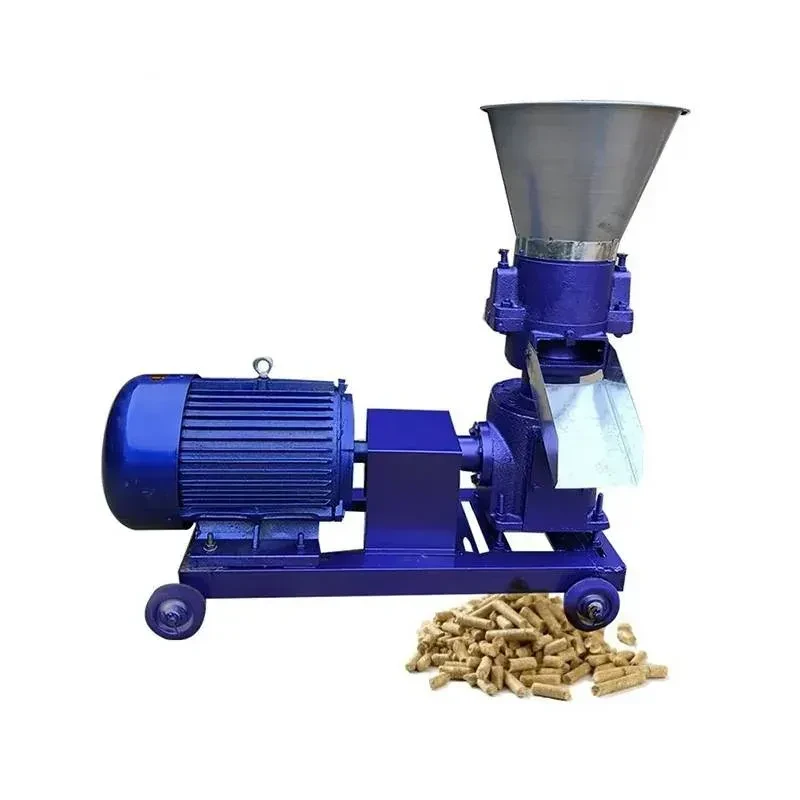
From 2019 to the present, there has been a shift toward full-cycle industrialization. The adoption of the animal feed cutter has revolutionized silage production, allowing farmers to process agricultural waste into high-quality fodder efficiently.

Future Development Trends

Climate-Adaptive Materials

Integration of galvanized anti-corrosion coatings to combat the high humidity of Tanzania's coastal zones, extending equipment lifespan by 40%.

Waste-to-Value Integration

Linking egg tray production line technology with recycled farm waste, creating a circular economy within the poultry farm.

Modular Expansion Units

The shift toward "plug-and-play" cage house poultry modules that allow farmers to scale their operations without disrupting existing flocks.

Industry Outlook and Strategic Forecast

Predicting the technological shifts in Tanzania's livestock machinery market for the next 5 years.

Automation Integration
Transitioning from manual feeding to automated delivery systems in large-scale swine and poultry houses.
Energy Efficiency
Developing solar-compatible animal feed cutter machines for off-grid rural farms.
Eco-Friendly Packaging
Expanding egg tray production line capacity using biodegradable pulp materials.
Vertical Space Optimization
Advanced multi level rabbit cage layouts to maximize urban livestock density.

Industry Outlook

Based on Google search trends in the East African region, there is a growing interest in "sustainable livestock farming" and "automated poultry systems." This indicates that the Tanzanian market is moving away from simple equipment toward integrated system solutions.

We expect a 15% annual increase in the demand for professional swine housing and feed processing machinery as the government of Tanzania continues to incentivize commercial livestock investment to ensure food security.

Localized Application Scenarios in Tanzania

Practical deployments of our machinery across diverse Tanzanian agricultural zones.

01. Urban Rabbit Farming in Dar es Salaam

Implementing multi level rabbit cage systems in limited urban spaces to provide high-protein meat for the city's growing population.

02. Commercial Egg Hubs in Arusha

Deploying full-scale egg tray production line systems to support large-scale poultry farms in packaging eggs for national distribution.

03. Integrated Poultry Complexes in Dodoma

Installing automated cage house poultry systems to maintain hygiene and optimize egg collection in the central highlands.

04. Modern Swine Breeding in Morogoro

Utilizing specialized farrowing house for pigs to improve piglet weaning rates and professionalize pork production.

05. Rural Fodder Processing in Mwanza

Providing the animal feed cutter to local cooperatives to process maize stalks and grass into nutrient-dense feed during the dry season.

Brand Story

Global Development Journey of Anping Yize Metal Products Co., Ltd.

Foundation and Local Mastery

Started as a specialized metal workshop, focusing on the structural integrity of livestock enclosures to solve the problem of premature cage corrosion.

Technological Diversification

Expanded from simple cages to complex production lines, introducing automated pulp molding for the global egg packaging market.

Global Standards Certification

Achieved international quality certifications, ensuring our equipment meets the rigorous safety and durability standards required for export to Africa.

African Market Penetration

Established strategic supply chains to Tanzania, tailoring our machinery to solve specific regional pain points like extreme humidity and power instability.

Vision for Sustainable Farming

Currently leading the transition toward eco-friendly livestock equipment, aiming to reduce the carbon footprint of animal husbandry worldwide.

Complete Livestock Equipment Portfolio for Tanzania

A one-stop shop for all your commercial animal husbandry needs, from feeding to packaging.

Tanzanian Farmer's Common Inquiries

Expert answers to the most frequent technical and logistical questions from our Tanzanian clients.

How to maintain a multi level rabbit cage in humid coastal areas of Tanzania?

We recommend our hot-dip galvanized coating which prevents rust in high-humidity environments. Regular cleaning with mild detergents and ensuring proper air circulation between levels are key.

What is the power requirement for an automated egg tray production line?

Our lines are available in various capacities. For Tanzanian rural areas, we offer voltage stabilizers and options for semi-automated systems that can operate with intermittent power supplies.

Can a cage house poultry system be customized for local Tanzanian breeds?

Yes, we can adjust the cage dimensions and nesting space to accommodate different bird sizes and breeds common in East Africa to ensure optimal comfort and egg laying.

How does a farrowing house for pigs improve piglet survival rates?

Our farrowing houses feature anti-crush rails and dedicated heat lamps for piglets, which prevents the sow from accidentally crushing the litter and manages newborn temperature.

What materials can the animal feed cutter process for Tanzanian fodder?

The machine is designed to handle a wide range of materials, including maize stalks, Napier grass, sorghum, and other agricultural residues common in Tanzania.

What is the shipping lead time for livestock equipment to Dar es Salaam?

Typically, production takes 15-30 days, followed by ocean freight to Dar es Salaam port. We provide full documentation for customs clearance in Tanzania.

Ready to Industrialize Your Farm?

Contact our expert engineers today for a customized livestock machinery quote tailored to the specific environmental conditions of Tanzania.

Contact Us Now

If you are interested in our products, you can choose to leave your information here, and we will be in touch with you shortly.