
Comprehensive Guide to Building a Pig Pen for Healthy Swine
Jan . 30, 2026 14:35 Back to list
Comprehensive Guide to Building a Pig Pen for Healthy Swine
Building a Pig Pen: A Comprehensive Guide
Building a secure and comfortable pig pen is essential for the health and well-being of your swine. A well-designed pen protects pigs from predators, provides a safe space for them to live and grow, and simplifies management tasks. This guide will walk you through the process of building a pig pen, covering everything from site selection and material choices to construction techniques and essential features. Proper planning and construction will ensure a long-lasting and functional enclosure for your livestock.
Choosing the Right Location for Your Pig Pen
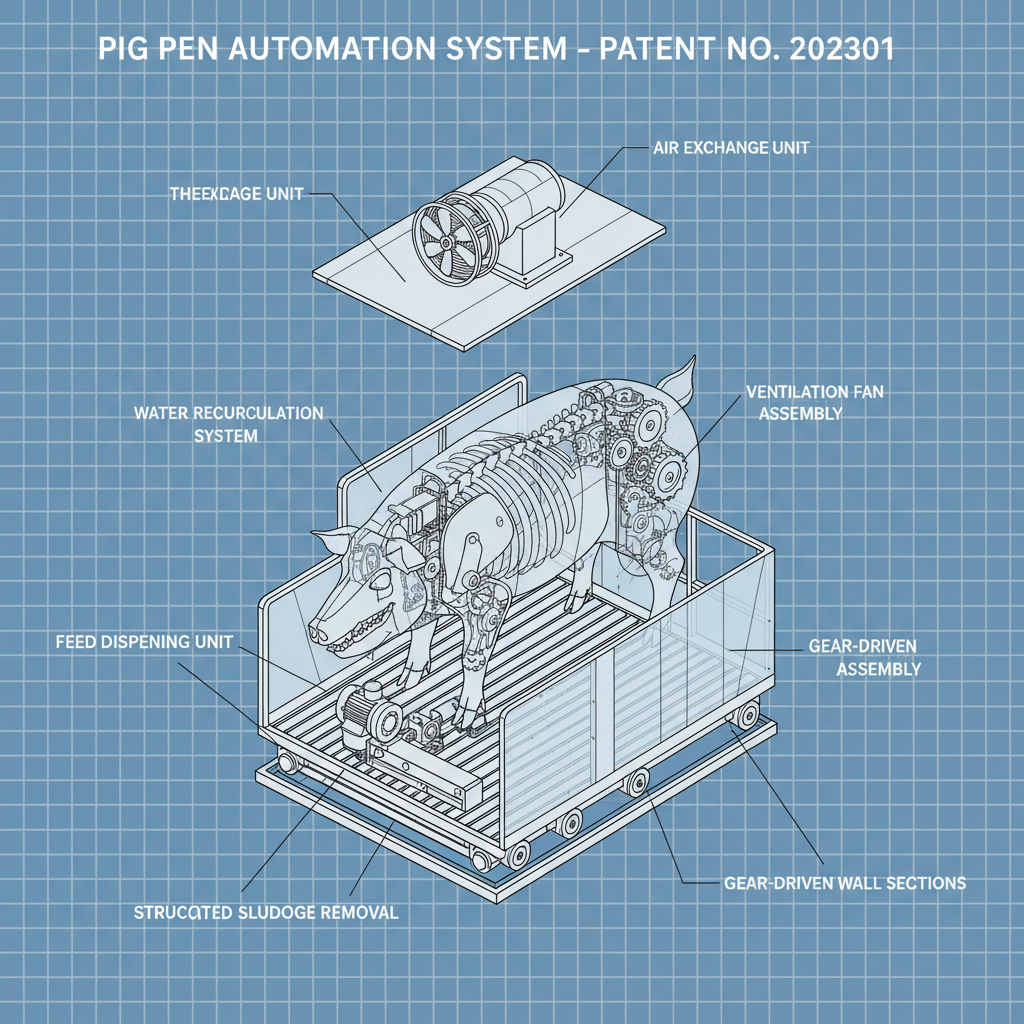
The location of your pig pen is crucial. Select a well-drained area to prevent mud and standing water, which can breed diseases. Avoid low-lying areas prone to flooding. Consider proximity to water and feed sources for convenience, but also ensure the pen is far enough from dwellings to minimize odor concerns. Partial shade is ideal to protect pigs from the sun, and natural windbreaks can offer protection from cold weather. Think about future expansion – leave room for potential growth in your herd. The chosen site should also have easy access for cleaning and maintenance.
Key Considerations: Drainage, proximity to resources, odor control, shade and wind protection, future expansion, and accessibility for maintenance.
Materials for Building a Pig Pen
Several materials can be used to build a pig pen. Wood is a common choice, but it can be expensive and requires regular maintenance. Woven wire fencing is a durable and cost-effective option, particularly when combined with sturdy posts. Concrete is very durable but also expensive and less flexible. Metal panels are a good alternative, offering durability and easier cleaning. Posts can be made of wood, metal, or concrete. Consider the size and strength of your pigs when choosing materials – larger breeds require more robust construction. You can find quality fencing materials at Yizemachine.
Material Options:
• Wood: Traditional, but requires maintenance.
• Woven Wire: Durable and cost-effective.
• Concrete: Very durable, but expensive.
• Metal Panels: Durable and easy to clean.
Building a Pig Pen: Step-by-Step Construction
The construction process involves several steps. First, install the posts, ensuring they are securely anchored in the ground. The spacing between posts will depend on the chosen fencing material and the size of your pigs. Next, attach the fencing material to the posts, using appropriate fasteners. Ensure the fencing is taut and secure to prevent pigs from escaping. Finally, build a gate for easy access. Reinforce the gate area to withstand the force of pigs pushing against it. Proper bracing is crucial for stability and longevity.
Essential Features for a Comfortable Pig Pen
Beyond the basic structure, consider adding features to enhance pig comfort and health. A shelter provides protection from the elements. A wallow – a mud pit – helps pigs regulate their body temperature. Adequate drainage is crucial to prevent mud and disease. A feeding and watering system should be easily accessible and kept clean. Consider adding enrichment items, such as old tires or logs, to provide mental stimulation. Regular cleaning and maintenance are essential for maintaining a healthy environment. Proper ventilation is also important to reduce ammonia buildup.
Choosing Between Different Pen Designs
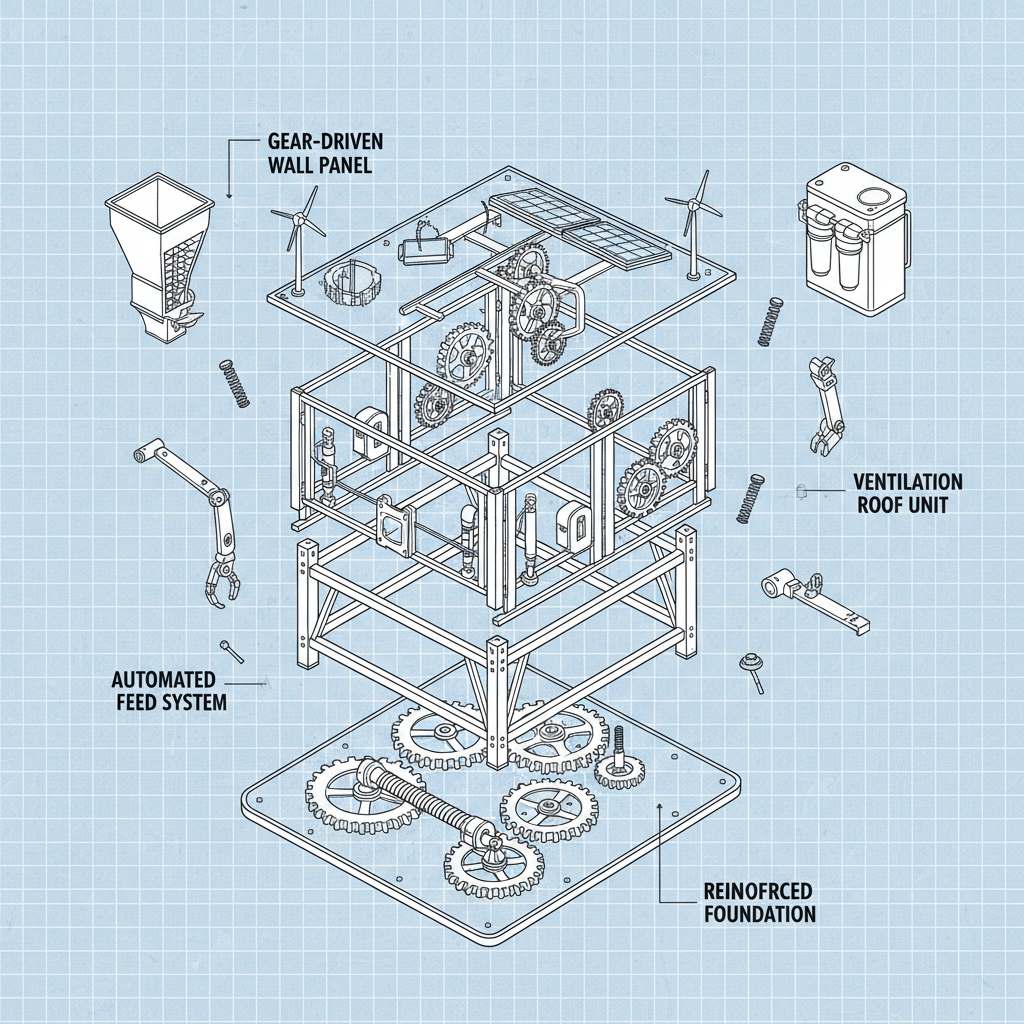
Pig pen designs vary depending on your needs and space. Individual pens provide more control over individual pigs, while group pens are more space-efficient. Semi-permanent pens are easier to move and reconfigure. Permanent pens offer maximum durability. Consider the size of your herd and your management practices when choosing a design. Also consider the climate – pens in colder climates may require more insulation and shelter. Here's a quick comparison:
Conclusion: Building for Pig Well-being
Building a proper pig pen requires careful planning and execution. By following these guidelines, you can create a safe, comfortable, and functional environment for your pigs. Remember to prioritize drainage, durable materials, and essential features like shelter and shade. For quality materials and tools for your pig pen project, visit Yizemachine. A well-built pen is an investment in the health and productivity of your livestock.
Frequently Asked Questions (FAQs)
What is the recommended size for a pig pen?
The recommended size depends on the number and size of the pigs. A general guideline is to provide at least 8-10 square feet of space per pig for smaller breeds and 12-15 square feet for larger breeds. For gestating sows, more space is required, around 20-25 square feet. Overcrowding can lead to stress, aggression, and increased risk of disease. It's always better to err on the side of providing more space than less.
How can I prevent pigs from rooting under the fence?
Pigs are natural rooters, so preventing them from going under the fence requires proactive measures. Bury the fence at least 6-12 inches deep, and consider adding a horizontal "kickboard" along the bottom of the fence made of wood or metal. This discourages pigs from attempting to dig under. Regularly inspect the fence line and repair any areas where pigs have started to dig. Adding enrichment items like logs or old tires can also redirect their rooting behavior.
What type of flooring is best for a pig pen?
Concrete flooring is durable and easy to clean, but it can be hard on pigs' joints. Dirt flooring is more comfortable, but requires careful management to prevent mud and disease. A combination of both – concrete in high-traffic areas like feeding and watering stations, and dirt or straw in resting areas – can be ideal. Good drainage is essential regardless of the flooring type. Straw bedding provides comfort and warmth, but needs to be replaced regularly to maintain hygiene.
-
Professional Mini Poultry Cage for Efficient Small Scale Farming
NewsApr.16,2026
-
Optimizing Poultry Production with Advanced Cage System Poultry
NewsApr.09,2026
-
Optimizing Layer Poultry Cages for Efficient and Profitable Egg Production
NewsApr.07,2026
-
Comprehensive Guide to Poultry Cages for Layers and Modern Farming Solutions
NewsApr.04,2026
-
Comprehensive Guide to Optimizing Poultry Laying Cages for Egg Production
NewsMar.31,2026
-
Maximize Egg Production with Efficient Poultry Layer Cage Systems
NewsMar.28,2026





 Afrikaans
 Albanian
 Amharic
 Arabic
 Armenian
 Azerbaijani
 Basque
 Belarusian
 Bengali
 Bosnian
 Bulgarian
 Catalan
 Cebuano
 Corsican
 Croatian
 Czech
Czech
 Danish
 Dutch
Dutch
 Esperanto
 Estonian
 Finnish
 French
 Frisian
 Galician
 Georgian
 German
 Greek
Greek
 Gujarati
 Haitian Creole
 Hausa
Hausa
 Hawaiian
 Hebrew
 Hindi
Hindi
 Miao
Miao
 Hungarian
 Icelandic
 Igbo
Igbo
 Indonesian
 Irish
Irish
 Italian
 Japanese
 Javanese
 Kannada
 Kazakh
 Khmer
Khmer
 Rwandese
 Korean
 Kurdish
 Kyrgyz
 Lao
Lao
 Latin
Latin
 Latvian
 Lithuanian
 Luxembourgish
 Macedonian
 Malgashi
 Malay
Malay
 Malayalam
 Maltese
 Maori
Maori
 Marathi
 Mongolian
 Myanmar
 Nepali
 Norwegian
 Norwegian
 Occitan
 Pashto
 Persian
 Polish
 Portuguese
 Punjabi
 Romanian
 Russian
 Samoan
 Scottish Gaelic
 Serbian
 Sesotho
 Shona
Shona
 Sindhi
 Sinhala
 Slovak
 Slovenian
 Somali
 Spanish
 Sundanese
 Swahili
 Swedish
 Tagalog
 Tajik
Tajik
 Tamil
Tamil
 Tatar
Tatar
 Telugu
 Thai
Thai
 Turkish
 Turkmen
 Ukrainian
 Urdu
Urdu
 Uighur
 Uzbek
Uzbek
 Vietnamese
 Welsh
Welsh
 Bantu
Bantu
 Yiddish
 Yoruba
 English