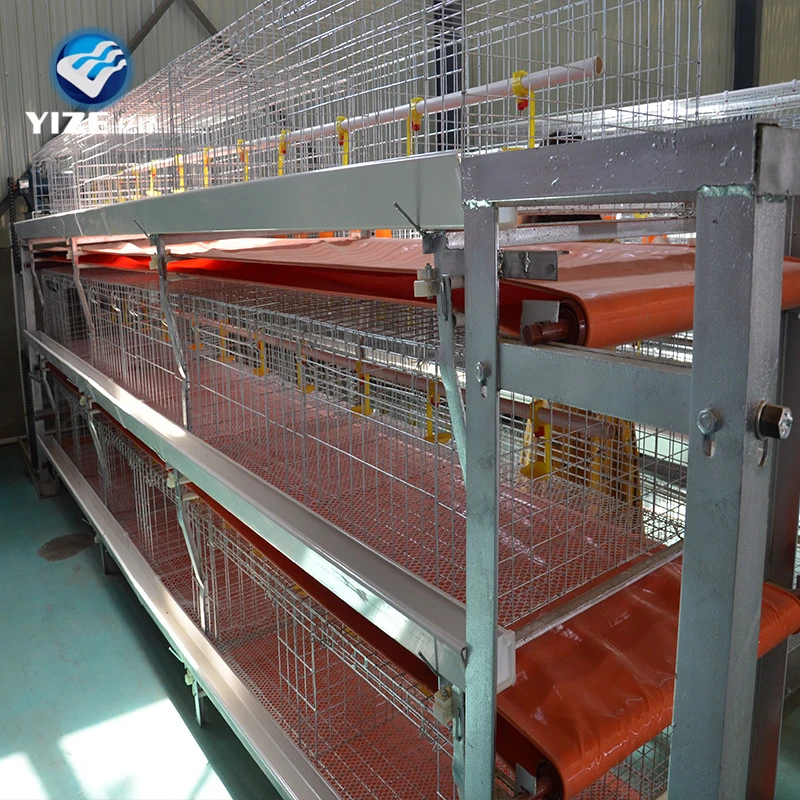
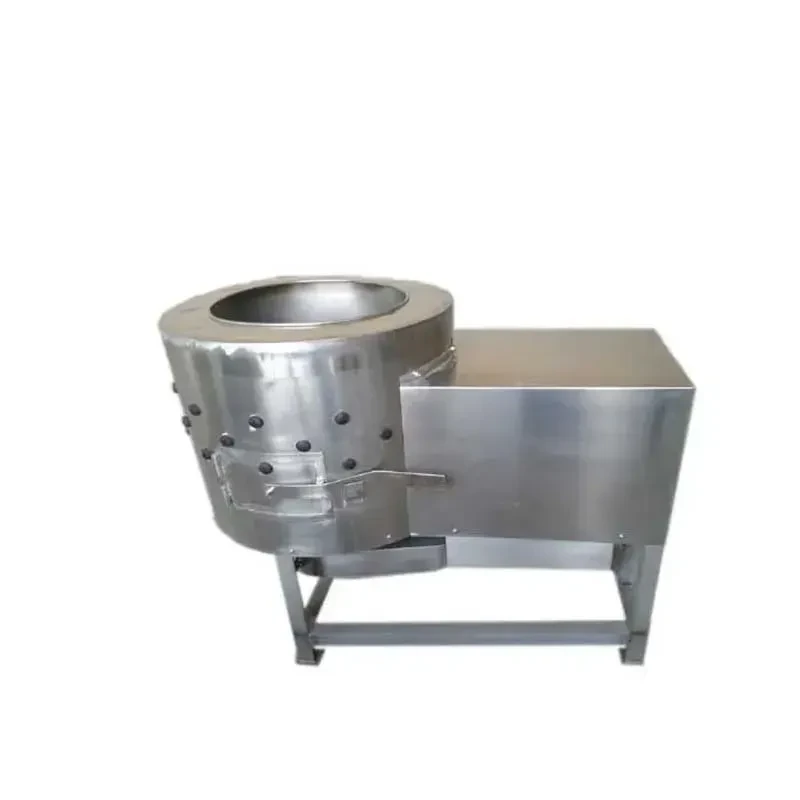
Belarus Industrial Livestock Solution with farrowing house for pigs

High-efficiency automated farming equipment engineered for the Belarusian climate and agricultural standards.

Belarus Industrial Livestock Solution with farrowing house for pigs

Optimizing livestock production in Belarus through precision engineering and automated housing systems designed for maximum yield and animal welfare.

Livestock Infrastructure Status in Belarus

Analyzing the current state of agricultural mechanization in Eastern Europe

Belarus maintains a robust agricultural sector, but many farms still rely on aging Soviet-era infrastructure. The transition toward modern cage house poultry systems is accelerating as the government pushes for higher food security and export quality to the EU and CIS markets.

The continental climate of Belarus, characterized by harsh winters, demands specialized insulation and heating integration within a farrowing house for pigs to ensure piglet survival rates and optimize growth cycles during the cold months.

Furthermore, there is a growing demand for localized processing and feed management. The adoption of an industrial animal feed cutter has become essential for small to medium enterprises to reduce operational costs by utilizing local biomass and forage.
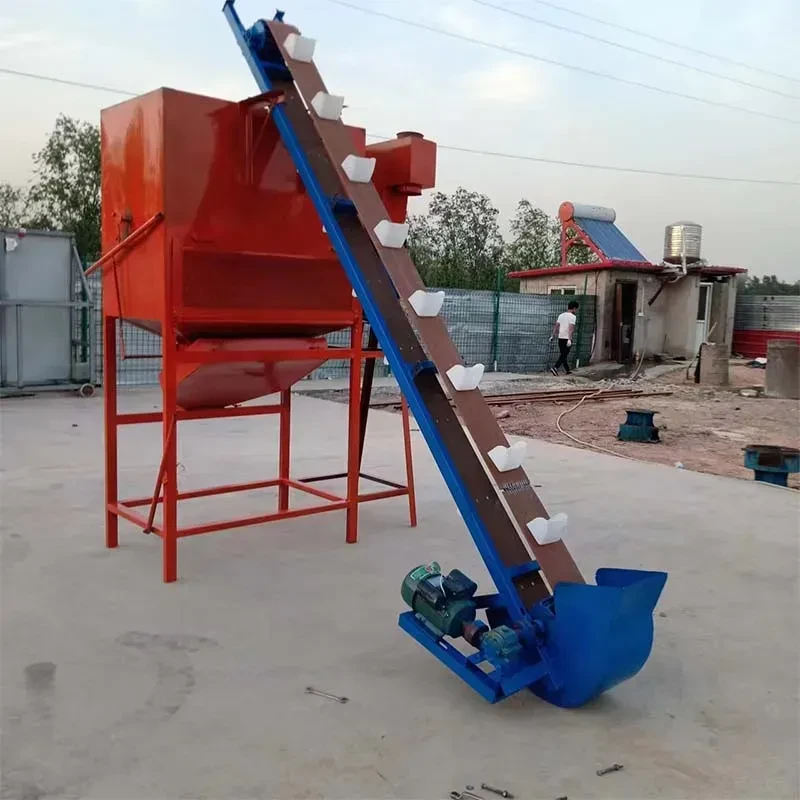
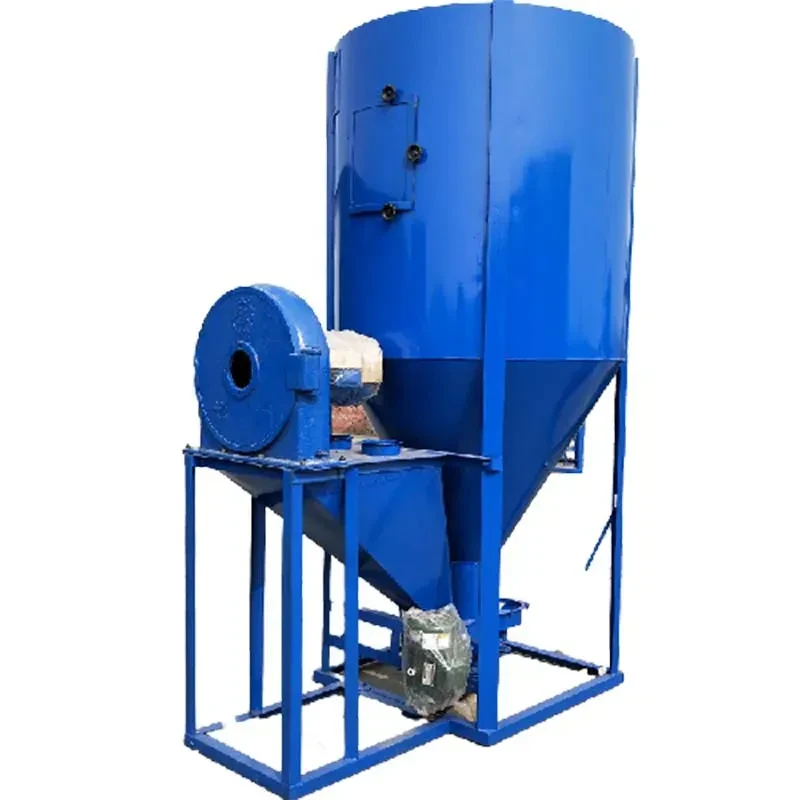
Evolution of Livestock Mechanization in Belarus

From manual labor to automated precision farming

Market Development History

Between 1990 and 2010, the Belarusian market was dominated by heavy, non-automated steel structures. Rabbit farming was largely decentralized, utilizing basic wooden cages with minimal sanitation controls.

From 2010 to 2020, a shift toward "Industrialization 1.0" occurred. This period saw the introduction of the first multi level rabbit cage systems, allowing farms to increase stocking density while improving waste management through inclined flooring.

Since 2020, the focus has shifted to integrated production lines. The emergence of the egg tray production line has enabled poultry farms to integrate vertical packaging, reducing dependence on imported packaging materials and lowering logistics costs.

Future Development Trends

IoT-Integrated Monitoring

Integration of sensors within poultry and pig housing to monitor humidity and temperature in real-time, specifically tailored for Belarus's volatile weather patterns.

Sustainable Material Usage

Shift toward galvanized, anti-corrosive materials that withstand the high humidity of the Belarusian plains, extending equipment lifespan by 30%.

Waste-to-Energy Cycles

Combining advanced feed cutting technology with biogas digesters to create a circular economy on the farm.

Industry Trends and Future Outlook

Strategic projections for the Belarusian animal husbandry sector

Vertical Scaling
Increasing livestock capacity per square meter through multi-tier cage designs.
Automation Integration
Reducing manual labor in feed distribution and egg collection processes.
Biosecurity Focus
Implementing strictly controlled environments to prevent livestock epidemics.
Precision Nutrition
Using precision cutters to optimize the nutrient density of animal fodder.

Industry Outlook

Google search trends in Eastern Europe indicate a sharp increase in queries for "automated poultry housing" and "efficient pig farming equipment," suggesting a shift from subsistence to commercial-scale livestock production in Belarus.

Within the next 3-5 years, the market will likely gravitate toward turnkey solutions that combine housing, feeding, and waste processing into a single integrated ecosystem to minimize operational downtime.

Localized Application Scenarios in Belarus

Practical implementations of livestock machinery across Belarusian regions

1. Large-scale Poultry Complexes in Minsk Region

Implementation of fully automated cage house poultry systems with integrated climate control to maintain stable egg production during winter temperature drops.

2. Specialized Rabbit Farms in Brest Region

Deployment of multi level rabbit cage setups to maximize meat production in limited indoor spaces, utilizing automatic drinking nipples for hygiene.

3. Industrial Pig Breeding in Vitebsk

Installation of climate-controlled farrowing house for pigs to increase weaning rates and ensure newborn piglet warmth in northern climates.

4. Integrated Egg Production Centers

Combining poultry housing with an on-site egg tray production line to create a complete value chain from egg laying to retail packaging.

5. Small-scale Feed Processing Units

Equipping family-owned farms with high-capacity animal feed cutter machines to process local grains and silage into digestible animal feed.

Brand Story

Global Development Process of Anping Yize Metal Products Co., Ltd.

Foundational Engineering

Started with a commitment to solving the durability issues of livestock cages, focusing on high-strength galvanized steel.

Technological Pivot

Expanded from simple cages to complex automated systems, integrating feeding and cleaning mechanisms.

Global Market Entry

Successfully exported livestock solutions to Eastern Europe, adapting designs to withstand extreme continental climates.

Quality Standardization

Achieved international certifications to ensure all equipment meets strict animal welfare and safety standards.

Sustainable Future

Now focusing on eco-friendly materials and energy-efficient automation to reduce the carbon footprint of global farming.

Belarus Livestock Equipment FAQ

Technical answers for regional farming challenges

How to choose a multi level rabbit cage for Belarusian winters?

For Belarus, we recommend cages with reinforced galvanized coatings to prevent rust from high indoor humidity and layouts that allow for easy installation of infrared heating panels.

What is the capacity of a standard egg tray production line?

Our production lines are scalable, ranging from small-scale manual setups to fully automatic lines producing thousands of trays per hour, depending on your poultry farm's output.

Are cage house poultry systems compliant with EU welfare standards?

Yes, our modern poultry houses are designed with increased spacing, ergonomic feeders, and automated ventilation to meet international animal welfare guidelines.

What makes a farrowing house for pigs efficient in cold regions?

Efficiency is achieved through zoned heating—where the sow stays cool while the piglets have a dedicated warm creep area—reducing energy costs and mortality.

Can an animal feed cutter handle tough Belarusian silage?

Our cutters feature high-carbon steel blades designed specifically for high-density forage and silage common in Eastern European agriculture.

What is the maintenance cycle for galvanized livestock equipment?

Due to the high-quality galvanization, structural components typically require only annual inspections, while automated moving parts should be lubricated every 3-6 months.

Get Your Custom Livestock Solution

Contact our engineering team for a tailored equipment layout designed specifically for the agricultural environment of Belarus.

Contact Us Now

If you are interested in our products, you can choose to leave your information here, and we will be in touch with you shortly.