Automatic slaughter lines represent a significant advancement in food processing, particularly within the meat industry. Globally, the demand for protein is steadily increasing, driven by population growth and changing dietary habits. This demand necessitates efficient and hygienic methods for processing livestock. An automatic slaughter line addresses these needs by streamlining the slaughtering process, reducing labor costs, and enhancing food safety standards. The benefits extend from large-scale commercial operations to smaller, regional processing facilities, impacting food security and economic viability.
The implementation of automatic slaughter lines isn't just about increased efficiency; it's about responding to critical concerns surrounding animal welfare and public health. Traditional slaughtering methods can be labor-intensive and prone to inconsistencies, potentially leading to contamination risks. Modern automated systems, designed with precision and hygiene in mind, minimize human contact and ensure a more controlled and standardized process. This translates to a safer and more reliable food supply for consumers worldwide.
Understanding the complexities of automatic slaughter lines, from their core components to their future innovations, is crucial for stakeholders across the entire food supply chain – from farmers and processors to regulators and consumers. This knowledge empowers informed decision-making and promotes responsible practices within the industry.
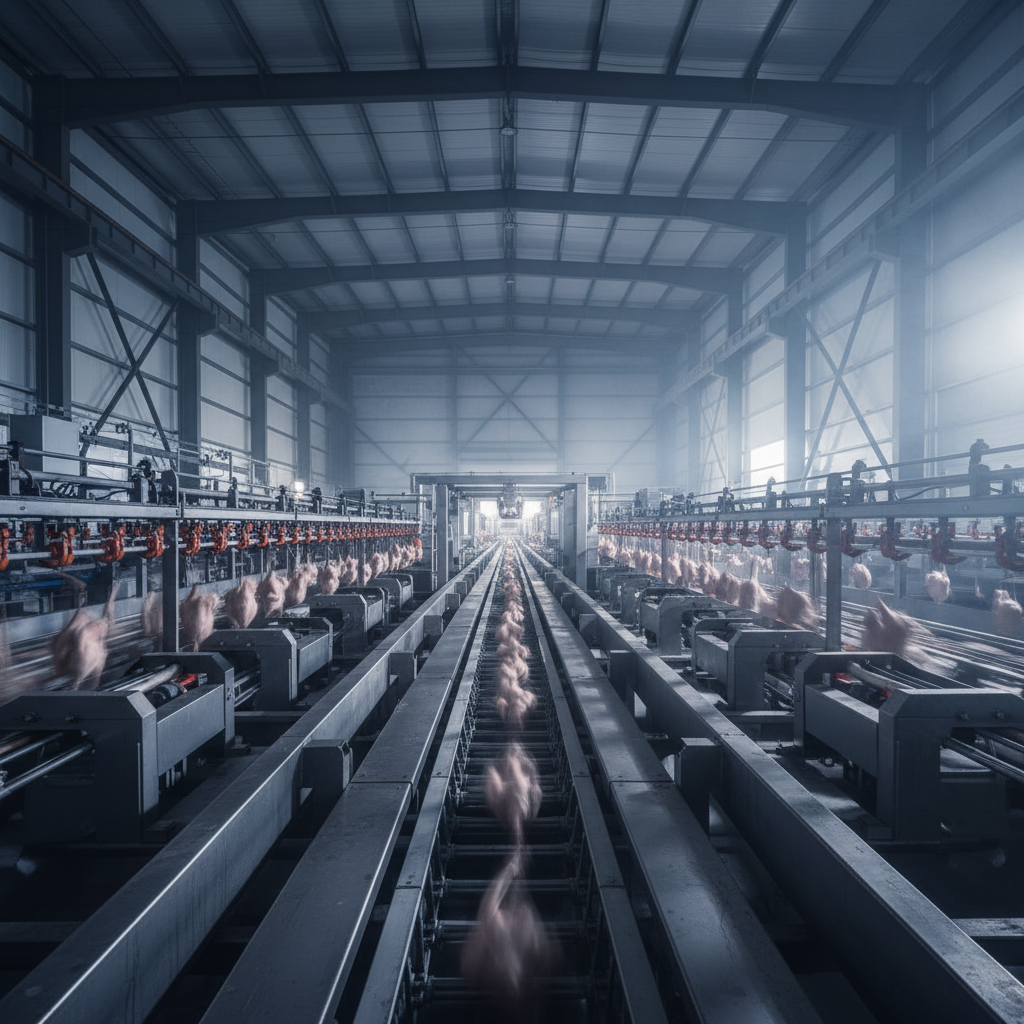
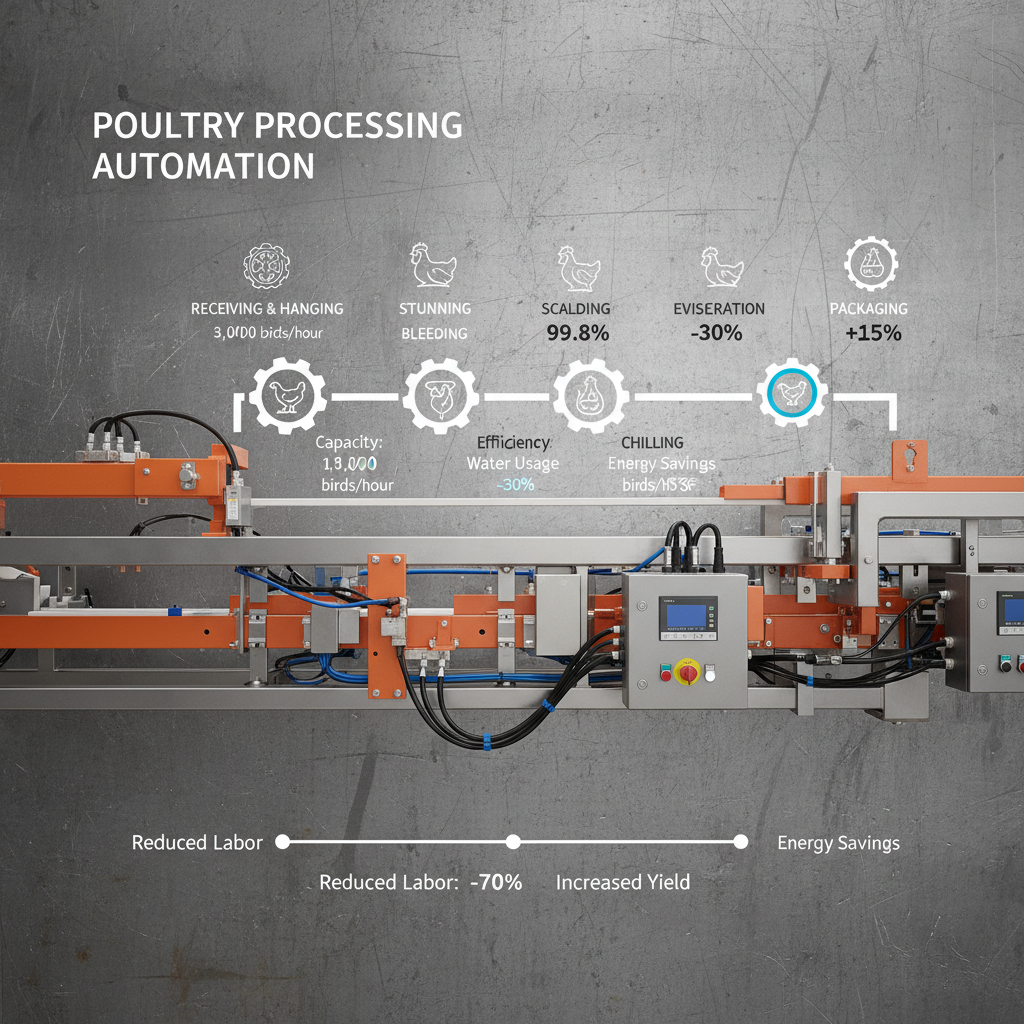
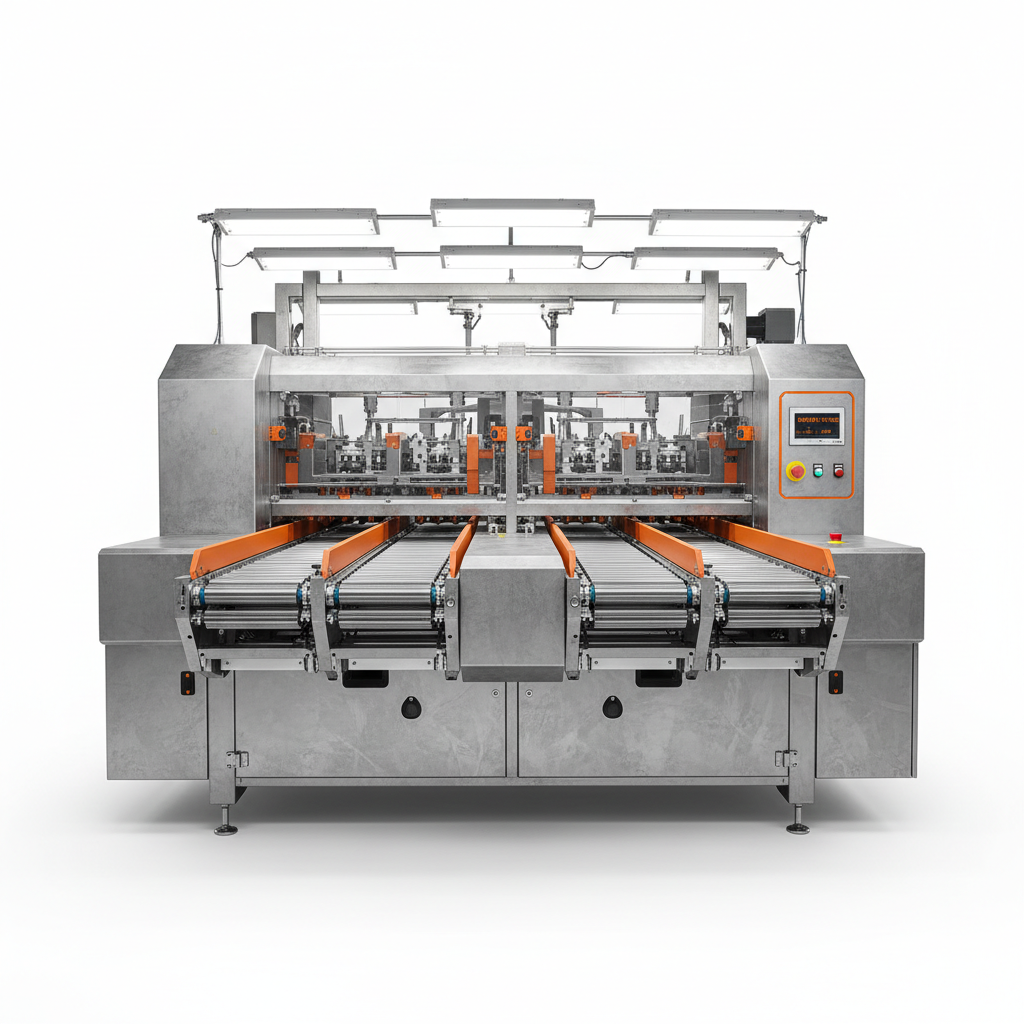
An automatic slaughter line represents a complete, integrated system for processing animals from stunning to carcass chilling. It leverages automation to replace manual labor in many stages, increasing throughput, reducing contamination risks, and ensuring consistent product quality. This level of automation significantly impacts the efficiency and scalability of meat processing facilities.
The core aim of implementing an automatic slaughter line is to minimize human intervention while upholding stringent hygiene and welfare standards. The systems are designed for a range of livestock, including poultry, pigs, cattle, and sheep, with tailored solutions available for different species and processing volumes.
The payback period varies significantly based on factors such as processing volume, existing labor costs, and the level of automation implemented. However, many facilities experience a payback period of 3-5 years due to reduced labor expenses, increased throughput, and minimized product loss. Thorough cost-benefit analysis is crucial.
Modern automatic slaughter lines prioritize humane stunning methods designed to minimize animal suffering. Automation also reduces handling stress and ensures consistent application of welfare protocols. Many systems now incorporate monitoring and control features to verify effective stunning and bleeding.
While automated, these lines require trained technicians for operation, maintenance, and troubleshooting. Manufacturers typically provide comprehensive training programs. Ongoing maintenance, including regular inspections and preventative repairs, is essential for optimal performance and longevity.
Hygiene is paramount. Automatic lines are designed for easy cleaning and sanitation, utilizing materials that resist bacterial growth. Regular cleaning and disinfection protocols, combined with proper waste management systems, are essential for maintaining food safety standards. Compliance with HACCP principles is critical.
Yes, most manufacturers offer customizable solutions tailored to specific livestock types (poultry, pigs, cattle, sheep). This includes adjustments to stunning methods, processing speeds, and equipment configurations to optimize efficiency and ensure humane handling for each species.
Regulatory requirements vary significantly by country and region. Compliance with local food safety regulations, animal welfare standards, and environmental laws is essential. Obtaining necessary permits and approvals before installation and ongoing inspections are typically required.
Automatic slaughter lines represent a transformative force in the meat processing industry, offering significant advantages in terms of efficiency, hygiene, food safety, and sustainability. They address critical global challenges related to protein demand, animal welfare, and environmental impact. Embracing this technology is not merely an operational upgrade; it’s an investment in a more responsible and resilient food system.
Looking ahead, continued innovation in automation, AI, and sustainable practices will further enhance the value of automatic slaughter lines. Processors who proactively adopt these technologies will be best positioned to meet the evolving demands of consumers and regulators, ensuring long-term success in a competitive market. To learn more about implementing a solution tailored to your needs, visit our website: www.yizemachine.com






 Afrikaans
 Albanian
 Amharic
 Arabic
 Armenian
 Azerbaijani
 Basque
 Belarusian
 Bengali
 Bosnian
 Bulgarian
 Catalan
 Cebuano
 Corsican
 Croatian
 Czech
Czech
 Danish
 Dutch
Dutch
 Esperanto
 Estonian
 Finnish
 French
 Frisian
 Galician
 Georgian
 German
 Greek
Greek
 Gujarati
 Haitian Creole
 Hausa
Hausa
 Hawaiian
 Hebrew
 Hindi
Hindi
 Miao
Miao
 Hungarian
 Icelandic
 Igbo
Igbo
 Indonesian
 Irish
Irish
 Italian
 Japanese
 Javanese
 Kannada
 Kazakh
 Khmer
Khmer
 Rwandese
 Korean
 Kurdish
 Kyrgyz
 Lao
Lao
 Latin
Latin
 Latvian
 Lithuanian
 Luxembourgish
 Macedonian
 Malgashi
 Malay
Malay
 Malayalam
 Maltese
 Maori
Maori
 Marathi
 Mongolian
 Myanmar
 Nepali
 Norwegian
 Norwegian
 Occitan
 Pashto
 Persian
 Polish
 Portuguese
 Punjabi
 Romanian
 Russian
 Samoan
 Scottish Gaelic
 Serbian
 Sesotho
 Shona
Shona
 Sindhi
 Sinhala
 Slovak
 Slovenian
 Somali
 Spanish
 Sundanese
 Swahili
 Swedish
 Tagalog
 Tajik
Tajik
 Tamil
Tamil
 Tatar
Tatar
 Telugu
 Thai
Thai
 Turkish
 Turkmen
 Ukrainian
 Urdu
Urdu
 Uighur
 Uzbek
Uzbek
 Vietnamese
 Welsh
Welsh
 Bantu
Bantu
 Yiddish
 Yoruba
 English