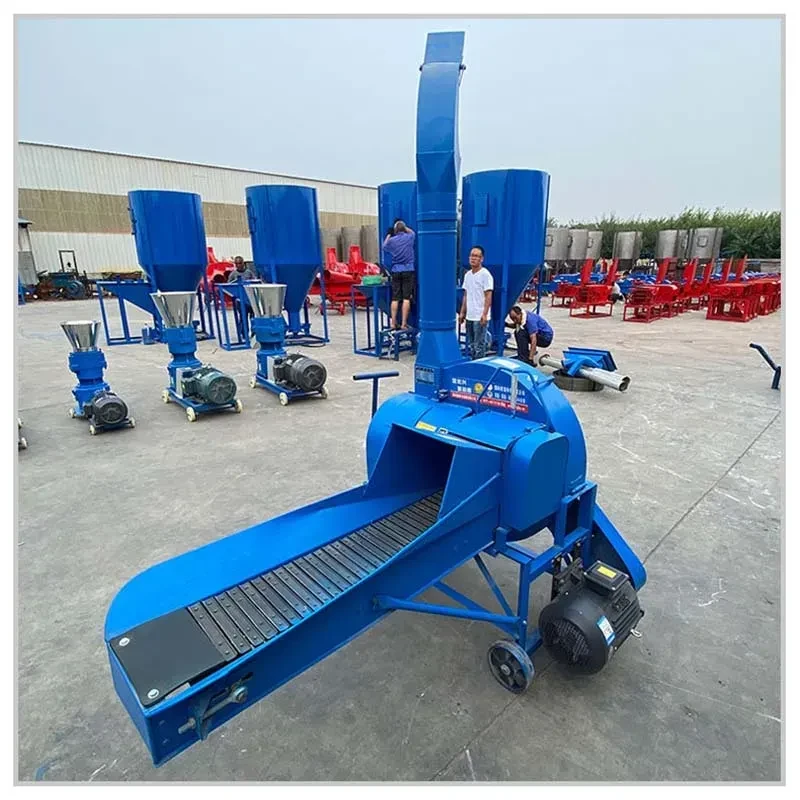
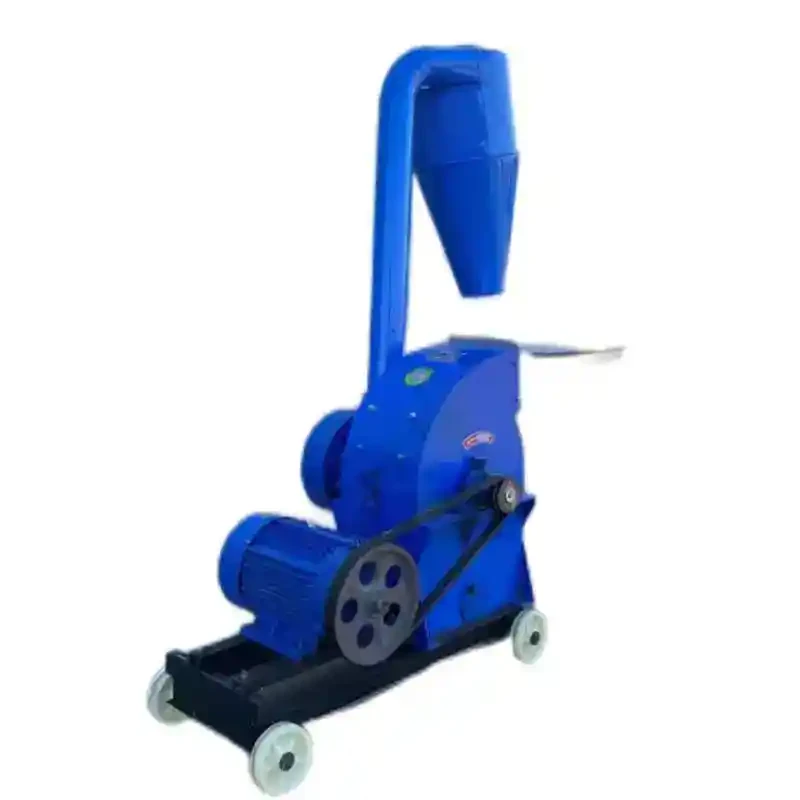
In North Korea, the livestock sector is currently transitioning from subsistence-based methods to organized collective production. The geographical diversity, from mountainous terrains to coastal plains, requires versatile equipment like the animal feed cutter to process varied local biomass into nutritious fodder.
Climate challenges, particularly harsh winters, have created a critical demand for enclosed, temperature-controlled environments. This has led to the increasing adoption of the farrowing house for pigs to reduce piglet mortality and ensure steady meat production throughout the year.
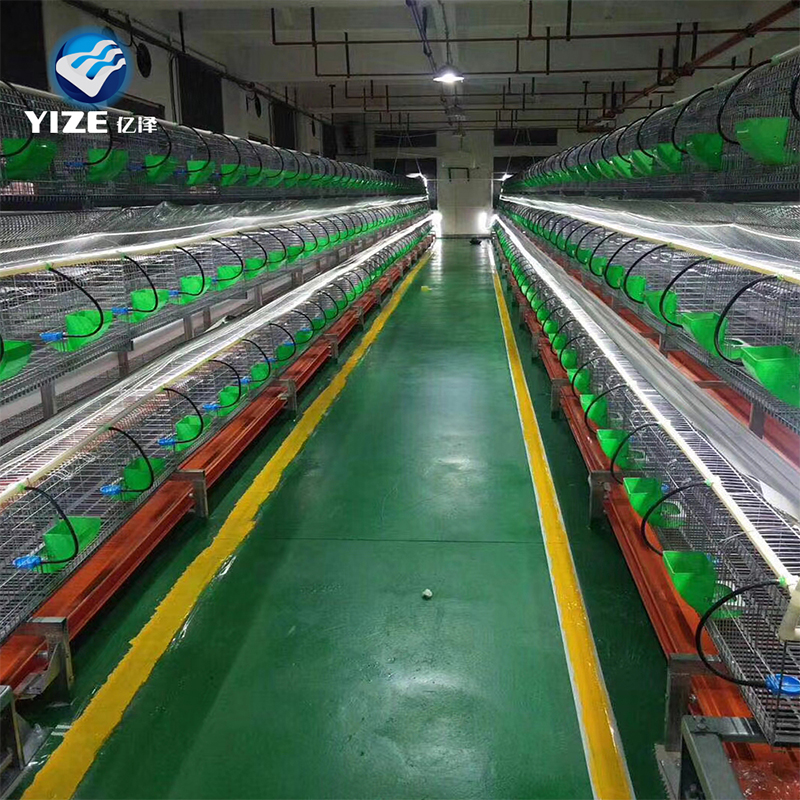
The drive for self-sufficiency in protein production is pushing the market toward vertical intensification. Implementing a multi level rabbit cage system allows small-scale cooperatives to maximize limited land space while maintaining strict hygiene standards.