Advanced Livestock Infrastructure Solutions for farrowing house for pigs in Zambia

Empowering Zambian farmers with high-efficiency, climate-resilient livestock housing and feed processing automation to maximize yield and animal welfare.

Advanced Livestock Infrastructure Solutions for farrowing house for pigs in Zambia

Integrating precision engineering with local agricultural needs, our comprehensive equipment range ensures sustainable livestock production across Zambia's diverse provinces.

Current State of Livestock Equipment in Zambia

Analyzing the transition from subsistence farming to commercial livestock scalability.

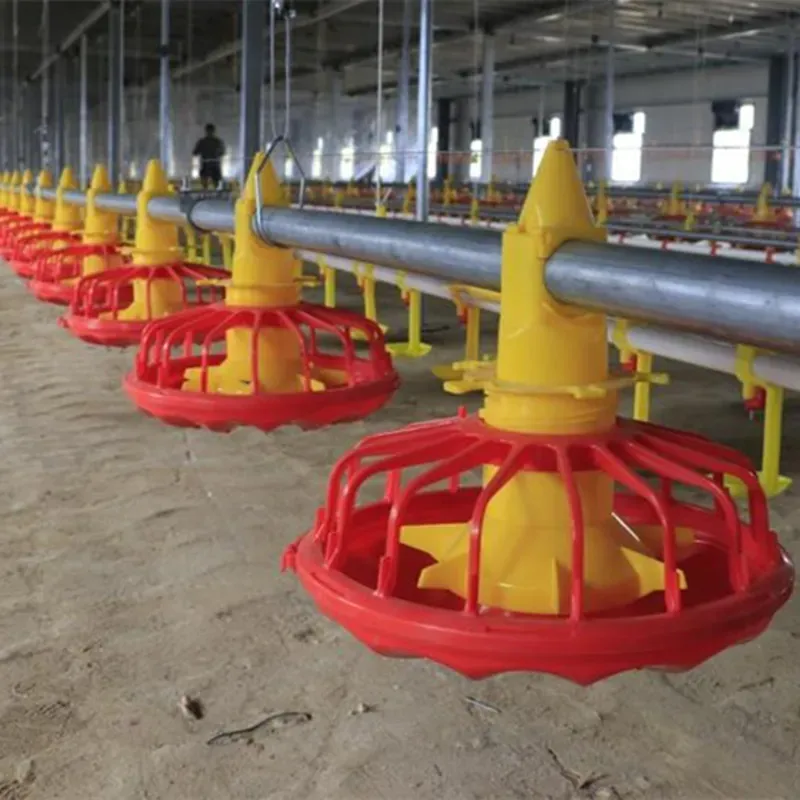
Zambia's livestock sector is currently experiencing a shift toward intensification. However, many farmers still rely on rudimentary housing, which leads to high mortality rates in piglets and poultry. The adoption of a professional cage house poultry system is becoming a priority to combat local avian diseases and optimize space in peri-urban areas.

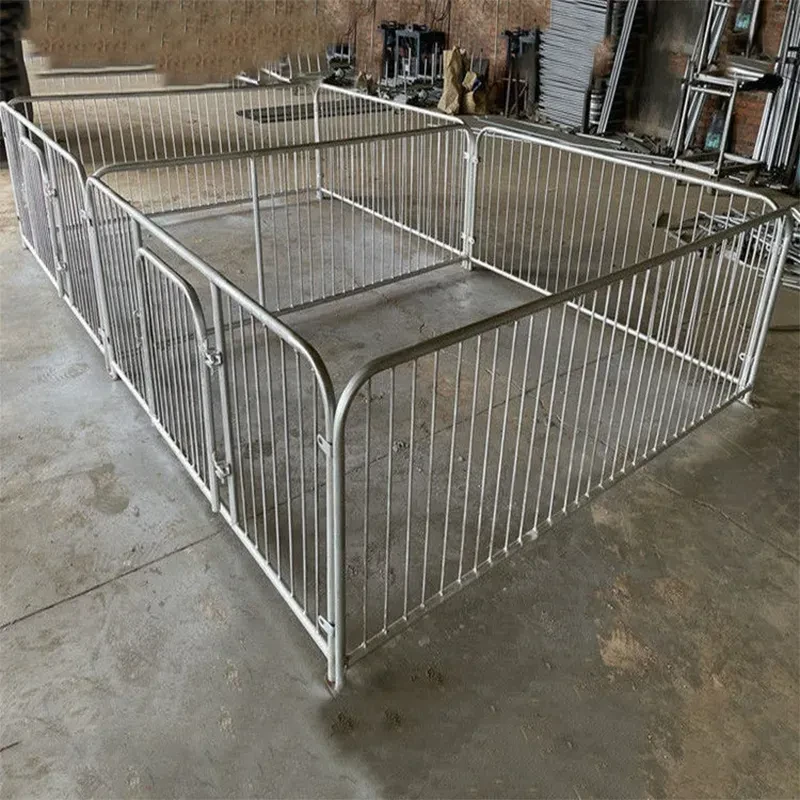
Environmental challenges, particularly the extreme heat during the dry season, necessitate specialized equipment. There is a growing demand for a structured farrowing house for pigs that can regulate temperature and prevent crushing, ensuring higher survival rates for litters in the Copperbelt and Southern provinces.

Furthermore, the lack of localized processing for feed and packaging is a bottleneck. While farmers produce eggs in large quantities, the absence of an efficient egg tray production line often leads to high breakage during transport to Lusaka markets, highlighting a critical gap in the value chain.
Evolution and Growth Trajectory of Zambian Animal Husbandry

From traditional grazing to automated precision farming.

Market Development History

Before 2010, Zambian livestock farming was predominantly based on free-range systems and manual feeding. Equipment was limited to basic wooden structures and hand-mixed feed, resulting in low productivity and inconsistent growth cycles.

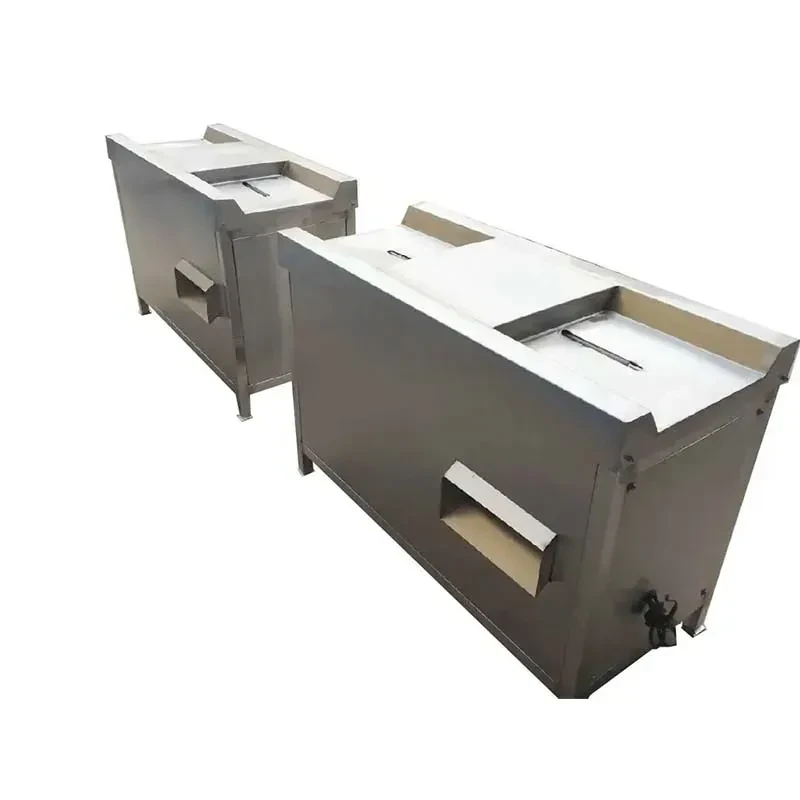
Between 2011 and 2020, the introduction of semi-automated systems began. Farmers started importing basic animal feed cutter machines to reduce labor costs and improve the nutritional consistency of forage, marking the first step toward mechanization.

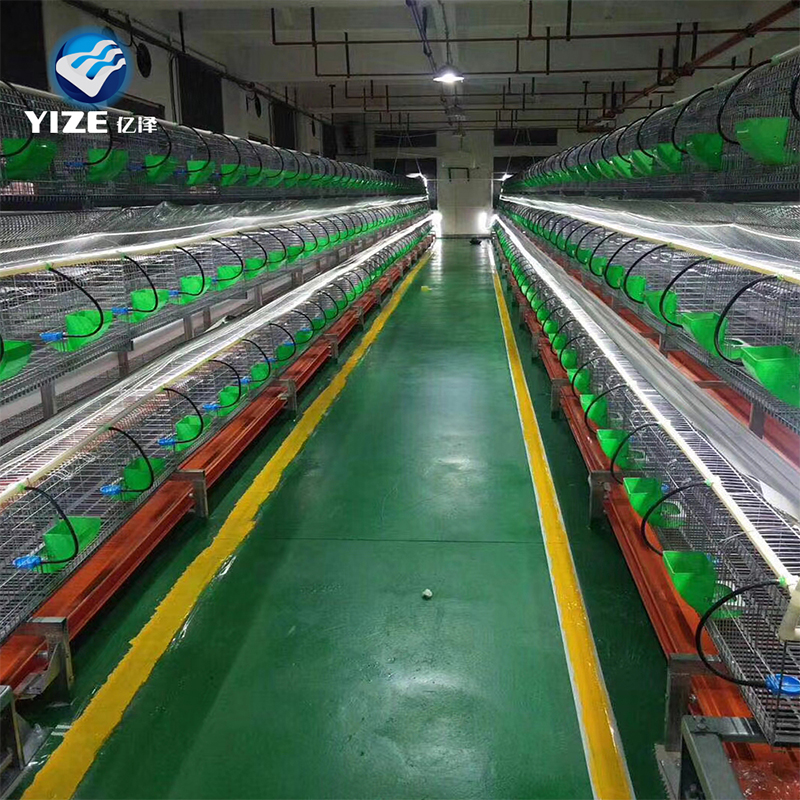
From 2021 to the present, there has been a surge in "smart farming." The integration of multi level rabbit cage systems has allowed small-scale farmers to utilize vertical space, transforming rabbitry into a viable commercial venture for protein security.

Future Development Trends

Climate-Controlled Automation

Integration of IoT sensors within poultry and pig housing to automatically adjust ventilation based on Zambia's humidity and temperature swings.

Circular Economy Integration

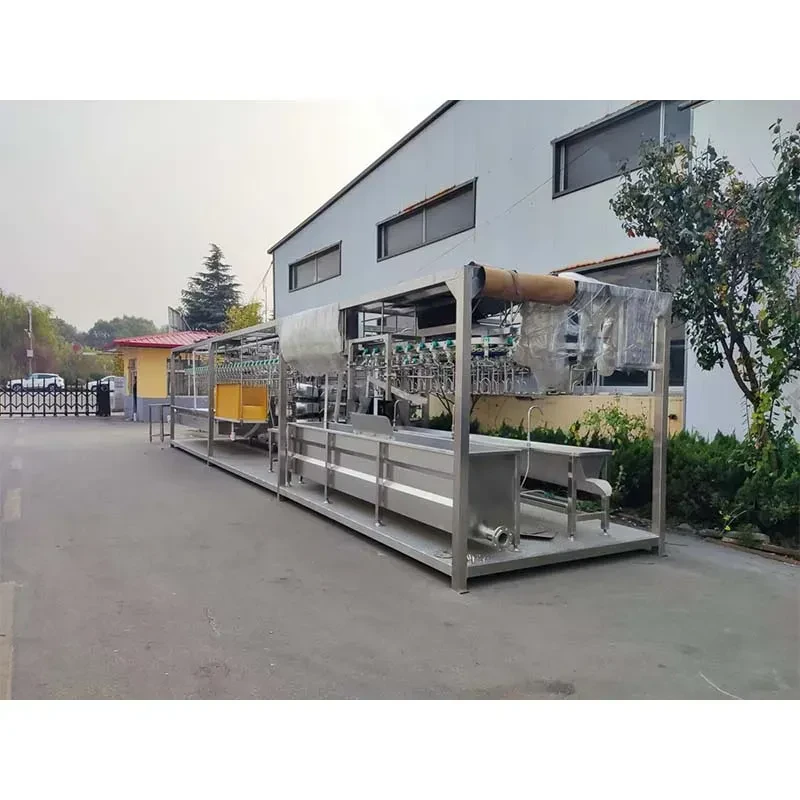
Expanding the use of waste-to-resource lines, where livestock waste is processed into materials for the egg tray production line, reducing environmental impact.

Precision Nutrition Systems

Evolution of the animal feed cutter into fully integrated feed mills that customize nutrient ratios for different growth stages of livestock.

Future Trends and Strategic Outlook

Predicting the technological landscape of Zambian livestock manufacturing for 2025-2030.

Vertical Space Optimization
Widespread adoption of multi-tier systems to increase stocking density without compromising animal welfare.
Automated Waste Management
Implementing conveyor-based cleaning systems in poultry and pig houses to reduce labor and disease risk.
Sustainable Material Usage
Shift toward corrosion-resistant galvanized alloys suited for the humid Zambian rainy season.
Energy-Efficient Processing
Adoption of solar-powered feed cutters and egg tray lines to mitigate electricity instability.

Industry Outlook

Based on Google search trends in the Southern African region, there is a marked increase in queries for "low-cost automated farming." This indicates that Zambian farmers are moving away from purely manual labor and seeking scalable industrial components that offer a fast return on investment.

The future will be defined by "Modular Livestock Architecture." Instead of static buildings, we expect a rise in modular cage and farrowing units that can be expanded as the farm grows, allowing for flexible capital expenditure.

Local Application Scenarios in Zambia

Real-world implementation of livestock machinery across different Zambian agricultural zones.

1. Commercial Egg Production in Lusaka

Implementing a high-capacity cage house poultry system combined with an on-site egg tray production line to reduce logistics costs and breakage for urban supply chains.

2. Small-scale Rabbitry in Central Province

Utilizing the multi level rabbit cage to maximize protein output in limited backyard spaces, providing a sustainable income source for rural households.

3. Intensive Pig Farming in Copperbelt

Installing a professional farrowing house for pigs with integrated heating and crushing bars to increase weaning rates in commercial swine operations.

4. Community Feed Centers in Southern Province

Deploying industrial-grade animal feed cutter machines to process local maize and soy, reducing dependency on expensive imported commercial feeds.

5. Integrated Livestock Hubs in North-Western Province

Creating a mixed-farming facility that combines poultry cages and pig farrowing units, sharing a centralized feed cutting and processing station for operational efficiency.

Brand Story

Global Development Journey of Anping Yize Metal Products Co., Ltd.

Foundation and Local Focus

Started as a specialized metal workshop, focusing on the core pain point of livestock housing durability and hygiene.

Technical Iteration

Developed patented galvanization processes to ensure that cages could withstand the harshest environmental conditions globally.

Expansion into Automation

Diversified from simple cages to complete production lines, integrating feed processing and packaging solutions.

Global Market Penetration

Established strategic supply chains to Africa, specifically targeting Zambia's growing demand for professional livestock equipment.

Mission for Sustainability

Committed to eradicating livestock waste and inefficiency by providing affordable, high-tech equipment to emerging markets.

Zambia Livestock Equipment FAQ

Addressing common technical and logistical queries from local farmers.

How to choose the right multi level rabbit cage for small spaces?

For small spaces, we recommend our vertical galvanized steel systems which maximize cubic area while ensuring proper ventilation and waste removal, essential for the Zambian climate.

What is the capacity of a standard egg tray production line for local markets?

Our lines range from semi-automatic to fully automatic, capable of producing 1,000 to 5,000 trays per hour, depending on the module selected to fit your production scale.

Are cage house poultry systems suitable for Zambia's high temperatures?

Yes, our systems are designed with open-mesh ventilation and are compatible with evaporative cooling pads to keep poultry stress-free during the hot season.

How does a farrowing house for pigs improve piglet survival rates?

By providing a dedicated creep area and crushing bars, our farrowing houses prevent the sow from accidentally crushing piglets and ensure a warm environment for newborns.

Can an animal feed cutter process local Zambian forage like maize stalks?

Absolutely. Our cutters are engineered with high-torque motors and reinforced blades specifically to handle tough, fibrous local materials into uniform sizes.

What maintenance is required for galvanized livestock equipment?

Due to the high-quality galvanization, maintenance is minimal. Regular cleaning with water and checking the structural joints every six months is usually sufficient.

Ready to Upgrade Your Farm?

Contact our engineering team today for a customized livestock machinery layout designed specifically for the agricultural conditions in Zambia.

Contact Us Now

If you are interested in our products, you can choose to leave your information here, and we will be in touch with you shortly.