Advanced Livestock Infrastructure for Pakistan: cage house poultry Solutions

Optimizing animal husbandry productivity across Punjab and Sindh with high-efficiency automated equipment and durable housing systems.

Advanced Livestock Infrastructure for Pakistan: cage house poultry Solutions

Integrating sustainable engineering and precise animal nutrition management to scale poultry and livestock farming in Pakistan's diverse climatic regions.

Current State of Livestock Equipment in Pakistan

Analyzing the transition from traditional farming to industrialized husbandry

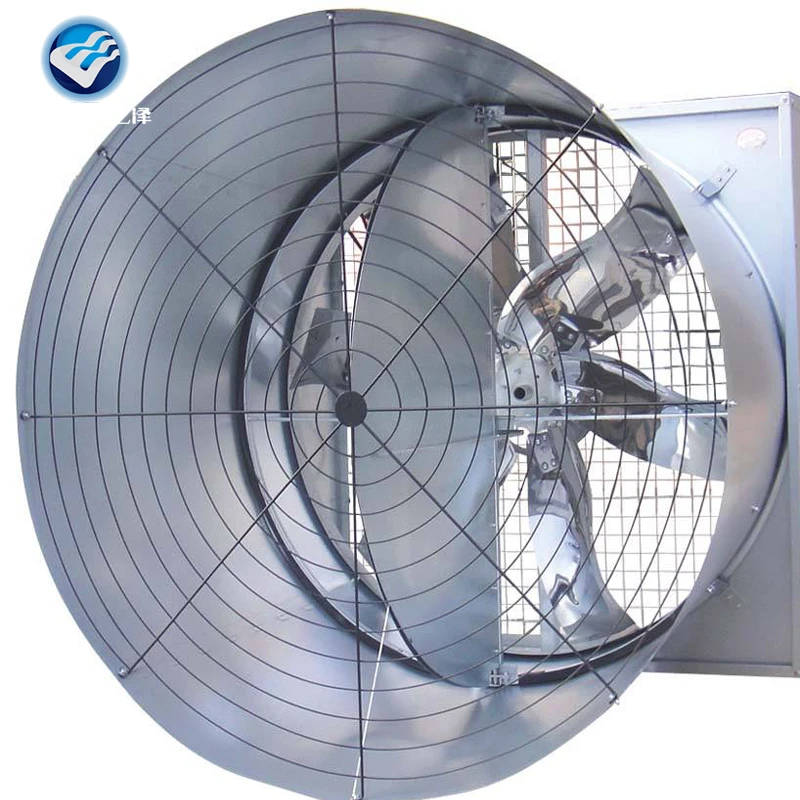
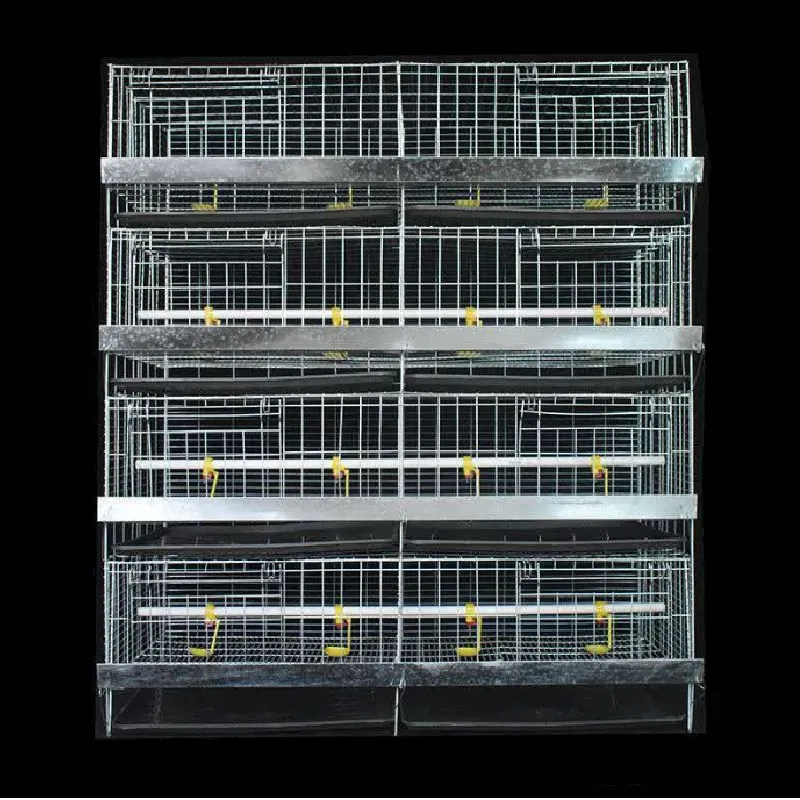
In Pakistan, the livestock sector is a pillar of the agrarian economy, yet many farms still rely on fragmented, manual systems. The extreme heat in regions like Sindh necessitates advanced climate-controlled environments, making the adoption of a professional cage house poultry system critical for reducing mortality rates during summer peaks.

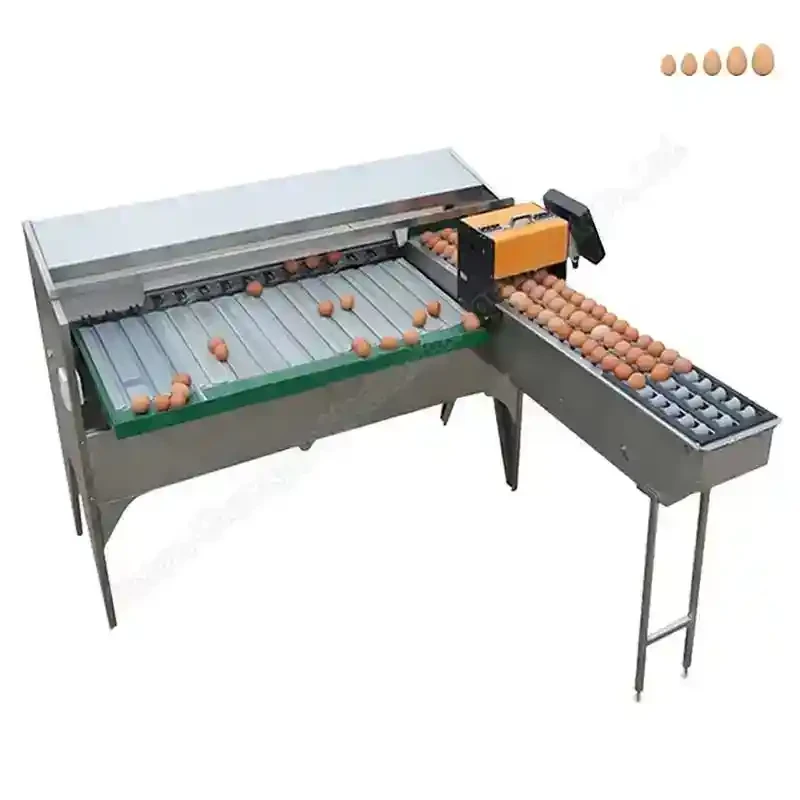
The rise of commercial egg production has led to an urgent demand for specialized packaging. Currently, there is a significant gap in local manufacturing for high-capacity egg tray production line setups, forcing many producers to rely on expensive imports or inefficient manual packing methods.

Furthermore, small-scale farmers are increasingly looking for space-saving solutions to maximize land utility. The introduction of the multi level rabbit cage is transforming rabbitry from a hobby into a viable commercial protein source in rural communities.
Evolution of Husbandry Technology in Pakistan

From rudimentary enclosures to precision engineering

Market Development History

Between 2000 and 2010, Pakistani livestock farming was dominated by open-floor systems and manual feeding, which led to high waste and disease susceptibility. The focus was primarily on survival rather than optimized growth rates.

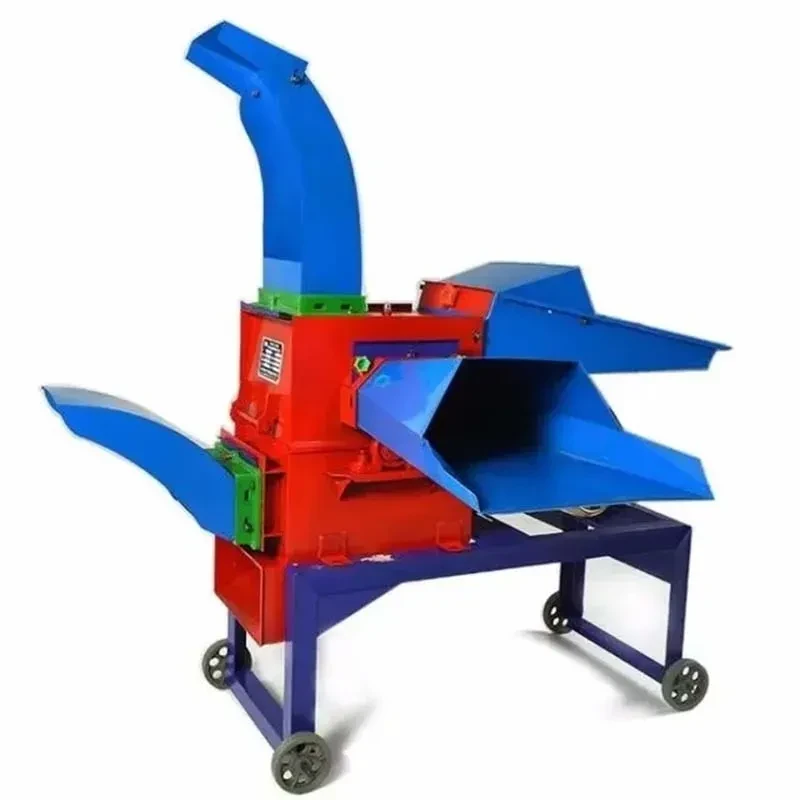
From 2011 to 2020, a shift toward semi-automation occurred. The introduction of the animal feed cutter allowed farmers to process local fodder more efficiently, improving the nutritional intake of cattle and goats.

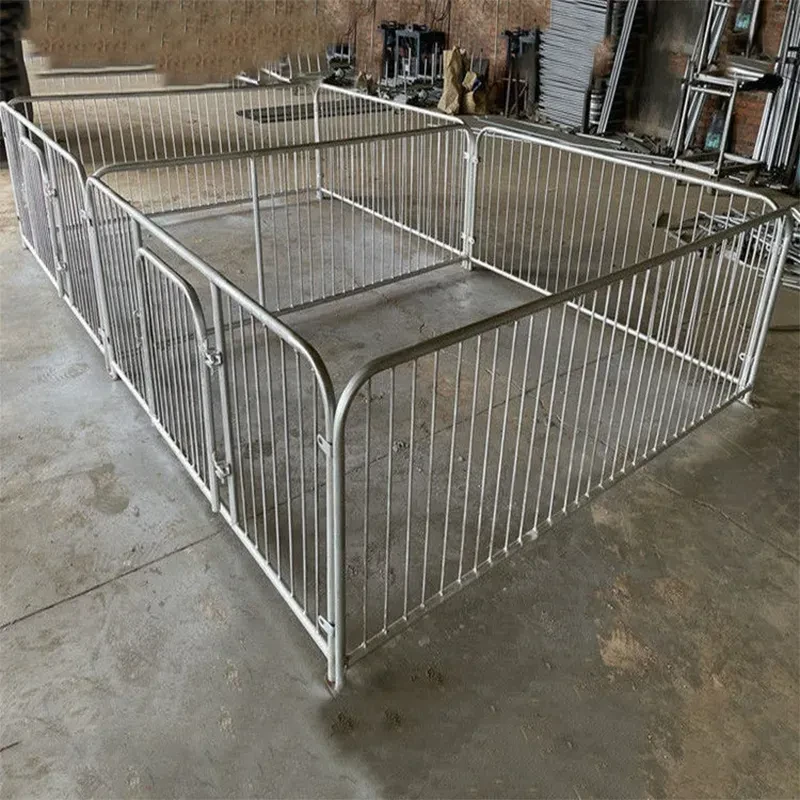
Since 2021, the market has entered the "Industrialization Phase," where large-scale enterprises are investing in specialized structures like the farrowing house for pigs for specific regional markets, emphasizing bio-security and automated waste management.

Future Development Trends

IoT-Integrated Monitoring

Integration of sensors in poultry houses to monitor humidity and ammonia levels in real-time, specifically tailored for the humid climates of coastal Pakistan.

Circular Economy in Packaging

A move toward biodegradable materials in the egg tray production line to meet emerging environmental regulations and reduce plastic waste.

Precision Feeding Systems

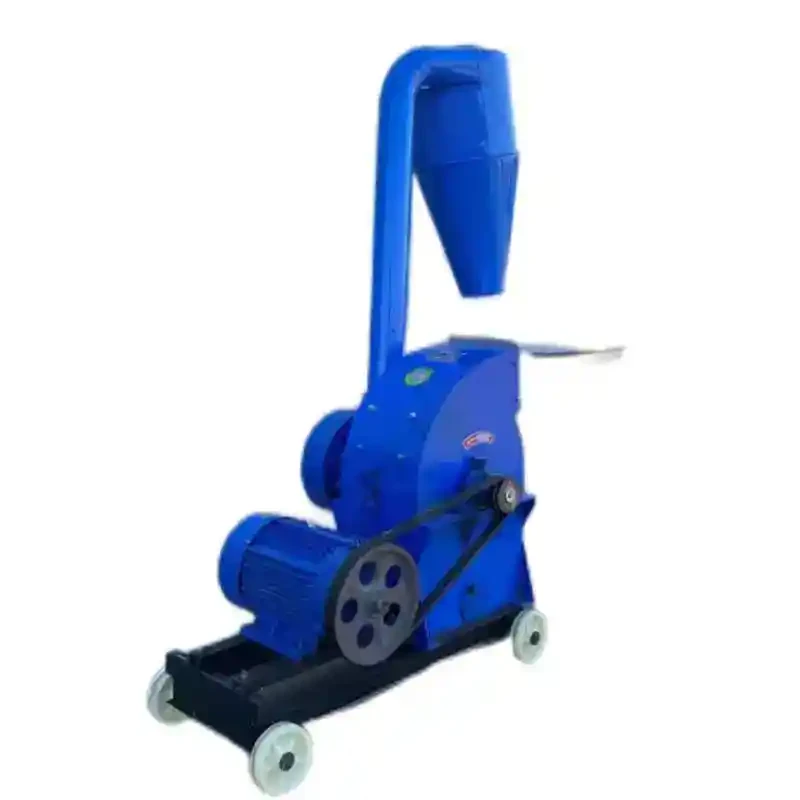
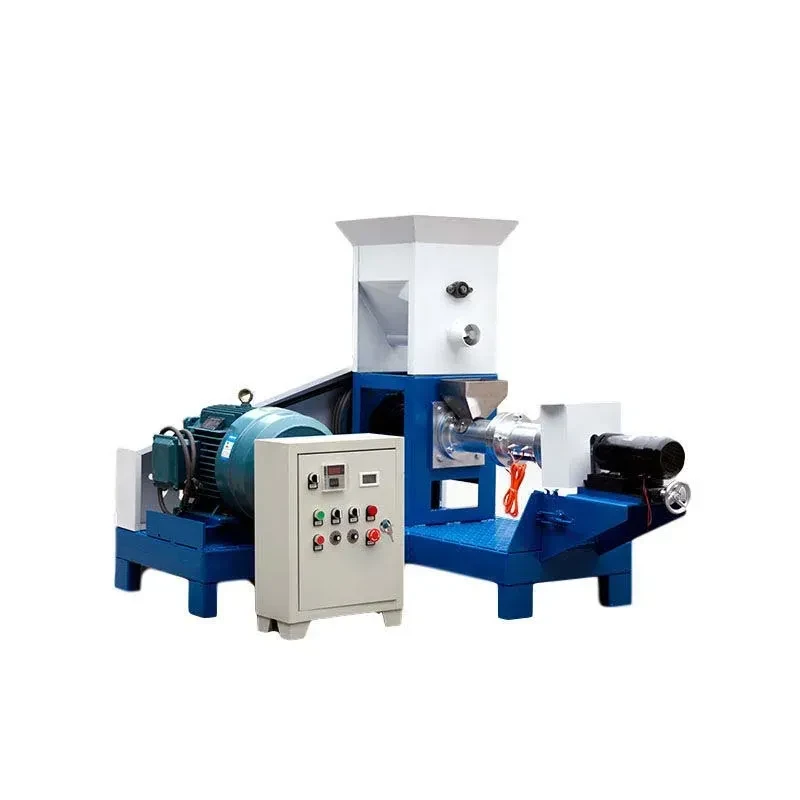
Transitioning from basic cutters to fully automated feed mills that synchronize nutrient delivery based on the animal's growth stage.

Industrial Trends and Future Outlook

Strategic foresight for Pakistan's livestock equipment sector

Vertical Space Optimization
Adoption of high-density vertical housing to combat land scarcity in urban fringes of Lahore and Karachi.
Waste-to-Value Engineering
Integrating manure collection systems into cage designs for organic fertilizer production.
Automated Nutrition Control
Shift toward precision cutting and mixing to reduce feed wastage by up to 15%.
Biosecurity Infrastructure
Implementation of closed-loop housing to prevent avian influenza and other regional pathogens.

Industry Outlook

Based on regional search trends and agricultural growth data in Pakistan, the demand for automated livestock equipment is projected to grow by 8% annually. The primary driver is the shift toward commercial egg and meat production to meet the protein needs of a rapidly growing population.

Future success will depend on "Localized Engineering"—adapting global standards to withstand the specific voltage fluctuations and extreme thermal conditions of the Pakistani landscape.

Localized Application Scenarios in Pakistan

Real-world deployments across diverse agricultural zones

1. High-Density Poultry Farms in Punjab

Deployment of cage house poultry systems in peri-urban areas to maximize egg output per square meter while ensuring easy waste removal.

2. Small-Scale Rabbitry in Khyber Pakhtunkhwa

Using the multi level rabbit cage to enable rural families to start sustainable meat production with minimal land footprint.

3. Commercial Egg Packaging Hubs in Sindh

Establishing centralized egg tray production line facilities to provide affordable packaging for local egg cooperatives.

4. Modern Swine Units for Specialized Markets

Installation of the farrowing house for pigs in targeted industrial zones to optimize piglet survival rates through temperature-controlled flooring.

5. Community Feed Processing Centers

Equipping village cooperatives with the animal feed cutter to convert agricultural crop residues into high-quality livestock feed.

Brand Story

Global Development Journey of Anping Yize Metal Products Co., Ltd.

Foundational Engineering

Started with a mission to solve the durability issues of livestock cages, focusing on high-grade galvanization to prevent rust in humid environments.

Technological Pivot

Expanded from simple cages to complete automated production lines, integrating machinery for feed and packaging solutions.

Global Market Expansion

Successfully entered the Asian market, adapting equipment specifications to meet the unique needs of farmers in Pakistan and surrounding regions.

Sustainability Commitment

Implemented "Eco-Farm" initiatives, creating equipment that reduces animal stress and optimizes resource consumption.

Vision for the Future

Aiming to become the world's leading provider of integrated livestock solutions, bridging the gap between traditional farming and Smart Agriculture.

Husbandry Equipment FAQs for Pakistan

Expert answers to common regional implementation questions

How to choose the right multi level rabbit cage for small farms in Punjab?

For small farms, we recommend galvanized steel cages with integrated waste trays. Ensure the layout allows for cross-ventilation to handle the regional heat and minimize respiratory issues in rabbits.

What is the capacity of a standard egg tray production line for commercial use?

Our lines range from semi-automatic to fully automatic, capable of producing between 1,000 to 5,000 trays per hour, depending on the mold configuration and drying system selected.

Are cage house poultry systems better than floor systems for Pakistani climates?

Yes, cage systems significantly reduce the risk of coccidiosis and other floor-borne diseases prevalent in humid areas, while making temperature control more efficient.

How does a farrowing house for pigs improve piglet survival rates?

By providing separate heat zones for piglets and a safe, crush-proof area, these houses prevent accidental crushing by the sow and maintain optimal neonatal temperatures.

Can the animal feed cutter process local Pakistani fodder like alfalfa?

Absolutely. Our cutters are designed with high-torque motors and reinforced blades to handle a variety of tough fibers and regional fodder, ensuring a uniform cut for better digestion.

What maintenance is required for galvanized livestock equipment in coastal regions?

In salty coastal air, we recommend regular freshwater rinsing of the structures and periodic checks on the galvanized coating to ensure maximum longevity against corrosion.

Ready to Modernize Your Farm?

Contact our engineering team today for a customized livestock equipment quote tailored for the specific agricultural needs of Pakistan.

Contact Us Now

If you are interested in our products, you can choose to leave your information here, and we will be in touch with you shortly.