Advanced Livestock Farming Solutions with cage house poultry in Saudi Arabia

Optimizing agricultural productivity in the Kingdom through high-precision automated breeding and feeding systems designed for arid climates.

Advanced Livestock Farming Solutions with cage house poultry in Saudi Arabia

Providing integrated, climate-resilient infrastructure for Saudi Arabia's livestock sector, focusing on automation, hygiene, and resource efficiency to ensure food security.

Livestock Infrastructure Status in Saudi Arabia

Addressing the challenges of high-temperature environments and water scarcity in animal husbandry.

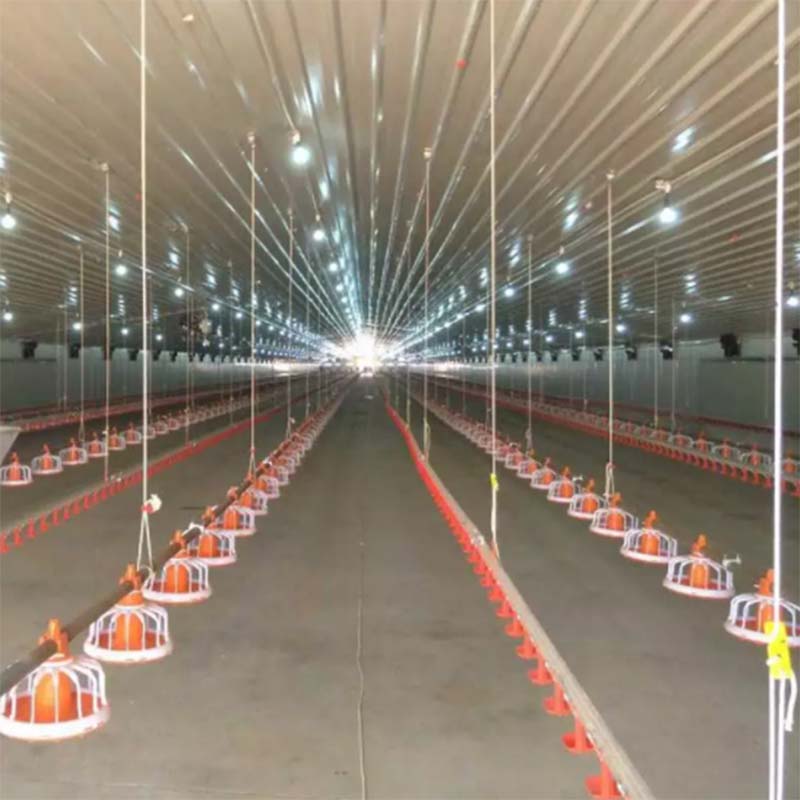
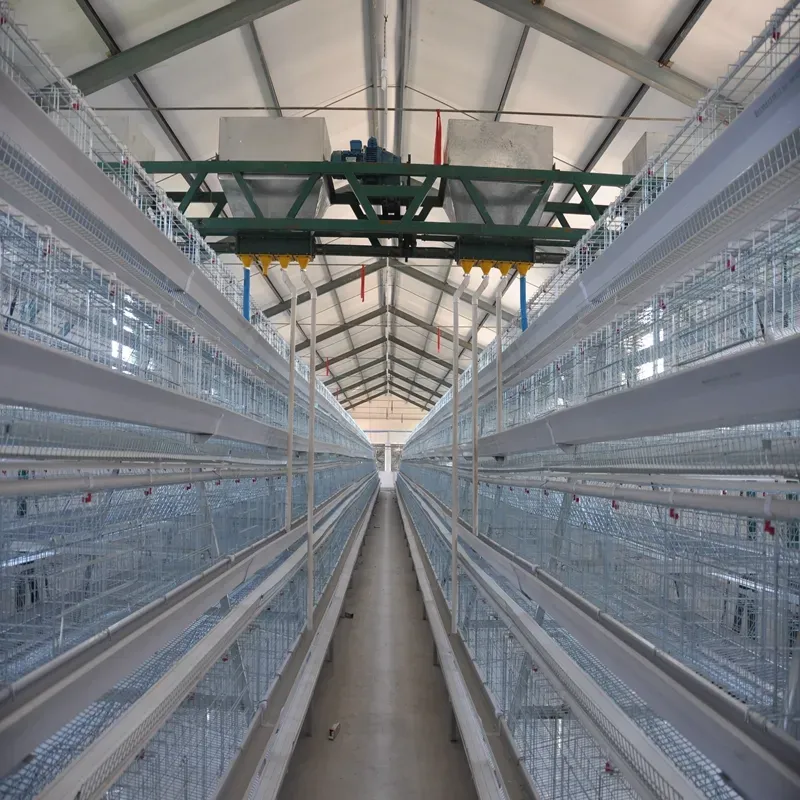
The livestock sector in Saudi Arabia is currently undergoing a massive transformation to align with Vision 2030. Due to the extreme heat and arid geography, traditional open-air farming is being replaced by controlled-environment systems. There is a surging demand for cage house poultry setups that integrate advanced cooling and ventilation to maintain optimal bird health.

Protein demand is rising, leading to an increase in specialized pig farming in specific zones and rabbit breeding. The adoption of a multi level rabbit cage system has become essential for urban and semi-urban farms to maximize land use and improve waste management in confined spaces.

Moreover, the integration of processing equipment, such as an egg tray production line, is becoming a priority for local producers looking to reduce reliance on imports and establish a full vertical supply chain from farm to market.
Evolution of Breeding Technology in the GCC

From manual labor to AI-driven livestock management systems.

Market Development History

In the early 2000s, Saudi livestock farming relied heavily on manual feeding and rudimentary shelters. The focus was on survival rather than optimization, with basic enclosures offering minimal protection from the desert sun.

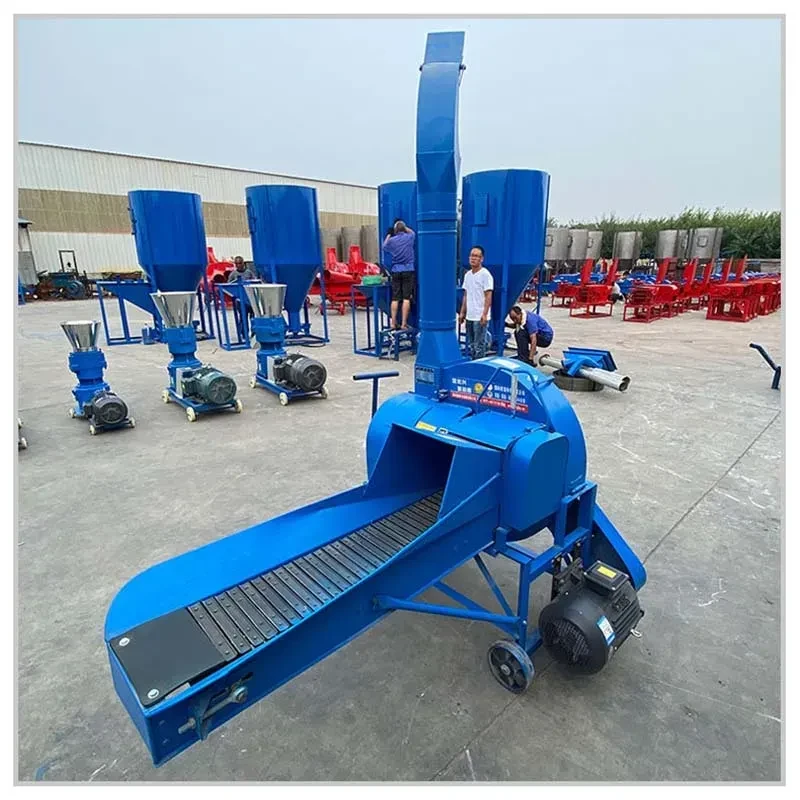
Between 2010 and 2020, the industry shifted toward semi-automation. The introduction of the animal feed cutter allowed farmers to process local forage more efficiently, reducing feed waste and improving nutritional intake for livestock.

By 2023, the market reached the "Smart Farming" era. The implementation of a specialized farrowing house for pigs with temperature-controlled flooring and automated weaning systems represents the current peak of localized livestock engineering.

Future Development Trends

IoT-Integrated Monitoring

Future systems will utilize real-time sensors within cage structures to monitor animal health and ambient temperature automatically, reducing mortality rates in Saudi's peak summer.

Sustainable Feed Circularity

There will be a trend toward integrating feed processing and waste recycling, where automated cutters and mixers create a closed-loop nutrient system.

Modular Scalability

Modular cage designs that can be expanded rapidly as farm capacity grows, allowing Saudi investors to scale operations without rebuilding entire facilities.

Industry Trends and Strategic Outlook

Analyzing the trajectory of livestock machinery in the Middle Eastern market.

Climate-Adaptive Engineering
Developing galvanized, heat-reflective materials for cages to withstand high UV radiation and salinity in coastal Saudi regions.
Automated Waste Removal
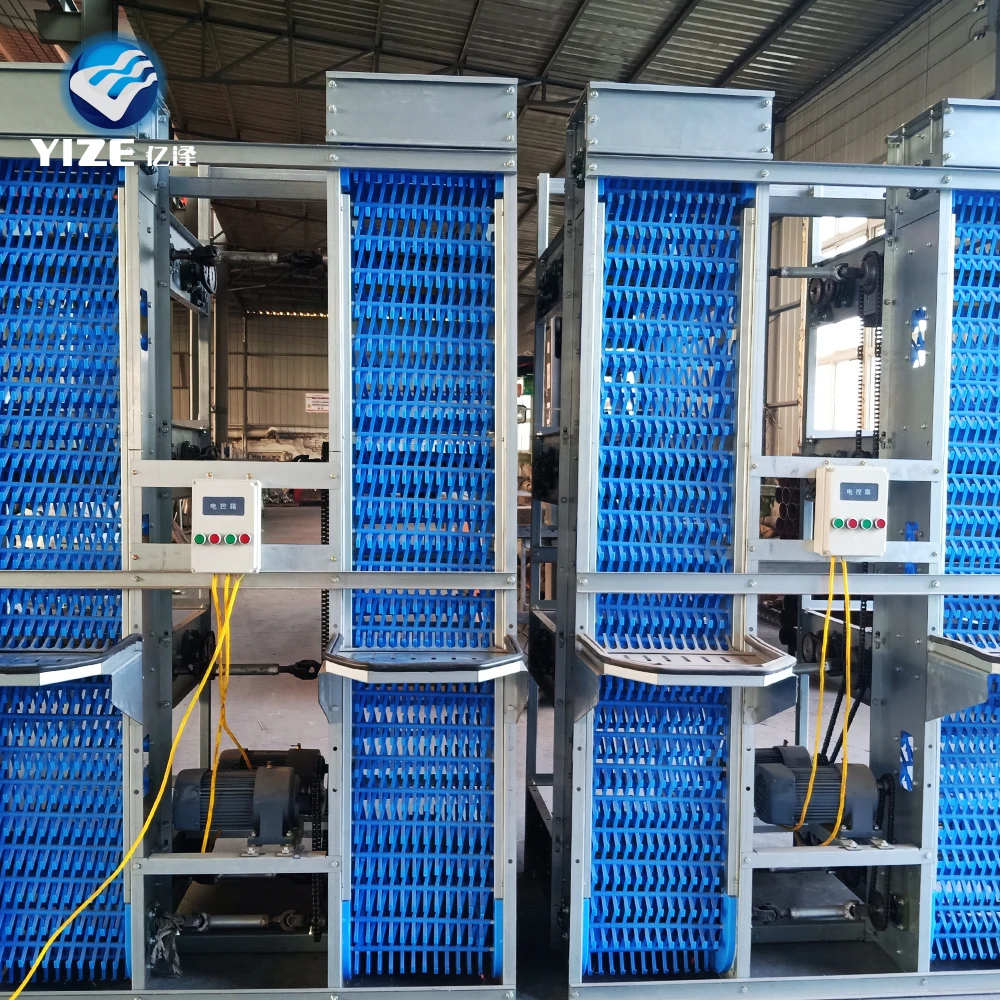
Integration of conveyor-belt manure removal systems to ensure hygiene and reduce labor costs in large-scale poultry farms.
Precision Feed Processing
Transitioning toward customized nutrient mixing and precision cutting to optimize the Feed Conversion Ratio (FCR).
Vertical Integration
Combining breeding and packaging in one site to minimize logistics costs and maintain product freshness.

Industry Outlook

Based on Google Search trends in the region, there is a growing interest in "sustainable farming" and "automated livestock". Over the next 3-5 years, we expect Saudi Arabia to shift from importing equipment to establishing local assembly hubs for livestock machinery.

The focus will move toward reducing the carbon footprint of livestock farming. This includes the use of energy-efficient ventilation in poultry houses and biodegradable materials in packaging lines, aligning with the Green Saudi Initiative.

Localized Application Scenarios in Saudi Arabia

Real-world implementation of livestock technology across different Saudi provinces.

01. Intensive Poultry Production in Al-Qassim

Implementing large-scale cage house poultry systems with integrated evaporative cooling pads to manage the high temperatures of the central region.

02. Specialized Rabbit Breeding in Riyadh

Utilization of multi level rabbit cage structures in urban peri-farm settings to maximize protein output per square meter of land.

03. Integrated Egg Packaging in Jeddah

Deployment of a fully automated egg tray production line to support the logistics of distributing fresh eggs to the western coast's retail markets.

04. Modern Swine Management in Industrial Zones

Installation of a temperature-regulated farrowing house for pigs to ensure high piglet survival rates during the extreme summer months.

05. Forage Processing for Rural Farms in Asir

Applying high-capacity animal feed cutter machines to process local mountainous vegetation into digestible feed for mixed livestock.

Brand Story

Global Development History of Anping Yize Metal Products Co., Ltd.

Founding Vision

Established with a commitment to solving the inefficiency of traditional livestock housing, focusing on durability and animal welfare through metal engineering.

Technological Breakthrough

Developed advanced hot-dip galvanizing processes to ensure that cages and equipment remain rust-free in high-humidity and saline environments.

Global Expansion

Expanded our footprint into the Middle East and Asia, tailoring our designs to meet the specific climatic and regulatory needs of Saudi Arabian farms.

Automation Integration

Integrated smart feeding and waste management systems into our product lines, reducing manual labor requirements for our global clients.

Industry Leadership

Today, we stand as a leading provider of comprehensive livestock solutions, empowering farmers worldwide to achieve food security and profitability.

Common Questions for Livestock Farming in Saudi Arabia

Expert answers to technical challenges in the region.

How to maintain a cage house poultry system in 45°C heat?

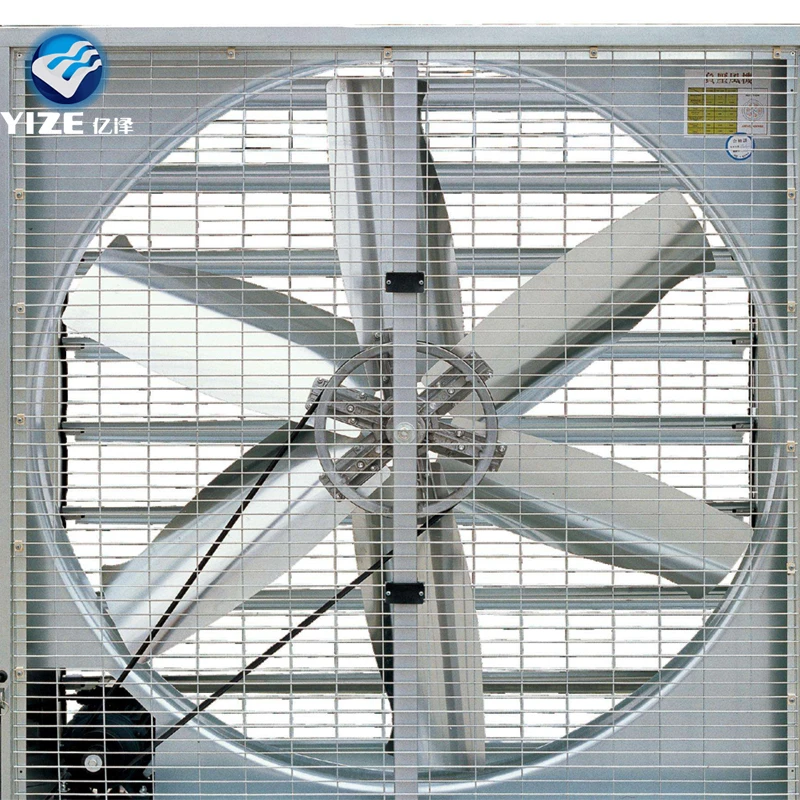
We recommend integrating high-pressure misting systems and automated ventilation fans with a heat-reflective roof to maintain internal temperatures below 28°C.

Is the multi level rabbit cage suitable for small-scale urban farms in Riyadh?

Yes, our vertical designs maximize space efficiency and include integrated waste trays that make cleaning simple and hygienic for urban environments.

What is the daily capacity of a standard egg tray production line?

Depending on the model, our lines can produce from 1,000 to 5,000 trays per hour, utilizing recycled paper pulp for environmental sustainability.

How does a farrowing house for pigs prevent piglet crushing?

Our farrowing crates feature safety rails and dedicated creep areas with independent heating lamps to ensure piglets are safe from the sow.

Can the animal feed cutter process dry date palm leaves?

Our industrial cutters are equipped with high-torque motors and reinforced blades capable of shredding tough, fibrous local materials into usable feed.

What is the lifespan of galvanized equipment in coastal Saudi cities?

Using premium hot-dip galvanization, our equipment is designed to resist corrosion for 15-20 years, even in high-salinity coastal air.

Ready to Modernize Your Farm?

Contact our experts today for a customized livestock machinery consultation tailored for the unique environment of Saudi Arabia.

Contact Us Now

If you are interested in our products, you can choose to leave your information here, and we will be in touch with you shortly.