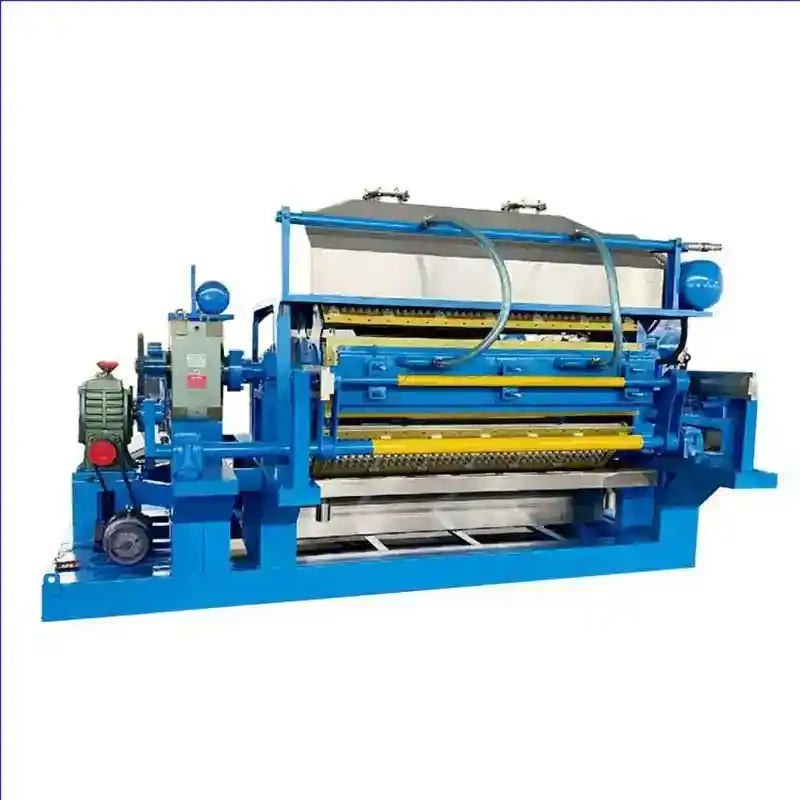
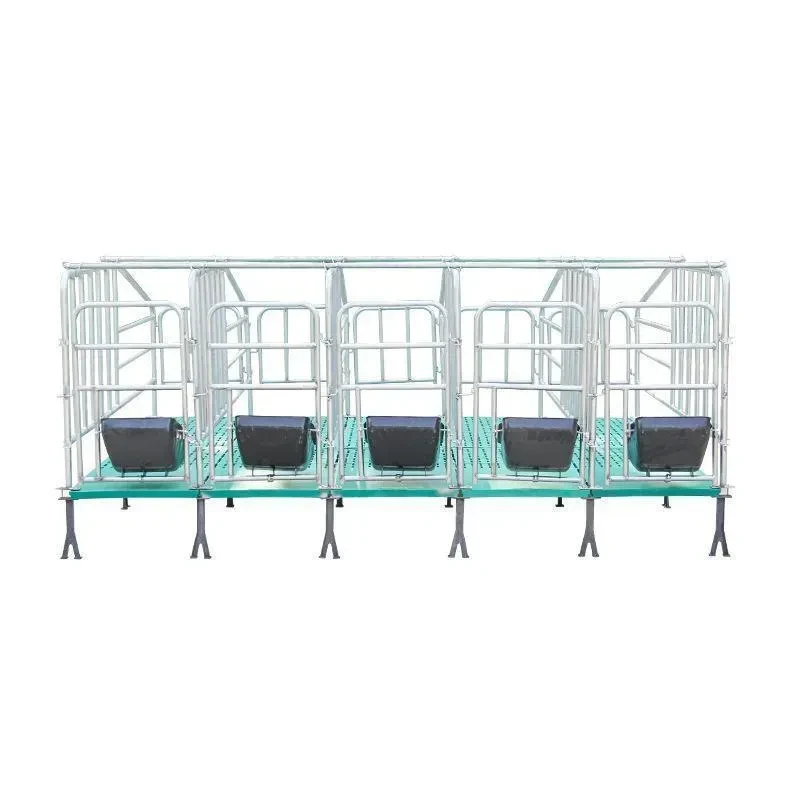
Advanced Livestock Farming Solutions: Optimized farrowing house for pigs in Venezuela

Empowering Venezuelan farmers with high-durability, precision-engineered livestock equipment to maximize productivity and animal welfare in challenging tropical climates.

Advanced Livestock Farming Solutions: Optimized farrowing house for pigs in Venezuela

Our comprehensive equipment suite integrates automated feeding, climate-resilient housing, and waste management to transform livestock farming across Venezuela's diverse agricultural zones.

Livestock Equipment Landscape in Venezuela

Analyzing the intersection of tropical climate and agricultural industrialization.

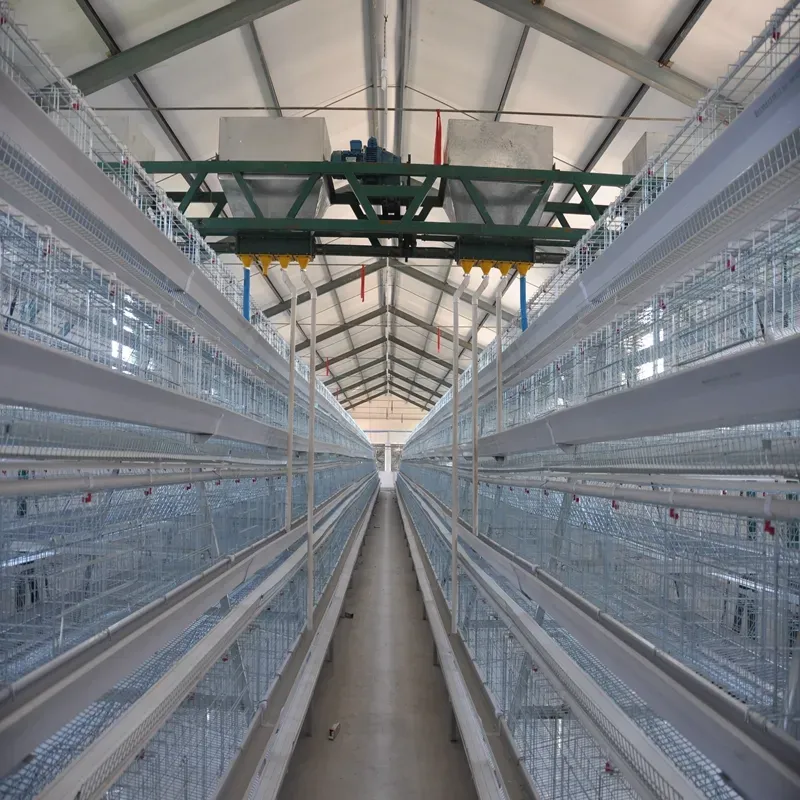
In Venezuela, the livestock sector faces a dual challenge: extreme humidity in coastal regions and fluctuating economic stability. Many farmers still rely on traditional wooden structures, which are prone to rapid decay and parasite infestation, highlighting an urgent need for galvanized cage house poultry systems that can withstand the humid environment.

The local market is currently shifting toward decentralized production. Small to medium-sized enterprises are increasingly adopting an animal feed cutter to reduce dependence on expensive imported processed feeds, leveraging local maize and forage to maintain livestock health during supply chain disruptions.

Furthermore, the demand for protein has led to a surge in rabbit and pig farming. However, the lack of specialized multi level rabbit cage designs often leads to suboptimal space utilization and higher mortality rates, driving the transition toward industrial-grade metal equipment.
Technological Evolution of Livestock Systems

From manual labor to precision livestock farming (PLF) in South America.

Market Development History

From 1990 to 2010, the Venezuelan market was dominated by artisanal construction and imported second-hand machinery. Feeding was primarily manual, and housing was rudimentary, leading to low efficiency and high disease transmission risks.

Between 2010 and 2020, a shift toward semi-automation occurred. Farmers began integrating basic egg tray production line equipment to support the growing domestic poultry industry, moving away from fragile manual packaging to standardized industrial trays.

Since 2021, the trend has moved toward "Modularization." High-tensile steel and automated climate control systems are now being integrated, allowing for high-density farming without compromising animal welfare, particularly in specialized swine and poultry units.

Future Development Trends

Climate-Adaptive Metallurgy

Future equipment will utilize advanced anti-corrosion coatings specifically designed for the salty air of Venezuela's coastal farming hubs.

IoT-Enabled Feeding Systems

The integration of sensors into feeding lines to monitor consumption in real-time, reducing waste and optimizing the feed-to-meat ratio.

Circular Economy Integration

A move toward zero-waste systems where waste from housing is processed via automated systems into organic fertilizers for local crops.

Industry Trends and Future Outlook

Strategic projections for the Venezuelan livestock machinery market.

Vertical Space Optimization
Increasing adoption of multi-tier housing to maximize land use in peri-urban agricultural zones.
Automated Processing Lines
Integration of full-scale production lines for secondary products like egg trays to create value-added revenue.
Precision Feed Engineering
Shift toward localized, high-efficiency feed cutting and mixing to lower operational costs.
Bio-Secure Housing
Deployment of closed-loop housing systems to prevent zoonotic diseases in high-density farms.

Industry Outlook

Based on Google search trends for "automated livestock equipment" in the Latin American region, there is a clear trajectory toward energy-efficient and modular systems. The Venezuelan market is expected to see a 15% increase in the adoption of prefabricated metal housing as farmers seek faster deployment times.

The future lies in the hybridization of traditional husbandry and industrial automation. We anticipate that the convergence of durable materials and smart feeding mechanisms will redefine the profitability of medium-scale farms across the region over the next 5 years.

Localized Application Scenarios in Venezuela

Practical implementations of livestock machinery tailored to regional needs.

01. High-Density Rabbit Farming in Zulia

Utilizing the multi level rabbit cage to optimize limited space in urban fringes, allowing farmers to increase colony size by 300% while ensuring easy waste removal.

02. Commercial Poultry Hubs in Miranda

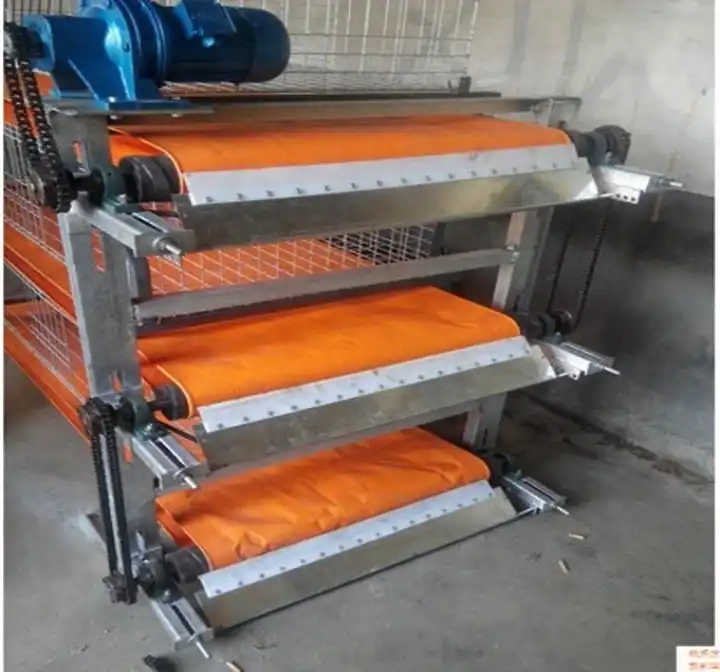
Implementation of fully automated cage house poultry systems to maintain strict temperature controls and hygiene, reducing mortality rates in broiler production.

03. Intensive Swine Breeding in Guárico

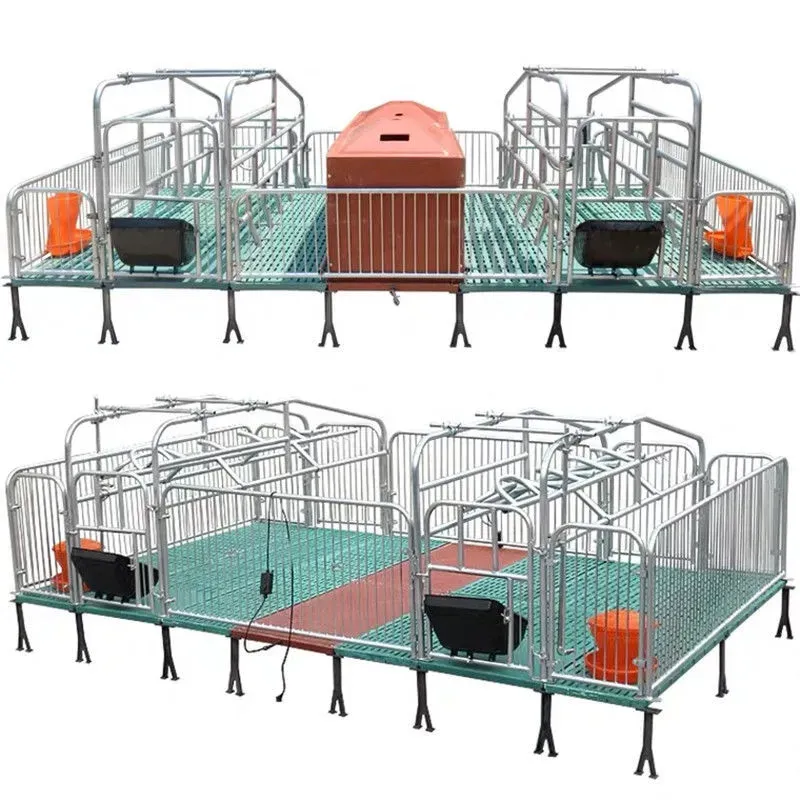
Deploying the farrowing house for pigs with integrated heating and crush rails to protect piglets from floor injuries and temperature drops.

04. Localized Feed Processing in Lara

Equipping small cooperatives with a heavy-duty animal feed cutter to process locally grown sorghum and alfalfa, slashing feed costs by 40%.

05. Egg Distribution Centers in Caracas

Installing a high-speed egg tray production line to supply recycled pulp trays for city-wide distribution, reducing reliance on expensive plastic packaging.

Brand Story

Global Development Journey of Anping Yize Metal Products Co., Ltd.

Foundational Excellence

Established in the heart of China's wire mesh capital, we began with a mission to solve the fragility of traditional livestock pens through superior metallurgy.

Technical Breakthroughs

We pioneered the modular cage system, focusing on ergonomic designs that reduce animal stress while maximizing cleaning efficiency for the farmer.

Global Expansion

Expanding into South America, we adapted our designs to withstand tropical humidity and varying livestock breeds across different continents.

Sustainability Shift

Integrating eco-friendly galvanized coatings and recyclable materials, ensuring our equipment supports sustainable farming for the next generation.

Industry Leadership

Today, we stand as a global benchmark for livestock machinery, bridging the gap between industrial efficiency and animal welfare.

Venezuelan Livestock Machinery FAQ

Expert answers to the most common technical and logistical questions.

How does a multi level rabbit cage improve productivity in humid climates?

Our tiered designs increase airflow around each animal and utilize galvanized materials that prevent rust and fungal growth, which are common in Venezuela's humid regions.

What is the capacity of a standard egg tray production line for medium farms?

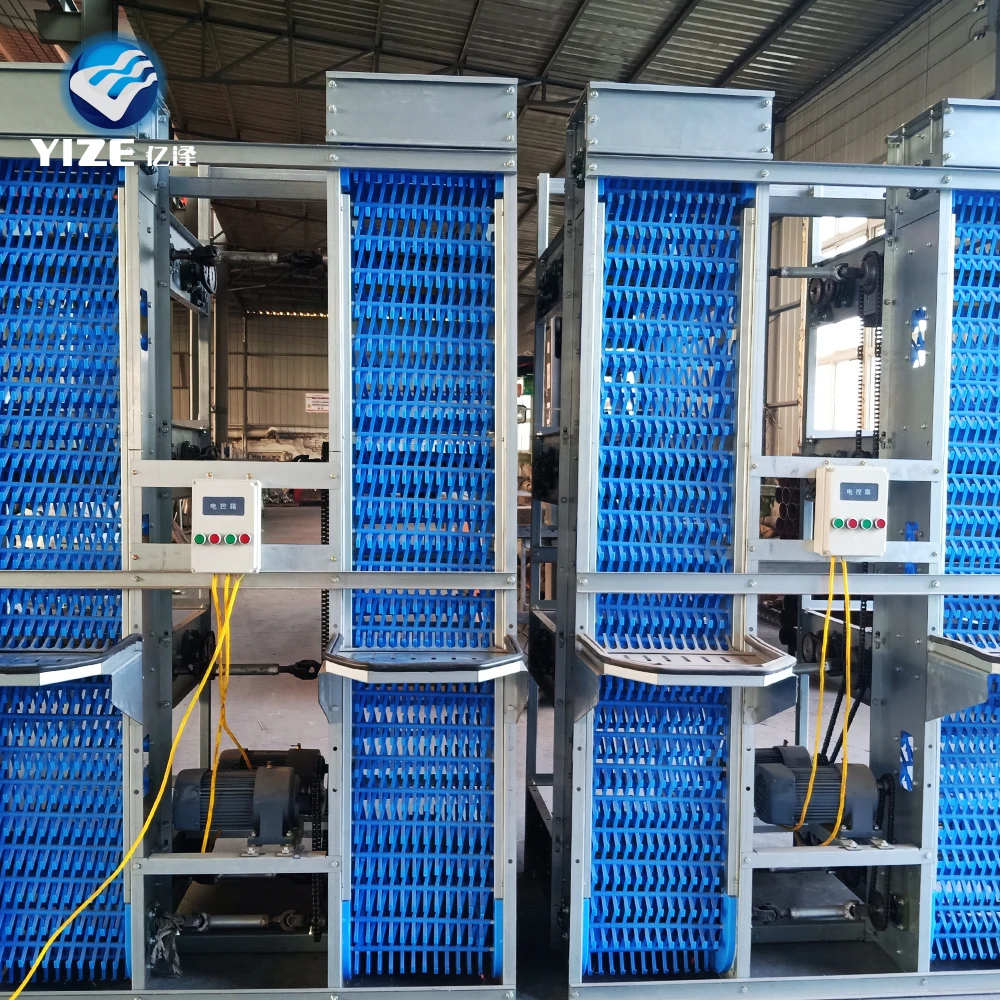
Our mid-range lines are designed to produce between 1,000 to 3,000 trays per hour, perfectly suited for regional distribution hubs in Venezuelan states.

Can a cage house poultry system be customized for local ventilation needs?

Yes, we offer modular ventilation kits and open-sided designs that can be integrated with local cooling fans to manage heat stress in tropical environments.

What features make your farrowing house for pigs safe for piglets?

The systems include anti-crush bars and temperature-controlled creep areas, ensuring that piglets are protected from the sow while maintaining optimal warmth.

Which materials can be processed by the animal feed cutter for local forage?

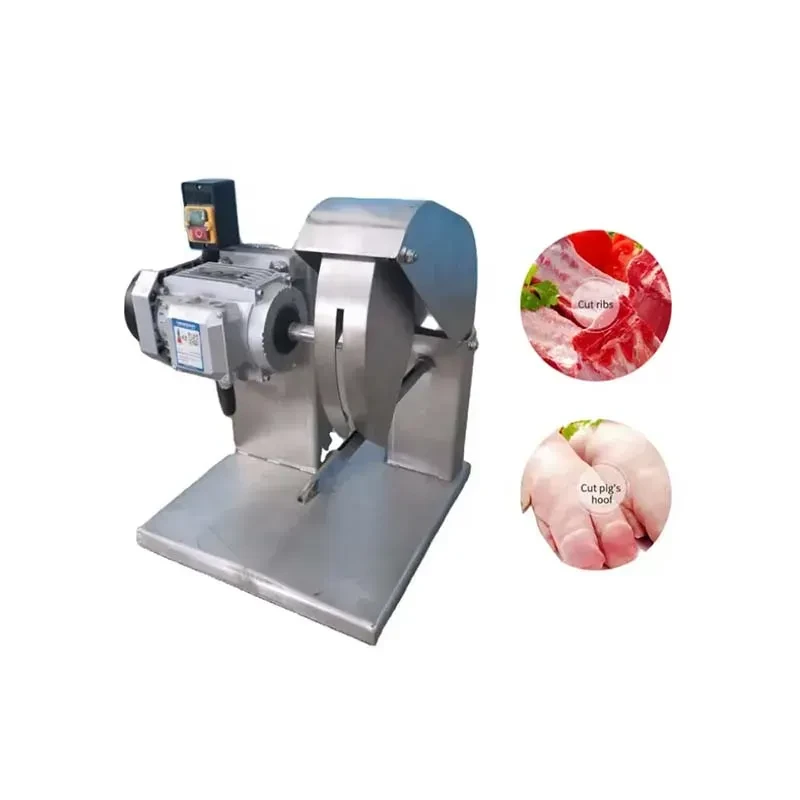
Our cutters are engineered to handle a variety of tropical forage, including maize stalks, sugarcane, and various grass species common in South American pastures.

How is the durability of galvanized equipment compared to traditional wood?

Our hot-dip galvanized steel lasts up to 10 times longer than treated wood, resisting pests and rotting, which significantly lowers long-term replacement costs for Venezuelan farmers.

Ready to Modernize Your Farm?

Contact our experts today for a customized livestock equipment configuration tailored to the specific climate and production goals of Venezuela.

Contact Us Now

If you are interested in our products, you can choose to leave your information here, and we will be in touch with you shortly.