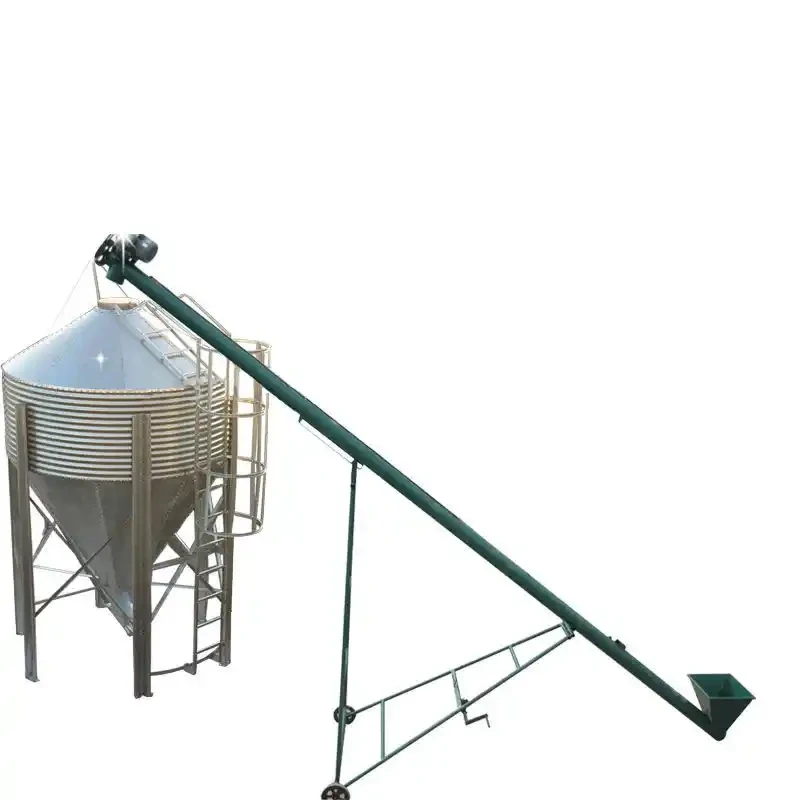
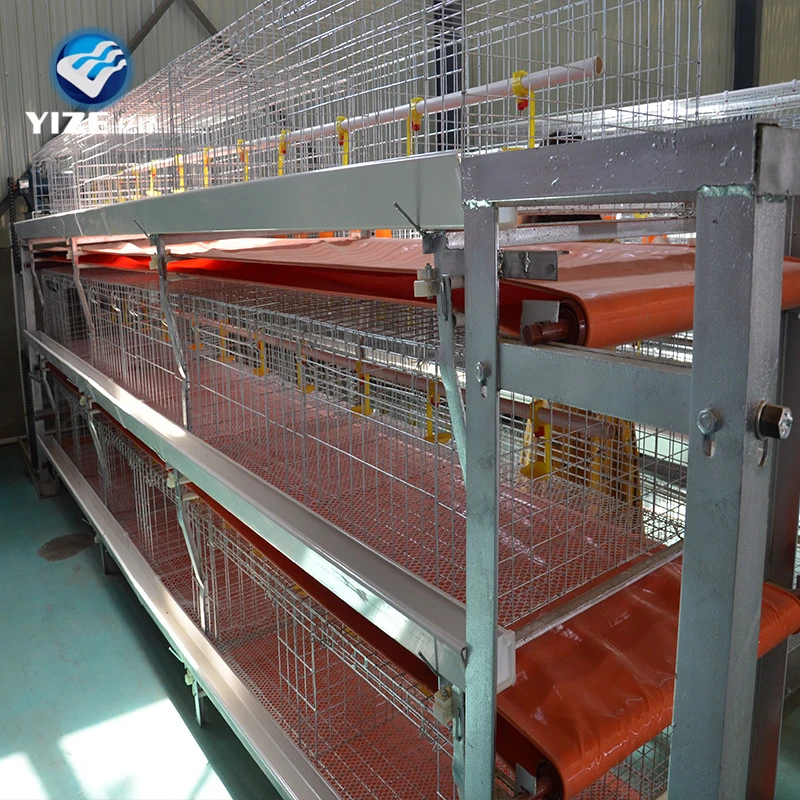
Advanced Livestock Equipment Solutions: Optimizing cage house poultry in Libya

Empowering Libyan farmers with high-efficiency breeding infrastructure and automated feeding systems for sustainable agricultural growth.

Advanced Livestock Equipment Solutions: Optimizing cage house poultry in Libya

Providing comprehensive livestock manufacturing technology to transition Libyan farms from traditional methods to industrial-scale efficiency.

Livestock Production Landscape in Libya

Analyzing the intersection of arid climates and livestock machinery requirements.

Libya's livestock sector faces unique challenges due to its extreme arid climate and scattered geographical distribution. The reliance on traditional open-air farming has historically led to high mortality rates in poultry and pigs, particularly during the scorching summer months where temperature control is critical for animal welfare.

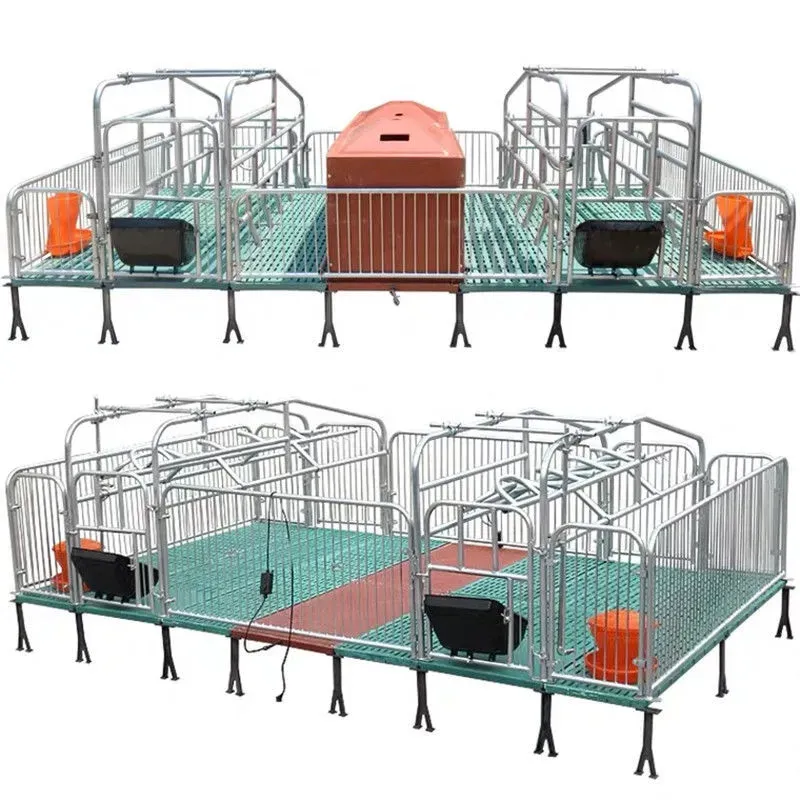
Currently, there is a growing demand for integrated farrowing house for pigs and climate-controlled poultry environments. The shift toward industrialized breeding is driven by the need to reduce dependence on imported meat and improve the stability of the local food supply chain across the North African region.

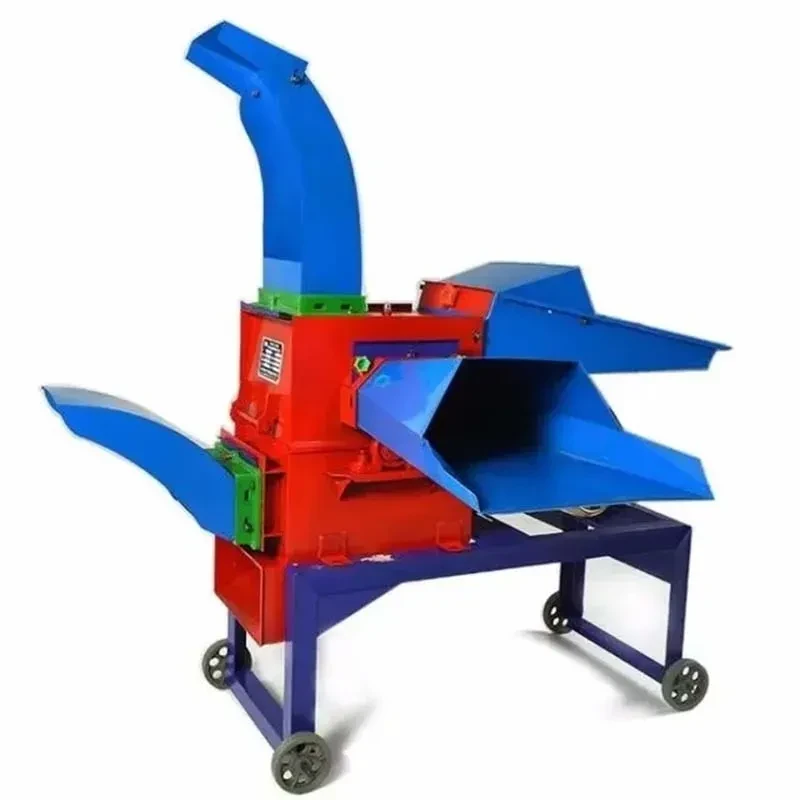
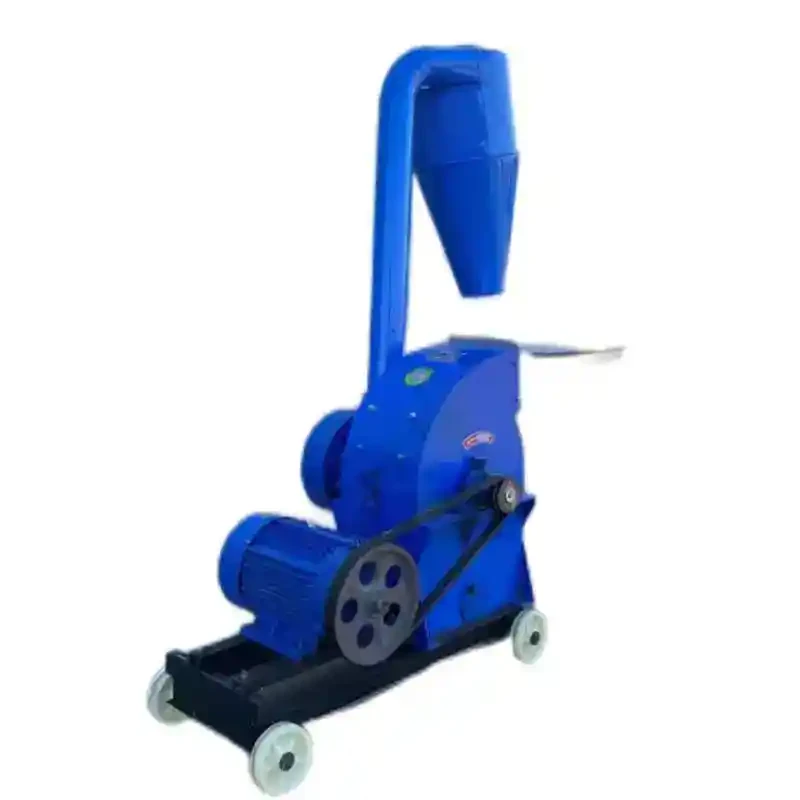
Furthermore, the lack of localized processing tools has made the adoption of an animal feed cutter essential for farmers who utilize locally sourced forage to reduce operational costs while maintaining nutritional standards for their livestock.
Technical Evolution and Growth Trajectory

From manual husbandry to automated livestock manufacturing systems.

Market Development History

Between 1990 and 2010, Libyan livestock farming was characterized by traditional wooden structures and manual feeding, resulting in low density and inefficient land use. Most poultry were raised in floor-based systems with minimal biosecurity.

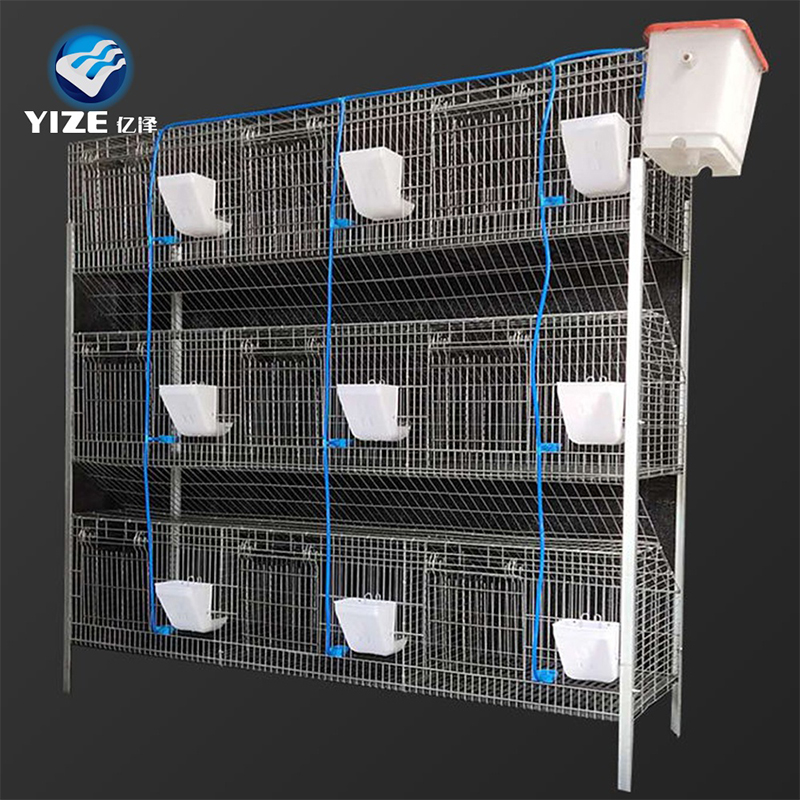
From 2010 to 2020, a transition began toward semi-automation. Farmers started importing basic galvanized steel structures, introducing the first wave of multi level rabbit cage systems to maximize space in urban peri-agricultural zones.

Since 2021, the market has shifted toward fully integrated production lines. The introduction of the egg tray production line has allowed poultry farms to verticalize their business, managing everything from hatching to packaging on a single site.

Future Development Trends

IoT-Enabled Climate Control

Integration of smart sensors to automatically adjust ventilation in poultry houses, mitigating the impact of Libya's extreme heat waves.

Circular Economy Integration

Adopting waste-to-resource technologies where livestock waste is processed back into fuel or fertilizer, enhancing farm sustainability.

Precision Nutrition Hardware

Evolution of cutting and mixing machinery to allow for precise formulation of feed based on the specific growth stage of the animal.

Industry Outlook and Future Projections

Strategic foresight for the livestock machinery sector in the Libyan market.

Automated Waste Management
Shift toward automated manure removal systems to maintain hygiene in high-density cage environments.
Vertical Space Optimization
Increasing adoption of multi-tier systems to maximize yield per square meter in urban outskirts.
Modular Facility Design
Pre-fabricated house units that can be quickly deployed and expanded based on farm growth.
Energy-Efficient Lighting
Solar-integrated LED systems to regulate circadian rhythms and improve growth rates.

Industry Outlook

Based on Google search trends for agricultural machinery in North Africa, there is a sharp increase in queries regarding automated feeding and climate-controlled housing. This suggests a pivot from subsistence farming toward commercial livestock enterprises in Libya.

Over the next 3-5 years, we expect the integration of AI-driven health monitoring within cage systems, allowing farmers to detect disease outbreaks early, thereby reducing losses and increasing the overall biosecurity of the national livestock herd.

Local Application Scenarios in Libya

Practical implementations of livestock machinery tailored to regional needs.

1. High-Density Rabbit Farming in Tripoli

Implementing multi level rabbit cage systems in urban outskirts to provide fresh protein to city markets while minimizing land footprint.

2. Industrial Egg Production in Benghazi

Combining automated poultry housing with an egg tray production line to create a seamless "farm-to-shelf" operation.

3. Commercial Pig Breeding in Local Enclaves

Deploying specialized farrowing house for pigs to ensure piglet survival rates through controlled thermal environments.

4. Small-Scale Feed Processing in Rural South

Utilizing a heavy-duty animal feed cutter to process local desert shrubs and crop residues into digestible livestock feed.

5. Large-Scale Poultry Complexes

Installing comprehensive cage house poultry systems with automatic watering and feeding to manage flocks of over 50,000 birds.

Brand Story

Global Development Journey of Anping Yize Metal Products Co., Ltd.

Foundational Engineering

Established with a focus on metallurgical precision, we began by solving the basic durability issues of livestock cages in harsh environments.

Technological Integration

Expanded from simple cage manufacturing to complete production lines, integrating automation into the feeding and cleaning processes.

Global Market Expansion

Successfully entered the African and Middle Eastern markets, adapting our designs to withstand extreme heat and humidity.

Sustainability Focus

Launched a series of eco-friendly materials and energy-saving machines to help farmers reduce their carbon footprint.

Industry Leadership

Now recognized as a premier provider of specialized livestock machinery, bridging the gap between traditional farming and AgTech.

Common Questions for Libyan Livestock Farmers

Expert answers regarding equipment installation and maintenance in arid regions.

How to maintain a multi level rabbit cage in high-temperature areas?

Use galvanized coatings to prevent corrosion and install the cages in well-ventilated areas with misting systems to keep the temperature below 25°C.

What is the capacity of a standard egg tray production line?

Our production lines can be customized from 1,000 to 10,000 pieces per hour depending on the number of molds and the automation level selected.

Is the cage house poultry system suitable for Libya's electricity stability?

Yes, our systems are designed for low power consumption and are compatible with backup generators or solar power inverters commonly used in Libya.

How does a farrowing house for pigs improvelet survival?

It provides separate heating zones for piglets and a safe, reinforced area for the sow, preventing crushing and maintaining optimal warmth.

Which materials can be processed by the animal feed cutter?

Our cutters can handle corn stalks, grass, silage, and various crop residues, turning them into uniform sizes for better digestion.

Do you provide installation guides for Libyan livestock projects?

We provide detailed digital installation manuals and video guides, and we can arrange remote technical support for your local engineering team.

Ready to Modernize Your Farm?

Get professional livestock machinery consulting and customized equipment layouts for your projects in Libya.

Contact Us Now

If you are interested in our products, you can choose to leave your information here, and we will be in touch with you shortly.