Papua New Guinea's livestock sector is characterized by a transition from subsistence farming to commercial ventures. However, the humid tropical climate and rugged terrain present significant challenges for disease control and waste management, making the implementation of a structured farrowing house for pigs essential for reducing piglet mortality rates.
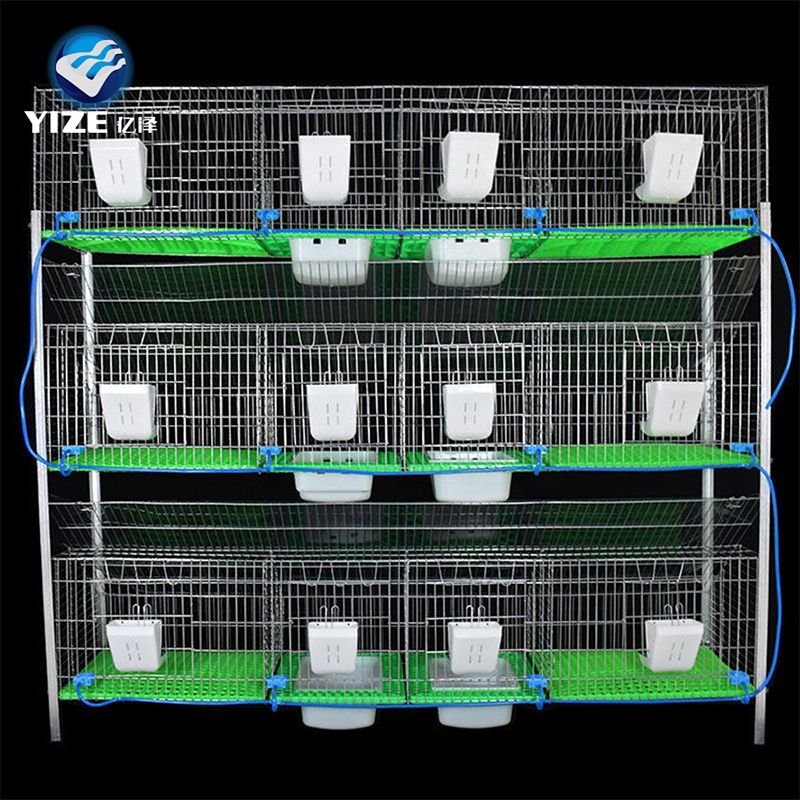
Currently, many local farmers rely on traditional open-air systems. There is a growing demand for the multi level rabbit cage to optimize limited space in peri-urban areas, allowing farmers to increase protein production without expanding their land footprint.
Furthermore, the lack of localized processing infrastructure means that egg producers often face high breakage rates. This creates a critical market gap for an integrated egg tray production line to secure supply chains from farm to market.