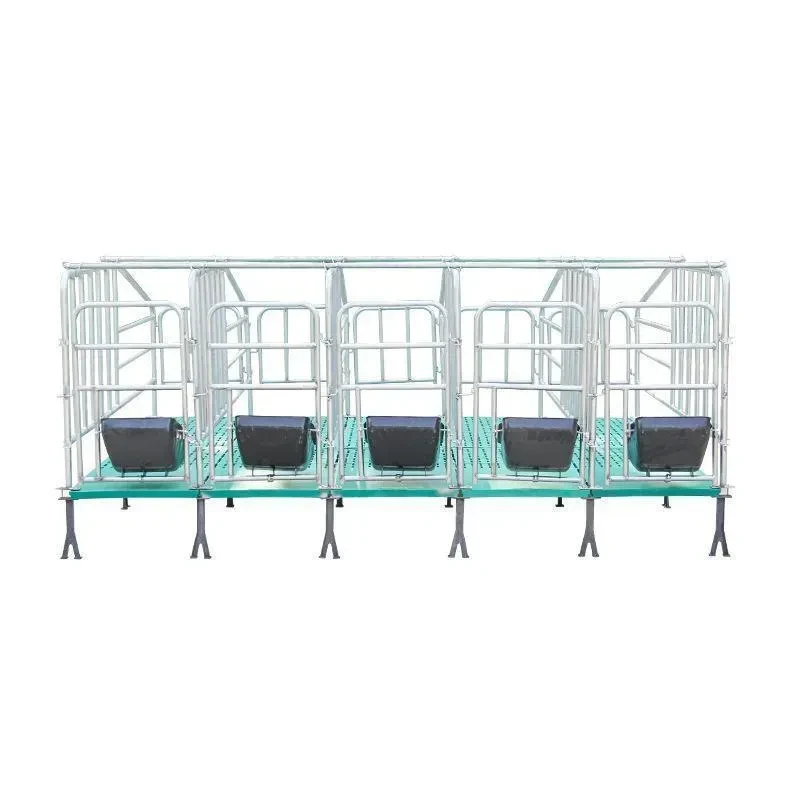

Brazil's livestock sector is currently facing a transition from traditional open-air farming to intensive, controlled environments. Due to the tropical climate and high humidity in various regions, the demand for a specialized farrowing house for pigs has surged to ensure piglet survival rates and temperature regulation.
In the poultry sector, there is a significant shift toward high-density vertical farming. The adoption of the cage house poultry model allows Brazilian producers to maximize land utility while adhering to stricter sanitary standards required for international export markets.
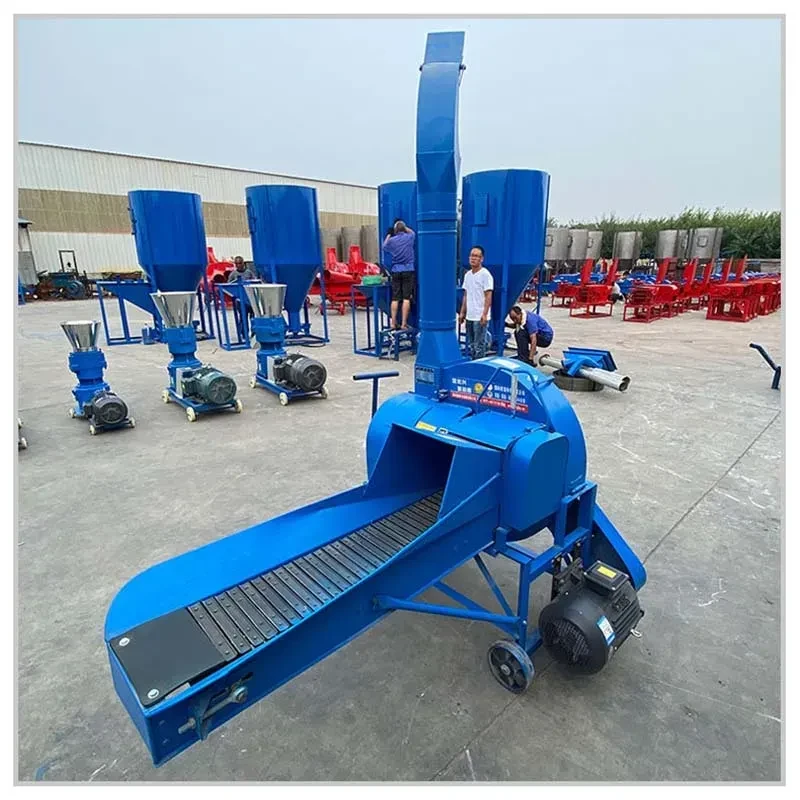
Furthermore, the rise of small-to-medium scale specialty farming has created a niche market for the multi level rabbit cage and efficient processing tools like the animal feed cutter, enabling local farmers to reduce waste and optimize nutrient intake.