
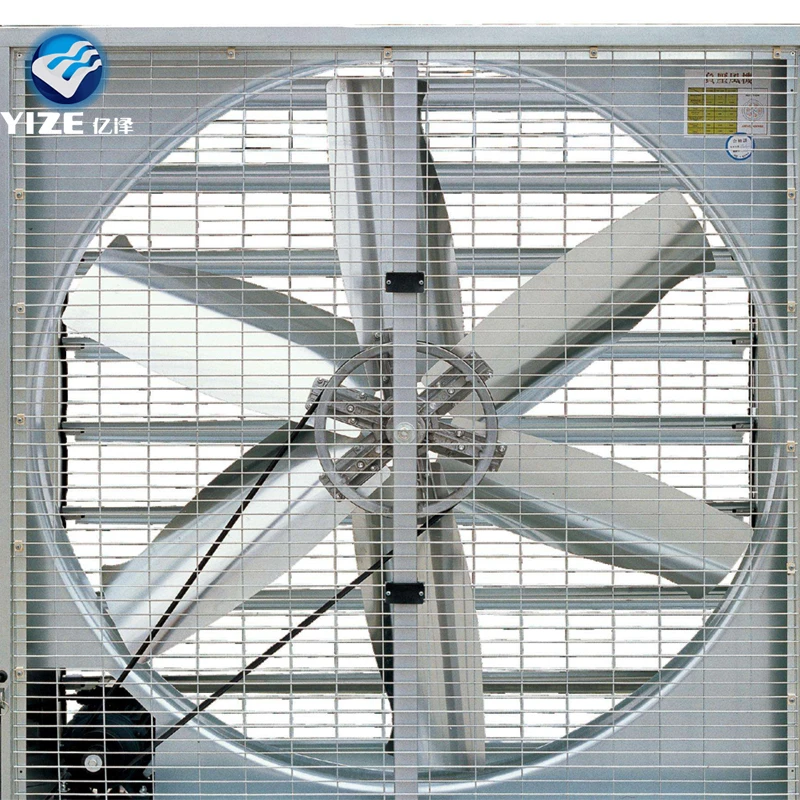
Advanced farrowing house for pigs Solutions for South Korea Livestock Farms

Integrating high-precision livestock machinery and automated feeding systems to optimize animal welfare and production efficiency in the South Korean market.

Advanced farrowing house for pigs Solutions for South Korea Livestock Farms

Providing state-of-the-art livestock equipment tailored for South Korea's stringent animal welfare laws and space-efficient farming requirements.

Livestock Equipment Landscape in South Korea

Analyzing the transition toward "Smart Farming" and high-density efficiency.

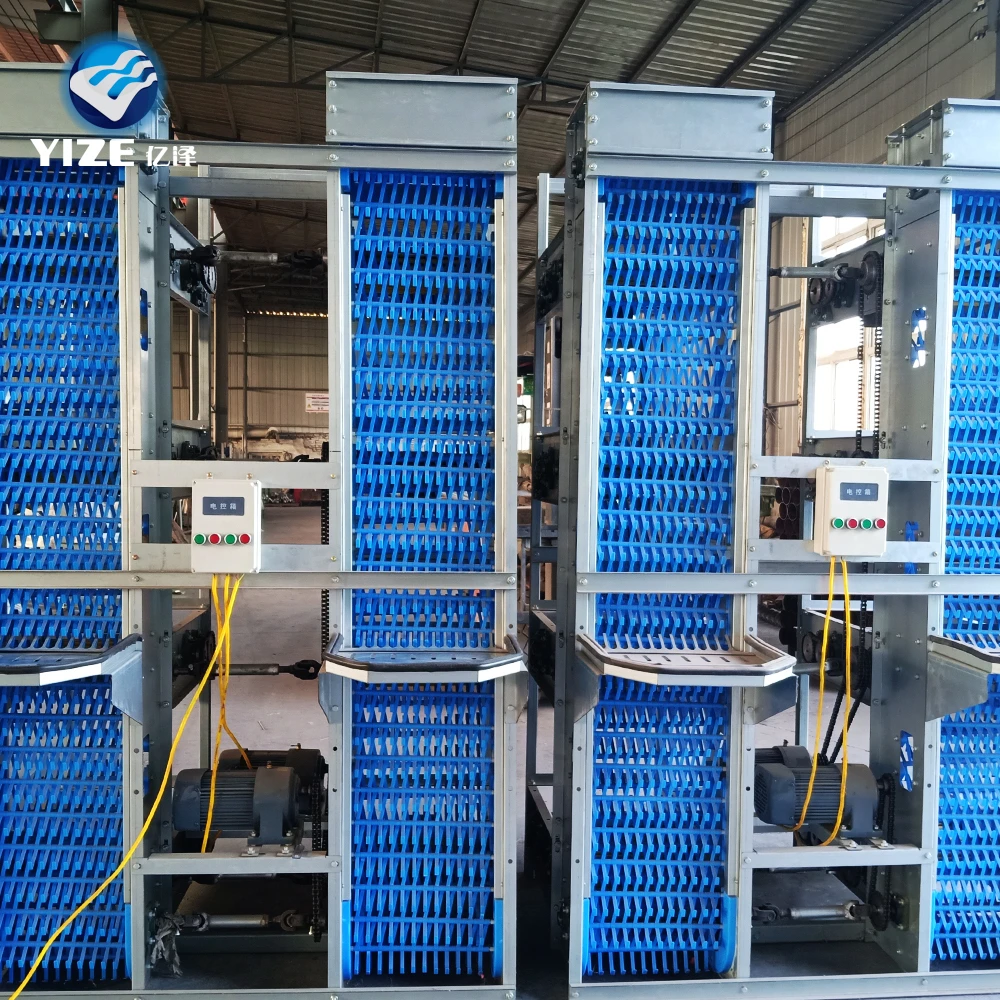
South Korea's livestock sector is characterized by high land costs and strict environmental regulations, forcing farms to shift from extensive open-air systems to intensified, high-tech indoor environments. The demand for a sophisticated cage house poultry system has surged as farmers seek to maximize vertical space while adhering to strict hygiene protocols.

Geographically, the peninsula's humid summers and cold winters require specialized climate control integrated into livestock housing. This has led to a market preference for prefabricated, thermally insulated structures that can accommodate an animal feed cutter system that ensures precise nutritional intake despite seasonal fodder variations.

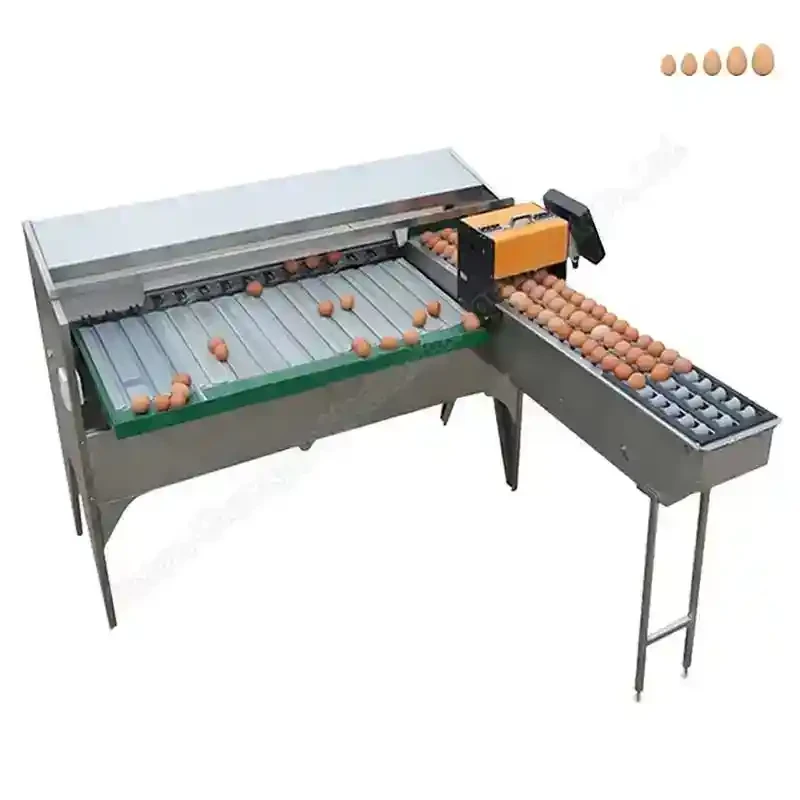
Furthermore, the South Korean government's "Smart Farm" initiative is pushing the industry toward full automation. This transition is particularly evident in the adoption of automated egg tray production line facilities to streamline the supply chain from poultry farm to urban retail centers in Seoul and Busan.
Evolution of South Korean Husbandry Machinery

From manual labor to AI-driven livestock management systems.

Market Development History

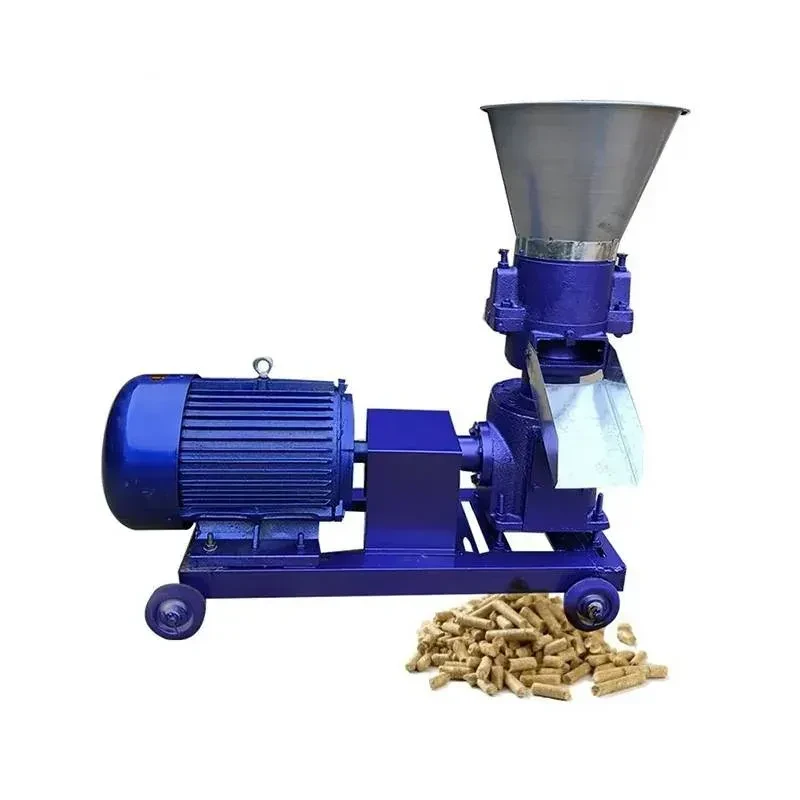
In the 1990s, South Korean livestock farming relied heavily on manual processes and simple wooden or iron structures. Feed preparation was rudimentary, often involving basic grinders before the widespread adoption of the industrial animal feed cutter.

Between 2000 and 2015, the industry entered a phase of "Industrial Standardization." This era saw the introduction of galvanized steel systems, including the first generation of the multi level rabbit cage, which allowed small-scale farmers to increase capacity without expanding their physical footprint.

From 2016 to the present, the focus has shifted to "Precision Livestock Farming" (PLF). This involves the integration of IoT sensors within a farrowing house for pigs to monitor sow health and piglet growth in real-time, reducing mortality rates significantly.

Future Development Trends

Zero-Emission Housing

Integration of waste-to-energy systems within cage houses to meet South Korea's carbon neutrality goals by 2050.

Robotic Egg Collection

The transition from traditional lines to fully robotic egg tray production line systems that minimize human contact and contamination.

AI-Driven Feed Optimization

Development of smart cutters that automatically adjust particle size based on the growth stage of the animal to maximize digestibility.

Strategic Outlook for South Korean Agri-Tech

Driving productivity through sustainable engineering and digitalization.

Vertical Integration
Maximizing land use in Gyeonggi-do through advanced multi-tier housing systems.
Biosecurity Automation
Reducing human intervention in poultry and pig houses to prevent viral outbreaks.
Precision Nutrition
Customizing feed textures via automated cutters to improve feed conversion ratios.
Eco-Circularity
Using recycled materials for egg tray production lines to align with ESG standards.

Industry Outlook

Based on Google search trends in the Asia-Pacific region, there is a marked increase in queries related to "automated livestock monitoring" and "animal welfare compliant housing." South Korean farmers are increasingly investing in equipment that proves compliance with international welfare standards to enter premium export markets.

Over the next 3-5 years, we expect a convergence of AI and mechanical engineering, where livestock equipment is no longer static but adaptive, adjusting temperature and feeding schedules based on real-time biometric data from the animals.

Localized Applications in South Korea

Real-world deployment of livestock machinery across various Korean provinces.

01. High-Density Poultry Farms in Gyeonggi Province

Implementing a cage house poultry system to maximize production in limited peri-urban spaces while ensuring optimal ventilation.

02. Specialized Rabbit Breeding in Gangwon-do

Deployment of a multi level rabbit cage to utilize the cooler mountain climate for high-yield breeding of luxury meat rabbits.

03. Industrial Egg Processing Centers in Chungcheong

Installing a high-speed egg tray production line to facilitate the rapid distribution of fresh eggs to the metropolitan area.

04. Commercial Pig Farms in Jeolla-do

Equipping modern farrowing house for pigs with precision heating mats and automatic feeding to increase weaning weights.

05. Small-Scale Organic Farms in Jeju Island

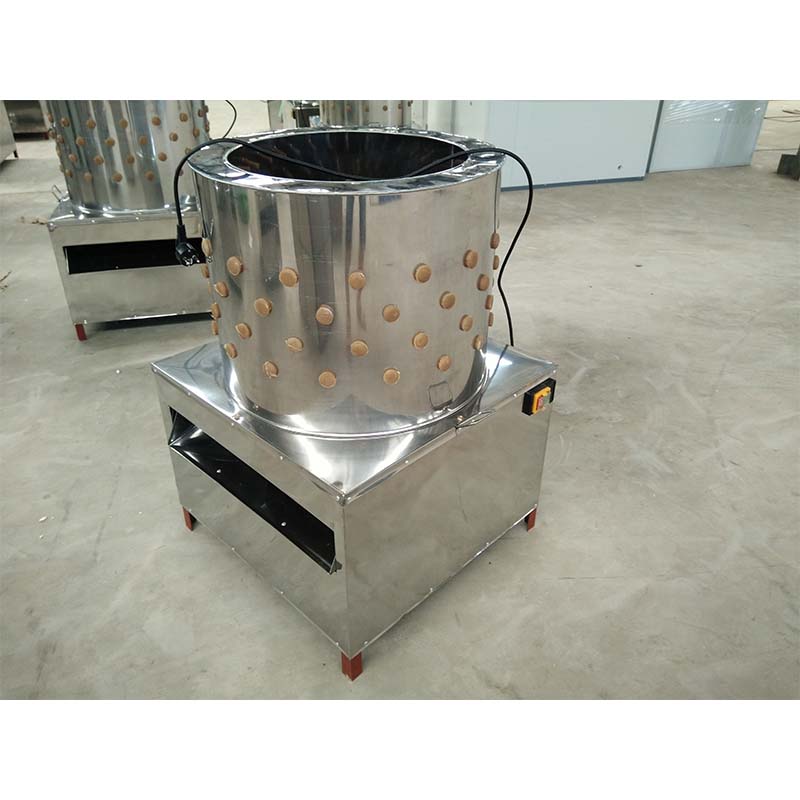
Utilizing a compact animal feed cutter to process local organic volcanic-soil fodder for sustainable livestock growth.

Brand Story

Global Development Journey of Anping Yize Metal Products Co., Ltd.

Foundational Excellence

Starting with a commitment to metallurgical precision, we focused on solving the durability issues of livestock cages in corrosive farm environments.

Technological Expansion

We expanded from simple cages to complete production lines, integrating automation into egg tray and feed processing machinery.

Global Market Entry

Recognizing the need for efficiency in Asia, we tailored our designs to fit the space-constrained farms of South Korea and Japan.

Innovation in Animal Welfare

Shifted focus toward ergonomic designs that reduce animal stress, directly improving the quality of livestock products for the end consumer.

The Vision for Tomorrow

Our mission is to lead the "Green Livestock Revolution" by providing sustainable, high-efficiency equipment to every corner of the globe.

Frequently Asked Questions for South Korean Farmers

Expert answers to common technical and regulatory queries.

How does the multi level rabbit cage comply with South Korean animal welfare laws?

Our cages are designed with specific dimensions and flooring materials that prevent foot injuries and provide sufficient movement space, meeting the latest animal welfare guidelines in Asia.

What is the daily capacity of a standard egg tray production line for poultry farms?

Depending on the model, our lines can produce from 1,000 to 5,000 trays per hour, ensuring that large-scale Korean poultry operations can package eggs immediately after collection.

Can a cage house poultry system be integrated with automatic climate control?

Yes, our systems are designed to be compatible with PLC-based climate controllers that manage humidity and temperature, which is critical for the Korean climate.

What are the key advantages of a modern farrowing house for pigs in terms of piglet survival?

Our farrowing houses feature anti-crush bars and localized heating zones that protect piglets from the sow, significantly reducing pre-weaning mortality rates.

Which materials are used in the animal feed cutter to prevent corrosion?

We use high-grade stainless steel and specialized anti-corrosive coatings to ensure longevity even when processing wet or acidic fermented feed.

Do you provide installation and training for egg tray production line operators in South Korea?

We provide comprehensive remote installation guidance and detailed video manuals, with options for on-site technical commissioning by our certified engineers.

Ready to Modernize Your Livestock Farm?

Contact our technical experts today for a customized equipment layout designed specifically for the environmental and regulatory requirements of South Korea.

Contact Us Now

If you are interested in our products, you can choose to leave your information here, and we will be in touch with you shortly.