Advanced farrowing house for pigs Solutions for Germany's Livestock Industry

Integrating precision engineering and animal welfare standards to optimize livestock productivity across the German agricultural landscape.

Advanced farrowing house for pigs Solutions for Germany's Livestock Industry

We provide high-performance livestock equipment tailored to the stringent European animal welfare laws, focusing on automation and environmental control.

The Landscape of Livestock Equipment in Germany

Navigating the intersection of high efficiency and strict regulatory compliance in Europe.

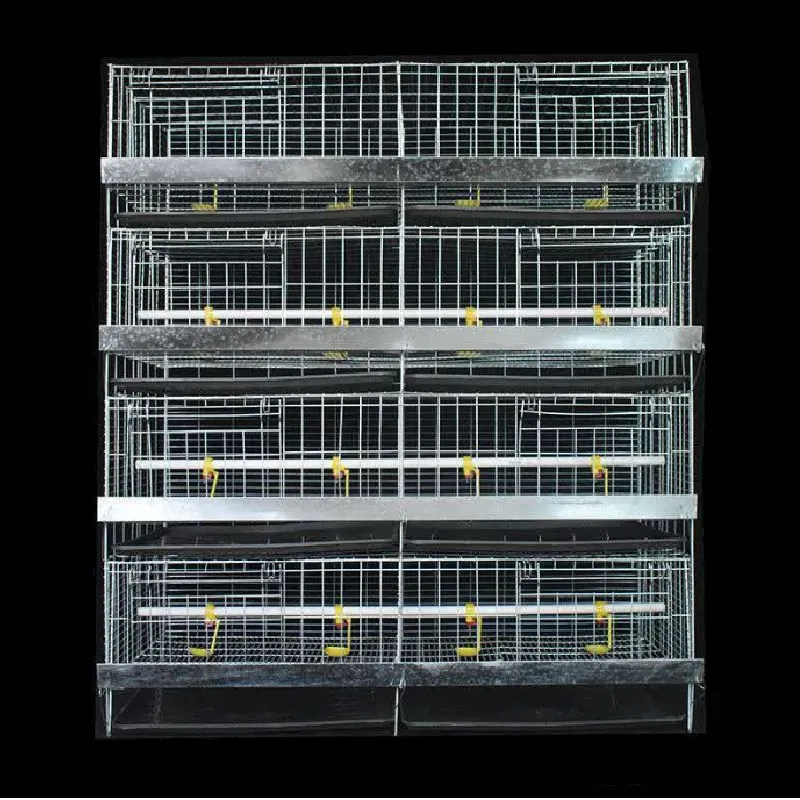
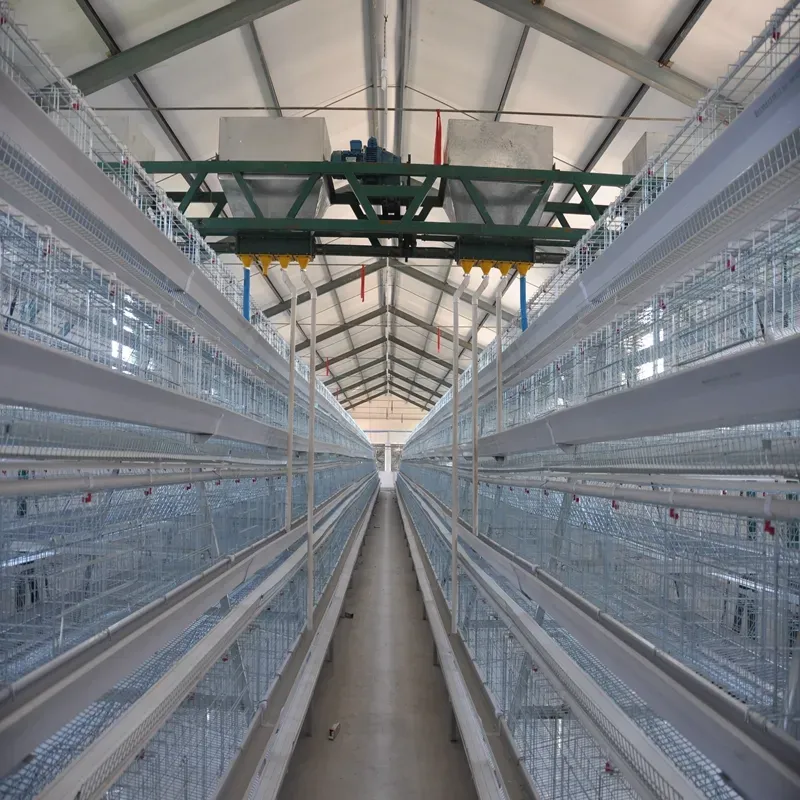
Germany represents one of the most demanding markets for livestock machinery due to its rigorous "Animal Welfare Act" and EU directives. Modern farms are shifting away from traditional confinement, creating a surge in demand for an optimized cage house poultry system that balances space with hygienic management.

The German climate, characterized by temperate seasonality, requires equipment that can maintain precise thermal stability. This is particularly critical for neonatal pigs, where a sophisticated farrowing house for pigs must integrate heat lamps and ventilation to prevent respiratory diseases during harsh winters.

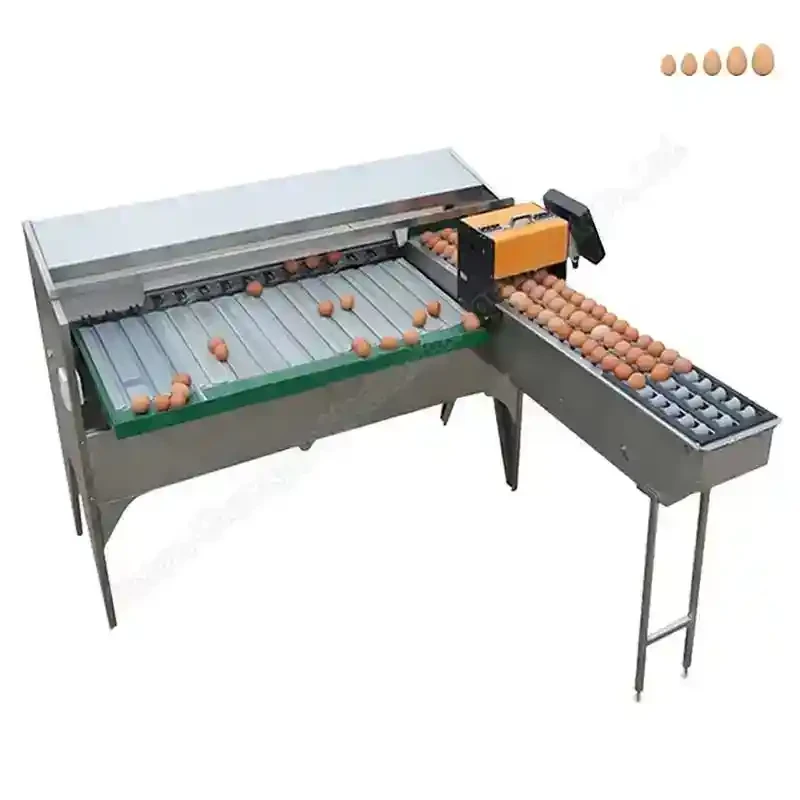
Economically, German farmers are investing heavily in circular economy models. The integration of an egg tray production line using recycled materials reflects the local commitment to sustainability and waste reduction in the poultry sector.
Evolution and Trajectory of Livestock Machinery

From manual labor to Industry 4.0 integration in animal husbandry.

Market Development History

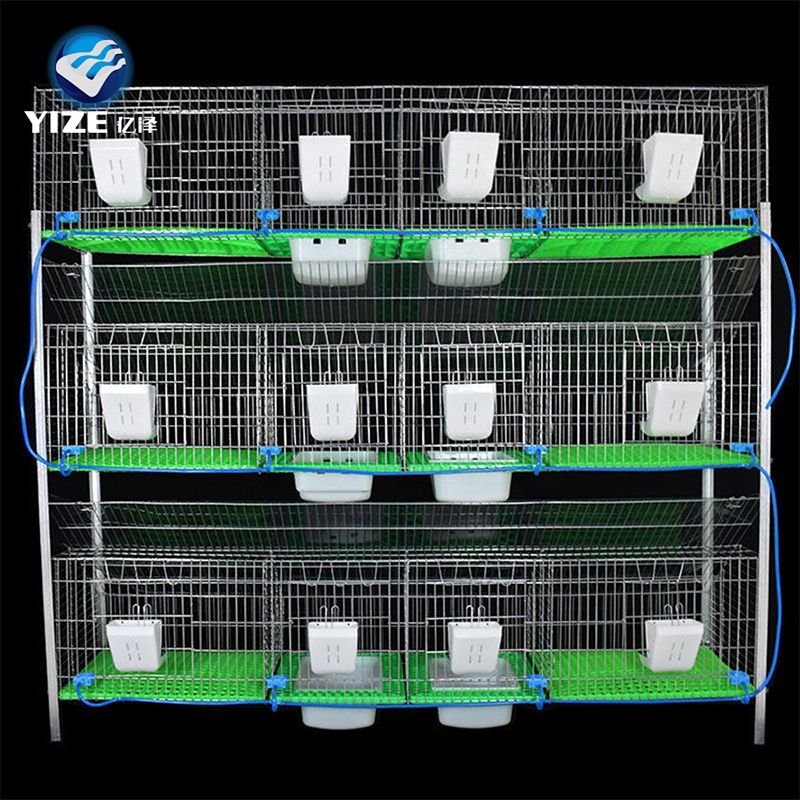
In the 1990s, the German market relied primarily on galvanized steel structures and manual feeding. The focus was on durability and basic sanitation, with simple setups like the early multi level rabbit cage providing basic vertical space optimization.

Between 2005 and 2015, the transition to semi-automation began. The introduction of PLC-controlled feeding and climate sensors transformed the cage house poultry into a data-driven environment, reducing labor costs and improving yield consistency.

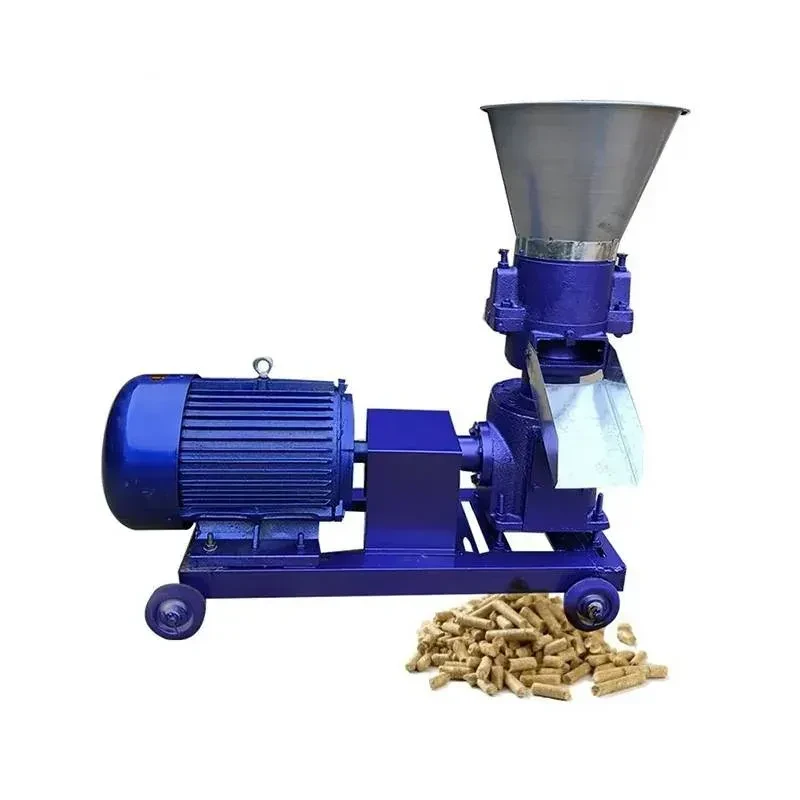
From 2016 to the present, the "Smart Farming" era has arrived. Modern equipment now emphasizes ergonomics and precision, such as the high-torque animal feed cutter which ensures uniform particle size for optimized nutrient absorption.

Future Development Trends

AI-Driven Health Monitoring

Integration of computer vision in housing to detect illness early through behavioral analysis, reducing antibiotic usage in line with EU goals.

Modular and Expandable Designs

A shift toward flexible architectures that allow farmers to scale their capacity without complete facility reconstructions.

Carbon-Neutral Manufacturing

The use of green steel and energy-efficient motors in production lines to meet the German government's strict CO2 emission targets.

Industry Trends and Future Outlook

Strategic foresight into the next generation of specialized livestock equipment.

Precision Nutrition Automation
Advanced synchronization between the animal feed cutter and automatic distributors to ensure zero waste.
Circular Packaging Systems
Upgrading the egg tray production line to handle biodegradable composites for eco-certified farms.
Welfare-Centric Layouts
Redesigning the multi level rabbit cage to allow more natural movement and social interaction.
IoT Environmental Control
Cloud-based monitoring for the farrowing house for pigs to optimize ammonia levels and humidity.

Industry Outlook

According to Google search trends in the DACH region, there is a significant rise in queries regarding "sustainable livestock engineering." This indicates that the market is moving toward systems that reduce environmental footprints while maintaining high caloric output.

Over the next 3-5 years, we expect a convergence of biotechnology and mechanical engineering, where the hardware adapts in real-time to the biological needs of the animals, drastically reducing mortality rates in intensive farming.

Localized Application Scenarios in Germany

Practical deployments across diverse German agricultural environments.

1. Bavaria's Family-Owned Pig Farms

Implementation of a customized farrowing house for pigs focusing on individual sow comfort and piglets' safety, meeting Bavarian state animal welfare guidelines.

2. Lower Saxony Poultry Hubs

Deployment of large-scale cage house poultry systems with integrated waste collection to comply with nitrogen emission limits in Northern Germany.

3. North Rhine-Westphalia Feed Mills

Installation of heavy-duty animal feed cutter units for commercial feed production, ensuring high throughput for regional livestock cooperatives.

4. Saxony Specialized Rabbitry

Application of a space-saving multi level rabbit cage system for research and high-value breeding centers in Eastern Germany.

5. Baden-Württemberg Egg Cooperatives

Setup of a full-automation egg tray production line using local recycled pulp to provide sustainable packaging for regional organic eggs.

Brand Story

Global Development Journey of Anping Yize Metal Products Co., Ltd.

Foundation of Excellence

Started with a commitment to high-quality metal fabrication, focusing on the core needs of livestock durability.

Technological Pivot

Transitioned from simple cages to automated systems, integrating electronics to solve the pain point of labor shortages.

European Market Entry

Tailored our engineering to meet EU standards, establishing a strong presence in Germany through rigorous quality control.

Innovation Leadership

Pioneered the use of sustainable materials in production lines, reducing the ecological footprint of livestock farming.

Global Vision

Expanding as a comprehensive solution provider for smart husbandry, empowering farmers worldwide with precision tools.

Common Questions from German Livestock Farmers

Expert answers to technical and regulatory queries.

Does your farrowing house for pigs comply with German animal welfare laws?

Yes, our designs prioritize the freedom of movement and thermal comfort required by the latest German animal welfare regulations, featuring adjustable heating and ergonomic layouts.

What is the production capacity of the egg tray production line for small cooperatives?

We offer modular scales ranging from 1,000 to 5,000 trays per hour, allowing small cooperatives to scale their production as their demand grows.

How does the multi level rabbit cage ensure hygiene in high-density setups?

Our cages feature automated waste removal slopes and high-grade galvanized coatings that prevent corrosion and allow for rapid disinfection.

Can the cage house poultry system be integrated with existing ventilation?

Absolutely. Our systems are designed with open-API controllers that can synchronize with most European HVAC and ventilation brands.

What materials are best for the animal feed cutter to prevent wear and tear?

We use tungsten-carbide tipped blades and reinforced manganese steel, which are ideal for the diverse and often abrasive feed mixtures used in Germany.

What is the lead time for customized equipment delivered to Germany?

Typical lead times range from 3 to 6 weeks depending on customization, followed by secure logistics and professional installation support.

Ready to Optimize Your Farm?

Our engineering team is ready to provide bespoke livestock solutions for your operations in Germany.

Contact Us Now

If you are interested in our products, you can choose to leave your information here, and we will be in touch with you shortly.