
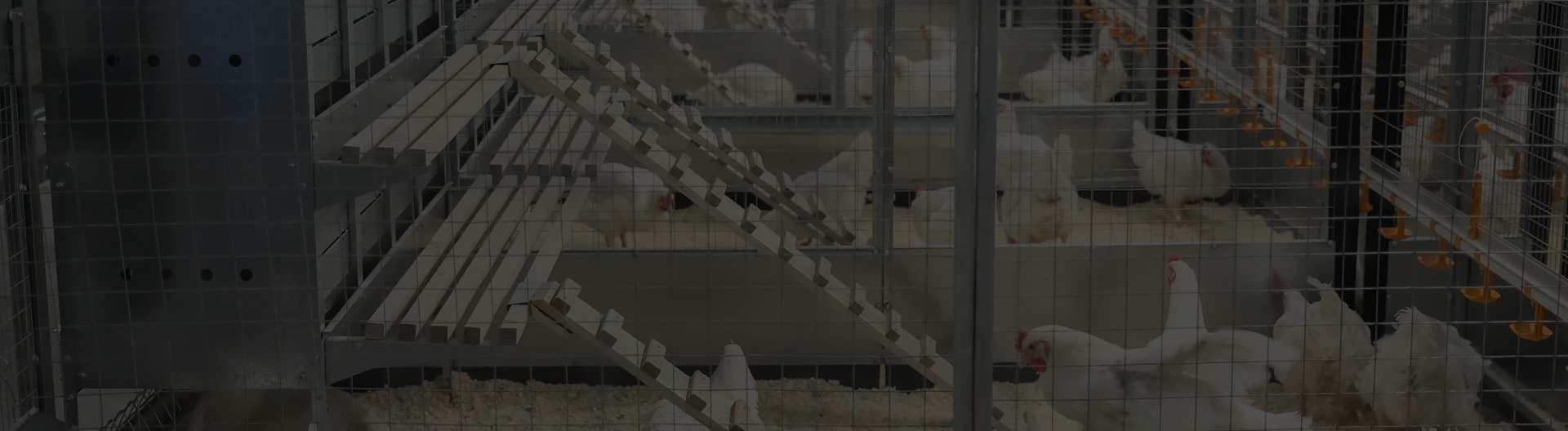
Egg Collection Machine Compatible with Multi-Layer Cage Systems
დეკ . 11, 2025 15:05 სიაში დაბრუნება
Egg Collection Machine Compatible with Multi-Layer Cage Systems
The dramatic shift in commercial layer farming toward multi-layer cage systems has necessitated corresponding advancements in egg handling. While multi-tier cages maximize housing density and optimize feed delivery, the efficiency of the entire operation hinges on the seamless, gentle, and automated removal of eggs.
The Necessity of Automation in High-Density Systems
Modern layer houses, particularly those utilizing multi-layer or vertical "A-frame" and "H-frame" cages, can house hundreds of thousands of birds within a single barn. Each cage tier is designed with a sloped floor that allows the freshly laid egg to roll out immediately onto a collection surface. Without automation, the manual collection of eggs from multiple tiers across long rows would be an insurmountable task, leading to high labor costs, increased egg breakage, and compromised hygiene.
The automatic egg collecting machine solves this logistical problem by integrating seamlessly with the cage structure, providing a mechanical solution for a biological process. Its primary function is to gather eggs from all tiers simultaneously and transport them to a central packing area with minimal shock or contamination.
Core Components of the Egg Collection Machine
A complete collection system is an integrated network of belts, lifts, and conveyors designed for reliability and gentleness.
1. The Egg Conveyor Belt (The Lifeline)
Running along the front or rear of each cage tier is a specialized, food-grade belt—typically made of plastic or fabric. As the eggs roll out of the cage, they rest on this belt.
Material Selection: The belt material is chosen for its softness, ease of cleaning, and resistance to bacterial growth.
Speed Control: The belt moves slowly and consistently to prevent the eggs from colliding or piling up, a key factor in reducing hairline cracks and breakages.
2. The Vertical Egg Lift (The Elevator)
Once the eggs from all rows of a single tier reach the end of the cage row, they must be transported vertically to a common collection point, usually located on the central corridor level. This is the function of the vertical egg lift, the most complex mechanical part of the automatic egg collecting machine.
Gentle Transfer: The eggs are delicately transferred from the horizontal tier belt onto the vertical lift using specialized plastic fingers or cups.
Accumulation: The lift system accumulates the eggs from the different cage layers (e.g., layers 1, 2, 3, and 4) and deposits them one after another onto the main central conveyor.
3. The Central Cross-Conveyor
This is the main artery that runs the length of the poultry house. It receives the accumulated eggs from all the vertical lifts along the rows and carries them out of the shed to the egg grading or packaging room.
Design: These belts are often wider and more robust, sometimes featuring protective covers to shield the eggs from dust or physical impact during transit over long distances.
Operational Benefits of the Automatic Egg Collecting Machine
The adoption of an automatic egg collecting machine provides layer operations with substantial improvements across efficiency, quality, and economics.
1. Minimization of Egg Breakage
In manual collection, human error, collision during handling, and the simple act of carrying baskets lead to a significant percentage of cracked or broken eggs. Automated systems are engineered for "soft handling."
Controlled Speed and Motion: Every transfer point, from the cage floor to the final conveyor, involves controlled speeds and cushioning materials, which significantly reduces the frequency of collisions. Studies show that automated systems can cut down hairline cracks by 30% or more compared to manual collection.
2. Reduced Labor Costs and Increased Efficiency
A single operator can oversee the collection process for a house containing over 100,000 birds using an egg collection machine.
Labor Savings: The necessity for dozens of workers to manually collect eggs is eliminated, leading to massive savings in labor expenses.
Time Management: Eggs are collected rapidly after laying, allowing management to synchronize collection with processing times, ensuring a quicker turnaround from cage to carton.
3. Enhanced Hygiene and Food Safety
The system minimizes human-to-egg contact, a critical factor in maintaining food safety standards.
Clean Environment: Eggs are kept clean as they roll immediately away from the cage and the bird environment. The collection belts themselves are easy to clean and sanitize.
Reduced Cross-Contamination: The absence of manual handling reduces the risk of transferring bacteria from hands, clothing, or the floor onto the eggshell.
Compatibility and Integration with Multi-Layer Systems
The success of the automatic egg collecting machine relies on its perfect compatibility with the multi-layer cage architecture.
Modular Design: The collection system is designed to be modular, fitting standard 'A' or 'H' frame dimensions used in commercial multi-layer cage system installations. Whether the system has three tiers or six, the belts and lifts scale accordingly.
Centralized Control: The entire process is controlled from a single panel. When the farmer decides to run the collection cycle, the belts on all tiers and the vertical lifts are activated simultaneously and synchronized to prevent backups.
Future-Proofing: Modern machines are increasingly being integrated with smart technology, allowing for automatic monitoring of belt function and even counting of eggs per cage row, providing valuable data on flock performance and potentially identifying underperforming areas of the farm.
The Egg Collection Machine Compatible with Multi-Layer Cage Systems is no longer a luxury but a fundamental necessity for modern, high-volume layer operations. By providing a swift, gentle, and hygienic method for transporting eggs from the cage to the processing plant, the automatic egg collecting machine drastically cuts labor costs, maximizes egg quality by minimizing breakage, and ensures the highest standards of food safety. It serves as the final, critical automated link in the production chain, validating the efficiency and productivity gains offered by multi-layer layer cage technology.
-
Professional Mini Poultry Cage for Efficient Small Scale Farming
სიახლეებიApr.16,2026
-
Optimizing Poultry Production with Advanced Cage System Poultry
სიახლეებიApr.09,2026
-
Optimizing Layer Poultry Cages for Efficient and Profitable Egg Production
სიახლეებიApr.07,2026
-
Comprehensive Guide to Poultry Cages for Layers and Modern Farming Solutions
სიახლეებიApr.04,2026
-
Comprehensive Guide to Optimizing Poultry Laying Cages for Egg Production
სიახლეებიMar.31,2026
-
Maximize Egg Production with Efficient Poultry Layer Cage Systems
სიახლეებიMar.28,2026





 English
 Afrikaans
 Albanian
 Amharic
 Arabic
 Armenian
 Azerbaijani
 Basque
 Belarusian
 Bengali
 Bosnian
 Bulgarian
 Catalan
 Cebuano
 Corsican
 Croatian
 Czech
Czech
 Danish
 Dutch
Dutch
 Esperanto
 Estonian
 Finnish
 French
 Frisian
 Galician
 German
 Greek
Greek
 Gujarati
 Haitian Creole
 Hausa
Hausa
 Hawaiian
 Hebrew
 Hindi
Hindi
 Miao
Miao
 Hungarian
 Icelandic
 Igbo
Igbo
 Indonesian
 Irish
Irish
 Italian
 Japanese
 Javanese
 Kannada
 Kazakh
 Khmer
Khmer
 Rwandese
 Korean
 Kurdish
 Kyrgyz
 Lao
Lao
 Latin
Latin
 Latvian
 Lithuanian
 Luxembourgish
 Macedonian
 Malgashi
 Malay
Malay
 Malayalam
 Maltese
 Maori
Maori
 Marathi
 Mongolian
 Myanmar
 Nepali
 Norwegian
 Norwegian
 Occitan
 Pashto
 Persian
 Polish
 Portuguese
 Punjabi
 Romanian
 Russian
 Samoan
 Scottish Gaelic
 Serbian
 Sesotho
 Shona
Shona
 Sindhi
 Sinhala
 Slovak
 Slovenian
 Somali
 Spanish
 Sundanese
 Swahili
 Swedish
 Tagalog
 Tajik
Tajik
 Tamil
Tamil
 Tatar
Tatar
 Telugu
 Thai
Thai
 Turkish
 Turkmen
 Ukrainian
 Urdu
Urdu
 Uighur
 Uzbek
Uzbek
 Vietnamese
 Welsh
Welsh
 Bantu
Bantu
 Yiddish
 Yoruba
 Georgian