Scalder technology, encompassing rapid deployment and adaptable modular solutions, is increasingly vital in addressing global challenges. From providing immediate shelter in disaster relief to establishing functional infrastructure in remote locations, scalder offers a unique blend of speed, efficiency, and cost-effectiveness. Understanding the core principles and advancements within scalder is critical for organizations and governments striving to build resilient and sustainable communities.
The global need for scalable infrastructure is driven by factors such as natural disasters, population displacement, and economic development in underserved areas. The United Nations estimates that millions are displaced annually due to climate-related events, creating an urgent demand for rapid housing solutions. Scalder addresses this need by offering a sustainable alternative to traditional construction methods, reducing environmental impact and logistical complexities.
Scalder isn’t just about building structures; it's about rebuilding lives and economies. Its adaptability allows for customized solutions, catering to diverse needs ranging from temporary housing to permanent industrial facilities. This inherent flexibility positions scalder as a crucial tool in the toolkit for humanitarian aid, disaster management, and sustainable development initiatives worldwide.
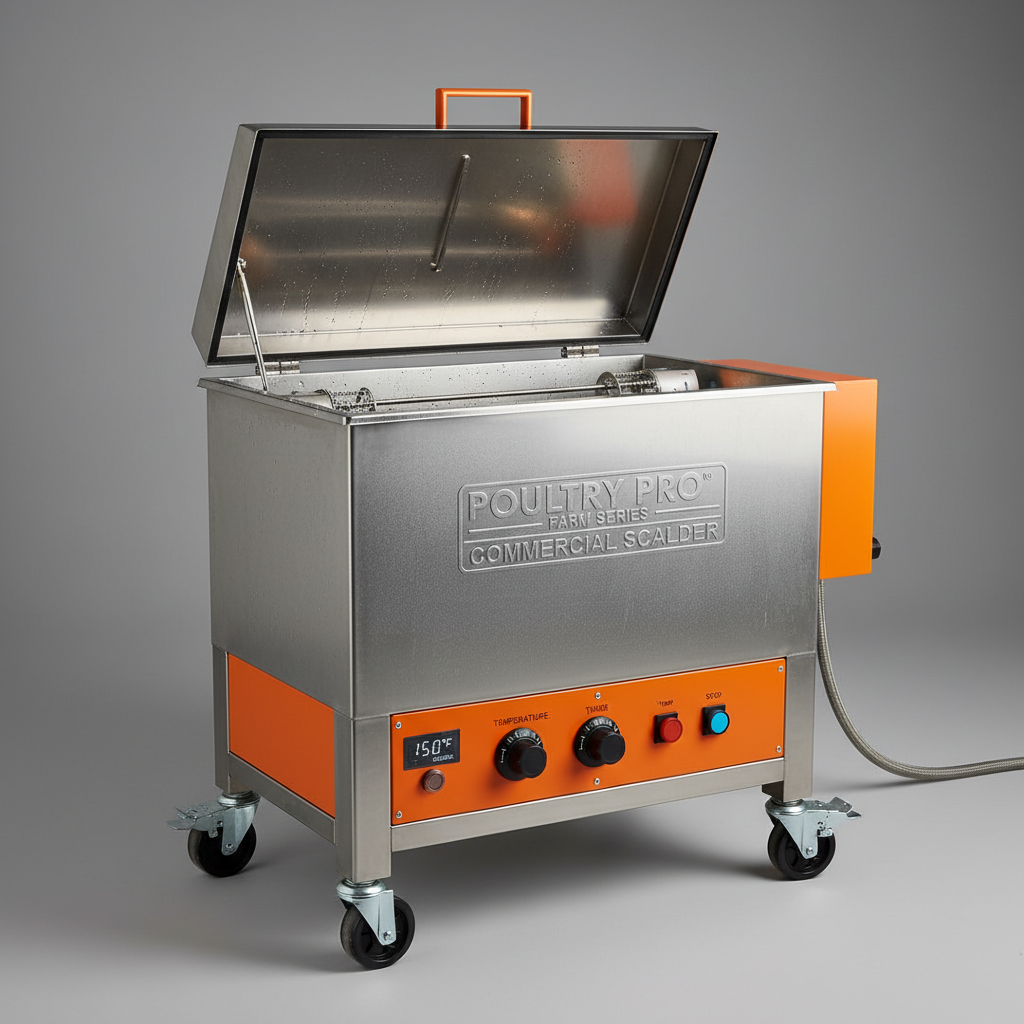
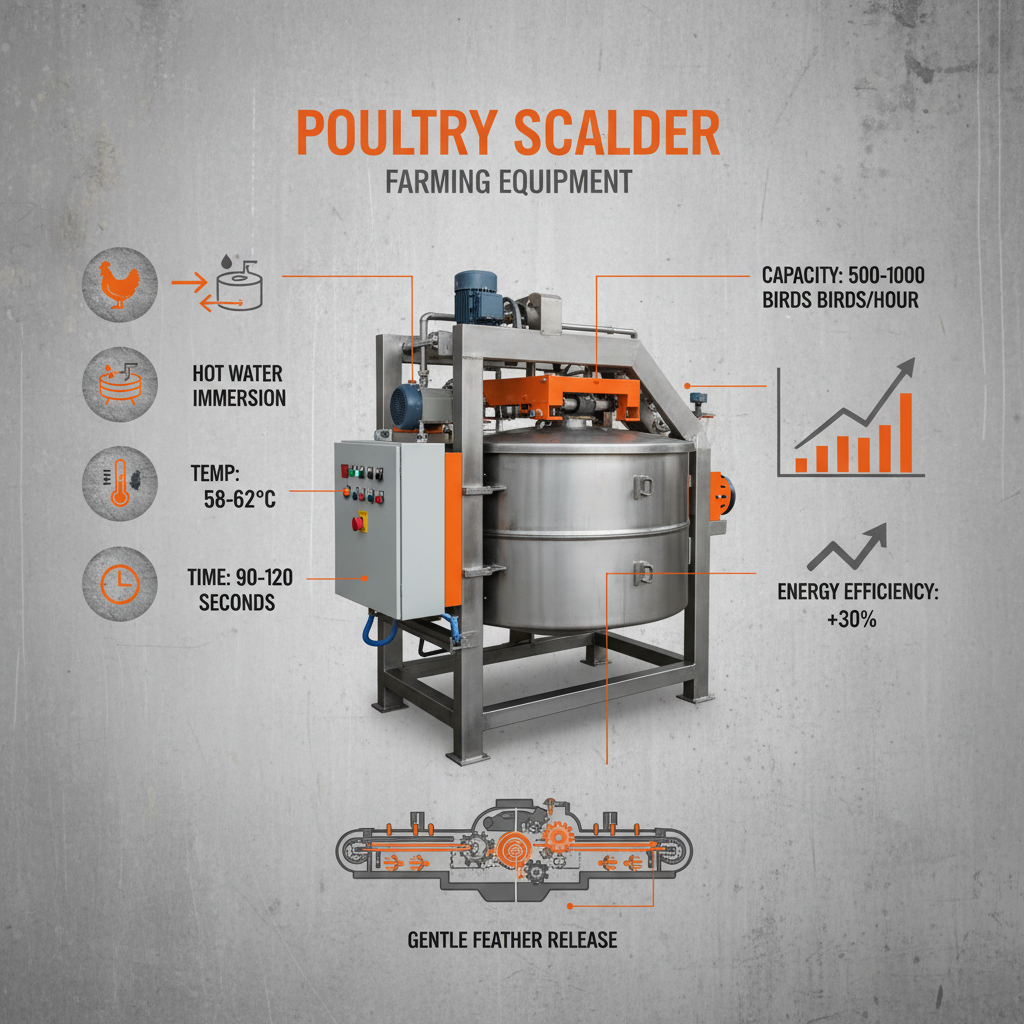
At its core, scalder refers to rapidly deployable, modular infrastructure designed for scalability and adaptability. This can range from container-based shelters and prefabricated buildings to larger-scale industrial facilities built using modular components. The defining characteristic of scalder lies in its ability to be quickly assembled, disassembled, and reconfigured to meet changing needs.
The concept of scalder is closely tied to modern industry's demand for agile and responsive solutions. Beyond humanitarian aid, scalder is increasingly used in industries like mining, construction, and oil & gas, where temporary or remote facilities are required. This connection to practical, real-world applications drives ongoing innovation and refinement of scalder technologies.
Scalder drastically reduces construction time—often by 30-50%—due to its prefabrication and modular design. This translates directly into lower labor costs and reduced project overhead. Furthermore, scalder minimizes on-site waste and disruption, contributing to a more sustainable and efficient building process. The adaptability of scalder structures allows for quicker responses to changing needs, a flexibility traditional construction struggles to match.
With proper materials and maintenance, a scalder structure can last for decades, even in harsh environments. High-grade steel, reinforced concrete, and composite materials provide exceptional durability. Regular inspections, corrosion protection, and timely repairs are essential to maximize lifespan. Furthermore, the modular nature allows for easy replacement of damaged components, extending the overall lifespan of the structure. Some designs are rated for wind speeds exceeding 150 mph and seismic activity.
Scalder can be significantly more eco-friendly than conventional construction. Prefabrication minimizes waste, and the use of recycled materials further reduces environmental impact. Energy-efficient designs and the potential for integrating renewable energy sources contribute to a lower carbon footprint. While the initial investment might be comparable, the reduced construction time, lower maintenance costs, and potential for repurposing make scalder highly cost-effective over its lifecycle.
Importing scalder units can involve navigating complex customs regulations, tariffs, and transportation logistics. NGOs can overcome these challenges by partnering with experienced logistics providers specializing in international shipping. Pre-shipment inspections and clear documentation are crucial. Exploring free trade agreements and seeking exemptions for humanitarian aid can reduce costs. Establishing strong relationships with local authorities can also streamline the import process.
Absolutely. Scalder's modular design allows for extensive customization. Exterior finishes, interior layouts, and even structural elements can be adapted to suit local architectural styles and cultural preferences. The flexibility to integrate locally sourced materials and incorporate traditional building techniques further enhances cultural sensitivity and ensures the structures are well-received within the community.
Regular maintenance is critical. This includes periodic inspections for corrosion, leaks, and structural damage. Protective coatings should be reapplied as needed, and any damaged components should be promptly repaired or replaced. Maintaining proper ventilation and ensuring the functionality of electrical and plumbing systems are also essential. Implementing a preventative maintenance schedule will maximize the lifespan and safety of the structure.
Scalder represents a paradigm shift in construction and infrastructure development, offering a powerful combination of speed, efficiency, cost-effectiveness, and sustainability. From responding to humanitarian crises to supporting industrial growth, scalder's versatility and adaptability make it an invaluable tool for addressing global challenges. Its ability to deliver rapid, reliable, and customized solutions positions it as a key enabler of resilient and thriving communities.
Looking ahead, continued innovation in materials, manufacturing processes, and smart technologies will further enhance the capabilities of scalder. By embracing a collaborative approach and prioritizing sustainability, we can unlock the full potential of scalder to create a more equitable and resilient future. Learn more about how scalder can benefit your organization by visiting our website: www.yizemachine.com






 Afrikaans
 Albanian
 Amharic
 Arabic
 Armenian
 Azerbaijani
 Basque
 Belarusian
 Bengali
 Bosnian
 Bulgarian
 Catalan
 Cebuano
 Corsican
 Croatian
 Czech
Czech
 Danish
 Dutch
Dutch
 Esperanto
 Estonian
 Finnish
 French
 Frisian
 Galician
 Georgian
 German
 Greek
Greek
 Gujarati
 Haitian Creole
 Hausa
Hausa
 Hawaiian
 Hebrew
 Hindi
Hindi
 Miao
Miao
 Hungarian
 Icelandic
 Igbo
Igbo
 Indonesian
 Irish
Irish
 Italian
 Japanese
 Javanese
 Kannada
 Kazakh
 Khmer
Khmer
 Rwandese
 Korean
 Kurdish
 Kyrgyz
 Lao
Lao
 Latin
Latin
 Latvian
 Lithuanian
 Luxembourgish
 Macedonian
 Malgashi
 Malay
Malay
 Malayalam
 Maltese
 Maori
Maori
 Marathi
 Mongolian
 Myanmar
 Nepali
 Norwegian
 Norwegian
 Occitan
 Pashto
 Persian
 Polish
 Portuguese
 Punjabi
 Romanian
 Russian
 Samoan
 Scottish Gaelic
 Serbian
 Sesotho
 Shona
Shona
 Sindhi
 Sinhala
 Slovak
 Slovenian
 Somali
 Spanish
 Sundanese
 Swahili
 Swedish
 Tagalog
 Tajik
Tajik
 Tamil
Tamil
 Tatar
Tatar
 Telugu
 Thai
Thai
 Turkish
 Turkmen
 Ukrainian
 Urdu
Urdu
 Uighur
 Uzbek
Uzbek
 Vietnamese
 Welsh
Welsh
 Bantu
Bantu
 Yiddish
 Yoruba
 English