Rabbit transport cages are essential components in modern rabbit farming, playing a critical role in the safe and efficient movement of animals. Globally, the demand for rabbit meat and fur continues to rise, driving the need for specialized equipment like these cages. Efficient transport minimizes stress on the rabbits, reduces mortality rates, and ultimately improves the economic viability of rabbit production. Understanding the nuances of rabbit transport cages – from material selection to design features – is therefore crucial for producers, distributors, and animal welfare organizations alike.
The industry surrounding rabbit transport cages is evolving rapidly, influenced by growing concerns for animal welfare and biosecurity. International trade regulations and the increasing scale of rabbit farming operations necessitate robust, hygienic, and easily sanitized transport solutions. The selection of appropriate cages directly impacts the health, productivity, and overall well-being of the rabbits being transported, influencing profitability and market access.
These cages are not merely containers; they represent a link in the supply chain, ensuring rabbits reach their destination in optimal condition. Investing in high-quality rabbit transport cages isn’t just a logistical necessity but a commitment to responsible and sustainable agriculture.
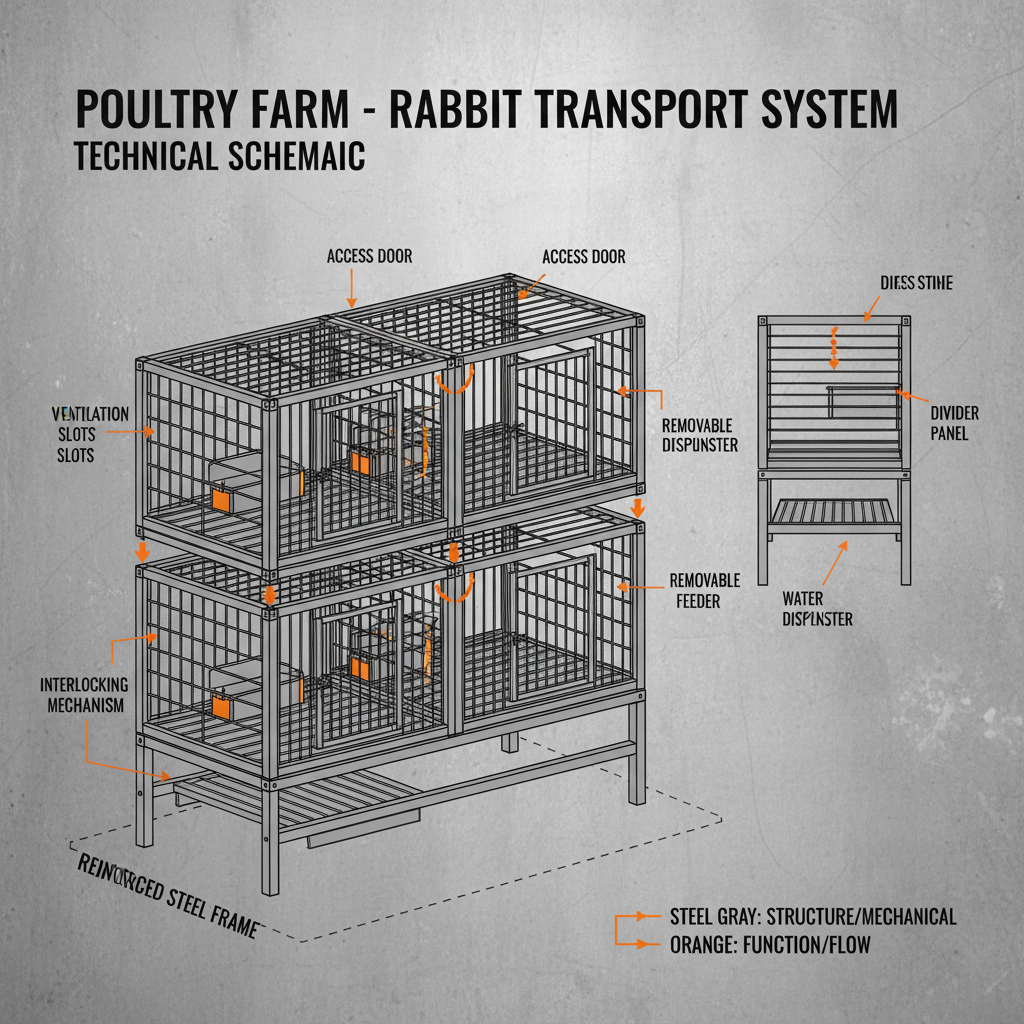
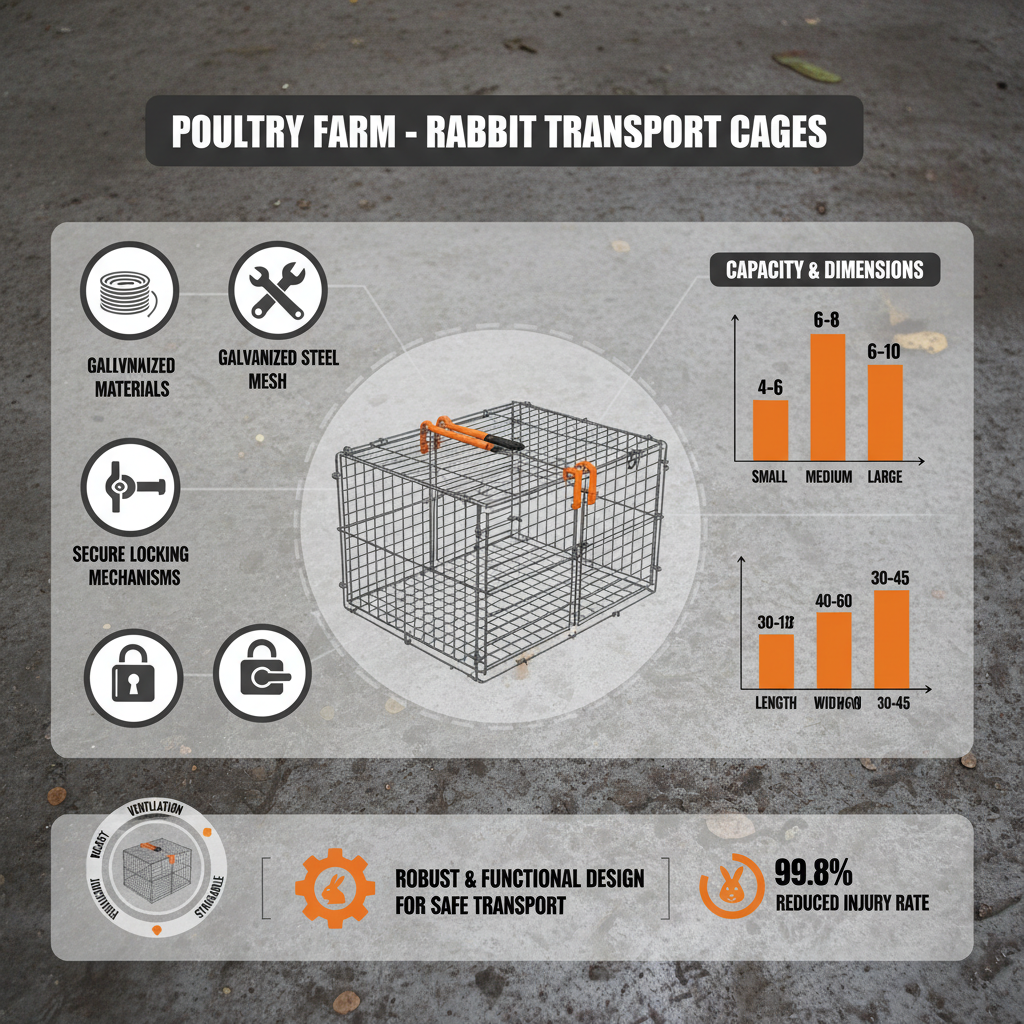
The global rabbit meat market is experiencing consistent growth, particularly in Europe, Asia, and North America. According to FAOSTAT data, rabbit meat accounts for approximately 20% of all meat consumed globally, with significant regional variations. This demand necessitates efficient and humane transportation methods, making robust rabbit transport cages indispensable.
Furthermore, the live rabbit trade—for breeding, showing, and even pet purposes—requires specialized transport solutions. The international movement of rabbits is subject to stringent veterinary regulations and biosecurity protocols, demanding cages that meet specific hygiene standards and minimize the risk of disease transmission. Effective rabbit transport cages contribute directly to maintaining animal health, adhering to international standards, and facilitating global trade.
High-density polyethylene (HDPE) and polypropylene are commonly used for plastic cages due to their strength, resistance to chemicals, and ease of cleaning. For metal cages, galvanized steel or stainless steel offer excellent durability and corrosion resistance. The ideal material choice depends on the specific application and budget, balancing cost with longevity and performance.
Ventilation is crucial for rabbit health during transport. Poor ventilation can lead to overheating, build-up of ammonia from waste, and increased stress levels. Adequate airflow helps maintain air quality, regulate temperature, and minimize respiratory problems. Cages should have sufficient ventilation holes and be designed to promote air circulation.
Regular cleaning and disinfection are essential to prevent the spread of disease. After each use, cages should be thoroughly washed with a mild detergent and hot water. A disinfectant approved for use with animals should then be applied, followed by a thorough rinsing. Allowing cages to dry completely before reuse is also important.
Cages should feature secure locking mechanisms to prevent rabbits from escaping. Ensure the latches are functioning correctly before each use. When stacking cages, use interlocking systems or secure restraints to prevent them from shifting during transit. Properly securing the cages within the transport vehicle is also crucial.
Yes, many countries and regions have regulations governing the transport of live animals, including rabbits. These regulations may specify minimum cage size requirements, ventilation standards, and hygiene protocols. It’s essential to comply with all applicable regulations to ensure animal welfare and avoid legal issues.
Modular cages offer several advantages, including efficient space utilization, easy stacking, and flexibility in configuration. They can be adapted to accommodate different numbers of rabbits and various transportation scenarios. Their standardized design often simplifies cleaning and maintenance procedures. Investing in rabbit transport cages like these leads to operational efficiencies.
In conclusion, rabbit transport cages are not merely containers but essential components of a responsible and efficient rabbit production system. Their design and construction directly impact animal welfare, biosecurity, and economic viability. Selecting high-quality cages, implementing proper cleaning protocols, and adhering to relevant regulations are crucial for success.
Looking ahead, innovation in materials, automation, and data-driven monitoring will continue to shape the future of rabbit transport. By embracing these advancements, producers can optimize their operations, improve animal welfare, and contribute to a more sustainable and resilient agricultural sector. Visit our website at www.yizemachine.com to explore our comprehensive range of rabbit transport cages and other breeding automation solutions.






 Afrikaans
 Albanian
 Amharic
 Arabic
 Armenian
 Azerbaijani
 Basque
 Belarusian
 Bengali
 Bosnian
 Bulgarian
 Catalan
 Cebuano
 Corsican
 Croatian
 Czech
Czech
 Danish
 Dutch
Dutch
 Esperanto
 Estonian
 Finnish
 French
 Frisian
 Galician
 Georgian
 German
 Greek
Greek
 Gujarati
 Haitian Creole
 Hausa
Hausa
 Hawaiian
 Hebrew
 Hindi
Hindi
 Miao
Miao
 Hungarian
 Icelandic
 Igbo
Igbo
 Indonesian
 Irish
Irish
 Italian
 Japanese
 Javanese
 Kannada
 Kazakh
 Khmer
Khmer
 Rwandese
 Korean
 Kurdish
 Kyrgyz
 Lao
Lao
 Latin
Latin
 Latvian
 Lithuanian
 Luxembourgish
 Macedonian
 Malgashi
 Malay
Malay
 Malayalam
 Maltese
 Maori
Maori
 Marathi
 Mongolian
 Myanmar
 Nepali
 Norwegian
 Norwegian
 Occitan
 Pashto
 Persian
 Polish
 Portuguese
 Punjabi
 Romanian
 Russian
 Samoan
 Scottish Gaelic
 Serbian
 Sesotho
 Shona
Shona
 Sindhi
 Sinhala
 Slovak
 Slovenian
 Somali
 Spanish
 Sundanese
 Swahili
 Swedish
 Tagalog
 Tajik
Tajik
 Tamil
Tamil
 Tatar
Tatar
 Telugu
 Thai
Thai
 Turkish
 Turkmen
 Ukrainian
 Urdu
Urdu
 Uighur
 Uzbek
Uzbek
 Vietnamese
 Welsh
Welsh
 Bantu
Bantu
 Yiddish
 Yoruba
 English