The careful selection and implementation of a male rabbit cage is crucial for responsible and efficient rabbit husbandry. Globally, rabbit production is a significant contributor to the food supply and provides economic opportunities for countless individuals. The design and functionality of housing, particularly a well-designed male rabbit cage, directly impacts animal welfare, breeding success, disease prevention, and ultimately, the overall productivity of rabbit farms.
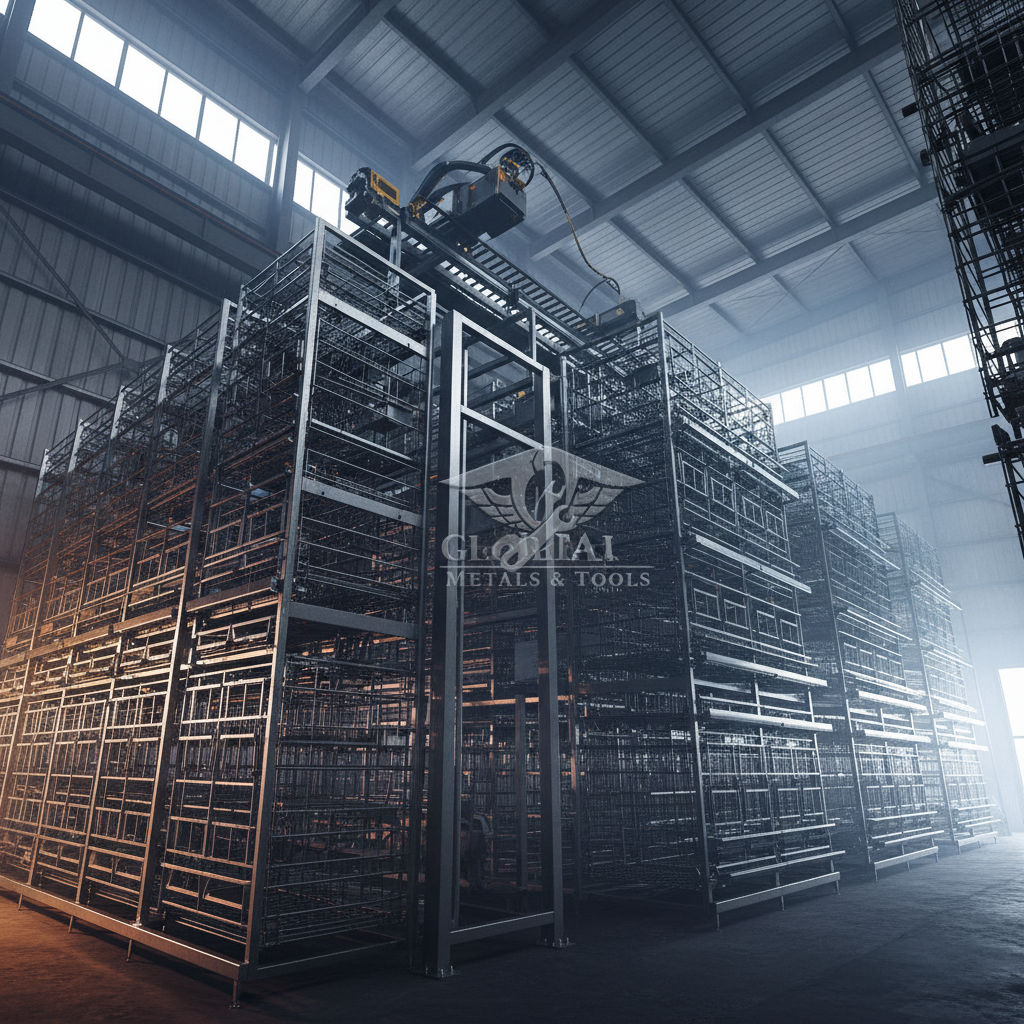
The increasing demand for rabbit meat and fur worldwide necessitates a focus on optimized production systems. A high-quality male rabbit cage isn’t simply a containment structure; it’s a foundational element of a successful rabbit breeding and rearing program. According to the FAO, rabbit meat is the most widely consumed meat globally after beef, pork and poultry, highlighting the importance of sustainable and ethical production practices supported by adequate housing infrastructure.
This exploration delves into the specifics of male rabbit cage design, application, and future trends, underscoring its critical role in modern rabbit farming and the benefits it offers to breeders and producers seeking efficiency, animal welfare, and sustainable practices.
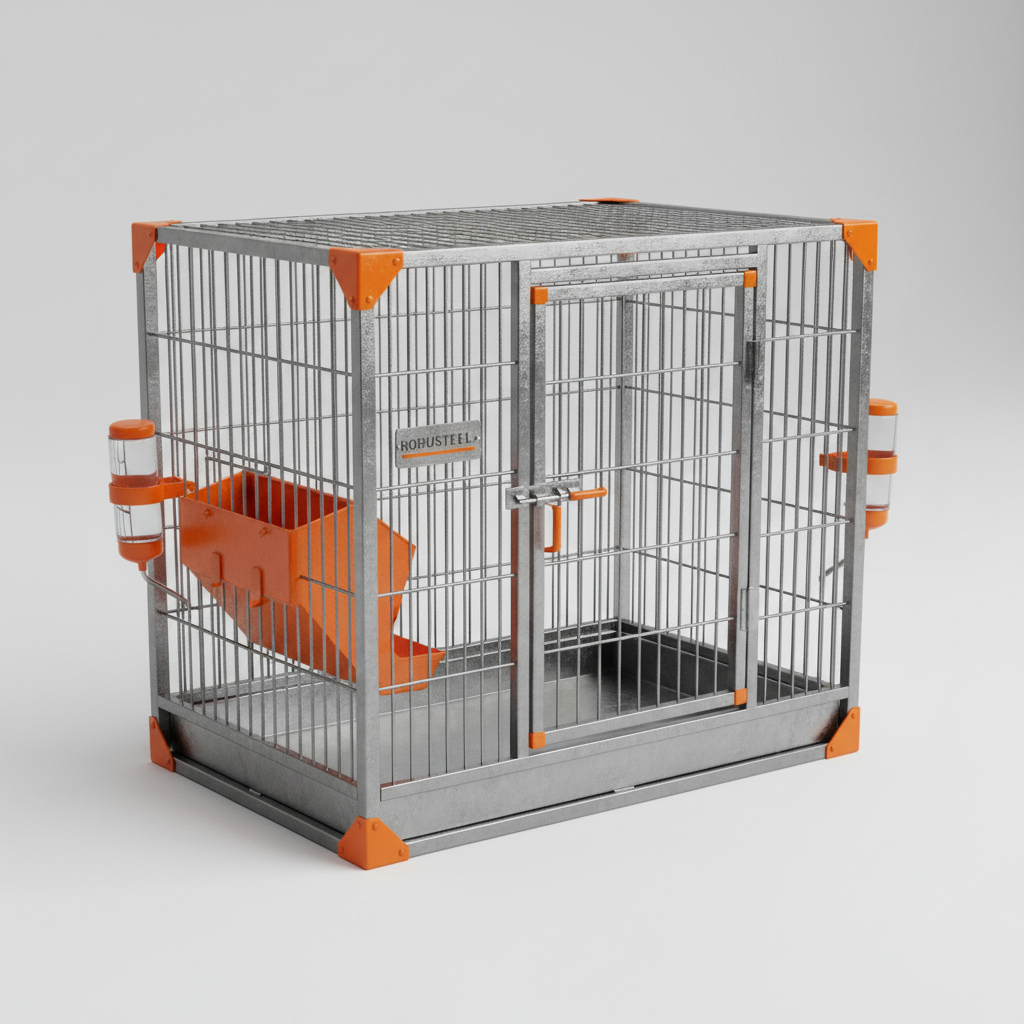
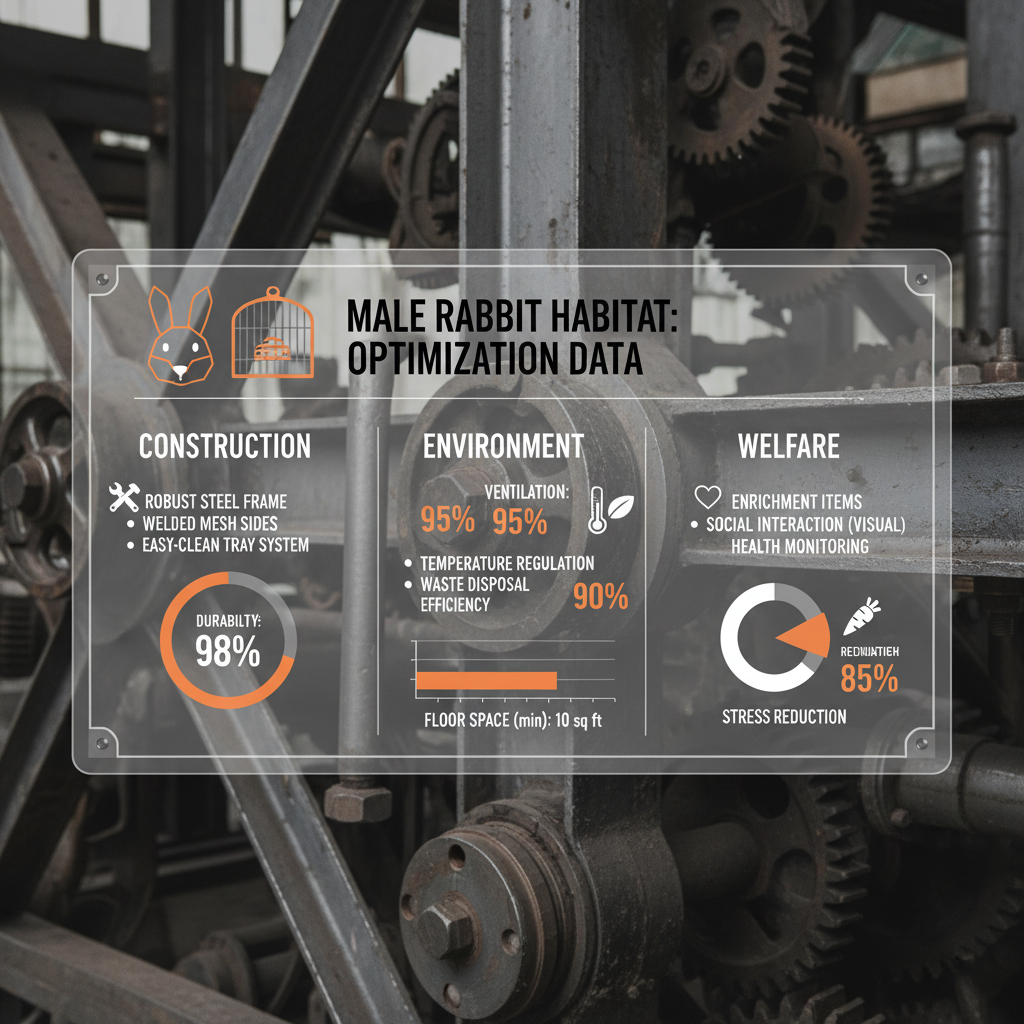
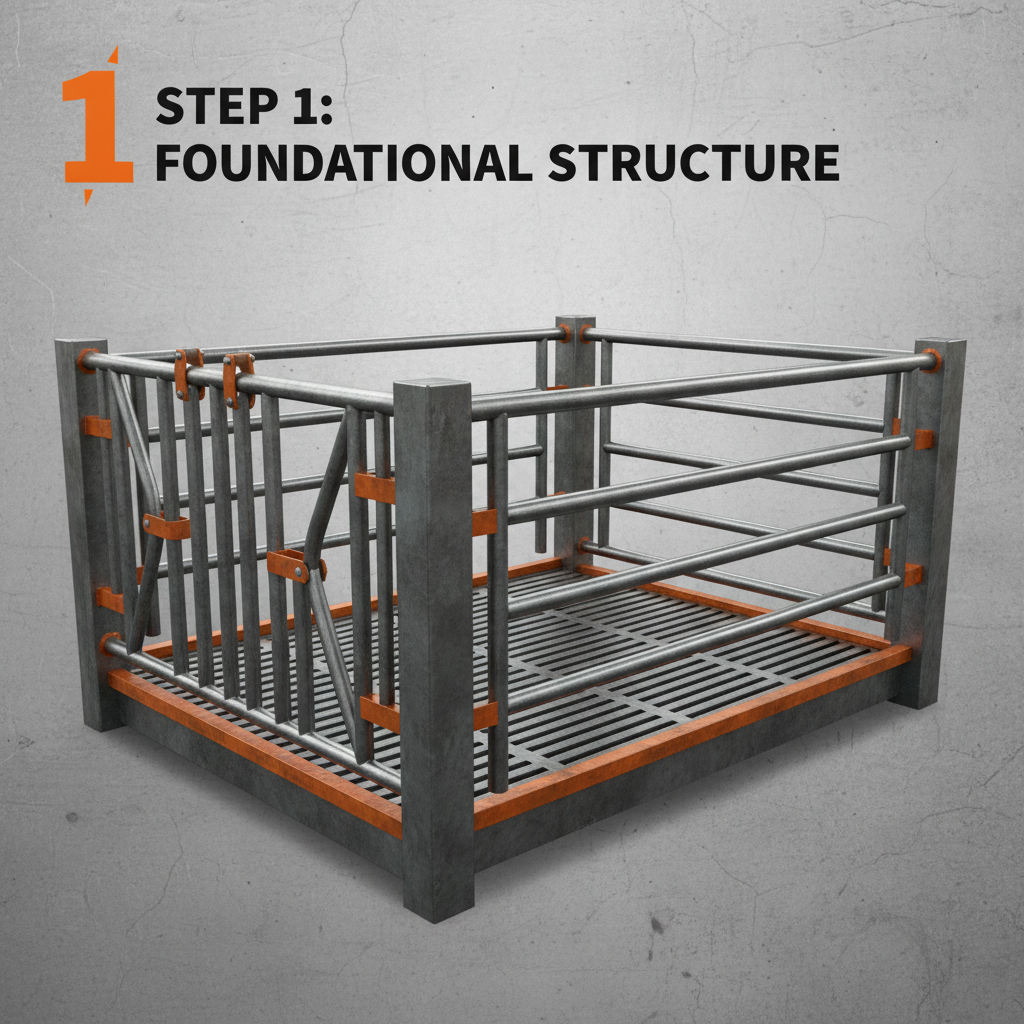
Specifically designed male rabbit cage systems are a critical component of modern rabbit farming. These cages go beyond simple containment, serving as a controlled environment that promotes the health, safety, and breeding efficiency of male rabbits. Their design accounts for the unique behavioral needs of bucks and their role in a successful breeding program.
Effective male rabbit cage solutions are crucial to preventing injuries and aggression between bucks, which is a common concern in rabbit husbandry. A proper cage configuration minimizes stress and maximizes breeding success, contributing to overall farm profitability.
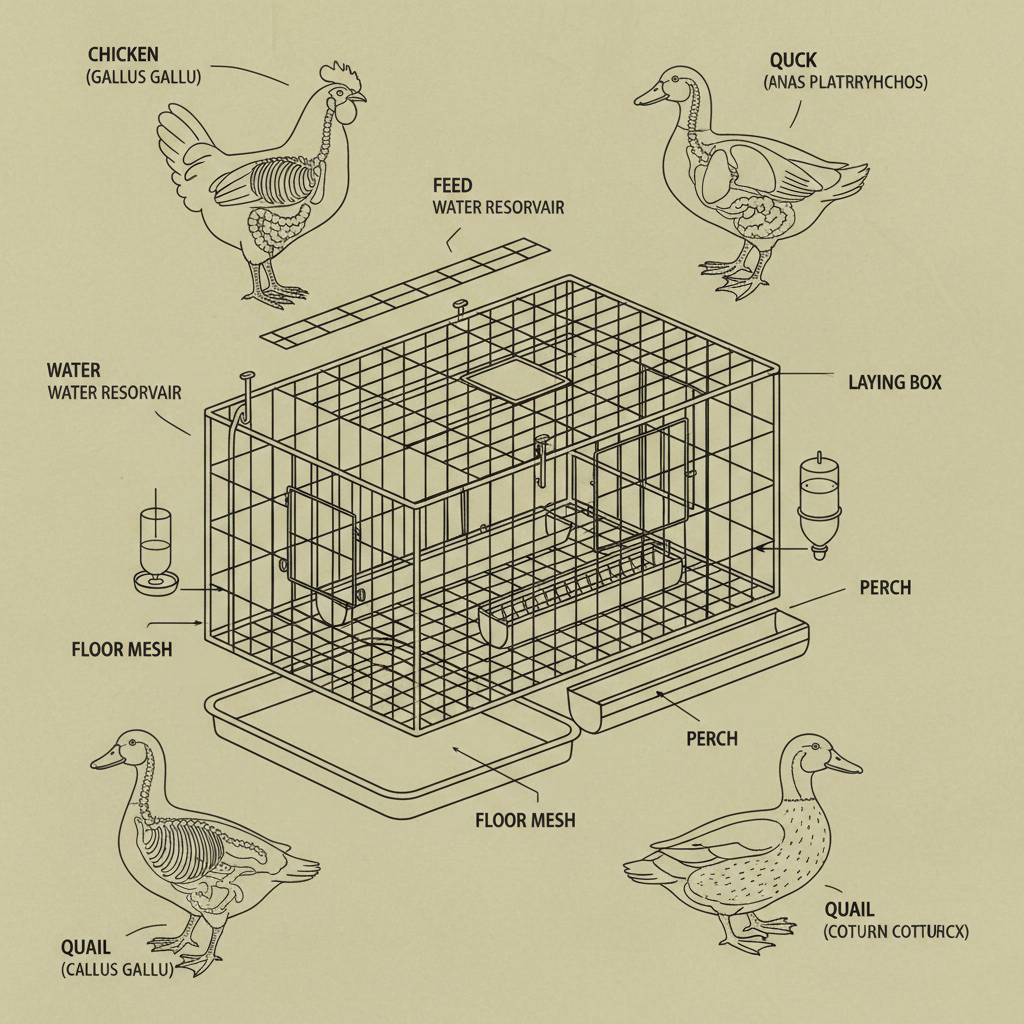
The ideal size depends on the breed and size of the buck, but a minimum of 30 inches long, 24 inches wide, and 24 inches high is generally recommended. Providing adequate space prevents aggression and allows for comfortable movement. The cage should also accommodate a feeder, waterer, and nesting box or resting area. Consideration of the specific breed's size is crucial for welfare and breeding success.
Durable and non-toxic materials are essential. Galvanized wire mesh is a popular choice for the cage structure due to its strength and resistance to corrosion. Solid flooring made of plastic or metal is also common, though wire flooring with proper support can also be used. Avoid materials that the rabbit could easily ingest or that could cause injury. The best materials balance durability, hygiene, and animal safety.
Daily spot cleaning and a thorough cleaning at least once a week are recommended. Remove soiled bedding and feces daily. Weekly cleaning involves removing all bedding, scrubbing the cage with a rabbit-safe disinfectant, and allowing it to dry completely before replacing the bedding. Regular cleaning prevents the buildup of ammonia and reduces the risk of disease.
Ensure sufficient space between cages to prevent bucks from reaching each other. Visual barriers, such as solid panels, can help reduce aggression. Providing enrichment items, such as chew toys, can also help redirect their energy. If aggression persists, consider separating the cages further or consulting with a veterinarian or rabbit expert.
Breeding cages often include a designated area for the doe to be introduced for mating. Access doors that allow easy introduction and removal of the doe are essential. The cage should also be designed to prevent the doe from being injured during the mating process. Secure latching mechanisms are vital to prevent escape.
Regulations vary depending on the region and whether the operation is commercial. Some areas have specific requirements for cage size, ventilation, and sanitation. It is important to check with local agricultural authorities to ensure compliance with all applicable regulations. Welfare standards, such as those from the RSPCA, can provide useful guidance even if not legally mandated.
In conclusion, the male rabbit cage is a cornerstone of efficient and ethical rabbit production. Its design and implementation significantly impact breeding success, animal welfare, and overall farm profitability. From material durability and ventilation to ease of cleaning and aggression prevention, careful consideration of these factors is paramount.
Looking ahead, the integration of technology and a focus on sustainability will continue to shape the evolution of male rabbit cage systems. Investing in well-designed, high-quality cages is not merely an expense, but a strategic investment in the long-term health and viability of the rabbit farming industry. Visit our website at www.yizemachine.com to learn more about our innovative solutions.






 Afrikaans
 Albanian
 Amharic
 Arabic
 Armenian
 Azerbaijani
 Basque
 Belarusian
 Bengali
 Bosnian
 Bulgarian
 Catalan
 Cebuano
 Corsican
 Croatian
 Czech
Czech
 Danish
 Dutch
Dutch
 Esperanto
 Estonian
 Finnish
 French
 Frisian
 Galician
 Georgian
 German
 Greek
Greek
 Gujarati
 Haitian Creole
 Hausa
Hausa
 Hawaiian
 Hebrew
 Hindi
Hindi
 Miao
Miao
 Hungarian
 Icelandic
 Igbo
Igbo
 Indonesian
 Irish
Irish
 Italian
 Japanese
 Javanese
 Kannada
 Kazakh
 Khmer
Khmer
 Rwandese
 Korean
 Kurdish
 Kyrgyz
 Lao
Lao
 Latin
Latin
 Latvian
 Lithuanian
 Luxembourgish
 Macedonian
 Malgashi
 Malay
Malay
 Malayalam
 Maltese
 Maori
Maori
 Marathi
 Mongolian
 Myanmar
 Nepali
 Norwegian
 Norwegian
 Occitan
 Pashto
 Persian
 Polish
 Portuguese
 Punjabi
 Romanian
 Russian
 Samoan
 Scottish Gaelic
 Serbian
 Sesotho
 Shona
Shona
 Sindhi
 Sinhala
 Slovak
 Slovenian
 Somali
 Spanish
 Sundanese
 Swahili
 Swedish
 Tagalog
 Tajik
Tajik
 Tamil
Tamil
 Tatar
Tatar
 Telugu
 Thai
Thai
 Turkish
 Turkmen
 Ukrainian
 Urdu
Urdu
 Uighur
 Uzbek
Uzbek
 Vietnamese
 Welsh
Welsh
 Bantu
Bantu
 Yiddish
 Yoruba
 English