
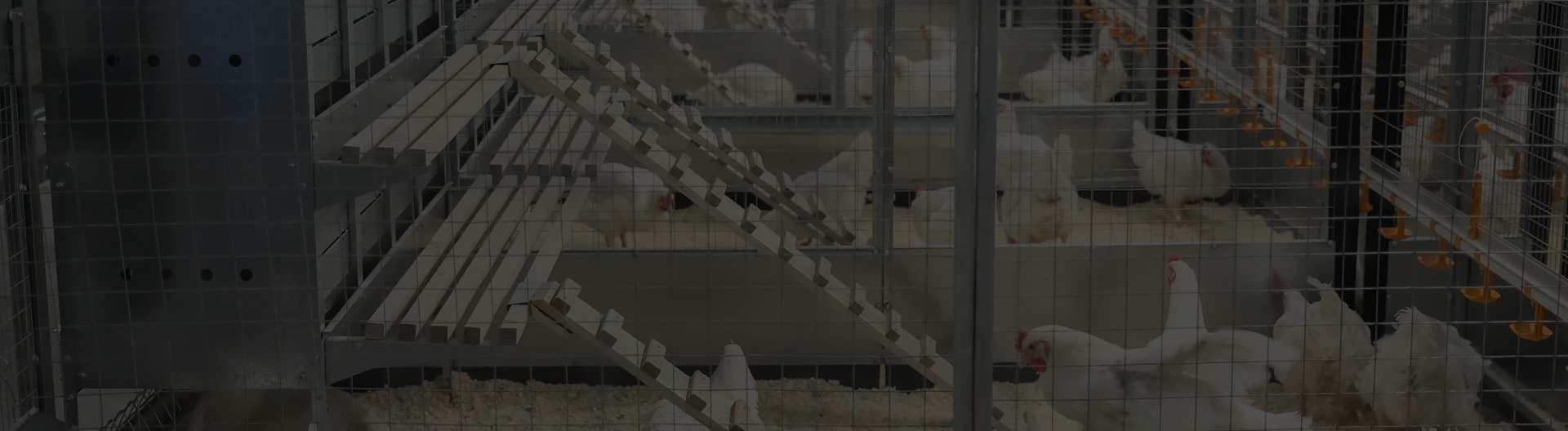
Optimal Commercial Rabbit Breeding Cages for Sustainable Farming & Efficiency
Dec . 01, 2025 14:50 Back to list
Optimal Commercial Rabbit Breeding Cages for Sustainable Farming & Efficiency
Why Do Commercial Rabbit Breeding Cages Matter Worldwide?
When you think about sustainable agriculture or small-scale livestock management, commercial rabbit breeding cages might not be the first thing that pops into your mind, right? But globally, they play a surprisingly big role in food security, economic empowerment, and even environmental sustainability. Particularly in developing nations and rural communities, these cages aid breeders in producing meat, fur, and even laboratory animals efficiently and humanely.
According to a FAO report, rabbit farming is a viable alternative protein source with a low carbon footprint and relatively quick reproduction cycles. Understanding how commercial rabbit breeding cages work and their key features means better animal welfare, higher productivity, and eventual market growth.
Mini takeaway: It’s not just about cages; it’s about a system supporting sustainable farm-to-table efforts worldwide.
The Global Context: Challenges and Opportunities Behind Rabbit Breeding
Let’s take a step back. Around the world, more than 2 billion people rely on small-scale livestock for their livelihood, and rabbits fit snugly into this model. The commercial rabbit breeding cages industry is rising, thanks to growing awareness of alternative protein sources to counteract food insecurity highlighted by the UN Food Systems Summit. However, challenges—ranging from animal health to environmental impacts—demand innovations in cage design and use.
In many regions, traditional breeding methods cause overcrowding, disease spread, and high mortality, which defeats the purpose of commercial rearing. That’s where modern breeder cages step in, offering improved sanitation, ergonomics for caretakers, and scalable setups for both large industrial farms and smallholdings.
Mini takeaway: The intersection of socio-economic trends and animal welfare standards is shaping better breeding environments worldwide.
Defining Commercial Rabbit Breeding Cages
Simply put, commercial rabbit breeding cages are specially designed enclosures made to house breeding pairs or small batches of rabbits to optimize reproduction, health, and care. They’re engineered for airflow, waste management, and space efficiency — basically ensuring the rabbits have better living conditions than random hutches.
These cages often incorporate multi-level racks, nesting boxes, and secure wire mesh floors. They serve industries ranging from meat production to pet breeding, laboratory animal supply, and fur farming. Their role? To create a controlled ecosystem where rabbit pairs thrive, pups are nurtured properly, and the whole operation runs smoothly.
Mini takeaway: Commercial rabbit breeding cages aren’t just boxes; they’re intricate systems balancing biology and practicality.
Key Features to Consider in Rabbit Breeding Cages
1. Durability and Material Quality
Materials vary, but galvanized steel wire mesh is common for its rust resistance and ease of cleaning. Wooden cages still exist but are rarely used commercially due to hygiene concerns. I’ve noticed many manufacturers now opt for powder-coated steel frames — these last longer and protect rabbits from sharp edges.
2. Scalability for Different Farm Sizes
Whether you run a large industrial rabbitry or a family farm, cages come in modular sizes. You can stack racks vertically for space-efficiency or line them horizontally for ease of access. The ability to scale without complete redesign keeps initial costs down and supports incremental growth.
3. Cost Efficiency and Maintenance
Easy cleaning features like pull-out trays and smooth surfaces reduce labor time. Since rabbit farming is a low-margin business, this saves money and reduces health risks. Many pros argue for a balance — higher upfront cage costs that save hours weekly in maintenance.
4. Animal Welfare and Comfort
Spaces need to be just right — not too cramped, but not wildly inefficient either. Proper ventilation, nesting boxes, and non-toxic materials matter here. In fact, ISO 10993 guidelines on biocompatibility help manufacturers pick rabbit-safe materials.
5. Waste Management Integration
Some cages feature built-in waste trays or mesh floors to allow droppings to fall away from the animals, cutting disease risk. Proper manure management ties into sustainability and farm hygiene — things often overlooked by beginners.
Mini takeaway: You gain durability, better animal care, and reduced labor with thoughtfully designed breeding cages.
Where Are Commercial Rabbit Breeding Cages Making a Difference?
From rural China and Latin America to Eastern Europe and certain regions of Africa, these cages have transformed how breeders operate. Industrial farms in Spain use automated feeding and watering integrated cages, boosting productivity by 30%. Meanwhile, NGOs in post-disaster zones in Southeast Asia provide modular cage setups to families rebuilding livelihoods.
In laboratories, precise and hygienic breeding cages allow for better research quality, especially for biomedical applications. Meanwhile, in remote agricultural zones, low-tech cage systems support local economies without heavy dependency on infrastructure.
Mini takeaway: Adaptability is key; the cages serve cultural, economic, and environmental needs differently across continents.
Advantages That Stand the Test of Time
- Consistent Breeding Cycles: Controlled environments reduce stress, improving fertility.
- Lower Disease Outbreaks: Thoughtful design means easier cleaning and less cross-contamination.
- Economic Efficiency: Modular designs cut labor, space, and feed costs.
- Environmental Impact: Efficient cages mean lower resource consumption, aligning with SDG goals.
- Ethical Treatment: Enhances animal dignity and welfare, increasingly demanded by global markets.
It’s oddly reassuring to think that such a simple tool—a cage—can ripple through ecosystems, economies, and even social structures.
Looking Ahead: What’s Next for Commercial Rabbit Breeding Cages?
Materials science keeps pushing boundaries. Bio-based plastics and anti-microbial coatings could soon replace metal mesh in some models, further reducing disease. Automation is creeping in too: smart sensors monitoring temperature, humidity, and feed consumption promise precision farming. Sustainability also gains traction, with solar-powered ventilators and modular parts designed for recycling.
Policy initiatives, especially in Europe and Asia, encourage humane standards that manufacturers must heed, which in turn drives innovation. I expect AI-assisted care systems might become common in big setups within five years.
Common Obstacles and How to Overcome Them
- High Initial Investment: Modular leasing models and NGO partnerships help lower upfront costs.
- Maintenance Knowledge Gaps: Training programs and digital manuals are becoming industry staples.
- Material Wear in Harsh Climates: New coatings and weatherproof cages improve lifespan.
- Waste Disposal: Composting and biogas integration can turn waste into resources.
Tricky as it is, the industry feels like a well-oiled machine, constantly adapting. Sometimes, it’s the human ingenuity tucked inside those wire frames that truly counts.
FAQ: Your Top Questions on Commercial Rabbit Breeding Cages
- What size breeding cage is ideal for a commercial setup?
- Generally, cages measuring around 60x80 cm with adequate height allow ample space for a breeding pair and their kits, fitting both welfare and efficiency standards.
- How often should these cages be cleaned?
- Weekly cleaning is standard in commercial contexts, but waste trays help remove droppings daily, reducing disease risks significantly.
- Can I customize cages based on climate?
- Absolutely, many vendors offer climate-adapted designs—insulated panels for cold climates or mesh ventilation for humid regions.
- Do commercial cages accommodate automated feeding systems?
- Yes, modern cages often include attachment points or modules to integrate feeder systems that reduce labor and ensure consistent nutrition.
- Are these cages environmentally friendly?
- While many use durable metals, emerging eco-friendly materials and recyclability efforts are underway to reduce overall environmental impact.
Comparing Popular Models on the Market
| Feature | Basic Model | ProKit XL | EcoSmart Design |
|---|---|---|---|
| Dimensions (cm) | 60 x 70 x 50 | 75 x 90 x 60 | 65 x 80 x 55 |
| Material | Galvanized steel | Powder-coated steel | Bioplastic composites |
| Nesting box | Basic wooden | Removable insulated | Eco-friendly, biodegradable |
| Waste Tray | Included | Removable, slide-out | Compost-compatible |
| Price (approx.) | $45 | $90 | $70 |
Vendor Comparison: Who’s Leading the Pack?
| Vendor | Specialty | Global Reach | Warranty | Price Range |
|---|---|---|---|---|
| Yize Machinery | Modular & automated cages | Asia, Europe, Americas | 3 years | $$-$$$ |
| AgriDesign Co. | Eco-friendly materials | Europe, Africa | 5 years | $$$ |
| RabbitPro Systems | Automated cleaning integration | North America, Australia | 2 years | $$ |
Wrapping It Up: Why Invest in Commercial Rabbit Breeding Cages?
If you’re considering rabbit farming or looking to upgrade your existing operations, focusing on quality commercial rabbit breeding cages is a smart move. The cages enhance sustainability, animal welfare, and operational efficiency — three pillars that any modern agricultural endeavor depends on. I always say it’s like upgrading from a dusty shed to a tiny mansion: the animals and your productivity both thank you.
For a deeper look at modular rabbit breeding cages, automated feeding systems, and reliable vendor options, visit commercial rabbit breeding cages. You’ll find practical solutions built for today’s challenges and tomorrow’s innovations.
References:
-
Comprehensive Guide to Plastic Vacuum Packaging Machines: Benefits, Uses & Trends
NewsDec.03,2025
-
Comprehensive Guide to Sausage Vacuum Packaging Machines: Benefits, Uses, and Future Trends
NewsDec.03,2025
-
Vacuum Plastic Packaging Machine - Global Applications, Benefits & Future Trends
NewsDec.03,2025
-
Comprehensive Guide to Sheep Feed Pellet Machine – Benefits, Uses & Future Trends
NewsDec.02,2025
-
Horse Feed Pellet Machine: Essential Guide to Features, Benefits, and Global Applications
NewsDec.02,2025
-
Small Pellet Feed Making Machine: Benefits, Uses & Future Trends | Yize Machine
NewsDec.02,2025





 Afrikaans
 Albanian
 Amharic
 Arabic
 Armenian
 Azerbaijani
 Basque
 Belarusian
 Bengali
 Bosnian
 Bulgarian
 Catalan
 Cebuano
 Corsican
 Croatian
 Czech
Czech
 Danish
 Dutch
Dutch
 Esperanto
 Estonian
 Finnish
 French
 Frisian
 Galician
 Georgian
 German
 Greek
Greek
 Gujarati
 Haitian Creole
 Hausa
Hausa
 Hawaiian
 Hebrew
 Hindi
Hindi
 Miao
Miao
 Hungarian
 Icelandic
 Igbo
Igbo
 Indonesian
 Irish
Irish
 Italian
 Japanese
 Javanese
 Kannada
 Kazakh
 Khmer
Khmer
 Rwandese
 Korean
 Kurdish
 Kyrgyz
 Lao
Lao
 Latin
Latin
 Latvian
 Lithuanian
 Luxembourgish
 Macedonian
 Malgashi
 Malay
Malay
 Malayalam
 Maltese
 Maori
Maori
 Marathi
 Mongolian
 Myanmar
 Nepali
 Norwegian
 Norwegian
 Occitan
 Pashto
 Persian
 Polish
 Portuguese
 Punjabi
 Romanian
 Russian
 Samoan
 Scottish Gaelic
 Serbian
 Sesotho
 Shona
Shona
 Sindhi
 Sinhala
 Slovak
 Slovenian
 Somali
 Spanish
 Sundanese
 Swahili
 Swedish
 Tagalog
 Tajik
Tajik
 Tamil
Tamil
 Tatar
Tatar
 Telugu
 Thai
Thai
 Turkish
 Turkmen
 Ukrainian
 Urdu
Urdu
 Uighur
 Uzbek
Uzbek
 Vietnamese
 Welsh
Welsh
 Bantu
Bantu
 Yiddish
 Yoruba
 English