
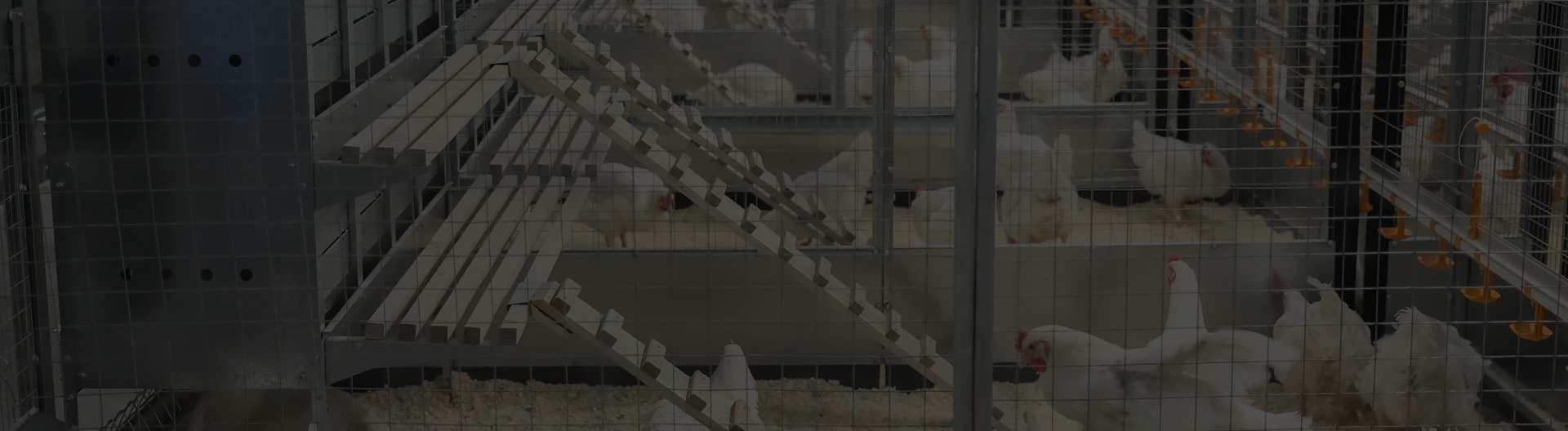
Durable Rabbit Breeding Cages for Sale – Optimize Your Farming Today
Dec . 01, 2025 16:25 Back to list
Durable Rabbit Breeding Cages for Sale – Optimize Your Farming Today
Rabbit Breeding Cages for Sale: A Global Perspective on Animal Welfare and Efficiency
Rabbit breeding cages for sale might sound like a niche product at first. Yet, they hold significance far beyond the specialty market — from small-scale farmers tending to local needs, to international farming operations and humanitarian projects where food security or sustainable livelihoods depend on efficient animal husbandry. Understanding these cages, their design, and application touches on animal welfare, agricultural economics, and even climate-conscious practices worldwide.
Frankly, rabbit meat and fur are key commodities in many regions, especially where affordable protein sources are vital. Globally, the rabbit farming industry connects smallholders in Asia, agribusiness in Europe, and development programs in Africa and Latin America.
Why Rabbit Breeding Cages Matter Globally
According to the Food and Agriculture Organization of the UN, rabbits contribute significantly to food security in many developing countries. Their quick reproduction cycle and relatively low environmental footprint make rabbit farming a sustainable income source. However, the worldwide challenge lies in balancing productivity with ethical and sustainable breeding practices.
Enter the demand for reliable rabbit breeding cages for sale. These cages not only help farmers control breeding but also improve animal wellbeing, reduce wastage, and optimize space — especially where land is scarce. This improves economic outcomes and aligns with growing global awareness about animal welfare.
Mini Takeaway:
Efficient breeding cages are more than just metal boxes — they're tools that help solve food security challenges, improve smallholder livelihoods, and elevate animal care standards worldwide.
Defining Rabbit Breeding Cages in Simple Terms
At its heart, a rabbit breeding cage is a structured enclosure designed to house does (female rabbits), bucks (males), and their offspring in a controlled environment. It manages mating cycles, provides safety from predators, and ensures proper ventilation and easy cleaning to reduce disease risks.
Most modern breeding cages incorporate wire mesh floors and dividers to separate rabbits when necessary, allowing selective pairing. These cages can range from basic models for backyard farms to modular, multi-tiered systems favored by commercial rabbit producers.
Mini Takeaway:
Simply put, these cages create an organized, healthy space for rabbits — marrying practical farming needs with humane treatment.
Key Factors to Consider When Choosing Rabbit Breeding Cages
Durability
Material choice matters. Stainless steel cages outlast others by years, resisting rust and corrosion. On the other hand, galvanized steel offers a budget-friendly option but might wear out faster under humid conditions. For many, longevity balances cost — you don’t want cages breaking mid-cycle.
Scalability & Modularity
For commercial or expanding farms, stacking cages or integrating them into tiered systems optimizes floor space. Modular designs also let users replace or clean sections without disturbing the whole system. This flexibility is vital for adapting to fluctuating herd sizes.
Cost Efficiency
Initial price versus long-term returns is a tricky balance. Expensive cages may seem daunting upfront, but savings manifest through reduced disease, lower mortality, and easier maintenance.
For small farmers, sometimes simple wooden or plastic cages work—but with trade-offs in hygiene and durability.
Animal Welfare Features
Comfort isn't just a buzzword; it impacts reproduction rates. Elevated cages with smooth wire bases for cleanliness but enough foot comfort to prevent sores are crucial. Ventilation, shelter from drafts, and ample space help rabbits stay stress-free and healthy.
Ease of Cleaning and Maintenance
Cleaning is the bane of breeders. Easily accessible cages with sliding trays or removable components reduce labor time and keep rabbits healthier through sanitary conditions.
Environmental Impact
Eco-conscious buyers increasingly demand recyclable materials or production methods that minimize carbon footprints. Some newer cages incorporate bio-based plastics or recycled metals, signaling an industry shift toward sustainability.
Mini Takeaway:
Choosing the right cage is a balancing act, weighing durability, animal comfort, scalability, and environmental conscience.
Where Are Rabbit Breeding Cages Used Around the World?
Despite their humble appearance, these cages serve diverse roles globally:
- Africa & Asia: Many rural farmers rely on rabbits for supplementary income. NGOs use standard breeding cages in sustainable farming projects, especially in drought-prone areas where livestock is scarce.
- Europe & North America: Commercial rabbit farms depend on multi-tiered steel cages for high-volume breeding. Some designers innovate with ergonomic designs to improve productivity and welfare standards.
- Disaster Relief & Remote Zones: Portable breeding cages are part of livelihood restoration kits post-natural disasters, helping communities quickly restart small animal husbandry.
Mini Takeaway:
From subsistence farms to industrial operations, the utility of rabbit breeding cages spans continents and contexts, each adapting the concept to local needs.
Advantages and Long-Term Value of Quality Breeding Cages
Investing in well-designed rabbit breeding cages for sale can:
- Boost Productivity: Controlled breeding leads to healthier litters and faster growth cycles.
- Enhance Animal Welfare: Reduced stress lowers disease susceptibility — a win-win.
- Save Time and Cost: Easier cleaning and maintenance shrink labor costs significantly.
- Increase Farm Sustainability: Efficient use of space and materials supports green farming practices.
I've seen breeders say that reliable cages not only make business sense but also build trust with customers who care about ethical sourcing.
Rabbit Breeding Cages: Technical Specifications at a Glance
| Specification | Value |
|---|---|
| Material | Galvanized Steel / Stainless Steel / Plastic Composite |
| Dimensions (Standard) | 90cm (L) × 60cm (W) × 45cm (H) |
| Weight | 8–10 kg depending on material |
| Floor Type | Wire Mesh or Solid Plastic Removable Tray |
| Capacity | 1 Buck + 1 Doe + Offspring Section |
| Ventilation | Adequate airflow with draft protection |
Comparing Notable Vendors of Rabbit Breeding Cages (2024)
| Vendor | Price Range (USD) | Material Options | Customization | Key Strength |
|---|---|---|---|---|
| YizeMachine | $120 – $160 | Galvanized Steel, Stainless Steel | Size & Layout Customizable | Robustness & Modular Expansion |
| FarmCentral | $100 – $140 | Plastic Composite, Steel | Color Options Available | Lightweight & Easy Assembly |
| EcoRabbit | $150 – $180 | Recycled Plastic & Steel | Eco-Friendly Design | Sustainability Focus |
Emerging Trends and Innovations to Watch
It sounds a bit futuristic, but the world of rabbit breeding cages is embracing innovation in earnest. Automation steps in with smart sensors to monitor temperature and humidity inside cages, preventing stress-related breeding failures. Advances in materials science offer cages made from biodegradable composites or recyclable metals — cutting down waste from cage replacement.
Meanwhile, digital catalogues and online marketplaces like rabbit breeding cages for sale make sourcing easier, especially with customizable options just a few clicks away.
Ultimately, these advances aim to improve farmer livelihoods, reduce disease outbreaks, and push the industry toward sustainable food production — a need the UN's Sustainable Development Goals back strongly.
Typical Challenges and How to Overcome Them
Of course, no system is perfect:
- Material wear and tear: Cheap materials deteriorate quickly, risking injury to animals or cage collapse. Solution? Investing in high-quality steel or treated plastics.
- Space constraints: Especially small-scale breeders struggle to scale sustainably. Modular, stackable designs help optimize use of limited footprint.
- Cleaning hassles: Poor design increases labor, elevating bacterial risks. Removable trays and smooth surfaces ease this burden.
- Cost barriers for smallholders: NGO partnerships or group purchasing schemes can alleviate upfront price hurdles.
FAQ: Your Questions About Rabbit Breeding Cages Answered
1. What should I look for when buying rabbit breeding cages for sale?
Focus on durability, ventilation, ease of cleaning, and size appropriate to your breed. Modular designs offer flexibility. Also, consider material safety and warranties offered by the seller.
2. How long do typical rabbit breeding cages last?
High-quality galvanized or stainless steel cages can last 7–10 years or more if maintained well. Cheaper materials may need replacement every 2–3 years.
3. Are modular breeding cages better for commercial use?
Yes—modularity helps with scalability and maintenance. You can add tiers or units as your herd grows without major overhauls.
4. Can these cages be customized for specific climates?
Absolutely. Some vendors offer insulated roofs or windbreak panels for colder regions, and shading options for tropical climates.
5. How can small farmers afford quality breeding cages?
Look for financing plans, cooperative purchases, or support from agricultural development NGOs. Often, investing upfront pays off by reducing losses and improving productivity.
Final Thoughts
As odd as it may sound, investing time and research into finding the right rabbit breeding cages for sale can completely transform rabbit farming operations — from boosting reproduction to improving animal welfare and lowering long-term costs. Whether you are a backyard enthusiast or managing a larger agricultural venture, the right cages are foundational.
Want to explore quality, reliable options built for real-world needs? Visit https://www.yizemachine.com — your trusted partner in rabbit breeding solutions.
References
-
Comprehensive Guide to Plastic Vacuum Packaging Machines: Benefits, Uses & Trends
NewsDec.03,2025
-
Comprehensive Guide to Sausage Vacuum Packaging Machines: Benefits, Uses, and Future Trends
NewsDec.03,2025
-
Vacuum Plastic Packaging Machine - Global Applications, Benefits & Future Trends
NewsDec.03,2025
-
Comprehensive Guide to Sheep Feed Pellet Machine – Benefits, Uses & Future Trends
NewsDec.02,2025
-
Horse Feed Pellet Machine: Essential Guide to Features, Benefits, and Global Applications
NewsDec.02,2025
-
Small Pellet Feed Making Machine: Benefits, Uses & Future Trends | Yize Machine
NewsDec.02,2025





 Afrikaans
 Albanian
 Amharic
 Arabic
 Armenian
 Azerbaijani
 Basque
 Belarusian
 Bengali
 Bosnian
 Bulgarian
 Catalan
 Cebuano
 Corsican
 Croatian
 Czech
Czech
 Danish
 Dutch
Dutch
 Esperanto
 Estonian
 Finnish
 French
 Frisian
 Galician
 Georgian
 German
 Greek
Greek
 Gujarati
 Haitian Creole
 Hausa
Hausa
 Hawaiian
 Hebrew
 Hindi
Hindi
 Miao
Miao
 Hungarian
 Icelandic
 Igbo
Igbo
 Indonesian
 Irish
Irish
 Italian
 Japanese
 Javanese
 Kannada
 Kazakh
 Khmer
Khmer
 Rwandese
 Korean
 Kurdish
 Kyrgyz
 Lao
Lao
 Latin
Latin
 Latvian
 Lithuanian
 Luxembourgish
 Macedonian
 Malgashi
 Malay
Malay
 Malayalam
 Maltese
 Maori
Maori
 Marathi
 Mongolian
 Myanmar
 Nepali
 Norwegian
 Norwegian
 Occitan
 Pashto
 Persian
 Polish
 Portuguese
 Punjabi
 Romanian
 Russian
 Samoan
 Scottish Gaelic
 Serbian
 Sesotho
 Shona
Shona
 Sindhi
 Sinhala
 Slovak
 Slovenian
 Somali
 Spanish
 Sundanese
 Swahili
 Swedish
 Tagalog
 Tajik
Tajik
 Tamil
Tamil
 Tatar
Tatar
 Telugu
 Thai
Thai
 Turkish
 Turkmen
 Ukrainian
 Urdu
Urdu
 Uighur
 Uzbek
Uzbek
 Vietnamese
 Welsh
Welsh
 Bantu
Bantu
 Yiddish
 Yoruba
 English