
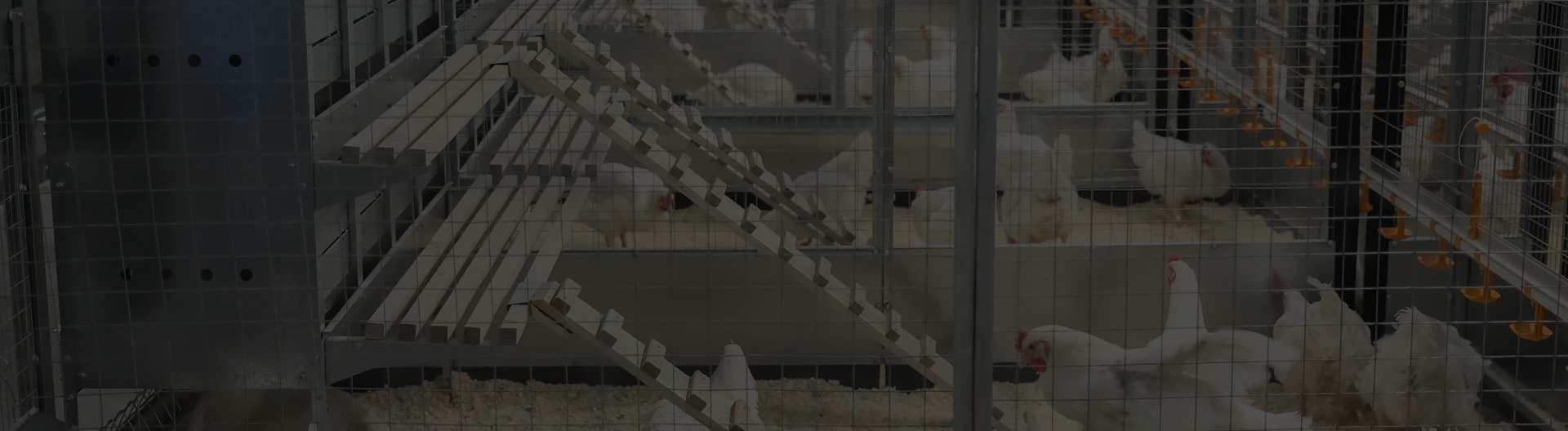
Efficient and Sustainable Layer Chicken Cages for Modern Poultry Farms
Nov . 26, 2025 16:05 Back to list
Efficient and Sustainable Layer Chicken Cages for Modern Poultry Farms
The Role of Layer Chicken Cages in Modern Poultry Farming
If you’ve ever paused at the thought of where your morning eggs come from beyond the grocery aisle, then you’re in for a bit of background on layer chicken cages. These cages are far more than simple enclosures—they represent a key innovation in poultry farming that has gained global traction. Understanding their design, deployment, and impact reveals why they matter not just to farmers but also to the sustainability of food systems worldwide.
Why Layer Chicken Cages Matter Globally
The Food and Agriculture Organization estimates over 80 billion chickens are raised annually worldwide, a number that’s been steadily climbing. Modern, efficient poultry housing like layer chicken cages helps to manage this mammoth demand responsibly—maximizing productivity while controlling disease spread and environmental impact. In regions where space is tight and resources are limited, these cages ensure consistent egg production to feed growing populations. Yet, they also raise some ethical and sustainability challenges that the industry continues to debate.
Mini takeaway: Layer chicken cages are a cornerstone in meeting rising egg consumption needs globally, balanced between productivity gains and ethical farming considerations.
Understanding Layer Chicken Cages: What Are They?
Simply put, layer chicken cages are specialized enclosures designed to house egg-laying hens. Unlike free-range or barn systems, these cages allow for concentrated animal management—easy feeding, egg collection, and health monitoring. Typically made from galvanized steel or stainless materials, they’re engineered for durability and hygiene.
They tie directly into commercial poultry operations focused on maximizing output with minimal input, often linked to large-scale farming principalities, especially in Asia, Europe, and increasingly Africa. The cages also interface with modern automated systems, like conveyor belts for egg collection and environmental controls, underscoring their industrial significance.
Key Characteristics Defining Effective Layer Chicken Cages
1. Durability & Material Quality
Robust materials resist corrosion, especially from moisture and ammonia buildup—common in poultry houses. Galvanized steel remains a top choice, though some manufacturers incorporate powder coating for longer lifespan.
2. Scalability & Modular Design
Whether managing hundreds or thousands of hens, modular cages allow expansion or rearrangement with minimal fuss—a feature especially useful in evolving operations.
3. Animal Welfare & Design Comfort
Cage size, perch arrangements, and nesting areas are designed to reduce stress and promote health, aligning with emerging welfare guidelines like those put forth by the Global Animal Partnership.
4. Hygiene & Maintenance
Easy to clean—many cages come with droppings trays and smooth surfaces to prevent bacterial growth, which is vital in large-scale farming.
5. Cost Efficiency
Balancing upfront investment against long-term productivity gains, including feed conversion ratios and egg yield per hen.
Product Specifications at a Glance
| Specification | Typical Value | Notes |
|---|---|---|
| Material | Galvanized steel | Corrosion-resistant coating |
| Dimensions per cage | 100 cm (L) x 50 cm (W) x 40 cm (H) | Designed for 3-5 hens |
| Weight capacity | 30 kg | Supports multi-hen loads |
| Cleaning system | Removable droppings tray | Ease of sanitation |
| Lifespan | 8-12 years | Depends on maintenance |
How Layer Chicken Cages Fit into Global Farming Practices
In Asia, where poultry farming is a multi-billion dollar industry, layer chicken cages enable high-density yet efficient egg production in countries like China, India, and Vietnam. African farms rely increasingly on modular cages as they modernize. The Middle East, with arid climates, benefits from controlled housing to prevent heat stress and contamination.
Non-commercial uses include relief efforts where temporary poultry housing supports food security in disaster zones. Oddly enough, some remote research stations and industrial complexes have adopted these cages to maintain a stable egg supply despite harsh conditions.
And, if you want to explore related poultry equipment, consider the benefits of layer chicken cages that integrate easily with feeding and watering systems.
Mini takeaway: Layer chicken cages adapt to diverse environments, from commercial farms to humanitarian assistance, underscoring their broad utility.
Why Invest in Layer Chicken Cages? Advantages & Sustainability
- Cost-Effective Egg Production: Streamlined layouts mean less wasted feed and better egg collection rates.
- Improved Hygiene & Disease Control: Cages reduce contact with feces and facilitate cleaning, reducing infection risks.
- Enhanced Hen Welfare: Thoughtful designs mitigate stress and injuries, aligning with growing welfare standards.
- Space & Resource Efficiency: Maximize yield per square meter, vital in urban and peri-urban farming.
- Longevity & Reliability: Sturdy cages mean that initial investments pay off over many productive years.
- Environmental Impact: Some models incorporate sustainable materials and promote reduced waste runoff.
Emotionally speaking, farmers often express a certain peace of mind knowing their hens have a safe, clean home, which is critical when livelihood is at stake.
Trends & Innovations on the Horizon
The future looks bright for layer chicken cages. Innovations include:
- Smart Farming: Sensors embedded in cages tracking temperature, humidity, and hen health data in real time.
- Sustainable Materials: Biodegradable polymers and recycled metals reduce environmental footprints.
- Automation: Integration with robotic egg collectors and feeding machines streamlining labor.
- Green Energy: Solar-powered climate control systems maintain comfortable hen environments cost-effectively.
- Enhanced Welfare Designs: Multi-level cages allowing more natural hen behavior patterns.
Challenges & How Experts Recommend Overcoming Them
No system is perfect. Some challenges include initial capital costs and public perception about caged hens. Additionally, improper maintenance can quickly lead to poor sanitary conditions.
Experts recommend:
- Regular training for farm workers on cage upkeep and animal welfare.
- Using modular cages to allow phased investments.
- Transparent animal welfare compliance to build consumer trust.
- Harnessing digital monitoring to anticipate humidity and temperature risks early.
Vendor Comparison: Choosing the Right Layer Chicken Cage Supplier
| Supplier | Material Quality | Modularity | Pricing | After-Sales Support |
|---|---|---|---|---|
| AgriSteel Co. | High-grade galvanized steel | Fully modular | $$$ | 24/7 phone and online support |
| PoultryPro Ltd. | Powder-coated steel | Modular with add-ons | $$ | Business hours only |
| EcoHen Solutions | Recycled metal alloys | Limited modularity | $ | Online ticketing system |
Frequently Asked Questions About Layer Chicken Cages
Q1: Are layer chicken cages suitable for small backyard farms?
A1: Absolutely. Many modern cages are scalable and modular, making them adaptable for both commercial and smallholder setups. They help in managing hens efficiently while simplifying egg collection.
Q2: How do layer chicken cages improve hen health compared to floor systems?
A2: By minimizing direct contact with droppings, layer cages reduce disease transmission. They're designed to promote airflow and reduce crowding, which collectively improve hen welfare and longevity.
Q3: What is the average lifespan of a layer chicken cage?
A3: Typically, with proper maintenance, they last between 8 to 12 years. Factors like material quality, environmental conditions, and cleaning routines significantly affect durability.
Q4: Can these cages be integrated with automated feeding and egg collection?
A4: Yes, many systems are designed with automation in mind, supporting belts, feeders, and sensors that ease labor efforts and boost productivity.
Q5: How can small farms in developing countries access good quality layer chicken cages?
A5: Many suppliers offer modular kits suitable for export. NGOs and agricultural development programs often facilitate funding or subsidized purchases. Checking platforms like layer chicken cages may also reveal accessible options.
In Closing: The Value of Layer Chicken Cages in Today’s Agricultural Landscape
Layer chicken cages stand at the intersection of efficiency, sustainability, and evolving animal welfare standards. For farmers—whether in bustling developing urban fringes or vast commercial conglomerates—they offer a dependable way to meet eggs-on-the-table demands with fewer headaches. If you’re starting or scaling your operation, investing in quality layer chicken cages is, frankly, a savvy move that pays dividends over time.
Explore the available technologies, weigh your options carefully, and remember that the right cages are more than metal—they’re a framework for livelihood and progress.
To dive deeper and find solutions tailored for your needs, be sure to visit https://www.yizemachine.com.
References:
-
Comprehensive Guide to Plastic Vacuum Packaging Machines: Benefits, Uses & Trends
NewsDec.03,2025
-
Comprehensive Guide to Sausage Vacuum Packaging Machines: Benefits, Uses, and Future Trends
NewsDec.03,2025
-
Vacuum Plastic Packaging Machine - Global Applications, Benefits & Future Trends
NewsDec.03,2025
-
Comprehensive Guide to Sheep Feed Pellet Machine – Benefits, Uses & Future Trends
NewsDec.02,2025
-
Horse Feed Pellet Machine: Essential Guide to Features, Benefits, and Global Applications
NewsDec.02,2025
-
Small Pellet Feed Making Machine: Benefits, Uses & Future Trends | Yize Machine
NewsDec.02,2025





 Afrikaans
 Albanian
 Amharic
 Arabic
 Armenian
 Azerbaijani
 Basque
 Belarusian
 Bengali
 Bosnian
 Bulgarian
 Catalan
 Cebuano
 Corsican
 Croatian
 Czech
Czech
 Danish
 Dutch
Dutch
 Esperanto
 Estonian
 Finnish
 French
 Frisian
 Galician
 Georgian
 German
 Greek
Greek
 Gujarati
 Haitian Creole
 Hausa
Hausa
 Hawaiian
 Hebrew
 Hindi
Hindi
 Miao
Miao
 Hungarian
 Icelandic
 Igbo
Igbo
 Indonesian
 Irish
Irish
 Italian
 Japanese
 Javanese
 Kannada
 Kazakh
 Khmer
Khmer
 Rwandese
 Korean
 Kurdish
 Kyrgyz
 Lao
Lao
 Latin
Latin
 Latvian
 Lithuanian
 Luxembourgish
 Macedonian
 Malgashi
 Malay
Malay
 Malayalam
 Maltese
 Maori
Maori
 Marathi
 Mongolian
 Myanmar
 Nepali
 Norwegian
 Norwegian
 Occitan
 Pashto
 Persian
 Polish
 Portuguese
 Punjabi
 Romanian
 Russian
 Samoan
 Scottish Gaelic
 Serbian
 Sesotho
 Shona
Shona
 Sindhi
 Sinhala
 Slovak
 Slovenian
 Somali
 Spanish
 Sundanese
 Swahili
 Swedish
 Tagalog
 Tajik
Tajik
 Tamil
Tamil
 Tatar
Tatar
 Telugu
 Thai
Thai
 Turkish
 Turkmen
 Ukrainian
 Urdu
Urdu
 Uighur
 Uzbek
Uzbek
 Vietnamese
 Welsh
Welsh
 Bantu
Bantu
 Yiddish
 Yoruba
 English