
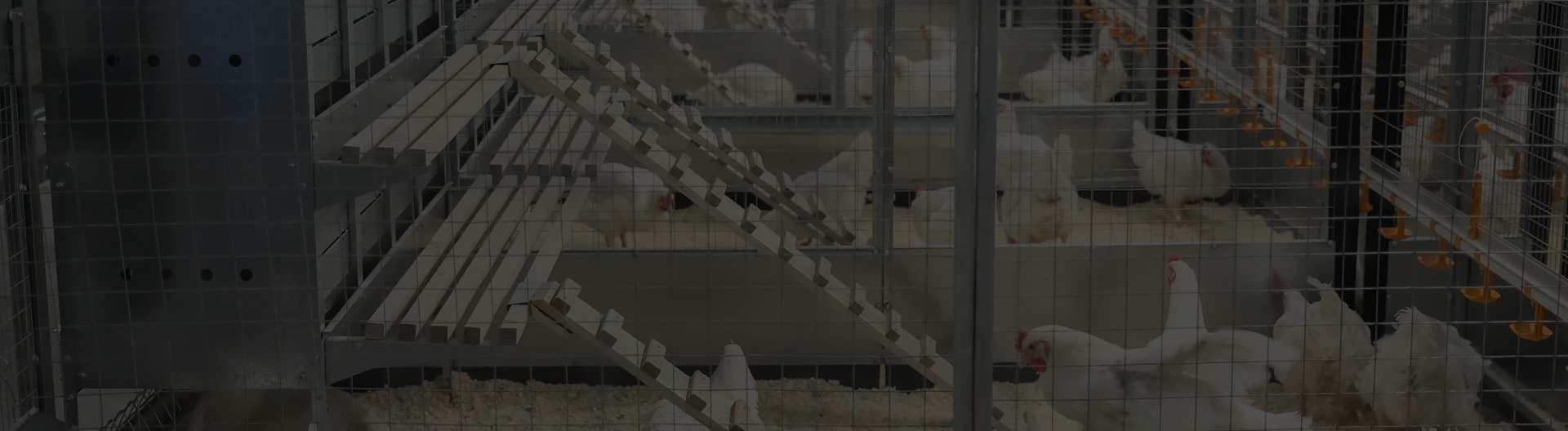
Chicken Layer Cage Systems: Boosting Efficiency & Sustainability in Poultry Farming
Nov . 26, 2025 17:35 Back to list
Chicken Layer Cage Systems: Boosting Efficiency & Sustainability in Poultry Farming
Understanding Chicken Layer Cage Systems: Why They Matter Worldwide
Chicken layer cages might sound like just another piece of farm equipment, but in reality, they’re a pivotal element in modern poultry farming — and by extension, global food security. These cages optimize egg production efficiency, disease control, and animal management, impacting millions of smallholders and commercial operations alike. Getting to know the ins and outs of chicken layer cage systems reveals benefits that ripple across economies, animal welfare standards, and even environmental footprints. In this article, we take a conversational stroll through what chicken layer cages really are, why they’re so essential globally, and how innovations are shaping their future.
Global Context: The Growing Demand for Efficient Egg Production
The global poultry industry isn’t just big — it's massive. According to the UN Food and Agriculture Organization (FAO), world egg production surpassed 80 million tonnes in 2021, with demand steadily climbing due to population growth and dietary shifts. Yet, meeting this demand sustainably isn't straightforward. Challenges like disease outbreaks, land use efficiency, and feed costs place pressure on farmers worldwide.
Chicken layer cages — an element of controlled-environment poultry management — help address some key industry pain points. With layer cages, farms can increase space utilization, keep hens healthier, and simplify egg collection, thereby increasing productivity. However, debates around animal welfare have also spurred innovations and regulatory shifts, adding complexity to how these cages are designed and used globally.
Mini takeaway: Efficient poultry systems like chicken layer cages are not just about production—they're a critical pivot point for sustainability and food security worldwide.
What Exactly Is a Chicken Layer Cage?
In the simplest terms, a chicken layer cage is a specially designed enclosure that houses laying hens. Its purpose is to house hens efficiently while facilitating egg collection, feeding, and cleaning. They come in various sizes and configurations — from single-tier units for backyard farmers to multi-tier battery systems for industrial operations.
These cages connect modern agriculture with urgent humanitarian needs — like feeding communities in developing countries, or supporting disaster relief where quick poultry infrastructure rebuilds can boost livelihoods. In essence, they are tools engineered to balance productivity, cost-efficiency, and increasingly, animal welfare.
Key Features of a High-Quality Chicken Layer Cage
Durability and Materials
Among the first things engineers discuss is the construction material. Stainless steel and galvanized steel meshes are popular for their corrosion resistance, vital when exposed to moisture and wastes. Durability means cages last longer, reducing replacement costs and downtime.
Scalability and Space Optimization
Modern layer cages are often modular — stackable tiers and adjustable sizes help farmers match facility space with flock size, scaling up or down with demand fluctuations.
Cost Efficiency
Affordable upfront investment and low maintenance requirements mean chicken layer cages are accessible even to smaller farms, particularly in emerging markets.
Animal Health and Welfare
Good designs focus on ventilation, waste disposal, and minimizing stress to hens. Some cages incorporate perches or nest boxes, responding to welfare-oriented regulations and consumer expectations.
Ease of Egg Collection and Cleaning
Sloped floors and collection trays enhance egg safety and farm labor efficiency—a practical but often overlooked detail.
Chicken Layer Cages in Action Around the World
It’s fascinating to see how diverse environments and farm sizes wield these cages:
- Asia: Countries like China and Vietnam implement multi-tier battery cages in mega farms to meet urban demand.
- Africa: NGOs leverage portable, lightweight poultry cages to jumpstart post-conflict agriculture.
- Europe: Welfare laws push adoption of enriched cages, which blend confinement with hen comfort.
For example, in Kenya, smallholder farmers have adopted more compact chicken layer cage units for backyard production, dramatically increasing egg yields while maintaining manageable costs.
Mini takeaway: No matter the scale or location, chicken layer cages adapt — proving themselves essential tools in both advanced agribusiness and small community farms.
Advantages and Long-Term Value of Implementing Chicken Layer Cages
- Improved Efficiency: Easier monitoring of feed and health means fewer losses.
- Sustainability: Reduced land and resource usage per egg produced.
- Economic Security: Higher, more predictable outputs boost farmer incomes.
- Animal Welfare: Modern cages accommodate natural behaviors within practical limits.
There’s also a subtle emotional value — farmers often talk about the satisfaction of caring for hens in well-designed systems that respect the animal’s needs, yet help meet community food demands.
Table: Typical Specifications for a Standard Chicken Layer Cage System
| Specification | Details |
|---|---|
| Dimensions (L×W×H) | 120 cm × 60 cm × 45 cm |
| Material | Galvanized Steel Mesh |
| Capacity | 5-6 hens per cage |
| Tier Levels | 1 to 5 tiers |
| Egg Collection | Sloped floor with collection trays |
| Weight | Approximately 30 kg per cage |
Comparing Popular Chicken Layer Cage Vendors
| Vendor | Material Quality | Customizability | Pricing | Warranty & Support |
|---|---|---|---|---|
| FeatherTech Co. | High-grade galvanized steel | Modular tiers, adjustable sizes | $$$ (Premium) | 5-year warranty with onsite support |
| AgriCoop Supplies | Standard galvanized wire | Limited customization | $$ (Budget-Friendly) | 2-year warranty, email support |
| PoultryPros Inc. | Stainless steel options available | Custom builds upon request | $$$ | 3-year warranty, phone support |
The Road Ahead: Innovations and Sustainability in Chicken Layer Cages
Looking forward, we see several fascinating trends shaping the future of chicken layer cage technology.
- Green Materials: Novel biodegradable coatings and recycled metals are reducing environmental impact.
- Digital Monitoring: IoT sensors track hen health and environment — improving welfare and productivity.
- Automation: Automated feeders and egg collectors cut labor costs while boosting consistency.
- Policy & Welfare Standards: Stricter regulations spur cage designs that blend productivity with ethics.
Addressing Challenges & Practical Solutions
Of course, chicken layer cages aren't without their quirks. Overcrowding concerns, initial investment costs, and waste management remain challenges in many regions. But many producers combine cage use with rotational flock management and biosecurity protocols to mitigate disease risks. Emerging funding sources and microloans enhance access for smaller farmers. There's a lot of creative problem-solving underway — and it's exciting to see where it'll lead.
FAQ: Common Questions About Chicken Layer Cages
- How do chicken layer cages improve egg production compared to free-range systems?
- Layer cages offer controlled environments, making feeding and monitoring more efficient. This leads to higher productivity and fewer lost eggs due to dirt or breakage. However, welfare considerations mean many farms balance cage use with free-range practices.
- Are chicken layer cages suitable for smallholders or only large-scale farms?
- Cages come in all sizes—small, modular cages are perfect for backyard farmers wanting to increase output, while multi-tier battery cages suit industrial farms. The key is choosing designs that fit your scale and management style.
- What materials are best for durable chicken layer cages?
- Galvanized steel is common for durability and rust resistance, while stainless steel lasts longer but costs more. Many systems use welded wire mesh to balance ventilation and strength.
- Can chicken layer cages be relocated easily?
- Portable or modular designs allow for quicker relocation. This is useful for farmers who rotate pastures or NGOs working in temporary setups.
- How do I ensure the welfare of hens in cage systems?
- Ensuring adequate space, ventilation, nest access, and minimizing stressors is crucial. Choosing enriched or modified cages that allow some natural behaviors helps meet modern welfare standards.
Conclusion: Why Chicken Layer Cages Are Here to Stay
So, what’s the long and short of chicken layer cages? They’re more than just farming gear. They’re crucial cogs in the global machinery that feeds millions, sustains livelihoods, and adapts to a continually evolving agricultural landscape. By streamlining poultry management, offering cost-effective options, and facing forward with sustainable innovation, chicken layer cages will continue to hold a key place in food production.
Interested in exploring top-grade chicken layer cages? Visit our website: chicken layer cage to learn about the latest models and how they can fit your operation.
References:
1. FAO Poultry Production Statistics
2. Wikipedia: Poultry Farming
3. ISO 9001: Quality Management
-
Comprehensive Guide to Plastic Vacuum Packaging Machines: Benefits, Uses & Trends
NewsDec.03,2025
-
Comprehensive Guide to Sausage Vacuum Packaging Machines: Benefits, Uses, and Future Trends
NewsDec.03,2025
-
Vacuum Plastic Packaging Machine - Global Applications, Benefits & Future Trends
NewsDec.03,2025
-
Comprehensive Guide to Sheep Feed Pellet Machine – Benefits, Uses & Future Trends
NewsDec.02,2025
-
Horse Feed Pellet Machine: Essential Guide to Features, Benefits, and Global Applications
NewsDec.02,2025
-
Small Pellet Feed Making Machine: Benefits, Uses & Future Trends | Yize Machine
NewsDec.02,2025





 Afrikaans
 Albanian
 Amharic
 Arabic
 Armenian
 Azerbaijani
 Basque
 Belarusian
 Bengali
 Bosnian
 Bulgarian
 Catalan
 Cebuano
 Corsican
 Croatian
 Czech
Czech
 Danish
 Dutch
Dutch
 Esperanto
 Estonian
 Finnish
 French
 Frisian
 Galician
 Georgian
 German
 Greek
Greek
 Gujarati
 Haitian Creole
 Hausa
Hausa
 Hawaiian
 Hebrew
 Hindi
Hindi
 Miao
Miao
 Hungarian
 Icelandic
 Igbo
Igbo
 Indonesian
 Irish
Irish
 Italian
 Japanese
 Javanese
 Kannada
 Kazakh
 Khmer
Khmer
 Rwandese
 Korean
 Kurdish
 Kyrgyz
 Lao
Lao
 Latin
Latin
 Latvian
 Lithuanian
 Luxembourgish
 Macedonian
 Malgashi
 Malay
Malay
 Malayalam
 Maltese
 Maori
Maori
 Marathi
 Mongolian
 Myanmar
 Nepali
 Norwegian
 Norwegian
 Occitan
 Pashto
 Persian
 Polish
 Portuguese
 Punjabi
 Romanian
 Russian
 Samoan
 Scottish Gaelic
 Serbian
 Sesotho
 Shona
Shona
 Sindhi
 Sinhala
 Slovak
 Slovenian
 Somali
 Spanish
 Sundanese
 Swahili
 Swedish
 Tagalog
 Tajik
Tajik
 Tamil
Tamil
 Tatar
Tatar
 Telugu
 Thai
Thai
 Turkish
 Turkmen
 Ukrainian
 Urdu
Urdu
 Uighur
 Uzbek
Uzbek
 Vietnamese
 Welsh
Welsh
 Bantu
Bantu
 Yiddish
 Yoruba
 English