
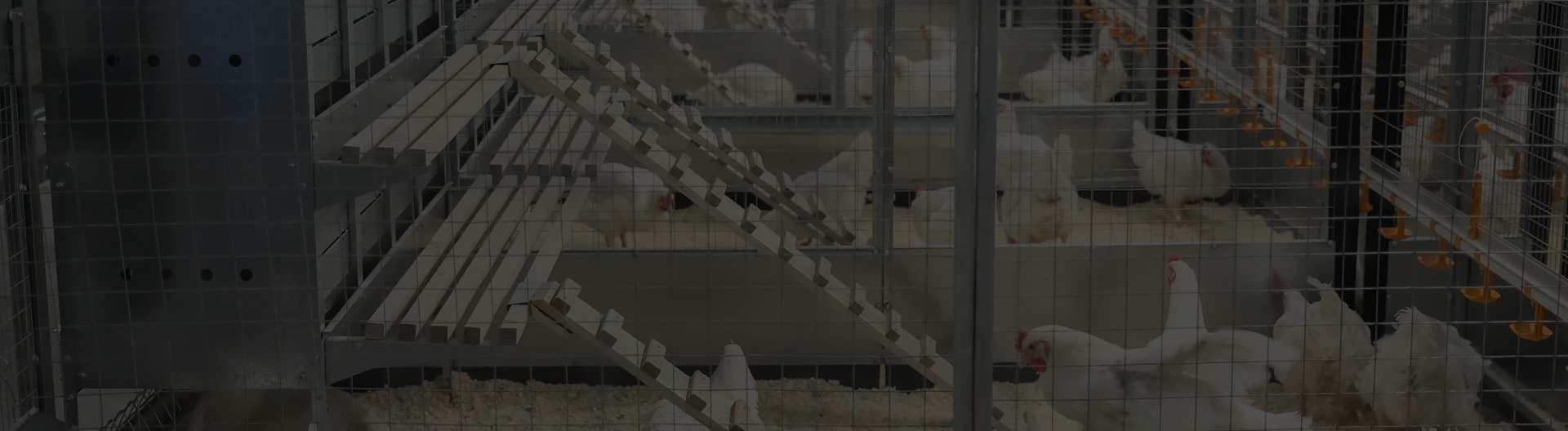
Comprehensive Guide to Farrowing Pens: Enhancing Piglet Welfare and Farm Productivity
Dec . 01, 2025 19:10 Back to list
Comprehensive Guide to Farrowing Pens: Enhancing Piglet Welfare and Farm Productivity
Why Farrowing Pens Matter in Modern Pig Farming
If you’ve ever wandered through a large pig farm or read about livestock management, you’ve probably come across the term farrowing pens. But why does this seemingly specific piece of equipment matter so much globally? Simply put, farrowing pens are vital for the welfare of sows and newborn piglets during one of the most vulnerable stages of life: farrowing, or giving birth.
Globally, pork is one of the most-consumed meats, with production surpassing 110 million tonnes annually according to recent UN Food and Agriculture Organization (FAO) data. That means the health, growth, and survival of piglets directly affect food supply chains, farm profitability, and even small-scale rural livelihoods. Getting farrowing pens right is not just a welfare issue — it’s a cornerstone of sustainable animal husbandry and food security.
The Global Context: Challenges and Importance of Farrowing Pens
Farrowing pens are crucial worldwide, especially in regions where pork is a dietary staple and a source of income for millions. As the global demand for pork increases, so does pressure on farms to improve piglet survival rates and reduce losses from crushing or disease.
Here’s the tricky part: farrowing pens need to balance protection with comfort. Yet, the global average piglet mortality rate can be as high as 20%, largely caused by poor pen design leading to crushing or chilling. According to the World Bank's reports on agricultural productivity, regions in Asia, Latin America, and increasingly Eastern Europe rely heavily on improved farrowing facilities to boost yields and meet rising consumer demand.
So, the problem these pens address is both immediate and system-wide — how to create safe, cost-effective, and scalable spaces for sows to farrow while maximizing piglet survival, growth, and eventual market weight.
What Exactly Are Farrowing Pens?
At its simplest, farrowing pens are specially designed enclosures within pig housing where a sow gives birth and nurses her piglets. These pens help control the environment — temperature, hygiene, and safety — to shelter newborns and ease sow care. Modern designs typically include features like anti-crushing bars, slatted floors for waste management, and separate piglet creep areas warmed by heat lamps or mats.
In the wider agricultural landscape, farrowing pens represent an evolution from rustic pens or open hutches toward scientifically designed, welfare-conscious housing. They also intersect with sustainable farming initiatives, as optimized pens reduce disease transmission and resource waste.
Core Factors That Make a Great Farrowing Pen
Durability
Many farmers joke about the wear and tear sows can put any facility through. A good farrowing pen uses sturdy materials like galvanized steel or reinforced plastics — weather- and rust-resistant — ensuring years of trouble-free function.
Thermal Comfort
Newborn piglets are sensitive to cold, so many pens include insulated creep areas with supplemental heat. This can be as simple as heat lamps or more advanced radiant-heated floors. It sounds trivial, but it’s key to reducing piglet chilling and mortality rates.
Space and Layout
Oddly enough, the design is a tightrope walk between giving the sow enough room to comfortably nest and preventing the piglets from wandering into danger zones. Pens often combine open space for the sow with protected piglet areas. I’ve seen some designs that do this so well, it feels like a tiny piglet sanctuary.
Ease of Cleaning and Hygiene
Sanitation is paramount. Pens with slatted floors enable better waste drainage, reducing ammonia buildup and disease risk. It’s straightforward but must be carefully planned considering regional waste management regulations and ease of daily maintenance.
Cost Efficiency
Farrowing pens are investments — in money and time. Ideally, they save money long-term by improving survival rates and reducing veterinary bills. Simpler designs using modular components are favored by small-scale farmers, while industrial operations may opt for automated feeding and climate control.
In short, a good farrowing pen combines comfort, safety, and cost-effectiveness to protect both the sow and the piglets.
Real-World Applications of Farrowing Pens
The application of farrowing pens spans from massive industrial pork production complexes in the USA, China, and Brazil, to smallholder farms in Vietnam or Eastern Europe. For example, in post-disaster recovery zones where quick rebuilding of agricultural infrastructure is critical, temporary but well-designed farrowing pens support rural livelihoods and food security.
In cold climates like parts of Scandinavia, advanced controlled-environment pens ensure piglets survive harsh winters. Meanwhile, NGOs involved in sustainable agriculture training often promote farrowing pen use to improve piglet survival and build farmers’ resilience.
And let’s not forget innovation hubs in Western Europe and North America, where automation and IoT sensors monitor sow health and piglet activity in real time, refining pen design based on data.
Advantages and Long-Term Value
- Improved piglet survival: Lower mortality through better protection and comfort.
- Cost savings: Fewer vet interventions and higher yields mean improved profitability.
- Animal welfare: Pens support sow dignity and reduce stress, a rising concern globally.
- Sustainability: Efficient pens lower environmental impact through waste control and better resource use.
- Trust and reputation: Sustainable, welfare-friendly farming practices appeal more to modern consumers and markets.
In some ways, investing in good farrowing pens raises the bar for what pig farming can be: a thoughtful, humane, and productive enterprise rather than just a numbers game.
Specifications of a Typical Modern Farrowing Pen
| Feature | Specification |
|---|---|
| Dimensions | 2.4 m (L) x 1.8 m (W) x 1.0 m (H) |
| Material | Galvanized steel frame + polypropylene slatted floor |
| Heating | Electric heat lamp + insulated creep area |
| Safety Features | Anti-crush bars + piglet escape gutters |
| Cleaning | Slatted floor with drainage + detachable panels |
| Weight Capacity | Supports sows up to 300 kg |
Comparing Top Farrowing Pen Vendors
| Vendor | Material Quality | Price Range | Customization Options | Warranty |
|---|---|---|---|---|
| AgroFarrowTech | High-grade galvanized steel | $$$ | Size & heating system | 5 years |
| FarmSafe Solutions | Medium-strength plastic composites | $$ | Basic size variants | 3 years |
| PigletProtect Co. | Premium plastic & steel hybrid | $$$$ | Fully customizable modular | 7 years |
Exciting Innovations on the Horizon
The future of farrowing pens is brighter than ever. We’re seeing green-energy powered pens that use solar panels to run cooling fans or heat lamps, reducing the environmental footprint. Digital transformation plays a big role, with sensors tracking sow behavior and automatically adjusting pen temperature or alerting farmers if something seems off.
Material-wise, biodegradable and recyclable composites are emerging, blending durability with sustainability. Automated cleaning systems also promise to reduce labor costs and improve hygiene – something many large farms are excited about. AI-assisted health monitoring, too, is becoming a reality in some high-tech pig farms.
So, these pens aren’t just static shelters anymore. They’re evolving into smart, eco-friendly environments designed to maximize pig welfare and farm efficiency simultaneously.
Common Challenges and Practical Solutions
A few obstacles still persist. For instance, smaller farmers often find initial investment costs prohibitive. That’s where scalable modular systems come in — you can start small and grow as budgets allow. Another challenge is maintaining proper temperature without wasteful energy use. Many farms now use targeted heating systems localized just to piglet creep areas instead of warming the entire pen.
Also, poorly designed pens still cause piglet crushing and injuries. Experts recommend adjustable anti-crush bars and ongoing training for farm staff to recognize early signs of sow stress or piglet trouble. Interestingly, community farming cooperatives sometimes share farrowing pen resources and knowledge, easing individual costs and learning curves.
Frequently Asked Questions About Farrowing Pens
- Q: How do farrowing pens improve piglet survival rates?
A: By providing a safe, temperature-controlled environment with anti-crush features and creep areas, farrowing pens reduce mortality caused by crushing, chilling, and disease exposure. - Q: What materials are best for durability and hygiene?
A: Galvanized steel combined with polyvinyl or polypropylene plastics balances strength and easy cleaning, helping maintain sanitation standards. - Q: Can farrowing pens be customized for different climates?
A: Absolutely. Modular panels, adjustable heating, and optional insulation allow pens to be adapted for tropical heat or cold winters. - Q: What’s the typical lifespan of a high-quality farrowing pen?
A: With proper maintenance, pens can last 7–10 years or more — warranties from manufacturers often range from 3 to 7 years. - Q: Are farrowing pens suitable for smallholder farmers?
A: Yes, specially designed portable or modular pens make installation and cost management feasible for small farms.
In Conclusion: Why Investing in Farrowing Pens Pays Off
Farrowing pens may sound like a technical, niche subject, but their impact ripples through agricultural systems worldwide. By improving piglet survival, optimizing farm costs, and enhancing animal welfare, they build resilience in food production and rural economies alike.
Whether you’re running a large-scale pork operation, a small family farm, or engaged in sustainable development work, understanding and adopting effective farrowing pen solutions can yield long-term benefits.
If you’re curious about the latest models or want to explore smart, cost-effective designs, why not start by visiting our website? There, you’ll find a wide range of options tailored to diverse needs and budgets.
References:
1. FAO – Global Pork Production Data
2. World Bank – Agricultural Productivity Reports
3. ISO 13044 – Animal Welfare Design Standards
-
Comprehensive Guide to Plastic Vacuum Packaging Machines: Benefits, Uses & Trends
NewsDec.03,2025
-
Comprehensive Guide to Sausage Vacuum Packaging Machines: Benefits, Uses, and Future Trends
NewsDec.03,2025
-
Vacuum Plastic Packaging Machine - Global Applications, Benefits & Future Trends
NewsDec.03,2025
-
Comprehensive Guide to Sheep Feed Pellet Machine – Benefits, Uses & Future Trends
NewsDec.02,2025
-
Horse Feed Pellet Machine: Essential Guide to Features, Benefits, and Global Applications
NewsDec.02,2025
-
Small Pellet Feed Making Machine: Benefits, Uses & Future Trends | Yize Machine
NewsDec.02,2025





 Afrikaans
 Albanian
 Amharic
 Arabic
 Armenian
 Azerbaijani
 Basque
 Belarusian
 Bengali
 Bosnian
 Bulgarian
 Catalan
 Cebuano
 Corsican
 Croatian
 Czech
Czech
 Danish
 Dutch
Dutch
 Esperanto
 Estonian
 Finnish
 French
 Frisian
 Galician
 Georgian
 German
 Greek
Greek
 Gujarati
 Haitian Creole
 Hausa
Hausa
 Hawaiian
 Hebrew
 Hindi
Hindi
 Miao
Miao
 Hungarian
 Icelandic
 Igbo
Igbo
 Indonesian
 Irish
Irish
 Italian
 Japanese
 Javanese
 Kannada
 Kazakh
 Khmer
Khmer
 Rwandese
 Korean
 Kurdish
 Kyrgyz
 Lao
Lao
 Latin
Latin
 Latvian
 Lithuanian
 Luxembourgish
 Macedonian
 Malgashi
 Malay
Malay
 Malayalam
 Maltese
 Maori
Maori
 Marathi
 Mongolian
 Myanmar
 Nepali
 Norwegian
 Norwegian
 Occitan
 Pashto
 Persian
 Polish
 Portuguese
 Punjabi
 Romanian
 Russian
 Samoan
 Scottish Gaelic
 Serbian
 Sesotho
 Shona
Shona
 Sindhi
 Sinhala
 Slovak
 Slovenian
 Somali
 Spanish
 Sundanese
 Swahili
 Swedish
 Tagalog
 Tajik
Tajik
 Tamil
Tamil
 Tatar
Tatar
 Telugu
 Thai
Thai
 Turkish
 Turkmen
 Ukrainian
 Urdu
Urdu
 Uighur
 Uzbek
Uzbek
 Vietnamese
 Welsh
Welsh
 Bantu
Bantu
 Yiddish
 Yoruba
 English