
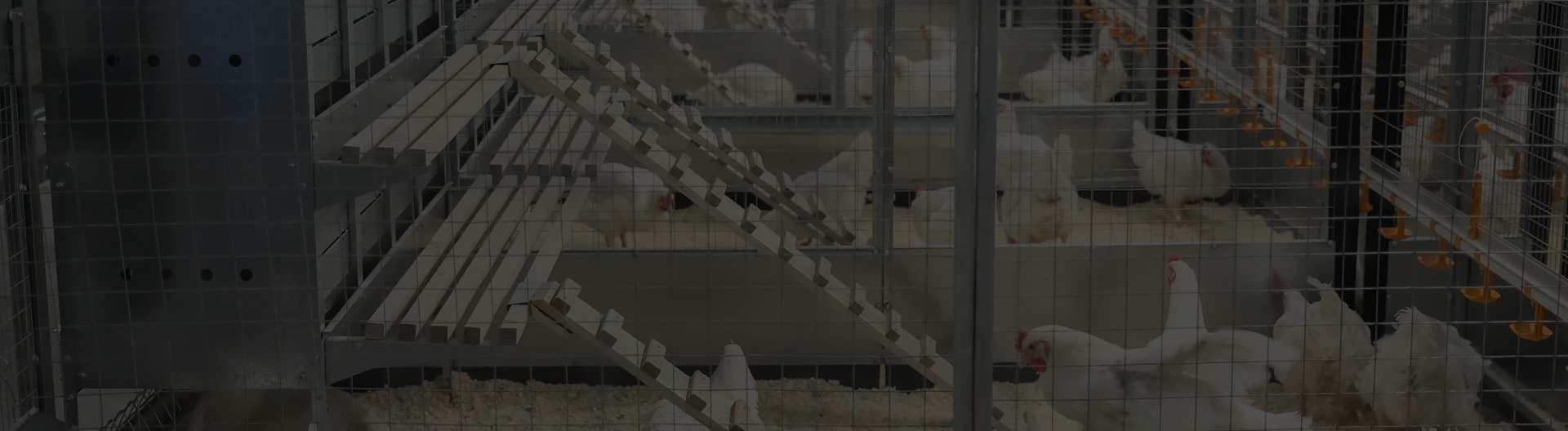
Innovative Farrowing Pen Solutions for Modern Pig Farming | Optimize Livestock Welfare & Productivity
Dec . 01, 2025 19:50 Back to list
Innovative Farrowing Pen Solutions for Modern Pig Farming | Optimize Livestock Welfare & Productivity
Understanding the Farrowing Pen: Why It Matters Globally
If you’ve ever wandered through a modern pig farm or visited agricultural research, you’ve likely come across something called a farrowing pen. Despite sounding technical, it’s a simple concept with deep relevance—not just to farming but to global food security, animal welfare, and sustainable agricultural practices. Essentially, a farrowing pen is a specialized space designed to house a sow (female pig) during and after giving birth. It’s a crucial piece of the puzzle that improves survival rates of piglets and streamlines farm productivity worldwide.
On a global scale, considering that pork is one of the most widely consumed meats (accounting for nearly 38% of meat consumed according to the UN Food and Agriculture Organization), optimizing how piglets are born and raised directly affects millions. Improving farrowing pen designs doesn’t just increase yield; it influences economic stability for farmers and food availability for communities.
I suppose the core takeaway: understanding the farrowing pen means grasping a small but significant part of the global agricultural chain—and why innovation in this area quietly but powerfully matters.
Farrowing Pen in Today’s Global Farming Landscape
According to recent statistics from the FAO, there are over 1 billion pigs raised globally, predominantly in Asia and Europe with growing production in the Americas. As industrial farming scales up, the need to reduce piglet mortality and improve sow welfare becomes pressing. Enter the farrowing pen, a controlled environment that addresses these challenges through better space management and protection against crushing—the number one cause of piglet death.
Yet, there’s more. Sustainable agriculture initiatives and animal welfare regulations have pushed for farrowing pens that aren’t just functional but humane. In many developing regions, lack of infrastructure means piglets are vulnerable—a farrowing pen can be a first big step toward safer, more reliable livestock operations.
Defining the Farrowing Pen: More Than Just a Hog’s Space
At its simplest, a farrowing pen is a confined area within a piggery where the sow gives birth and nurses her piglets during their first few weeks of life. But it's designed with specific features—like slatted floors for hygiene, heat sources for piglets, and guard rails to protect newborns from accidental crushing by the mother. Sounds straightforward enough, yet this design has evolved remarkably with science and industry feedback.
The farrowing pen is a bridge between traditional livestock management and modern agricultural science—one that blends practical needs with welfare and productivity. As pig farming becomes more intensive globally, the pen’s design becomes a critical factor for success.
Key Factors in Farrowing Pen Design
1. Durability and Hygiene
Farrowing pens must last through harsh cleaning cycles—high-pressure washing, disinfectants, and heavy wear from animals. Producers tend to prefer galvanized steel or coated metals combined with plastic or coated wood surfaces to withstand decay and corrosion. Hygiene isn’t just an afterthought here; it prevents disease spread, which is critical in piglet survival.
2. Temperature Control
Newborn piglets can’t regulate their body heat well. That’s why integrated heat lamps or heated mats are often part of modern pens. Thermal comfort improves piglet growth rates and reduces mortality—a big deal in profitability.
3. Safety Features
Piglet protection bars, sometimes called "creep bars," are designed to keep the sow from lying directly on her babies by accident. It’s grim but true; without this small innovation, crushed piglets would be more common. Many engineers tell me this is where simple design meets life-saving function.
4. Cost Efficiency and Scalability
For many farms, especially small or emerging operations, affordability and ease of assembly drive purchasing decisions. Modular, easy-to-clean, and maintain units are favored, especially where labor resources are limited.
5. Environmental Impact
With sustainability growing as a priority, materials that reduce carbon footprint or allow for recycling factor strongly into modern pen choices.
| Specification | Standard Details |
|---|---|
| Pen Dimensions | 2.4m x 1.8m typical |
| Materials | Galvanized Steel & Plastic Panels |
| Flooring | Slatted, non-slip concrete or plastic-coated |
| Temperature Support | Heat lamps or underfloor heating pads |
| Safety Features | Piglet guard rails / anti-crushing barriers |
Global Applications & Real-World Use Cases
In the industrial farms of Europe and North America, farrowing pens are often part of advanced automated systems that monitor sow health and piglet development while controlling environmental factors digitally. But on the other side of the spectrum, small farms in Southeast Asia or sub-Saharan Africa leverage simple, affordable versions to improve piglet survival rates in regions where pigs are critical to family livelihoods.
International NGOs focused on rural development have implemented farrowing pens as part of livestock support packages, recognizing their importance in increasing food security and local economies.
Oddly enough, some post-disaster relief zones where food sources are disrupted have experimented with mobile, modular farrowing pen kits to rapidly re-establish livestock production.
Advantages & Long-Term Value of Farrowing Pens
- Improved Piglet Survival: Reduced mortality means higher yields and better income.
- Enhanced Sow Welfare: Less stress leads to improved milk production and larger litters.
- Cost Efficiency: Though there’s an upfront investment, pens save money long-term by minimizing losses.
- Sustainability: Responsible materials and improved sanitation lower environmental impacts.
Beyond numbers, there’s an emotional payoff too—farmers feel more confident and dignified when investing in humane systems. It breeds trust and pride in their work, which, frankly, often gets overlooked.
Looking Ahead: Future Innovations in Farrowing Pens
The future holds fascinating innovations: IoT sensors tracking piglet health in real-time, solar-powered heating, and even AI-driven adjustments to pen conditions based on environmental data. There's a growing push towards greener materials, smarter designs that reduce waste, and modular solutions adaptable to any farm scale.
Digital transformation in agriculture isn’t just a buzzword—it’s actively reshaping how farrowing pens perform and interact with their environment. It feels like we’re only starting to see their potential.
Challenges & How Experts Are Tackling Them
Despite progress, common challenges persist: high costs for smallholders, maintenance in remote areas, and local climate extremes. But experts have suggested solutions like subsidized equipment programs, training for local farmers on pen maintenance, and development of low-cost, durable local materials—such as bamboo composites—to replace harder-to-source steel. It's a mix of innovation and community knowledge that’s making the difference.
| Vendor | Material Quality | Customization Options | Price Range | Tech Features |
|---|---|---|---|---|
| AgriPen Solutions | High-grade galvanized steel | Full modular options | $$$ | Integrated temp control |
| FarmCo Innovations | Powder-coated steel & plastic | Limited customization | $$ | Basic heat lamps included |
| RuralLivestock Equip | Local composite materials | Made to order only | $ | Minimal tech, focus on durability |
FAQs about Farrowing Pens
Q1: What features make a farrowing pen more effective than basic pig enclosures?
The effectiveness lies in its specialized design: controlled temperature zones, piglet-protective rails, optimized sanitation surfaces, and appropriate sizing to prevent injury but allow comfort. These features directly reduce piglet mortality and maternal stress.
Q2: How long is a farrowing pen typically used for each sow?
Usually, a farrowing pen is used during the farrowing process and up to 3–4 weeks post-birth, after which piglets are moved to nursery pens. Pens are then cleaned and prepped for the next batch.
Q3: Can farrowing pens be adapted for outdoor or small-scale farms?
Absolutely. There are modular and portable designs tailored for smaller operations or outdoor setups, often focusing on lightweight, affordable materials that still meet safety and hygiene standards.
Q4: Are there sustainable materials used in modern farrowing pens?
Yes, innovations include biodegradable composites, recycled plastics, and coated bamboo frameworks that reduce environmental impact while maintaining durability.
Q5: How does investing in better farrowing pens impact farm economics?
Increased piglet survival means more market-ready piglets, decreasing losses drastically. Over time, the initial investment pays off via higher income, lower veterinary costs, and better sow productivity.
Wrapping Up: Why Farrowing Pens Deserve Your Attention
So, you see, a farrowing pen is not just a corner in a barn. It’s a keystone technology quietly shaping the future of pig farming, shaping economies, food supply chains, and animal welfare standards worldwide. If you’re a farmer, a policymaker, or just curious about agricultural innovation, understanding this simple tool opens doors to bigger conversations on sustainable food systems.
Interested in learning more or upgrading your farm’s farrowing environment? Visit our website here to explore state-of-the-art farrowing pen solutions tailored to your needs.
Takeaway: Farrowing pens blend science, practicality, and empathy in farm design—a rare combo that keeps yielding benefits globally.
References
-
Comprehensive Guide to Plastic Vacuum Packaging Machines: Benefits, Uses & Trends
NewsDec.03,2025
-
Comprehensive Guide to Sausage Vacuum Packaging Machines: Benefits, Uses, and Future Trends
NewsDec.03,2025
-
Vacuum Plastic Packaging Machine - Global Applications, Benefits & Future Trends
NewsDec.03,2025
-
Comprehensive Guide to Sheep Feed Pellet Machine – Benefits, Uses & Future Trends
NewsDec.02,2025
-
Horse Feed Pellet Machine: Essential Guide to Features, Benefits, and Global Applications
NewsDec.02,2025
-
Small Pellet Feed Making Machine: Benefits, Uses & Future Trends | Yize Machine
NewsDec.02,2025





 Afrikaans
 Albanian
 Amharic
 Arabic
 Armenian
 Azerbaijani
 Basque
 Belarusian
 Bengali
 Bosnian
 Bulgarian
 Catalan
 Cebuano
 Corsican
 Croatian
 Czech
Czech
 Danish
 Dutch
Dutch
 Esperanto
 Estonian
 Finnish
 French
 Frisian
 Galician
 Georgian
 German
 Greek
Greek
 Gujarati
 Haitian Creole
 Hausa
Hausa
 Hawaiian
 Hebrew
 Hindi
Hindi
 Miao
Miao
 Hungarian
 Icelandic
 Igbo
Igbo
 Indonesian
 Irish
Irish
 Italian
 Japanese
 Javanese
 Kannada
 Kazakh
 Khmer
Khmer
 Rwandese
 Korean
 Kurdish
 Kyrgyz
 Lao
Lao
 Latin
Latin
 Latvian
 Lithuanian
 Luxembourgish
 Macedonian
 Malgashi
 Malay
Malay
 Malayalam
 Maltese
 Maori
Maori
 Marathi
 Mongolian
 Myanmar
 Nepali
 Norwegian
 Norwegian
 Occitan
 Pashto
 Persian
 Polish
 Portuguese
 Punjabi
 Romanian
 Russian
 Samoan
 Scottish Gaelic
 Serbian
 Sesotho
 Shona
Shona
 Sindhi
 Sinhala
 Slovak
 Slovenian
 Somali
 Spanish
 Sundanese
 Swahili
 Swedish
 Tagalog
 Tajik
Tajik
 Tamil
Tamil
 Tatar
Tatar
 Telugu
 Thai
Thai
 Turkish
 Turkmen
 Ukrainian
 Urdu
Urdu
 Uighur
 Uzbek
Uzbek
 Vietnamese
 Welsh
Welsh
 Bantu
Bantu
 Yiddish
 Yoruba
 English