
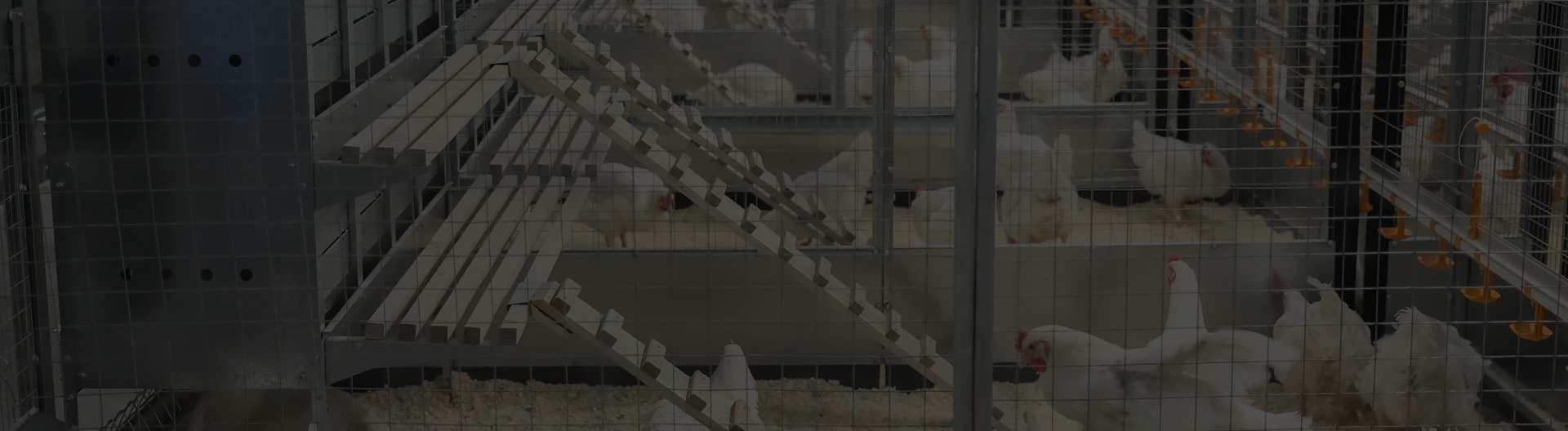
Comprehensive Guide to Chicken Egg Layer Cages | Benefits & Innovations
Nov . 26, 2025 19:20 Back to list
Comprehensive Guide to Chicken Egg Layer Cages | Benefits & Innovations
Understanding Chicken Egg Layer Cages: A Crucial Component in Global Poultry Farming
If you’ve ever wondered about the infrastructure behind the eggs on your breakfast table, chicken egg layer cages play a starring role. More than just metal grids holding hens, these cages underpin one of the world’s most vital food supply chains. They help maximize productivity, ensure biosecurity, and support millions of livelihoods globally.
Why does this matter on a global scale? Because according to the United Nations’ Food and Agriculture Organization (FAO), poultry eggs contribute an essential share of animal protein worldwide, especially in developing countries where resources can be scarce. Without effective egg-laying solutions, food security and nutritional targets would falter.
Takeaway: Chicken egg layer cages might sound mundane, but they’re central to feeding billions sustainably and efficiently.
The Bigger Picture: Global Relevance of Chicken Egg Layer Cages
The global demand for eggs has been on a steady climb — with the World Bank estimating a 3% annual growth in egg consumption. Regions like South Asia, Sub-Saharan Africa, and Latin America are fueling this boost as populations grow and incomes rise.
Yet, the poultry sector faces challenges: disease outbreaks, environmental regulations, and fluctuating feed costs, to name a few. Chicken egg layer cages — designed to safely house layers while optimizing space and hygiene — become an answer to these pressures.
Organizations such as the International Organization for Standardization (ISO) have even begun framing guidelines to ensure cage designs meet welfare and safety standards. This sector is evolving rapidly, not just for economic reasons but due to ethical and environmental ones too.
Mini takeaway: Understanding the role of these cages helps stakeholders navigate food security, animal welfare, and sustainability issues all at once.
What Are Chicken Egg Layer Cages, Really?
Put simply, chicken egg layer cages are specialized enclosures designed to house laying hens efficiently and safely. Unlike free-range systems, these cages organize hens into rows and tiers, allowing farmers to manage populations easily, monitor health, and collect eggs with minimal labor.
Technically, they’re often made from galvanized steel or stainless steel with tiered frameworks. The design balances ventilation, light, and accessibility, serving the needs of modern-scale poultry production.
On a humanitarian note, these cages also contribute to poverty alleviation programs in rural settings by promoting small-scale egg production—resulting in better nutrition and income.
Core Components of Chicken Egg Layer Cages
1. Durability & Material Quality
High-quality materials mean longer cage lifespans and resistance to corrosion—vital for humid or tropical climates common in emerging markets. I’ve met many farmers who stress longevity as their primary investment criterion.
2. Scalability & Modular Design
The ability to stack or group cages makes scaling easier—from a backyard setup to industrial farms. Modular cages also support phased investments, letting operators expand as market demand increases.
3. Cost Efficiency
Affordability goes beyond upfront price—it includes maintenance, labor savings, and feed efficiency gains. A well-designed cage can reduce feed waste and simplify egg collection, which adds up quickly.
4. Welfare & Ventilation
Good ventilation reduces bird stress and disease risk. Emerging designs now prioritize animal welfare through ergonomic spacing and better airflow, aligning with consumer-driven welfare standards worldwide.
5. Hygiene & Biosecurity
The design includes sloped floors or wire mesh to keep eggs clean and droppings separate. Easily washable surfaces also help control disease outbreaks, a constant threat in poultry farming.
6. Automation Compatibility
A surprising number of cages today are made to accommodate automatic egg collection and feeding technologies, which not only reduce labor costs but improve consistency.
Mini takeaway: Each of these elements intertwines to make chicken egg layer cages a practical modern solution...
Where and How Are These Cages Used Globally?
From commercial farms in the U.S. Midwest to smallholder projects in Kenya, chicken egg layer cages serve diverse needs. In industrial farming hubs — say, the Netherlands or Brazil — large-scale cages optimize production for export markets.
But the real story lies in emerging economies. For example, NGOs use cage systems to empower rural communities, providing microloans for small poultry businesses. In post-disaster areas, temporary or mobile layer cages rebuild livelihoods by enabling quick poultry restocking.
It’s also interesting how tech hubs in Asia experiment with smart cages that monitor temperature and hen health remotely — a true merger of tradition and innovation.
Product Specification Table: Typical Chicken Egg Layer Cage Features
| Feature | Specification |
|---|---|
| Material | Galvanized Steel / Stainless Steel |
| Dimensions (per unit) | 1200 x 600 x 450 mm (varies by model) |
| Capacity | 3 to 6 hens per cage |
| Stackability | Up to 4 tiers high |
| Floor Type | Wire mesh with droppings tray |
| Egg Collection | Manual or Automatic Conveyor |
Comparing Leading Chicken Egg Layer Cage Product Vendors
| Vendor | Material Quality | Price Range (USD) | Automation Support | Global Shipping |
|---|---|---|---|---|
| YizeMachine | High Grade Galvanized Steel | $150 - $250 per unit | Full Automation Ready | Worldwide |
| FarmEquip Co. | Standard Steel, coated | $130 - $200 per unit | Limited Automation | Regional Only |
| AgriDwell | Stainless Steel Options | $180 - $300 per unit | Yes, Modular Systems | Selective Countries |
Why Chicken Egg Layer Cages are a Smart Long-Term Investment
Picking the right layer cages is not just about short-term gains. These structures contribute long-term economic stability. Well-built cages reduce disease outbreaks which can wipe out flocks. They improve feed conversion ratios and labor efficiency — two big line-item savings for any poultry operation.
There’s also an emotional angle. Poultry farmers often describe watching hens thriving in their cages — healthier, safer, more productive — as deeply satisfying. It’s not just business; it’s about pride and community welfare.
Finally, modern cages reflect the balance between innovation and tradition, marrying tried-and-true farming wisdom with tech-driven efficiency.
Looking Ahead: Future Trends in Chicken Egg Layer Cage Innovation
What’s next? Sustainability drives are pushing cage manufacturers to explore eco-friendly coatings, recyclable materials, and solar-powered automation. Imagine a future where cages harvest their own energy for lighting and feeding automation.
Digital transformation is key too. Sensors monitoring hen health, temperature, and egg production in real time help farmers respond instantly, improving welfare and outputs.
Policy trends also favor enriched and welfare-sensitive cages, nudging industries towards more humane practices — which customers increasingly demand.
Facing Challenges & Navigating Solutions
Of course, chicken egg layer cages have detractors citing animal welfare concerns and upfront costs. Critics highlight space limitations and natural behaviors being restricted.
But experts suggest that with evolving designs — wider spaces, enriched environments — these issues can be substantially mitigated. Additionally, subsidies and technical assistance programs help smallholders afford these systems.
Ultimately, the dialogue between welfare, productivity, and economics is ongoing. Being informed and choosing innovations carefully is the way forward.
FAQ: Your Questions About Chicken Egg Layer Cages Answered
- Q: How do chicken egg layer cages improve egg collection efficiency?
A: By organizing hens in tiers and incorporating slanted flooring, most cages enable eggs to roll gently onto collection trays or conveyors, drastically reducing breakage and labor effort. - Q: Are layer cages safe and comfortable for hens?
A: Modern cages are designed with adequate ventilation and space to minimize stress, but balancing hen welfare with productivity remains a careful design goal. - Q: Can small farmers afford these cages?
A: Yes. Modular designs, financing options, and government or NGO programs have made chicken egg layer cages accessible to many smallholders worldwide. - Q: How do automated egg collection systems work in these cages?
A: Automated systems typically use conveyor belts positioned under sloped cage floors, collecting eggs continuously and reducing manual labor and contamination risk.
Wrapping It Up
Chicken egg layer cages stand at the crossroads of tradition and innovation — a simple product with outsized impact on global nutrition, farmer livelihoods, and animal welfare. If you care about efficient, ethical poultry farming, this technology is worth understanding.
Ready to explore the best in chicken egg layer cages? Visit YizeMachine for high-quality solutions that fit your needs.
References:
-
Comprehensive Guide to Plastic Vacuum Packaging Machines: Benefits, Uses & Trends
NewsDec.03,2025
-
Comprehensive Guide to Sausage Vacuum Packaging Machines: Benefits, Uses, and Future Trends
NewsDec.03,2025
-
Vacuum Plastic Packaging Machine - Global Applications, Benefits & Future Trends
NewsDec.03,2025
-
Comprehensive Guide to Sheep Feed Pellet Machine – Benefits, Uses & Future Trends
NewsDec.02,2025
-
Horse Feed Pellet Machine: Essential Guide to Features, Benefits, and Global Applications
NewsDec.02,2025
-
Small Pellet Feed Making Machine: Benefits, Uses & Future Trends | Yize Machine
NewsDec.02,2025





 Afrikaans
 Albanian
 Amharic
 Arabic
 Armenian
 Azerbaijani
 Basque
 Belarusian
 Bengali
 Bosnian
 Bulgarian
 Catalan
 Cebuano
 Corsican
 Croatian
 Czech
Czech
 Danish
 Dutch
Dutch
 Esperanto
 Estonian
 Finnish
 French
 Frisian
 Galician
 Georgian
 German
 Greek
Greek
 Gujarati
 Haitian Creole
 Hausa
Hausa
 Hawaiian
 Hebrew
 Hindi
Hindi
 Miao
Miao
 Hungarian
 Icelandic
 Igbo
Igbo
 Indonesian
 Irish
Irish
 Italian
 Japanese
 Javanese
 Kannada
 Kazakh
 Khmer
Khmer
 Rwandese
 Korean
 Kurdish
 Kyrgyz
 Lao
Lao
 Latin
Latin
 Latvian
 Lithuanian
 Luxembourgish
 Macedonian
 Malgashi
 Malay
Malay
 Malayalam
 Maltese
 Maori
Maori
 Marathi
 Mongolian
 Myanmar
 Nepali
 Norwegian
 Norwegian
 Occitan
 Pashto
 Persian
 Polish
 Portuguese
 Punjabi
 Romanian
 Russian
 Samoan
 Scottish Gaelic
 Serbian
 Sesotho
 Shona
Shona
 Sindhi
 Sinhala
 Slovak
 Slovenian
 Somali
 Spanish
 Sundanese
 Swahili
 Swedish
 Tagalog
 Tajik
Tajik
 Tamil
Tamil
 Tatar
Tatar
 Telugu
 Thai
Thai
 Turkish
 Turkmen
 Ukrainian
 Urdu
Urdu
 Uighur
 Uzbek
Uzbek
 Vietnamese
 Welsh
Welsh
 Bantu
Bantu
 Yiddish
 Yoruba
 English