
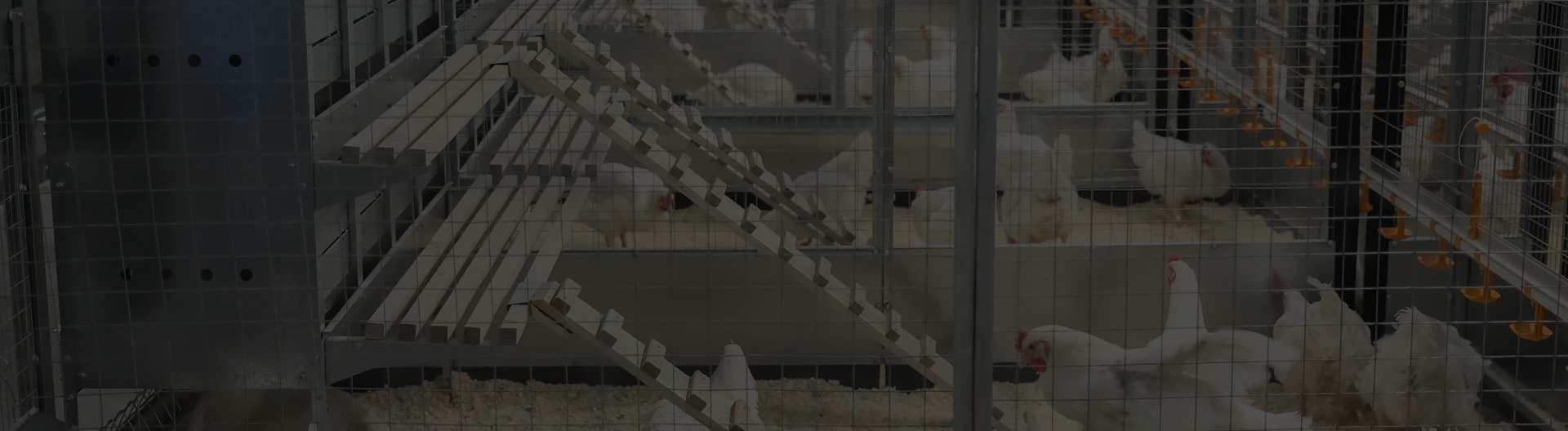
Cage Chicken Layer Solutions: Efficient & Sustainable Poultry Housing Systems
Nov . 26, 2025 21:15 Back to list
Cage Chicken Layer Solutions: Efficient & Sustainable Poultry Housing Systems
Understanding the Cage Chicken Layer: A Global Perspective on Efficient Poultry Housing
At first glance, "cage chicken layer" might sound like just another agricultural term, but it actually holds a lot of weight in global food production and sustainability. The concept revolves around specialized housing systems designed for egg-laying hens—which not only impact poultry efficiency but also welfare standards, economic viability, and even international food security.
Given the escalating global demand for animal protein, especially eggs, understanding cage chicken layers gives us insight into how modern farming balances productivity with humane care and resource management. In real terms, it’s a small piece of the puzzle that feeds millions every day.
Why Cage Chicken Layers Matter on the World Stage
Eggs are a staple worldwide—about 1.3 trillion eggs are produced annually according to the FAO. Cage chicken layers form the backbone of many commercial egg farms by providing efficient housing that supports high-density populations with relative ease.
However, this industry faces a mix of pressure points: animal welfare concerns, environmental impact, and economic challenges in emerging markets. For instance, the UN’s Sustainable Development Goals encourage practices that promote responsible consumption and production, urging innovations in farming methods.
Put simply, cage chicken layers must tackle the challenge of producing eggs at scale while improving conditions for the hens—something easier said than done.
What Exactly Is a Cage Chicken Layer?
In plain language, a cage chicken layer is a type of housing system designed specifically for egg-laying hens (layers). It’s often a multi-tiered cage arrangement that provides hens with designated space to feed, lay eggs, and rest.
Instead of free-range or floor systems, cage layers tend to optimize space, increase egg production efficiency, and simplify maintenance. Though this raises animal welfare debates, modern cage systems now focus more on enrichment features to address those concerns.
These systems clearly show how agriculture intersects with technology and ethics—a blend essential to feeding the future.
Core Elements of Cage Chicken Layers Explained
1. Structural Design & Durability
The cages are typically made of galvanized steel or stainless steel mesh to resist corrosion and facilitate cleaning. Many engineers say durability is key because poultry houses often operate under humid, ammonia-rich conditions, which can degrade inferior materials quickly.
2. Space Allocation & Ergonomics
Though cages limit movement, the exact dimensions are critical. Too cramped and hens suffer stress; too spacious and productivity dips. International standards like those from the ISO help define minimum space requirements, balancing welfare and output.
3. Waste Management Integration
Modern cage layers facilitate efficient manure collection underneath the cages to prevent contamination and odors. This not only protects hen health but also simplifies farm sanitation.
4. Scalability & Modularity
Farms value cages that allow adding or removing units without hassle. Modular cage chicken layers enable growers to scale operations thoughtfully, adapting to market demands or disease control measures with relative ease.
5. Cost Efficiency
Initial investment is balanced against long-term returns. High-quality cages reduce replacement and maintenance costs, contributing significantly to farm profitability.
How Are Cage Chicken Layers Used Globally?
In Asia and South America, cage layers are booming due to rapid urbanization and rising egg consumption. For example, Brazil’s large-scale layer farms use multi-tiered cages extensively, helping them become one of the world’s top egg exporters.
Meanwhile, in the European Union, cage systems face stringent regulations aimed at animal welfare, prompting many farms to adopt enriched cages or move toward free-range hybrid systems.
Interestingly, NGOs working in food security sometimes utilize portable cage chicken layers during post-disaster recovery to quickly establish small-egg production hubs — a practical example of how this technology aids resilience.
Mini takeaway:
- Cage chicken layers are vital in feeding dense populations efficiently.
- Regional approaches vary based on regulations, welfare concerns, and market needs.
Advantages of Using Cage Chicken Layers in Poultry Farming
If you ask someone in poultry farming, they might list tangible benefits like:
- Higher production rates: Controlled environments reduce energy loss and stress, boosting egg output.
- Improved hygiene: Easier manure management cuts disease risk.
- Space efficiency: Farms get more hens per square meter, reducing land footprints.
- Operational consistency: Automated feeding and egg collection streamline labor.
On a deeper level, it’s about trust between farmers and consumers—knowing eggs are produced safely, ethically, and sustainably. This trust supports innovation and even inspires policy changes.
Product Specification at a Glance
| Feature | Typical Range | Notes |
|---|---|---|
| Material | Galvanized/Stainless Steel | Corrosion resistant |
| Number of tiers | 2 - 5 tiers | Higher tiers = Space savings |
| Space per hen | 430 - 500 cm² | ISO recommended range |
| Weight capacity | 500 - 1000 kg per cage | Depends on cage size |
| Lifespan | 7 - 15 years | With proper maintenance |
Comparing Leading Cage Chicken Layer Vendors
| Vendor | Material Quality | Customization | Price Range | Warranty |
|---|---|---|---|---|
| AgriCage Systems | High-grade galvanized steel | Modular design, tiers options | $$$ | 5 years |
| PoultryTech Co. | Stainless steel mesh | Custom sizes on request | $$$$ | 7 years |
| EcoFarm Solutions | Recycled steel blend | Standard modular units | $$ | 3 years |
What’s Next? Trends and Innovations in Cage Chicken Layers
Oddly enough, this “old-school” system is evolving fast. Tech advancements like IoT sensors monitoring hen health, automated feeding linked to AI, and even solar-powered lighting are being introduced to improve welfare and energy efficiency.
Environmental concerns push manufacturers toward greener materials and designs that lower carbon footprints. Digital platforms now allow farmers to remotely track their cages’ status, anticipate maintenance, and tweak environmental controls.
It feels like the humble cage chicken layer is becoming a “smart habitat” — totally in sync with 21st-century farming demands.
Facing Challenges and Finding Solutions
We can’t paint a perfectly rosy picture though—there’s criticism around hen confinement, potential disease spread, and hardware durability in harsh climates.
Experts recommend:
- Using enriched cages with perches and nesting areas.
- Routine hygiene audits and biosecurity measures.
- Flexible designs allowing transition to free-range setups over time.
- Material upgrades based on local weather and farming conditions.
Importantly, collaboration between manufacturers, farmers, and animal welfare groups is key to evolving these systems responsibly.
FAQ: Cage Chicken Layer Essentials
- 1. How does a cage chicken layer improve egg production efficiency?
- By providing a controlled environment with optimized space and automated feeding, layers reduce hen stress and energy waste, resulting in higher and more consistent egg yields.
- 2. Are cage chicken layers compatible with animal welfare standards?
- Modern enriched cage designs address welfare by including perches and nesting spaces. However, regulations vary globally, and some regions are phasing out traditional cages in favor of alternative systems.
- 3. Can cage chicken layers be adapted for small-scale or rural farms?
- Absolutely. Many vendors offer modular, scalable cage units suitable for backyard or community farms, supporting local food security initiatives.
- 4. What maintenance is typically required for durable cage systems?
- Cleaning manure trays, checking structural integrity annually, and repairing any damage promptly to prevent rust or injury risks are common maintenance steps.
- 5. How do I choose the right cage chicken layer supplier?
- Consider material durability, customization options, price, and warranty. Vendor reputation and post-sale support also matter—request references if possible.
Summing Up and Next Steps
The long-term value of cage chicken layers lies in their ability to feed a growing world efficiently while gradually embracing improved welfare and sustainable practices. They combine tradition with innovation—a testament to how even “simple” farming solutions can evolve remarkably.
Looking to upgrade or install your own system? Check out detailed product options and expert advice at cage chicken layer. It might just be the practical step your operation needs to thrive in tomorrow’s market.
Short takeaway:
Investing in quality cage chicken layers today supports productivity, animal well-being, and market responsiveness for years to come.
References
-
Comprehensive Guide to Plastic Vacuum Packaging Machines: Benefits, Uses & Trends
NewsDec.03,2025
-
Comprehensive Guide to Sausage Vacuum Packaging Machines: Benefits, Uses, and Future Trends
NewsDec.03,2025
-
Vacuum Plastic Packaging Machine - Global Applications, Benefits & Future Trends
NewsDec.03,2025
-
Comprehensive Guide to Sheep Feed Pellet Machine – Benefits, Uses & Future Trends
NewsDec.02,2025
-
Horse Feed Pellet Machine: Essential Guide to Features, Benefits, and Global Applications
NewsDec.02,2025
-
Small Pellet Feed Making Machine: Benefits, Uses & Future Trends | Yize Machine
NewsDec.02,2025





 Afrikaans
 Albanian
 Amharic
 Arabic
 Armenian
 Azerbaijani
 Basque
 Belarusian
 Bengali
 Bosnian
 Bulgarian
 Catalan
 Cebuano
 Corsican
 Croatian
 Czech
Czech
 Danish
 Dutch
Dutch
 Esperanto
 Estonian
 Finnish
 French
 Frisian
 Galician
 Georgian
 German
 Greek
Greek
 Gujarati
 Haitian Creole
 Hausa
Hausa
 Hawaiian
 Hebrew
 Hindi
Hindi
 Miao
Miao
 Hungarian
 Icelandic
 Igbo
Igbo
 Indonesian
 Irish
Irish
 Italian
 Japanese
 Javanese
 Kannada
 Kazakh
 Khmer
Khmer
 Rwandese
 Korean
 Kurdish
 Kyrgyz
 Lao
Lao
 Latin
Latin
 Latvian
 Lithuanian
 Luxembourgish
 Macedonian
 Malgashi
 Malay
Malay
 Malayalam
 Maltese
 Maori
Maori
 Marathi
 Mongolian
 Myanmar
 Nepali
 Norwegian
 Norwegian
 Occitan
 Pashto
 Persian
 Polish
 Portuguese
 Punjabi
 Romanian
 Russian
 Samoan
 Scottish Gaelic
 Serbian
 Sesotho
 Shona
Shona
 Sindhi
 Sinhala
 Slovak
 Slovenian
 Somali
 Spanish
 Sundanese
 Swahili
 Swedish
 Tagalog
 Tajik
Tajik
 Tamil
Tamil
 Tatar
Tatar
 Telugu
 Thai
Thai
 Turkish
 Turkmen
 Ukrainian
 Urdu
Urdu
 Uighur
 Uzbek
Uzbek
 Vietnamese
 Welsh
Welsh
 Bantu
Bantu
 Yiddish
 Yoruba
 English