
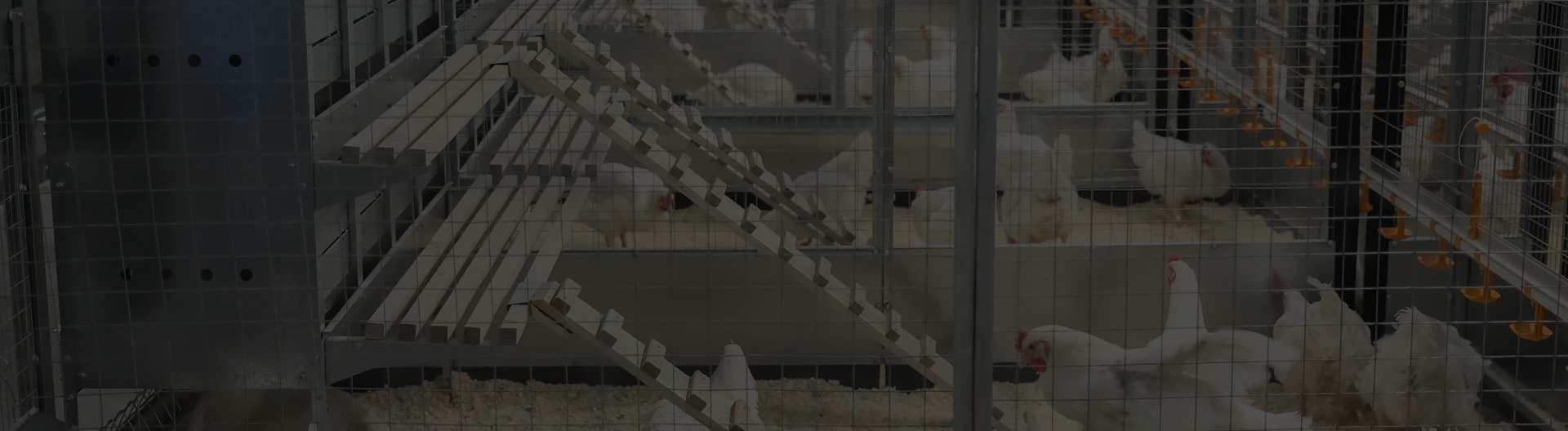
Broiler Transport Cage Guide | Durable, Humane Poultry Transport Solutions
Nov . 30, 2025 19:20 Back to list
Broiler Transport Cage Guide | Durable, Humane Poultry Transport Solutions
Understanding the Broiler Transport Cage: Why It Matters in Today's Poultry Industry
If you've ever wondered how millions of chickens are moved safely and efficiently from farms to processing plants, the unsung hero might just be the broiler transport cage. It’s a crucial piece of equipment that directly impacts animal welfare, operational efficiency, and biosecurity. Somehow, these cages quietly play a big part in feeding the growing global population, with poultry consumption expected to keep rising according to the FAO's data.
In a nutshell, understanding what goes into designing and selecting broiler transport cages is more than just an industrial curiosity — it’s key to sustainable, humane, and efficient poultry production worldwide.
The Global Context: Why Broiler Transport Cages Are More Relevant Than Ever
The poultry industry is one of the fastest-growing agricultural sectors globally. With broiler production reaching upwards of 130 million tons in 2023 — according to World Bank reports — the logistics of moving live birds is a complex challenge. Poor transport conditions can reduce meat quality, increase mortality rates, and cause significant animal welfare issues. This has spurred stricter regulations (seen notably in ISO 13690:2019 for animal transportation systems) and innovation in cage design.
Challenges like minimizing stress, preventing injury, and maintaining biosecurity against avian diseases have made the broiler transport cage an essential area for investment. So, this isn’t just about big farms saving money. It has real ethical and environmental stakes.
What Exactly Is a Broiler Transport Cage?
At its core, a broiler transport cage is a specialized container designed for safely moving live broiler chickens between farms, to processing facilities, or markets. These cages often form part of modular systems that optimize loading density while ensuring adequate ventilation, ease of cleaning, and regulatory compliance.
In many ways, they’re the bridge between modern industrial poultry farming and global food supply chains — ensuring chickens arrive in good shape while reducing waste and operational hiccups.
Mini takeaway:
- Broiler transport cages are specially engineered containers critical for humane, efficient poultry movement
- They sit at the intersection of animal welfare, logistics, and industry standards
Key Features That Define High-Quality Broiler Transport Cages
1. Durability & Material
Most cages are built from galvanized steel or heavy-duty plastic composites, chosen for resistance to corrosion and rough handling. Oddly enough, while steel offers sturdiness, many farms are shifting to lighter plastics to cut fuel costs during transport.
2. Ventilation & Bird Comfort
Ventilation slots and open grids promote airflow, which helps regulate temperature and reduce heat stress. I’ve noticed newer designs include adjustable vents that can be optimized depending on climate — an unexpected but neat innovation.
3. Scalability & Modular Design
Cages are stackable and designed to fit on pallets or trailers efficiently. This modularity allows farms to rapidly scale up or down, matching demand cycles without losing operational flexibility.
4. Easy Cleaning & Biosecurity
Effective cleaning systems, often featuring smooth surfaces and removable trays, make cage sanitation faster — critical for preventing disease outbreaks that can cripple entire farms.
5. Cost Efficiency & Lifecycle
While upfront costs vary, durable cages typically offer a lifespan exceeding five years. This long-term value offsets investment and improves cost per transported bird, according to many poultry engineers.
| Specification | Typical Range | Notes |
|---|---|---|
| Material | Galvanized Steel / Plastic Composite | Corrosion-resistant for durability |
| Dimensions | 60x40x30 cm (approx.) | Fits standard pallets and trailers |
| Capacity | 8-15 broilers per cage | Depends on bird size and regional rules |
| Stackability | Up to 6 tiers high | Ensures space efficiency |
| Weight | 7-10 kg per cage | Affects transport fuel consumption |
Mini takeaway:
- Material choice balances durability with weight
- Ventilation and stackability improve animal welfare and logistics
- Modular and easy-clean design is key for biosecurity
Where Are Broiler Transport Cages Used Around the World?
Poultry-intensive countries like the United States, Brazil, China, and European nations utilize broiler transport cages on a massive scale, streamlining supply chains from farms to processing plants. Oddly, though, smaller poultry producers in Africa and Southeast Asia are increasingly adopting these cages to meet rising demand and export standards.
For example, in disaster relief or emergency food aid scenarios, organizations deploy mobile poultry units equipped with these cages to rapidly supply protein sources in affected regions. The World Food Programme has also experimented with broiler transport cages for quick poultry distribution in refugee camps.
In remote industrial zones, such as mining camps in Australia or agricultural hubs in Canada, these cages support local poultry farming initiatives, helping reduce food transport miles and improving sustainability.
Mini takeaway:
- Broiler transport cages enable global poultry logistics
- They're important for humanitarian food programs and remote farming
The Tangible Benefits of Using Broiler Transport Cages
Choosing high-quality transport cages is about more than just boxes for birds—it’s about trust, dignity, and responsibility. These cages make transportation safer and reduce mortality rates. Lower stress means better meat quality, higher yields, and improved consumer confidence.
They also help producers optimize labor and fuel costs — cutting back on broken crates or lost birds saves big over time. On the environmental front, cages designed for reusability and easy cleaning help reduce waste and disease risk.
Emotionally, farmers often tell me how these cages provide peace of mind, knowing their flocks are better protected during a process where risk traditionally ran high. It feels like a small but real improvement in animal welfare that resonates throughout the entire supply chain.
Looking Ahead: Innovations and Trends in Broiler Transport Cage Design
Eco-friendly materials like biodegradable plastics and recycled composites are making their way into newer cage models, addressing sustainability concerns. There’s also growing integration of IoT sensors to monitor temperature, humidity, and ventilation in real time, which many engineers find promising for reducing losses.
Automation technologies, like robotic loading systems that handle cages and maintain consistent stacking, are beginning to transform operations, although it’s still early days for widespread adoption.
At the regulatory front, tighter animal welfare standards and consumer pressure are pushing manufacturers and farms toward ever-gentler handling methods reflected directly in cage design.
Challenges & How the Industry Is Tackling Them
Still, broiler transport cages aren’t a perfect magic bullet. Issues like cleaning complexity, upfront cost, or weight impact on fuel consumption linger. In hot climates, maintaining bird comfort in packed cages requires ongoing innovation.
Some companies now offer hybrid cage systems that balance sturdiness with ventilation or modular inserts for better airflow control. Regular training for transport personnel also helps reduce improper usage, which is surprisingly common and damaging.
Common Questions About Broiler Transport Cages
- Q1: What size broiler transport cage is best for maximizing bird welfare?
- A1: The ideal cage size balances capacity with enough space for birds to move slightly and breathe easily. Typically, cages holding 8-15 broilers around 60x40x30 cm work well, but local welfare regulations should always guide capacity decisions.
- Q2: How do broiler transport cages reduce disease transmission?
- A2: They enable thorough cleaning and disinfection between uses, and their design minimizes overcrowding and exposure to pathogens. Proper ventilation and biosecurity protocols applied with these cages further cut disease spread risks.
- Q3: Can broiler transport cages be used in small-scale farms?
- A3: Absolutely. Many suppliers offer modular cages sized and priced for small to medium farms, making it easier for regional producers to meet market standards and improve animal welfare.
- Q4: Are plastic transport cages more sustainable than steel?
- A4: It depends. Plastic cages are lighter, which can reduce transport fuel use, and some are recyclable. However, steel often outlasts plastic, balancing sustainability via durability. Trends favor recyclable composites combining the strengths of both.
Final Thoughts: Why Investing in Broiler Transport Cages Pays Off
At the end of the day, broiler transport cages represent more than logistics gear; they’re a cornerstone of humane, efficient poultry farming. Whether you’re running a large-scale commercial operation or building resilience in food systems across emerging markets, investing in quality transport cages means better welfare, cost savings, and smoother operations.
Curious to explore top broiler transport cage options and solutions firsthand? Head over to broiler transport cage supplier pages — the right choice starts with good information.
After all, in a world that’s growing faster than ever, every link in the food supply chain counts.
References
| Vendor | Material | Typical Use Case | Price Range | Noteworthy Features |
|---|---|---|---|---|
| Yize Machine | High-Durability Plastic Composite | Industrial + Small Farm Scale | $$ | Lightweight, Stackable, Easy Cleaning |
| AgriTrans Solutions | Galvanized Steel | High-volume Commercial Transport | $$$ | Heavy-Duty, Robust Ventilation |
| EcoCage Inc. | Recycled Plastic Blend | Sustainable Small-Medium Scale | $ - $$ | Eco-Friendly, Lightweight |
-
Comprehensive Guide to Plastic Vacuum Packaging Machines: Benefits, Uses & Trends
NewsDec.03,2025
-
Comprehensive Guide to Sausage Vacuum Packaging Machines: Benefits, Uses, and Future Trends
NewsDec.03,2025
-
Vacuum Plastic Packaging Machine - Global Applications, Benefits & Future Trends
NewsDec.03,2025
-
Comprehensive Guide to Sheep Feed Pellet Machine – Benefits, Uses & Future Trends
NewsDec.02,2025
-
Horse Feed Pellet Machine: Essential Guide to Features, Benefits, and Global Applications
NewsDec.02,2025
-
Small Pellet Feed Making Machine: Benefits, Uses & Future Trends | Yize Machine
NewsDec.02,2025





 Afrikaans
 Albanian
 Amharic
 Arabic
 Armenian
 Azerbaijani
 Basque
 Belarusian
 Bengali
 Bosnian
 Bulgarian
 Catalan
 Cebuano
 Corsican
 Croatian
 Czech
Czech
 Danish
 Dutch
Dutch
 Esperanto
 Estonian
 Finnish
 French
 Frisian
 Galician
 Georgian
 German
 Greek
Greek
 Gujarati
 Haitian Creole
 Hausa
Hausa
 Hawaiian
 Hebrew
 Hindi
Hindi
 Miao
Miao
 Hungarian
 Icelandic
 Igbo
Igbo
 Indonesian
 Irish
Irish
 Italian
 Japanese
 Javanese
 Kannada
 Kazakh
 Khmer
Khmer
 Rwandese
 Korean
 Kurdish
 Kyrgyz
 Lao
Lao
 Latin
Latin
 Latvian
 Lithuanian
 Luxembourgish
 Macedonian
 Malgashi
 Malay
Malay
 Malayalam
 Maltese
 Maori
Maori
 Marathi
 Mongolian
 Myanmar
 Nepali
 Norwegian
 Norwegian
 Occitan
 Pashto
 Persian
 Polish
 Portuguese
 Punjabi
 Romanian
 Russian
 Samoan
 Scottish Gaelic
 Serbian
 Sesotho
 Shona
Shona
 Sindhi
 Sinhala
 Slovak
 Slovenian
 Somali
 Spanish
 Sundanese
 Swahili
 Swedish
 Tagalog
 Tajik
Tajik
 Tamil
Tamil
 Tatar
Tatar
 Telugu
 Thai
Thai
 Turkish
 Turkmen
 Ukrainian
 Urdu
Urdu
 Uighur
 Uzbek
Uzbek
 Vietnamese
 Welsh
Welsh
 Bantu
Bantu
 Yiddish
 Yoruba
 English