
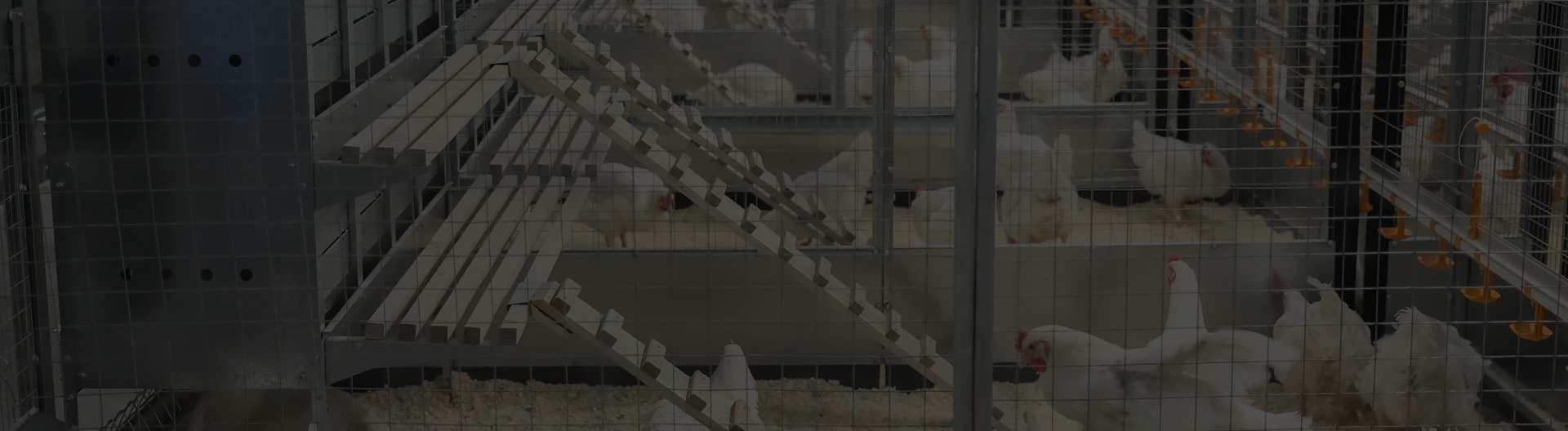
Innovative Poultry Broiler Cage Solutions for Modern Farming
Nov . 30, 2025 21:00 Back to list
Innovative Poultry Broiler Cage Solutions for Modern Farming
Understanding Poultry Broiler Cage: Why It Matters in Modern Agriculture
When you hear poultry broiler cage, you might picture rows of chickens kept neatly inside metal frames. But there’s more to it than just holding birds. Globally, ensuring efficient poultry management supports food security, livelihoods, and sustainable farming practices. Considering that the UN estimates poultry meat consumption will rise significantly in the coming decades, optimizing broiler housing becomes critical. The right cages don’t just keep birds safe — they streamline production, improve hygiene, and reduce mortality rates. Put simply, understanding poultry broiler cages isn’t just for farmers; it’s part of a bigger story about feeding billions more human mouths responsibly.
Mini takeaway: Poultry broiler cages play a silent but pivotal role in global food systems, squeezing more productivity from less land and resources while addressing growing demand for affordable protein.
The Global Context: Why Poultry Broiler Cages Are Taking Center Stage
The poultry sector is booming worldwide, especially in regions like Southeast Asia, Latin America, and parts of Africa. The World Bank reports that over 70% of smallholder farmers across developing countries depend on poultry for income. Yet, challenges like disease outbreaks, inefficient feeding, and poor ventilation hamper productivity. This is where modern poultry broiler cages come into play — helping producers meet hygienic standards, improve animal welfare, and scale up without requiring massive land parcels. Furthermore, aligning with ISO animal welfare standards pushes cage design toward better airflow, ease of cleaning, and robustness.
From the sprawling farms of Brazil to compact operations in Vietnam, broiler cages adapt. Yet, growing concerns about sustainability and ethical farming have raised questions about cage designs and alternatives. It’s a delicate balance to strike: pushing efficiency while caring for birds and the environment.
What Exactly Is a Poultry Broiler Cage?
Put plainly, a poultry broiler cage is a type of enclosure designed specifically to house broiler chickens — those raised primarily for meat. These cages are typically made from steel or galvanized wire and arranged to optimize space, feeding, and waste removal. Compared to free-range setups, cages help reduce mortality caused by environmental hazards, predators, or disease transmission. They connect deeply with modern industry needs by supporting automation, feeding management, and improving labor efficiency.
Frankly, the cage might seem restrictive at first glance, but it’s what enables large-scale broiler production that is hygienic, predictable, and scalable — essential in meeting the welfare and economic demands of today.
Core Components of an Effective Poultry Broiler Cage
Durability and Material Quality
Quality galvanized steel frames resist rust and corrosion — key for longevity. Many engineers insist this is non-negotiable because cages constantly face moisture, feed dust, and cleaning chemicals.
Scalability and Modular Design
Thoughtfully designed cages stack or link easily, allowing farmers to add capacity without redoing the whole setup. This modularity also aids transportation — think of remote regions where a few cage units can be shipped and assembled onsite.
Ventilation and Comfort
Open wire mesh sides ensure airflow, reducing heat stress and respiratory issues for broilers. Some models feature angled floors for better manure removal, which then keeps the air cleaner. It’s ingenious how a simple design choice can impact health so directly.
Cost Efficiency and Feed Management
Integrated trays or mechanized feeders cut down waste and labor time, maximizing returns on investment. In real terms, farms that adopt efficient broiler cages often see feed conversion ratios improve by up to 10% — a considerable margin.
Biosecurity Features
Cages vary in design to prevent cross-contamination, a huge deal given the recent avian flu outbreaks. Smooth surfaces and easily removable panels speed up cleaning cycles.
Mini takeaway: These core features together make poultry broiler cages a smart investment, blending science and practical farming needs. Not mere boxes, but functional ecosystems.
Where Are Poultry Broiler Cages Making a Difference Globally?
The applications are widespread and fascinating. In Southeast Asia, broiler cages support intensive farming near urban hubs, feeding millions efficiently. Latin America’s export-focused farms rely heavily on cage systems to meet rigorous quality and biosecurity standards. Even in post-disaster relief zones — say after floods in Bangladesh — temporary cage setups allow for quick poultry restocking without risking disease spread.
Industrial poultry operations in Europe use high-tech cages fitted with sensors to monitor bird health and environmental conditions — a nod to the emerging “smart farm” trend. For smaller rural farmers in Africa, affordable sturdy cages enable safer rearing of broilers, significantly increasing incomes.
| Specification | Typical Poultry Broiler Cage |
|---|---|
| Material | Galvanized steel wire mesh |
| Dimensions | 2m length x 1m width x 0.7m height (varies by capacity) |
| Bird Capacity | 100–150 broilers per cage unit |
| Floor Type | Sloped wire mesh for waste removal |
| Ventilation | Open mesh sides for air circulation |
| Feeding Mechanism | Manual or automatic trough feeders |
Benefits That Keep Farmers Coming Back to Poultry Broiler Cages
The advantages rack up quickly. Besides improving yields and lowering operational costs, the cages foster healthier flocks by minimizing disease exposure. There’s a clear environmental benefit as well, thanks to better feed utilization and waste management — less runoff, less contamination. Many farmers recount feeling greater peace of mind knowing their birds have safer, controlled conditions.
On the emotional side, it’s worth noting how poultry broiler cages can empower low-income farmers with technology that’s not overwhelmingly complex but reliably effective. In many ways, it’s about trusting your investment to a system that’s been tested by time and global use.
Looking Ahead: Innovations Set to Shape Broiler Housing
The future is quite exciting. Bio-based coatings that inhibit bacteria growth on cage surfaces are in pilot phases, potentially reducing the need for harsh chemical cleaning. Digital farming tools — sensors tracking temperature, humidity, even bird activity — integrate seamlessly with cage systems. Some companies experiment with solar-powered automated feeding and manure removal to cut energy use.
Sustainability standards are evolving, encouraging designs that balance animal welfare with productivity. It’s a challenge but also an opportunity for innovation in materials, form factor, and operational protocols. Honestly, I think we’ll see a lot more data-driven poultry broiler cages in the next decade, transforming how farms manage their flocks.
Common Challenges and How Experts Are Tackling Them
Despite all the progress, it’s not perfect. Issues like cage-induced stress, upfront cost barriers for small farms, and local material shortages persist. However, experts recommend solutions like ergonomic cage designs to reduce bird discomfort, financing schemes to ease purchase costs, and localized manufacturing to improve accessibility.
Regular training on cage maintenance and biosecurity protocols also closes gaps in effective usage. While it’s tempting to see cages just as physical tools, in reality, they require thoughtful integration into farm routines.
FAQ: Quick Answers on Poultry Broiler Cages
- Q: What makes poultry broiler cages more efficient than traditional floor rearing?
A: Cages improve space utilization, reduce disease spread, and facilitate automated feeding and cleaning, leading to higher survival rates and better feed conversion. - Q: Can broiler cages be used in smallholder farms?
A: Absolutely. Many cages are scalable and modular, allowing smaller farmers to invest step-by-step without overwhelming costs or space. - Q: Are poultry broiler cages environmentally friendly?
A: When combined with good waste management and efficient feeding, they reduce resource waste and pollution compared to some free-range systems. - Q: How often should broiler cages be cleaned?
A: Regular cleaning between production cycles is crucial — typically after each flock, with spot cleaning during the cycle to maintain hygiene. - Q: Where can I find reliable poultry broiler cages?
A: Trusted vendors often operate globally with customizable options; you might want to check suppliers like poultry broiler cage manufacturers with proven track records.
| Vendor | Price Range (per unit) | Customization | Lead Time | Warranty |
|---|---|---|---|---|
| Yize Machine | $250–$350 | Material, size options | 3–5 weeks | 1 year |
| AgroCage Tech | $320–$400 | Automated feeders, sensor integration | 4–6 weeks | 2 years |
| FarmEquip Co. | $200–$300 | Standard sizes only | 2–3 weeks | 6 months |
In Closing: Why Investing in Poultry Broiler Cages Makes Sense
So, what’s the bottom line? As demand for poultry meat escalates globally, investing in reliable, well-designed poultry broiler cages is more than just an operational choice — it’s a strategic move towards better food security, animal welfare, and economic resilience. From scalable modular designs to smart tech integration, these cages offer a balance of practicality and innovation that many farmers welcome.
If you’re looking to modernize or start a broiler operation, exploring options like poultry broiler cage products can open doors to improved production, sustainability, and peace of mind. The key, I think, is to match technology with local needs and keep learning as the industry evolves.
Happy farming!
References:
1. United Nations Food and Agriculture Organization (FAO) Poultry Industry Reports
2. World Bank Data on Smallholder Farmers (2023)
3. ISO 17025 Standards on Animal Housing
-
Comprehensive Guide to Plastic Vacuum Packaging Machines: Benefits, Uses & Trends
NewsDec.03,2025
-
Comprehensive Guide to Sausage Vacuum Packaging Machines: Benefits, Uses, and Future Trends
NewsDec.03,2025
-
Vacuum Plastic Packaging Machine - Global Applications, Benefits & Future Trends
NewsDec.03,2025
-
Comprehensive Guide to Sheep Feed Pellet Machine – Benefits, Uses & Future Trends
NewsDec.02,2025
-
Horse Feed Pellet Machine: Essential Guide to Features, Benefits, and Global Applications
NewsDec.02,2025
-
Small Pellet Feed Making Machine: Benefits, Uses & Future Trends | Yize Machine
NewsDec.02,2025





 Afrikaans
 Albanian
 Amharic
 Arabic
 Armenian
 Azerbaijani
 Basque
 Belarusian
 Bengali
 Bosnian
 Bulgarian
 Catalan
 Cebuano
 Corsican
 Croatian
 Czech
Czech
 Danish
 Dutch
Dutch
 Esperanto
 Estonian
 Finnish
 French
 Frisian
 Galician
 Georgian
 German
 Greek
Greek
 Gujarati
 Haitian Creole
 Hausa
Hausa
 Hawaiian
 Hebrew
 Hindi
Hindi
 Miao
Miao
 Hungarian
 Icelandic
 Igbo
Igbo
 Indonesian
 Irish
Irish
 Italian
 Japanese
 Javanese
 Kannada
 Kazakh
 Khmer
Khmer
 Rwandese
 Korean
 Kurdish
 Kyrgyz
 Lao
Lao
 Latin
Latin
 Latvian
 Lithuanian
 Luxembourgish
 Macedonian
 Malgashi
 Malay
Malay
 Malayalam
 Maltese
 Maori
Maori
 Marathi
 Mongolian
 Myanmar
 Nepali
 Norwegian
 Norwegian
 Occitan
 Pashto
 Persian
 Polish
 Portuguese
 Punjabi
 Romanian
 Russian
 Samoan
 Scottish Gaelic
 Serbian
 Sesotho
 Shona
Shona
 Sindhi
 Sinhala
 Slovak
 Slovenian
 Somali
 Spanish
 Sundanese
 Swahili
 Swedish
 Tagalog
 Tajik
Tajik
 Tamil
Tamil
 Tatar
Tatar
 Telugu
 Thai
Thai
 Turkish
 Turkmen
 Ukrainian
 Urdu
Urdu
 Uighur
 Uzbek
Uzbek
 Vietnamese
 Welsh
Welsh
 Bantu
Bantu
 Yiddish
 Yoruba
 English