
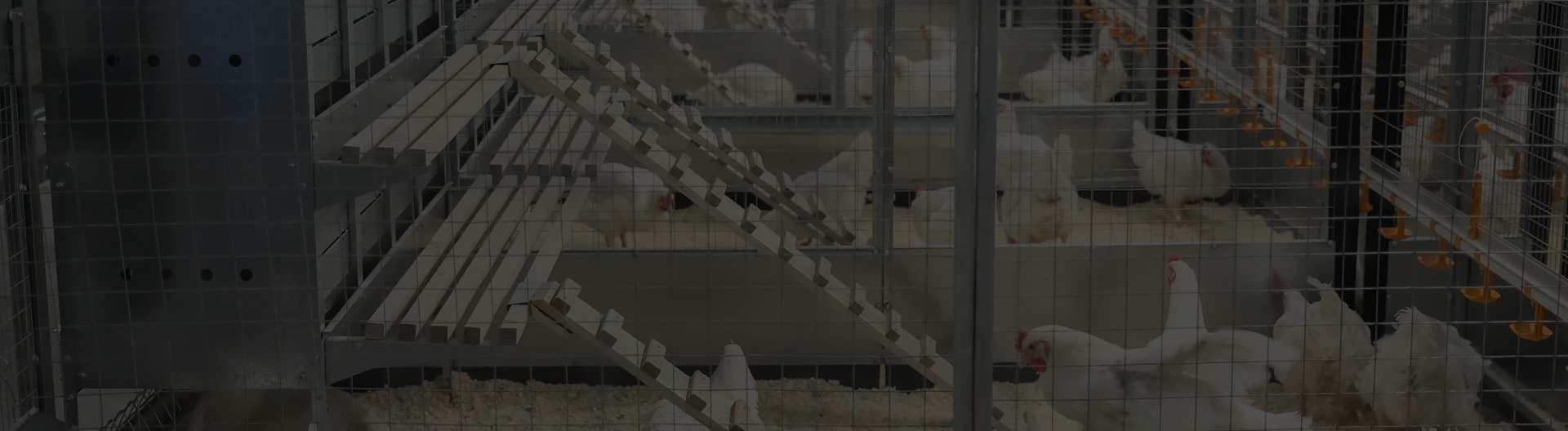
An Essential Guide to Layer Chicken Battery Cages: Efficiency, Welfare, and Innovation
Nov . 27, 2025 02:56 Back to list
An Essential Guide to Layer Chicken Battery Cages: Efficiency, Welfare, and Innovation
Unlocking the World of Layer Chicken Battery Cages: What They Are and Why They Matter
If you’ve ever wondered how billions of eggs make it to your breakfast table each year, layer chicken battery cages have a surprisingly central role to play. These specialized housing systems for laying hens are a staple in modern poultry farming, but their significance goes far beyond mere convenience. With rising global demand for affordable protein, sustainable farming methods, and animal welfare concerns, understanding layer chicken battery cages — what they are, how they work, and their impact — is critical.
Globally, more than 70 billion eggs are produced annually (source: FAO 2021), with battery cages alone accounting for a substantial chunk of that output. Not only do these cages boost productivity, but they also address challenges related to resource use and disease control. Yet the debate around their ethical footprint keeps pushing for innovation and transparency in the industry.
Mini takeaway: Layer chicken battery cages are the unsung heroes facilitating vast egg supplies, while also prompting debates on efficiency and animal welfare.
Global Context: Why Layer Chicken Battery Cages Are More Important Than Ever
In today's complex food system, egg production is at the crossroads of nutrition, economics, and sustainability. The United Nations projects the global population will reach nearly 10 billion by 2050, driving an estimated 50% rise in demand for animal protein. According to the World Bank, poultry farming remains the fastest-growing livestock sector worldwide.
Layer chicken battery cages address several pressing challenges: they maximize space to meet soaring demands, reduce feed waste, and make disease management more straightforward. But, as many industry insiders point out, this efficiency must be balanced with growing calls for humane treatment and greener farming practices.
Frankly, it’s a balancing act on a global scale. Regions like Southeast Asia and Latin America have been rapidly adopting battery cage systems to modernize egg production, while parts of Europe increasingly regulate or phase out traditional cages in favor of enriched or cage-free alternatives. This global tug-of-war means manufacturers and farmers must continually adapt.
Mini takeaway: Layer chicken battery cages are pivotal in meeting global food demands but exist within a shifting landscape of ethical and regulatory pressures.
What Exactly Are Layer Chicken Battery Cages?
Simply put, layer chicken battery cages are metal enclosures designed to house groups of laying hens in a compact and efficient manner. The historical use of “battery” refers to the array of cages arranged side-by-side, like batteries lined up.
The cages are typically made of galvanized steel or stainless steel mesh, allowing air circulation and easy egg collection. Inside, hens have access to feeders and waterers arranged for minimal wastage. The systems are connected to conveyor belts or collection areas to streamline egg harvesting and waste removal.
This design supports modern commercial poultry farms by enabling higher stocking densities than traditional free-range or barn systems, ultimately increasing egg production yield per square meter. Of course, the term “battery cage” can carry negative connotations in animal welfare conversations, but manufacturers are evolving these designs towards more humane and welfare-conscious models.
Mini takeaway: Layer chicken battery cages are specialized, metal mesh enclosures optimized for efficient, high-density egg production.
Key Components That Make Layer Chicken Battery Cages Work
1. Durability & Material Selection
The cages need to be sturdy — think galvanized steel to resist rust and withstand constant wear. Many farms run these systems 24/7, so a flimsy design just won't cut it.
2. Space Optimization
Battery cages maximize the number of hens housed per unit area without compromising basic movement or access to food and water. This is where design really matters to balance productivity and welfare.
3. Automation Compatibility
Modern battery cages integrate with automated feeding, watering, egg collection, and manure disposal systems. This reduces labor costs significantly and improves biosecurity.
4. Ventilation & Hygiene
Proper airflow through wire mesh reduces humidity and disease risks, especially in tropical climates. Easy-clean surfaces also help keep bacterial contamination low.
5. Cost Efficiency
Layer chicken battery cages are often more affordable than alternative housing systems over the long term due to durability and operational savings. Still, initial investments vary by scale and design.
Mini takeaway: These cages succeed by blending strength, smart space use, automation readiness, hygiene, and cost-effectiveness.
Worldwide Applications: Where and How Battery Cages Are Changing Egg Production
From the vast poultry operations of the US corn belt to family farms upgrading their capacity in India, layer chicken battery cages span a wide usage spectrum. In industrialized nations, they’re often part of large-scale commercial farms focused on maximized output and supply chain integration.
Meanwhile, in developing regions, battery cages help smallholders increase yields without dramatically expanding land use — a key sustainability factor. NGOs have even integrated modular versions in post-disaster relief efforts to quickly restore poultry livelihoods.
For instance, in Vietnam, cage systems helped post-flood farming communities rebuild faster by providing safer, more disease-resistant housing for their hens. And looking at companies like OVO, they’re leveraging digital monitoring in their German battery cage farms to reduce bird stress and optimize feeding regimes.
Mini takeaway: Layer chicken battery cages have become vital worldwide, from intensive commercial farms to humanitarian livestock recovery projects.
Practical Specifications of a Typical Layer Chicken Battery Cage System
| Feature | Specification |
|---|---|
| Material | Galvanized Steel Mesh + Stainless Steel Frame |
| Dimensions (per cage) | 45 cm (W) x 60 cm (D) x 40 cm (H) |
| Capacity | 4-6 Hens |
| Egg Collection | Inclined collection tray + automatic conveyor belt |
| Feeding System | Automatic feed troughs with adjustable flow |
| Watering | Nipple drinker system with drip trays |
Comparing Popular Vendors in the Layer Chicken Battery Cage Market
| Vendor | Material Quality | Automation Features | Price Range | Customer Support |
|---|---|---|---|---|
| PoultryTech Co. | Premium Galvanized Steel | Full automation incl. sensors | $$$ | 24/7 Support and Training |
| AgroCage Solutions | Standard Stainless Steel | Partial automation | $$ | Business hours only |
| GreenFarm Equip | Eco-friendly coated steel | Manual systems focus | $ | Online resources + limited calls |
Why Opt for Layer Chicken Battery Cages? The Advantages You Might Overlook
- Cost Savings: Higher egg production per square foot translates to better revenues and lower feed waste.
- Health Management: Easier sanitation and biosecurity reduce disease outbreaks.
- Sustainability: Optimized space reduces land use, helping conserve local ecosystems.
- Labor Efficiency: Automation reduces physical strain and errors.
- Consumer Demand: Enables consistent supply to meet urban market needs.
On a more personal note, many farmers appreciate the reliability and ease of maintenance these cages bring — it’s not just about eggs, it’s about the quality of life on the farm.
Mini takeaway: The practical and emotional benefits combined have kept layer chicken battery cages central to poultry farms worldwide.
Peering Ahead: Innovations Shaping the Future of Layer Chicken Battery Cages
The poultry industry is embracing some fascinating trends. For one, smart sensors and IoT integration are letting farmers monitor hen behavior and health in real time. Imagine getting an alert if a group of hens shows reduced activity or feed intake — early warning systems that can prevent losses.
There's also growing use of eco-friendly coatings and recycled metals, helping meet sustainability targets without compromising durability. Some companies are experimenting with solar-powered automated feeders and egg conveyors to curtail energy costs.
Policy-wise, the EU’s directive on phasing out traditional battery cages by 2027 is already influencing global practices, encouraging vendors to innovate enriched cages that offer more space and enrichments like perches and nest boxes.
Mini takeaway: The future of layer chicken battery cages blends tech innovation and green sensibility — expect smarter, kinder systems soon.
Common Hurdles and Smart Fixes
Sure, battery cages have their critics. Welfare concerns top the list, with activists pointing to restricted movement and natural behaviors. But the industry isn’t ignoring this. Solutions include enriched cages with perches, dust baths, and more space per hen.
Another challenge is the upfront investment needed for high-tech cages, which can be prohibitive for smaller farms. Leasing options and government subsidies have helped some farms upgrade while spreading the cost.
Ventilation is tricky too — poor airflow can cause heat stress. Advanced fan systems and climate controls are increasingly deployed to regulate conditions.
Mini takeaway: Though challenges exist, ongoing refinements and funding models are making layer chicken battery cages more humane and accessible.
FAQ: Layer Chicken Battery Cages Uncovered
- Q: How do layer chicken battery cages improve egg production efficiency?
- A: By optimizing space and enabling automated feeding and collection, these cages increase eggs laid per square meter while reducing labor and feed wastage.
- Q: Are battery cages compliant with animal welfare standards?
- A: Traditional cages face welfare criticisms, but enriched cages add amenities like perches to improve hen welfare and meet regulations in many regions.
- Q: Can layer chicken battery cages be customized for different farm sizes?
- A: Absolutely! Systems range from small modular units for family farms to large commercial installations complete with automation.
- Q: How do climate conditions affect cage design?
- A: Ventilation, materials used, and sometimes shading systems are adapted to prevent heat stress and ensure hen health in varied environments.
- Q: Where can I find reliable suppliers of layer chicken battery cages?
- Several global vendors specialize in these systems. Popular choices include layer chicken battery cages suppliers known for quality materials and service.
Conclusion: A Balanced Look at the Role of Layer Chicken Battery Cages
At the end of the day, layer chicken battery cages remain a cornerstone of global egg production, skillfully balancing productivity demands with evolving welfare concerns. While the debate continues, it’s clear the industry is moving toward smarter, greener, and more ethical cage systems — a trend worth watching if you're involved or just curious.
If you’re a farmer, distributor, or buyer interested in cutting-edge solutions, I invite you to explore options with trusted vendors by visiting layer chicken battery cages. Sometimes, the best way forward is to get hands-on and see these systems in action.
Mini takeaway: Layer chicken battery cages are evolving, and their future will likely combine efficiency with empathy — a rare but welcome partnership.
References:
-
Comprehensive Guide to Plastic Vacuum Packaging Machines: Benefits, Uses & Trends
NewsDec.03,2025
-
Comprehensive Guide to Sausage Vacuum Packaging Machines: Benefits, Uses, and Future Trends
NewsDec.03,2025
-
Vacuum Plastic Packaging Machine - Global Applications, Benefits & Future Trends
NewsDec.03,2025
-
Comprehensive Guide to Sheep Feed Pellet Machine – Benefits, Uses & Future Trends
NewsDec.02,2025
-
Horse Feed Pellet Machine: Essential Guide to Features, Benefits, and Global Applications
NewsDec.02,2025
-
Small Pellet Feed Making Machine: Benefits, Uses & Future Trends | Yize Machine
NewsDec.02,2025





 Afrikaans
 Albanian
 Amharic
 Arabic
 Armenian
 Azerbaijani
 Basque
 Belarusian
 Bengali
 Bosnian
 Bulgarian
 Catalan
 Cebuano
 Corsican
 Croatian
 Czech
Czech
 Danish
 Dutch
Dutch
 Esperanto
 Estonian
 Finnish
 French
 Frisian
 Galician
 Georgian
 German
 Greek
Greek
 Gujarati
 Haitian Creole
 Hausa
Hausa
 Hawaiian
 Hebrew
 Hindi
Hindi
 Miao
Miao
 Hungarian
 Icelandic
 Igbo
Igbo
 Indonesian
 Irish
Irish
 Italian
 Japanese
 Javanese
 Kannada
 Kazakh
 Khmer
Khmer
 Rwandese
 Korean
 Kurdish
 Kyrgyz
 Lao
Lao
 Latin
Latin
 Latvian
 Lithuanian
 Luxembourgish
 Macedonian
 Malgashi
 Malay
Malay
 Malayalam
 Maltese
 Maori
Maori
 Marathi
 Mongolian
 Myanmar
 Nepali
 Norwegian
 Norwegian
 Occitan
 Pashto
 Persian
 Polish
 Portuguese
 Punjabi
 Romanian
 Russian
 Samoan
 Scottish Gaelic
 Serbian
 Sesotho
 Shona
Shona
 Sindhi
 Sinhala
 Slovak
 Slovenian
 Somali
 Spanish
 Sundanese
 Swahili
 Swedish
 Tagalog
 Tajik
Tajik
 Tamil
Tamil
 Tatar
Tatar
 Telugu
 Thai
Thai
 Turkish
 Turkmen
 Ukrainian
 Urdu
Urdu
 Uighur
 Uzbek
Uzbek
 Vietnamese
 Welsh
Welsh
 Bantu
Bantu
 Yiddish
 Yoruba
 English