
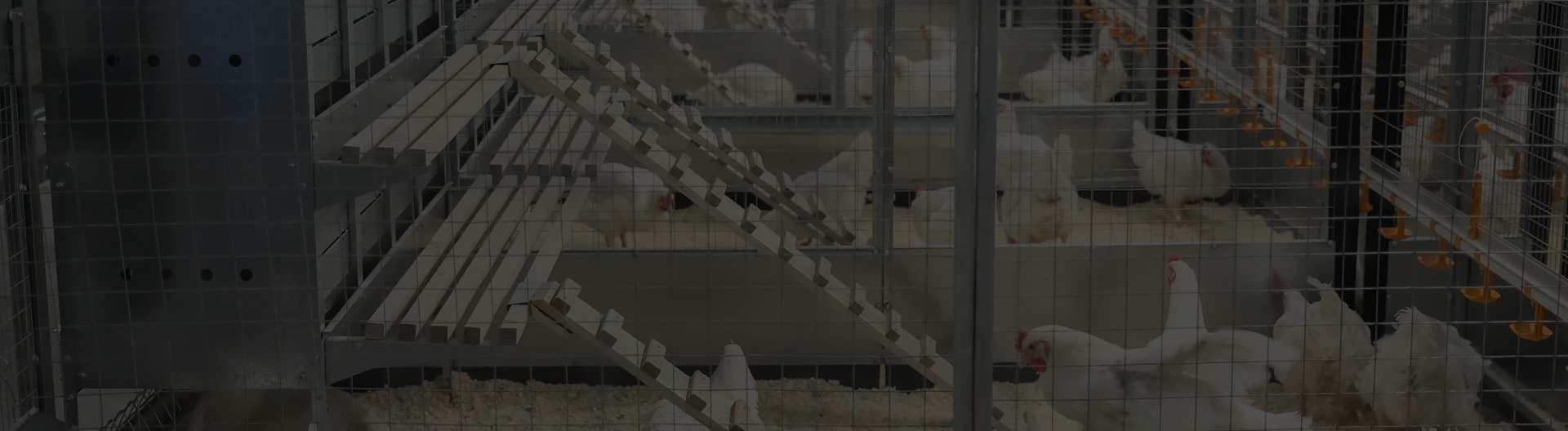
Reliable Chicken Egg Layers Cage Supply for Sustainable Poultry Farming
Nov . 27, 2025 05:25 Back to list
Reliable Chicken Egg Layers Cage Supply for Sustainable Poultry Farming
Introduction: Why Chicken Egg Layers Cage Supply Matters Globally
Chicken egg layers cage supply might not be the first headline-grabber you think of, but it plays a quietly crucial role in feeding millions worldwide. The global demand for eggs has skyrocketed, thanks to growing populations and rising protein consumption, especially in developing countries. According to the FAO, global egg production surpassed 80 million metric tons in 2022 and still climbing.
Behind this boom are the humble cages and their supply chain that ensure layers—egg-laying hens—are housed efficiently, safely, and productively. Understanding chicken egg layers cage supply lets us peek into how food security, agricultural innovation, and economic development intersect. Frankly, without reliable cage systems and supply networks, a large chunk of egg production could falter, leading to price hikes and shortages. And then… chaos on our breakfast tables.
What Is Chicken Egg Layers Cage Supply?
Simply put, “chicken egg layers cage supply” refers to the manufacturing, distribution, and maintenance of cage systems designed specifically for hens that lay eggs. But it’s also more than just metal frames and wire mesh. This supply network covers everything from raw material sourcing to logistics, installation, and sometimes even after-sales services for farms.
In modern poultry farming, cage systems replaced traditional free-range setups, primarily to increase efficiency, protect birds, and ease the collection of eggs. It ties closely with industry demands for scalability and animal welfare standards. And oddly enough, in some relief or low-resource settings, these cages can support critical local food production, acting as part of a broader humanitarian toolkit.
Key Factors in Chicken Egg Layers Cage Supply
Durability & Materials
Cages have to withstand daily wear — from birds pecking to cleaning chemicals. Most suppliers use galvanized steel wire, but some innovative designs experiment with powder-coated metals or biodegradable composites to balance cost and longevity.
Scalability for Different Farm Sizes
From small backyard setups in Cambodia to massive industrial poultry farms in the U.S., the cages must scale easily. Modular designs dominate, so farmers can add or remove units without hassle.
Cost Efficiency
Affordable costs drive adoption especially in developing regions where budgets are tight. The supply chain needs to optimize raw materials, production methods, and logistics to keep price points accessible.
Animal Welfare Compliance
With evolving regulations worldwide, cages must comply with welfare standards—like providing enough space and proper ventilation. Some models incorporate automated feeding and cleaning to improve bird comfort.
Ease of Maintenance
It's no joke—farmers value cages that can be cleaned quickly and repaired easily. Pieces that snap in place or lubricated hinges reduce downtime and keep hens healthier.
Where is Chicken Egg Layers Cage Supply Used Globally?
Egg farming is universal, but the cage systems vary depending on regional demands and conditions. Large-scale poultry farms in North America and Europe use highly automated cages integrated with smart sensors to monitor bird health and productivity. Meanwhile, emerging economies in Southeast Asia and Africa often rely on simpler, robust cage units, supplied through local and international partnerships.
In post-disaster zones, organizations sometimes deploy cage systems quickly to help rebuild local food sources. For example, after the 2015 earthquake in Nepal, NGOs worked with suppliers to bring modular cage setups supporting displaced farmers.
In remote industrial regions—like mining towns or oil camps—these cages facilitate local food production despite harsh climates. Eggs, after all, are a compact protein source with a long shelf life.
Typical Product Specifications of Chicken Egg Layers Cages
| Specification | Details |
|---|---|
| Material | Galvanized Steel Wire, Powder-Coated Steel |
| Dimensions | 120cm (L) x 60cm (W) x 45cm (H) |
| Capacity | 5-6 hens per unit |
| Weight | 15 kg (per cage) |
| Features | Removable feed trays, automated water lines compatible, stackable design |
| Warranty | 3 years (against manufacturing defects) |
Leading Vendors in Chicken Egg Layers Cage Supply: A Comparison
| Vendor | Price Range (per cage) | Warranty | Customization | Global Reach |
|---|---|---|---|---|
| Yize Machine Co. | $75 - $100 | 3 years | High (sizes, features) | International |
| FarmSupplies Ltd. | $60 - $85 | 2 years | Medium | Mostly Regional |
| AgriCage Systems | $80 - $110 | 5 years | Limited | Global |
Advantages and Long-Term Value of Chicken Egg Layers Cage Supply
There’s a certain satisfaction knowing that the humble cage helps provide billions of eggs annually at an affordable price. Cost efficiency from durable and scalable designs means producers—big or small—can optimize output without breaking their budget.
Socially, safer cages protect birds from predators and harsh weather, improving welfare and output quality. This reliability feeds into consumer trust and food safety—a major concern worldwide.
Environmentally, advanced cages can reduce waste and support sustainable farming practices (think controlled feeding, less water waste). Plus, many manufacturers, including Yize Machine Co., are pioneering eco-friendly materials, which is promising.
Future Trends & Innovations in Chicken Egg Layers Cage Supply
Technology is shaping new possibilities. Automation is creeping into cage design with sensors tracking hen health, feeding patterns, and egg production in real-time. This data-driven approach helps farmers intervene early, boosting productivity and bird welfare.
Materials are also evolving—biodegradable composites might one day replace steel, lessening environmental footprints. Solar-powered ventilation and lighting systems are being trialed for remote farms.
Finally, policies pushing for more humane farming and sustainability, along with rising consumer awareness of “cruelty-free” practices, mean the cage supply industry must keep innovating to stay relevant.
Challenges & Solutions in Chicken Egg Layers Cage Supply
Despite advancements, some challenges linger. Cost barriers can limit access for poorer farmers. Also, animal welfare activists critique cages for restricting natural behaviors.
Smart designs now focus on larger cage sizes and enriched environments, like perching spots, to address this. Supply chain hiccups, like material shortages or shipping delays, require robust logistics planning and local supplier partnerships.
Luckily, the blend of innovation, policy support, and farmer input seems to steer the industry in a practical, responsible direction.
FAQ: Frequently Asked Questions About Chicken Egg Layers Cage Supply
Q1: What materials are most commonly used in chicken egg layers cages?
A1: The most common materials are galvanized steel wire and powder-coated steel, chosen for durability and corrosion resistance. Some vendors are experimenting with biodegradable or composite materials to reduce environmental impact.
Q2: How scalable are these cage systems for small vs large farms?
A2: Very scalable. Modular cage designs allow farms to add or remove units easily. Smallholders can start with a few cages, while industrial farms can manage thousands in automated setups.
Q3: Can these cages improve animal welfare compared to traditional setups?
A3: Designed well, yes. Modern cages provide proper space, ventilation, and protection from predators, improving overall welfare. Enriched cages with perches are becoming more common to address welfare concerns.
Q4: How do I order chicken egg layers cage supplies internationally?
A4: Many suppliers offer worldwide shipping. Choose vendors with proven logistics and customer support. For example, Yize Machine Co. provides international clients with comprehensive support including customs documentation.
Q5: What is the typical warranty period for these cages?
A5: Warranty periods typically range from 2 to 5 years, depending on the vendor and cage quality. It usually covers manufacturing defects but not wear from daily use.
Conclusion + Call to Action
Chicken egg layers cage supply is an unsung hero underpinning a global food staple. It balances durability, economics, animal welfare, and sustainability in ways that empower farmers worldwide—all while quietly keeping eggs affordable and accessible. If you’re in the poultry farming sector or simply curious about this vital industry, diving deeper could pay off in productivity and responsibility alike.
Curious to explore tailored solutions? Visit Yize Machine Co. for more on innovative chicken egg layers cage options made with quality and global reach in mind.
References
-
Comprehensive Guide to Plastic Vacuum Packaging Machines: Benefits, Uses & Trends
NewsDec.03,2025
-
Comprehensive Guide to Sausage Vacuum Packaging Machines: Benefits, Uses, and Future Trends
NewsDec.03,2025
-
Vacuum Plastic Packaging Machine - Global Applications, Benefits & Future Trends
NewsDec.03,2025
-
Comprehensive Guide to Sheep Feed Pellet Machine – Benefits, Uses & Future Trends
NewsDec.02,2025
-
Horse Feed Pellet Machine: Essential Guide to Features, Benefits, and Global Applications
NewsDec.02,2025
-
Small Pellet Feed Making Machine: Benefits, Uses & Future Trends | Yize Machine
NewsDec.02,2025





 Afrikaans
 Albanian
 Amharic
 Arabic
 Armenian
 Azerbaijani
 Basque
 Belarusian
 Bengali
 Bosnian
 Bulgarian
 Catalan
 Cebuano
 Corsican
 Croatian
 Czech
Czech
 Danish
 Dutch
Dutch
 Esperanto
 Estonian
 Finnish
 French
 Frisian
 Galician
 Georgian
 German
 Greek
Greek
 Gujarati
 Haitian Creole
 Hausa
Hausa
 Hawaiian
 Hebrew
 Hindi
Hindi
 Miao
Miao
 Hungarian
 Icelandic
 Igbo
Igbo
 Indonesian
 Irish
Irish
 Italian
 Japanese
 Javanese
 Kannada
 Kazakh
 Khmer
Khmer
 Rwandese
 Korean
 Kurdish
 Kyrgyz
 Lao
Lao
 Latin
Latin
 Latvian
 Lithuanian
 Luxembourgish
 Macedonian
 Malgashi
 Malay
Malay
 Malayalam
 Maltese
 Maori
Maori
 Marathi
 Mongolian
 Myanmar
 Nepali
 Norwegian
 Norwegian
 Occitan
 Pashto
 Persian
 Polish
 Portuguese
 Punjabi
 Romanian
 Russian
 Samoan
 Scottish Gaelic
 Serbian
 Sesotho
 Shona
Shona
 Sindhi
 Sinhala
 Slovak
 Slovenian
 Somali
 Spanish
 Sundanese
 Swahili
 Swedish
 Tagalog
 Tajik
Tajik
 Tamil
Tamil
 Tatar
Tatar
 Telugu
 Thai
Thai
 Turkish
 Turkmen
 Ukrainian
 Urdu
Urdu
 Uighur
 Uzbek
Uzbek
 Vietnamese
 Welsh
Welsh
 Bantu
Bantu
 Yiddish
 Yoruba
 English