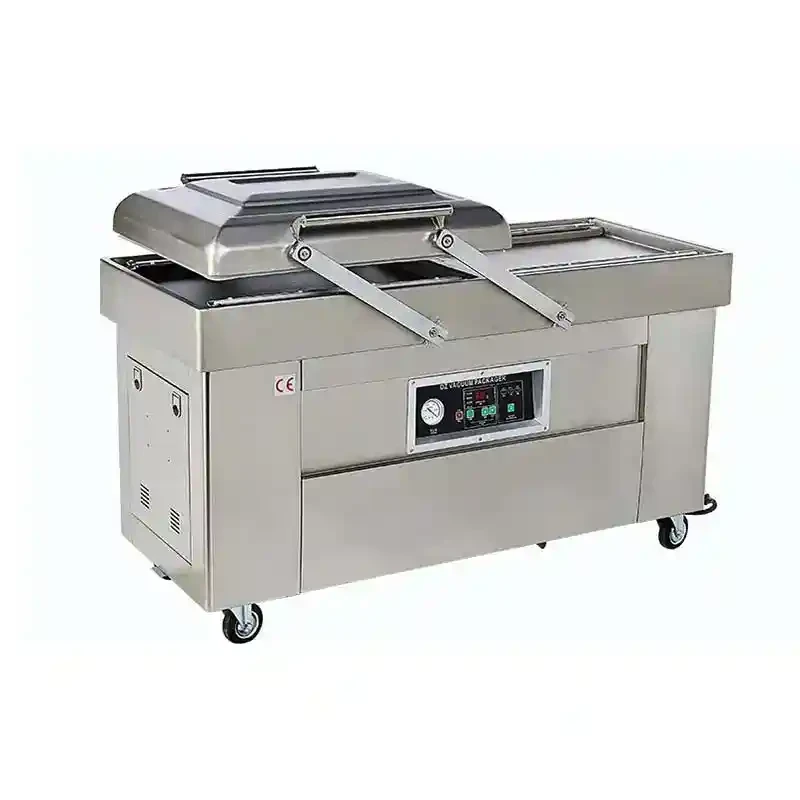
Sustainable Livestock Infrastructure for DRC: High-Efficiency egg tray production line Solutions

Empowering the Democratic Republic of the Congo with industrial-grade livestock equipment to enhance food security and agricultural productivity.

Sustainable Livestock Infrastructure for DRC: High-Efficiency egg tray production line Solutions

We provide professional livestock machinery specifically engineered for the unique environmental conditions of the Democratic Republic of the Congo, focusing on scalability, durability, and high yield.

Agricultural Machinery Landscape in Democratic Republic of the Congo

Analyzing the intersection of tropical climate and livestock industrialization.

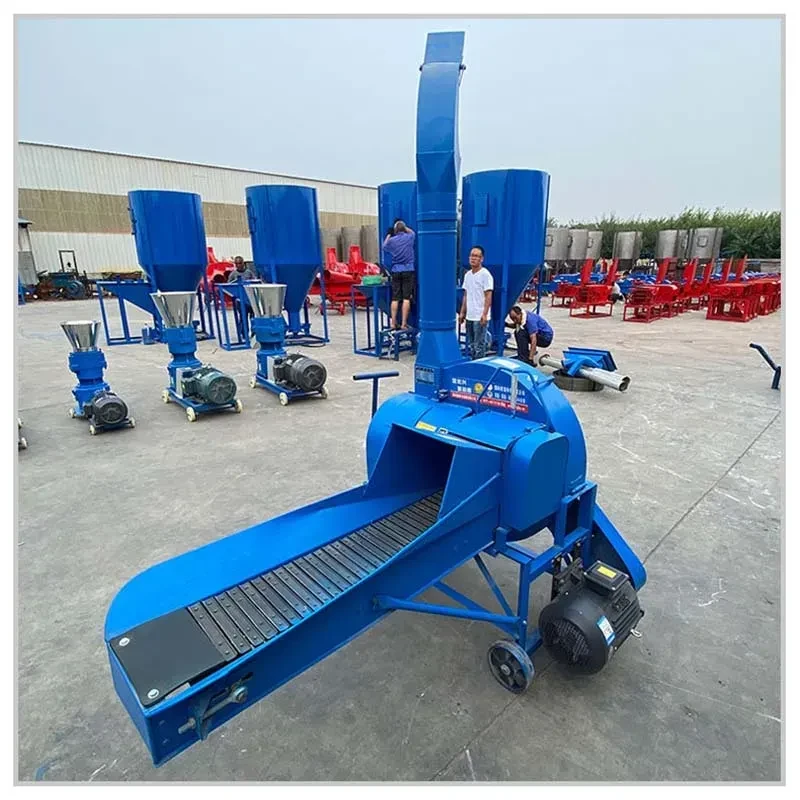
The livestock sector in the Democratic Republic of the Congo is currently transitioning from subsistence farming to semi-commercial production. However, the humid tropical climate and logistical challenges in provinces like Kinshasa and Katanga often lead to high mortality rates in poultry and swine if traditional housing is used. There is an urgent demand for an animal feed cutter to process local biomass into nutritious fodder efficiently.

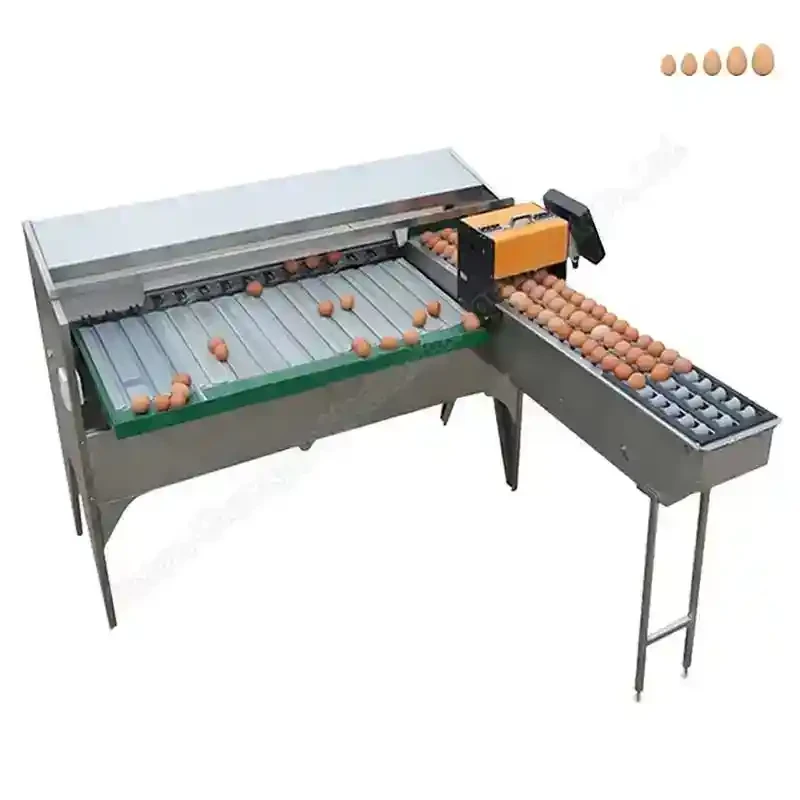
Waste management and secondary processing remain critical bottlenecks. Many local farms struggle with packaging and transport, making the implementation of an egg tray production line essential for reducing breakage during transport across rugged terrains. The lack of standardized equipment has historically limited the scale of operations.

Currently, the adoption of a cage house poultry system is growing as farmers seek to optimize land use and improve hygiene. By moving away from floor-raising, DRC farmers are seeing a significant reduction in avian diseases and a marked increase in egg collection efficiency.
Evolution of Livestock Equipment in Central Africa

From manual labor to automated livestock management systems.

Market Development History

Before 2010, the DRC market relied almost exclusively on wooden structures and manual feeding. Production was fragmented, and the "backyard" approach dominated, resulting in low output and high vulnerability to local pests.

Between 2010 and 2020, we witnessed the introduction of basic galvanized steel components. Farmers began implementing a multi level rabbit cage to maximize vertical space, recognizing that intensive rabbit farming provides a rapid protein source for the growing urban population.

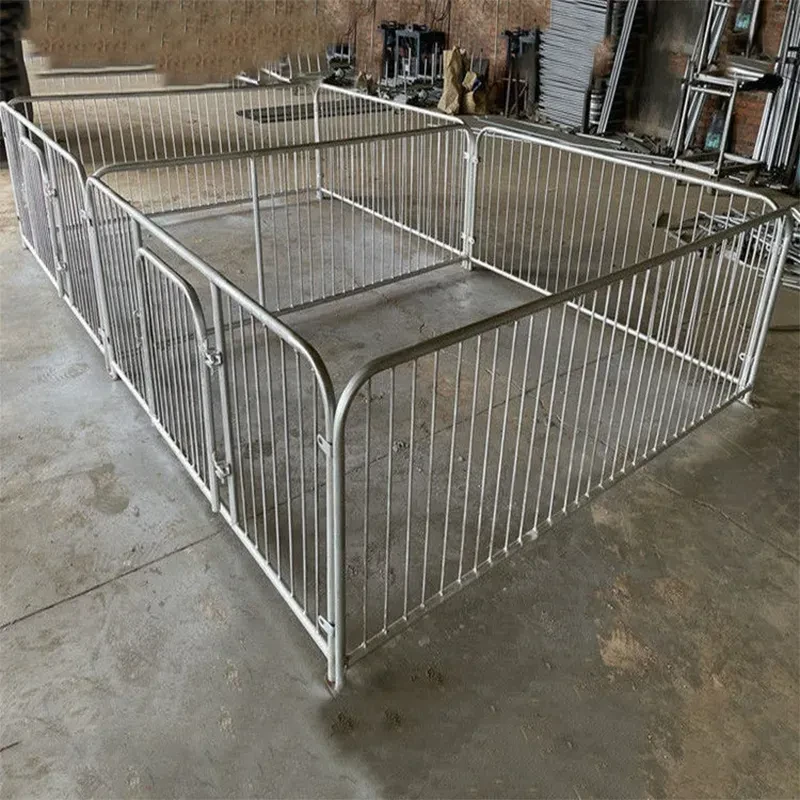
From 2020 to the present, the trend has shifted toward specialized veterinary-grade housing. The adoption of a professional farrowing house for pigs has become a game-changer, significantly reducing piglet mortality through temperature control and controlled environments.

Future Development Trends

Climate-Adaptive Automation

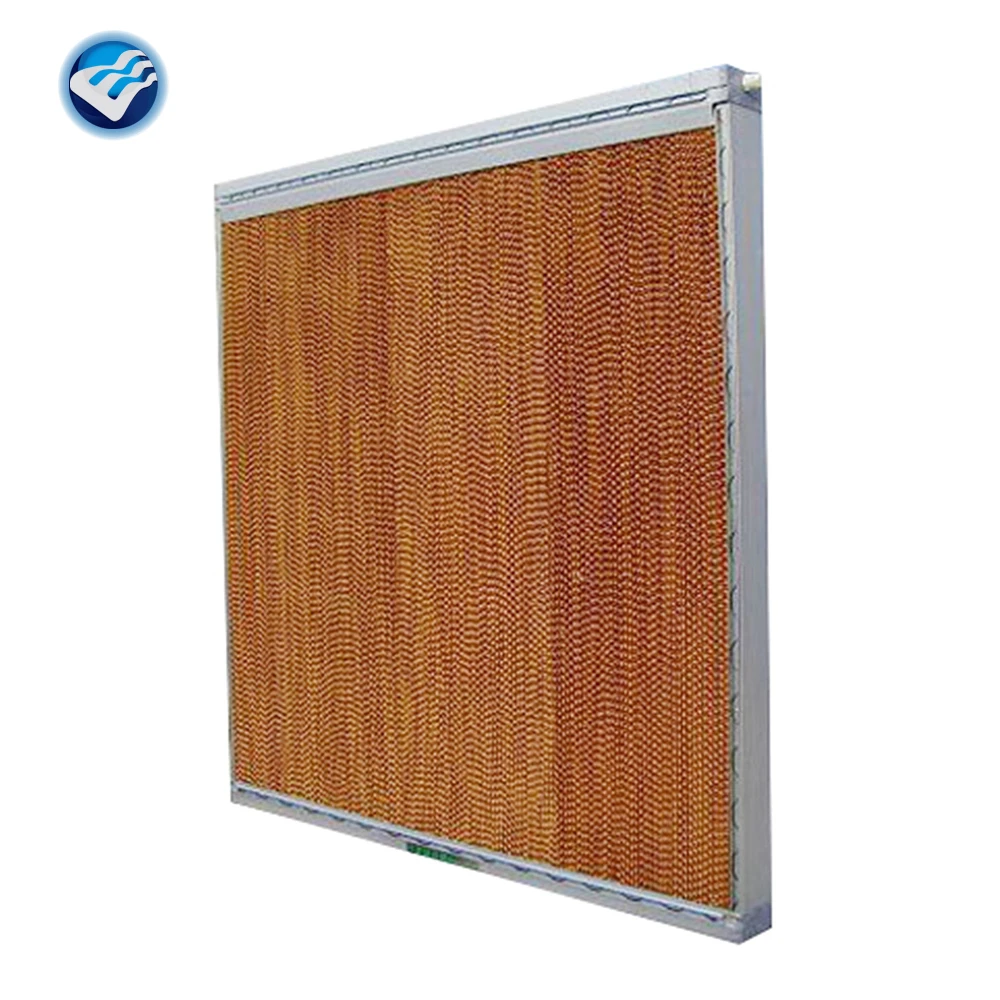
Integration of automated ventilation and cooling systems to combat the Congo Basin's high humidity, ensuring livestock health.

Circular Economy Integration

Using advanced waste-to-feed processors and biodegradable packaging lines to create a zero-waste farming ecosystem.

Data-Driven Husbandry

The shift toward IoT-enabled monitoring for cage systems to track growth rates and health metrics in real-time.

Future Strategic Outlook for DRC Livestock Manufacturing

Predicting the trajectory of agricultural industrialization based on regional growth data.

Vertical Intensification
Transitioning from expansive grazing to high-density vertical systems to protect land and increase yield.
Automated Feed Processing
Reducing dependence on imported feed by implementing local industrial cutting and mixing solutions.
Bio-Security Standardization
Implementing standardized housing to prevent cross-contamination and zoonotic disease outbreaks.
Logistical Integration
Developing integrated production lines that combine breeding, processing, and packaging.

Industry Outlook

The next 3-5 years in the DRC will likely see a surge in "Industrial Hubs" where multiple small-scale farmers share access to a centralized egg tray production line to lower overhead costs and standardize market quality.

Driven by increasing urban demand for affordable protein in cities like Lubumbashi, we expect a 40% increase in the adoption of specialized swine and poultry housing systems as farmers prioritize efficiency over traditional methods.

Localized Livestock Applications in the DRC

Real-world deployment scenarios for high-yield agricultural equipment.

01. Urban Rabbit Farming in Kinshasa

Utilizing a multi level rabbit cage system in limited urban spaces to provide fresh meat for local markets while maintaining high hygiene standards.

02. Commercial Poultry Hubs in Kasai

Deployment of large-scale cage house poultry installations to stabilize egg supply and reduce predation losses in rural cooperatives.

03. Professional Swine Breeding in Katanga

Implementing a modern farrowing house for pigs to ensure high survival rates of piglets during the critical first weeks of life.

04. Local Feed Processing Centers

Integration of a heavy-duty animal feed cutter to process cassava stems and maize stalks into usable livestock feed.

05. Egg Distribution Networks

Establishing localized egg tray production line centers to provide secure packaging for eggs transported to distant provincial markets.

Brand Story

Global Development Journey of Anping Yize Metal Products Co., Ltd.

Engineering Foundations

Founded on the principle of durability, we began by mastering the art of galvanized steel to combat the harshest environmental corrosion.

Market Diversification

Expanding from simple cages to complex production lines, we integrated mechanical engineering with animal behavioral science.

Global Outreach

Entering the African market, we adapted our designs to meet the specific energy and climate needs of the DRC and surrounding regions.

Innovation Milestone

Developing modular systems that allow farmers to scale their operations from a single cage to a full industrial house seamlessly.

Mission for Sustainability

Our current mission is to eradicate livestock waste and hunger by providing the tools for sustainable, industrial-scale farming.

DRC Livestock Equipment FAQ

Expert answers to common technical and logistical questions.

How to maintain a multi level rabbit cage in high humidity areas of DRC?

We recommend using our hot-dip galvanized coating which prevents rust. Regular cleaning and ensuring adequate ventilation between levels are key to preventing respiratory issues in rabbits.

What is the capacity of a standard egg tray production line for small cooperatives?

Our modular lines can be customized from 1,000 to 5,000 trays per hour, allowing cooperatives to grow their production as their poultry flock expands.

Can a cage house poultry system be installed in existing wooden barns?

Yes, our systems are designed for flexible installation. We provide structural blueprints to ensure the existing barn can support the weight of the cage battery.

What materials are most effective for a farrowing house for pigs in tropical climates?

We use a combination of stainless steel crates for durability and high-density plastics for easy disinfection, ensuring a sterile environment for piglets.

Which animal feed cutter is best for processing cassava and maize in DRC?

Our multi-purpose industrial cutter with interchangeable blades is ideal, as it can handle both hard stalks and soft tubers efficiently.

Do you provide installation guidance for equipment shipped to Democratic Republic of the Congo?

Absolutely. We provide detailed video tutorials, 3D installation manuals, and remote technical support to ensure your production line is set up correctly.

Upgrade Your Livestock Facility Today

Contact our engineers for a customized agricultural solution tailored to the specific needs of the Democratic Republic of the Congo.

Contact Us Now

If you are interested in our products, you can choose to leave your information here, and we will be in touch with you shortly.