Smart Livestock Infrastructure Solutions: Premium farrowing house for pigs for Ecuador

Empowering Ecuadorian farmers with high-efficiency, climate-adaptive livestock equipment to maximize yield and animal welfare across the Andes and Coastal regions.

Smart Livestock Infrastructure Solutions: Premium farrowing house for pigs for Ecuador

Integrating advanced automation and ergonomic design to optimize the breeding and feeding cycles of pigs, poultry, and rabbits in the diverse Ecuadorian landscape.

Livestock Production Landscape in Ecuador

Analyzing the shift toward industrialization in South American livestock farming.

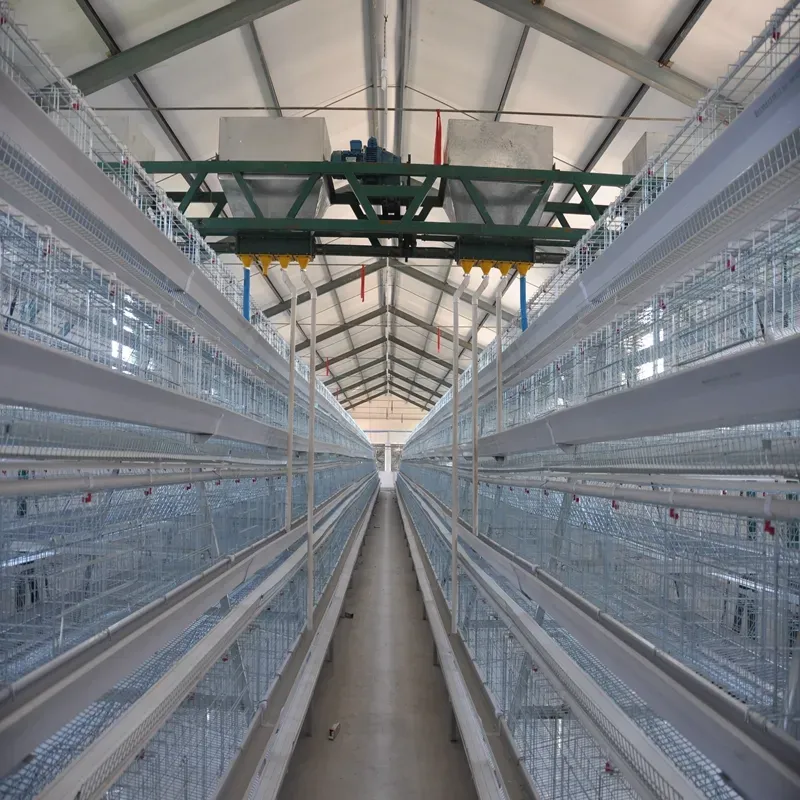
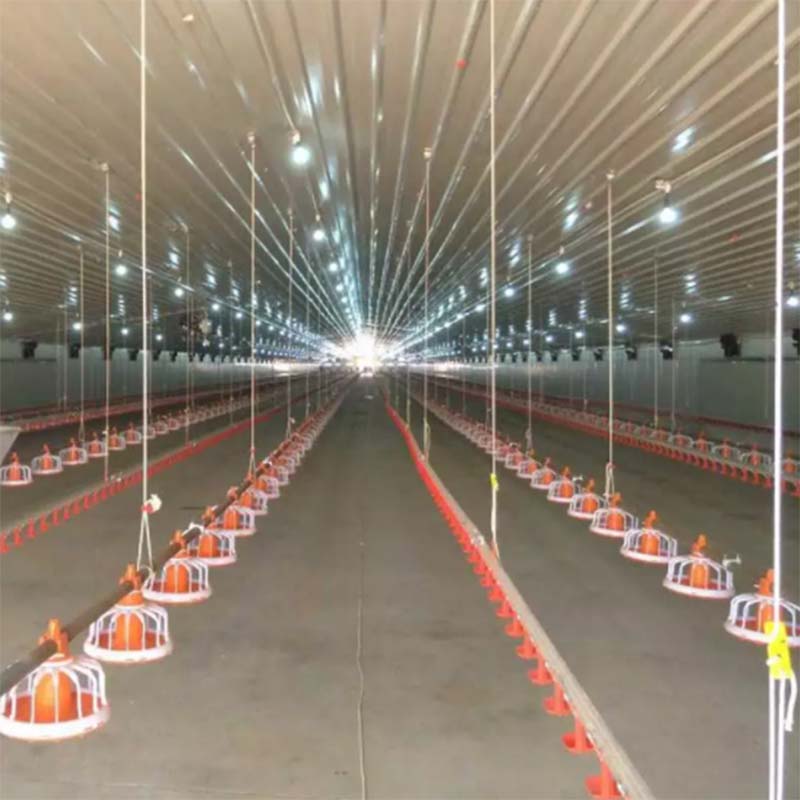
Ecuador's livestock sector is characterized by a stark contrast between small-scale highland farms and large industrial operations in the coastal plains. The humid tropical climate of the coast necessitates high-ventilation systems in every cage house poultry setup to prevent heat stress and respiratory diseases in flocks.

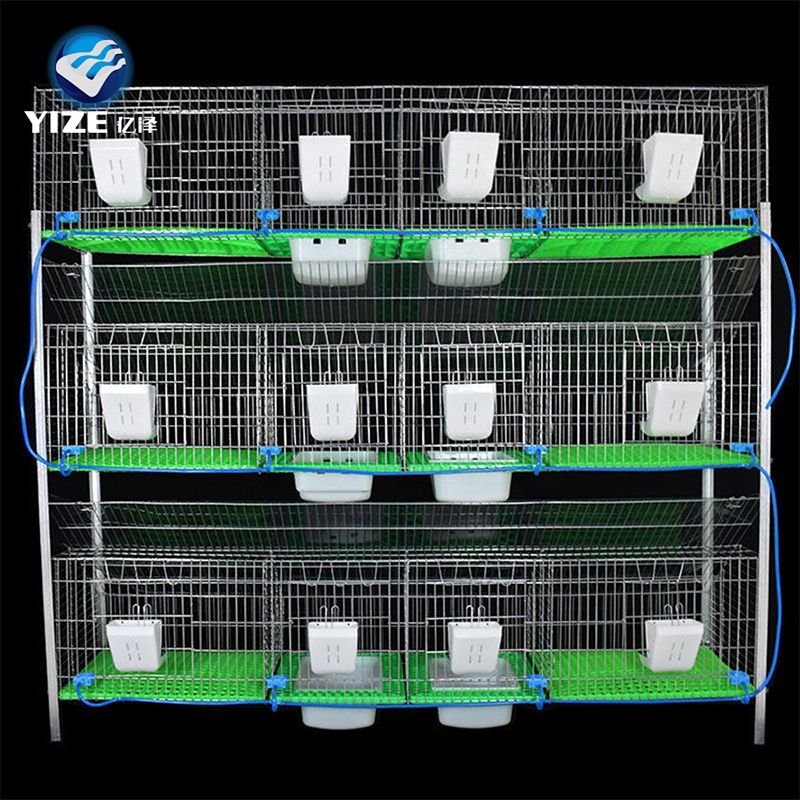
In the Andean regions, farmers are increasingly adopting a multi level rabbit cage system to optimize limited land use and improve waste management. The integration of vertical farming techniques in animal husbandry is becoming a key driver for economic growth in rural provinces like Pichincha and Chimborazo.

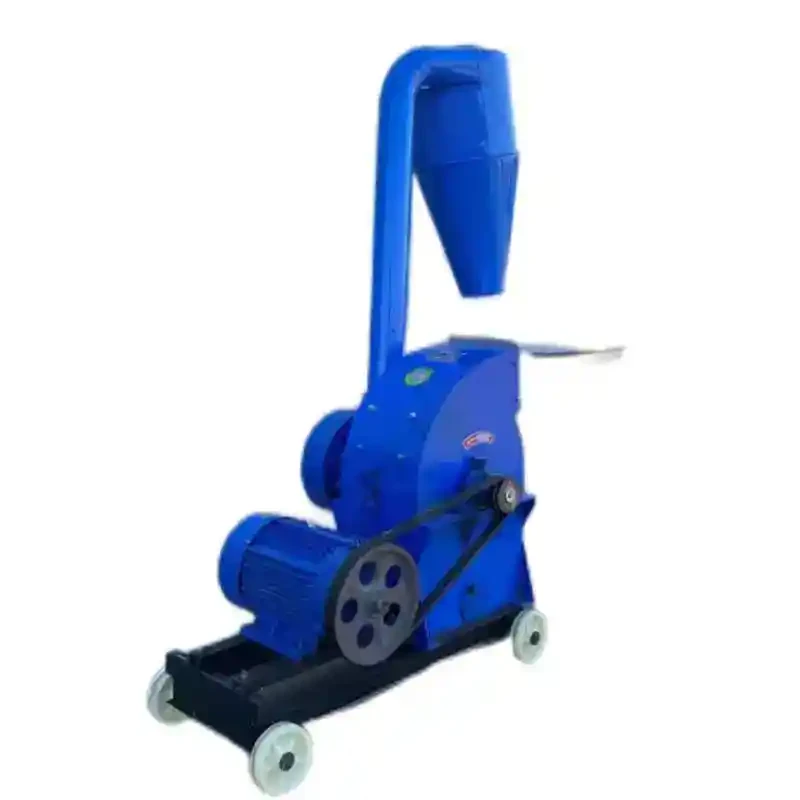
Despite the growth, many producers still struggle with inefficient feed processing. The adoption of a commercial-grade animal feed cutter has become essential to reduce waste and ensure consistent nutrient intake for swine and poultry, directly impacting the market competitiveness of Ecuadorian meat exports.
Technical Evolution of Ecuadorian Husbandry

From traditional wooden structures to automated precision engineering.

Market Development History

Prior to 2010, the majority of Ecuadorian farms relied on manual labor and rudimentary wooden enclosures. Feed was processed using basic hand-tools, leading to high mortality rates in piglets and inefficient growth cycles.

Between 2010 and 2020, there was a significant transition toward galvanized steel. The introduction of the egg tray production line allowed local egg producers to move from importing packaging to creating a sustainable, local supply chain for the domestic market.

From 2021 to the present, the focus has shifted to "Precision Livestock Farming" (PLF). Automation in climate control and automatic feeding systems is now the standard for large-scale enterprises aiming for international export certifications.

Future Development Trends

IoT-Integrated Monitoring

Integrating sensors into the farrowing house to monitor sow temperature and piglet weight in real-time to reduce crushing mortality.

Eco-Circular Waste Systems

Development of automated manure scrapers and biogas integration within poultry and pig housing to meet Ecuador's strict environmental regulations.

Modular Scalability

Shift toward prefabricated, modular cage systems that allow farmers to expand their capacity without disrupting existing production cycles.

Future Outlook for Livestock Machinery

Driving efficiency through technological convergence in South America.

Automated Climate Control
Implementing AI-driven ventilation to combat Ecuador's humidity, ensuring optimal animal health.
Precision Feeding Systems
Reducing feed waste by 15% through precise dosing and optimized cutting technology.
Sustainable Packaging
Expanding the use of biodegradable pulp in egg tray production lines for green certification.
Vertical Space Optimization
Maximizing land utility in the Andes through multi-tier cage architectures.

Industry Outlook

The Ecuadorian livestock market is moving toward a model of consolidated productivity. Google search trends in the region show a rising interest in "automatic feeding" and "veterinary-approved housing," indicating that farmers are prioritizing animal welfare as a means to increase yield.

Over the next 3-5 years, we expect a surge in demand for integrated systems that combine housing, feeding, and packaging. The transition from fragmented equipment to a holistic production line will be the primary competitive advantage for South American producers.

Localized Application Scenarios in Ecuador

Real-world implementations tailored to the diverse Ecuadorian geography.

1. Coastal Poultry Mega-Farms

Implementing large-scale cage house poultry systems in Guayas province, utilizing automated ventilation to manage the coastal humidity and maximize egg production.

2. Andean Small-Hold Rabbitry

Deploying multi level rabbit cage units in high-altitude farms in Cotopaxi, allowing farmers to increase their herd size by 300% within the same footprint.

3. Industrial Swine Breeding Hubs

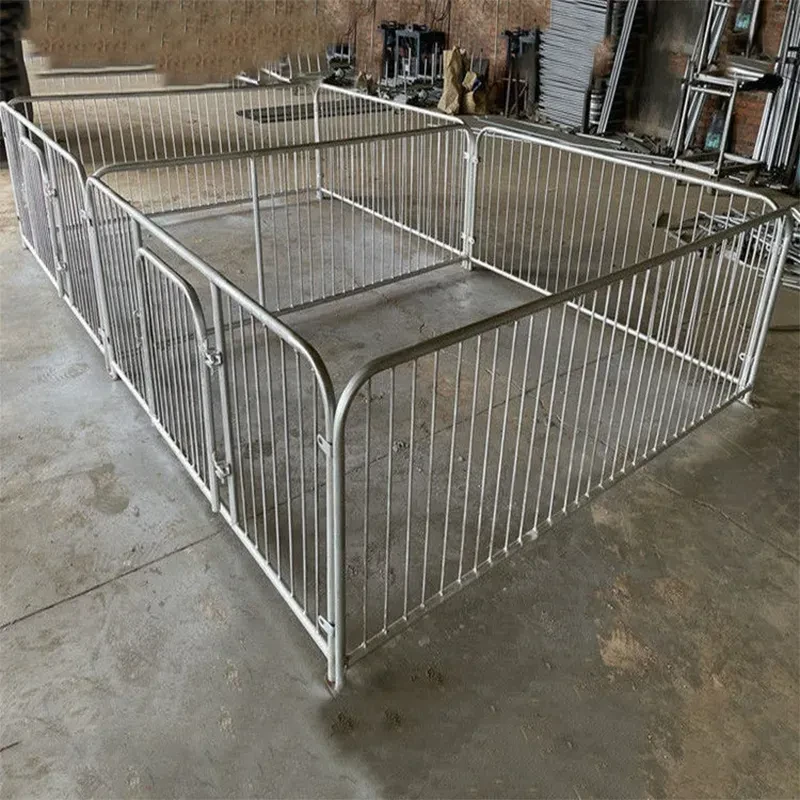
Installation of specialized farrowing house for pigs in the livestock corridors of Manabí, focusing on heat-lamp integration to protect newborn piglets from temperature drops.

4. Localized Egg Distribution Centers

Establishing a compact egg tray production line for regional cooperatives in Tungurahua, reducing packaging costs and reliance on imported plastics.

5. Integrated Feed Processing Units

Using a high-capacity animal feed cutter in mixed-crop farms to process local corn and soy into high-nutrient fodder for diverse livestock.

Brand Story

Global Development Journey of Anping Yize Metal Products Co., Ltd.

Foundational Excellence

Started as a specialized metal fabrication shop, focusing on the core pain point of durability in animal housing equipment.

Technological Breakthrough

Developed proprietary anti-corrosion coatings to ensure livestock cages withstand high-humidity environments common in tropical regions.

Global Market Expansion

Expanded operations to South America, tailoring engineering designs to meet the specific environmental challenges of the Andean and Coastal regions.

Sustainable Innovation

Launched the "Green Farm" initiative, integrating waste-reduction machinery and energy-efficient production lines into the product catalog.

Industry Leadership

Now recognized as a leading provider of comprehensive livestock solutions, bridging the gap between traditional farming and modern industrialization.

Common Questions for Ecuadorian Producers

Expert answers to the most pressing technical challenges in local livestock farming.

How to choose the right multi level rabbit cage for high-altitude Andean farms?

For Andean regions, we recommend galvanized steel cages with integrated heat-retention panels and optimized drainage to maintain hygiene in cool, damp climates.

What is the capacity of a standard egg tray production line for regional cooperatives?

Our modular lines can scale from 1,000 to 5,000 trays per hour, making them ideal for small cooperatives looking to standardize their egg packaging.

How does a cage house poultry system improve egg yield in coastal Ecuador?

Our systems reduce ground-level pathogens and allow for precision climate control, significantly lowering stress levels for hens and increasing daily egg output.

What are the key safety features of a modern farrowing house for pigs?

Key features include anti-crush rails to protect piglets and individual temperature-controlled creep areas to ensure survival during the critical first weeks.

Which materials are best for an animal feed cutter used in tropical environments?

We use high-carbon alloy steel blades with a powder-coated chassis to prevent rust caused by the high humidity levels in coastal Ecuador.

Can these machinery systems be customized for small-scale Ecuadorian farms?

Yes, all our equipment is modular. We provide tailored configurations to fit the specific space and budget constraints of small-to-medium enterprises.

Ready to Upgrade Your Farm?

Contact our engineering team today for a customized livestock infrastructure consultation specifically designed for the market in Ecuador.

Contact Us Now

If you are interested in our products, you can choose to leave your information here, and we will be in touch with you shortly.