Smart Livestock Farming Solutions for Myanmar: Advanced cage house poultry Systems

Integrating high-efficiency automation and durable livestock equipment to optimize protein production and animal welfare across Myanmar's agricultural landscape.

Smart Livestock Farming Solutions for Myanmar: Advanced cage house poultry Systems

Providing Myanmar farmers with industrial-grade equipment, from precision feeding tools to automated housing, ensuring maximum yield and biosecurity.

Livestock Infrastructure Status in Myanmar

Analyzing the transition from traditional husbandry to modernized equipment adoption in Asia - Myanmar.

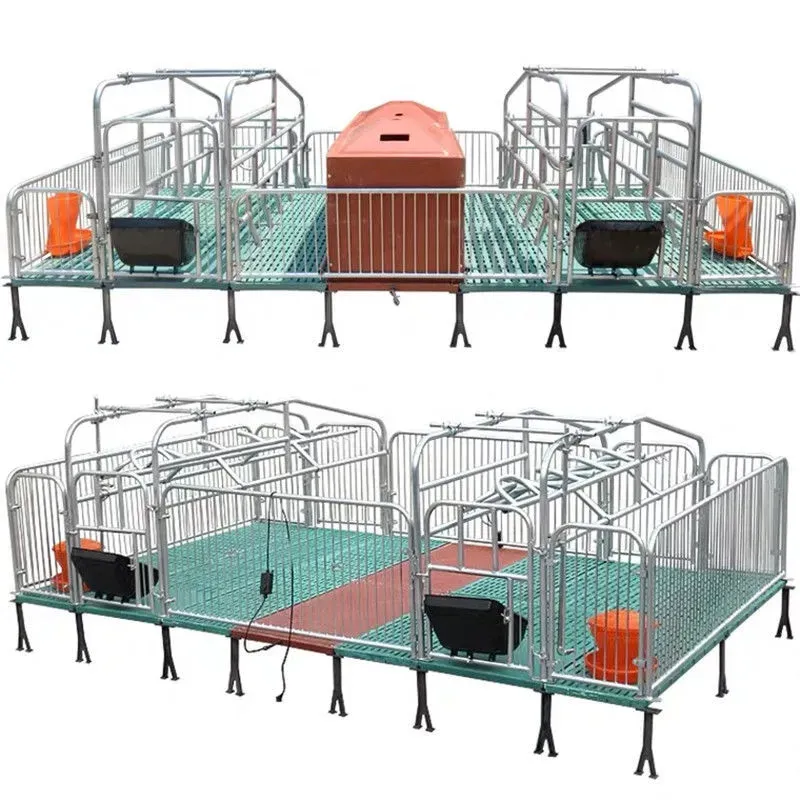
In Myanmar, the livestock sector is currently shifting from small-scale backyard farming to commercial operations. However, high humidity and tropical temperatures often lead to disease outbreaks, making the adoption of a structured farrowing house for pigs essential for reducing piglet mortality and controlling environmental stressors.

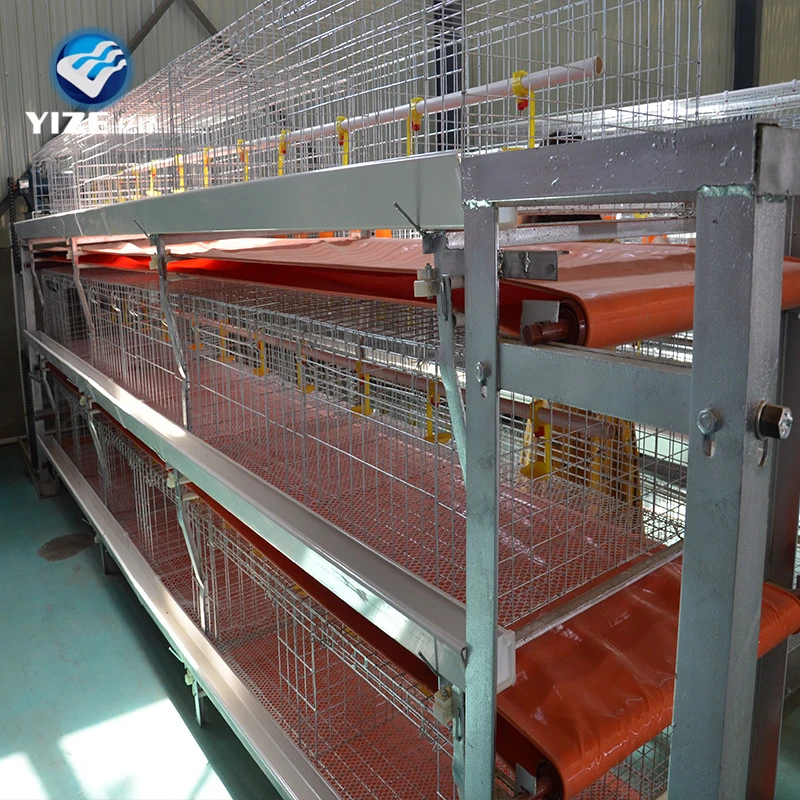
The poultry sector is seeing a surge in demand for eggs and meat, yet many farms still rely on floor-raising methods. The introduction of the cage house poultry model is becoming a critical necessity to optimize space and ensure hygiene in densely populated farming regions like Ayeyarwady.

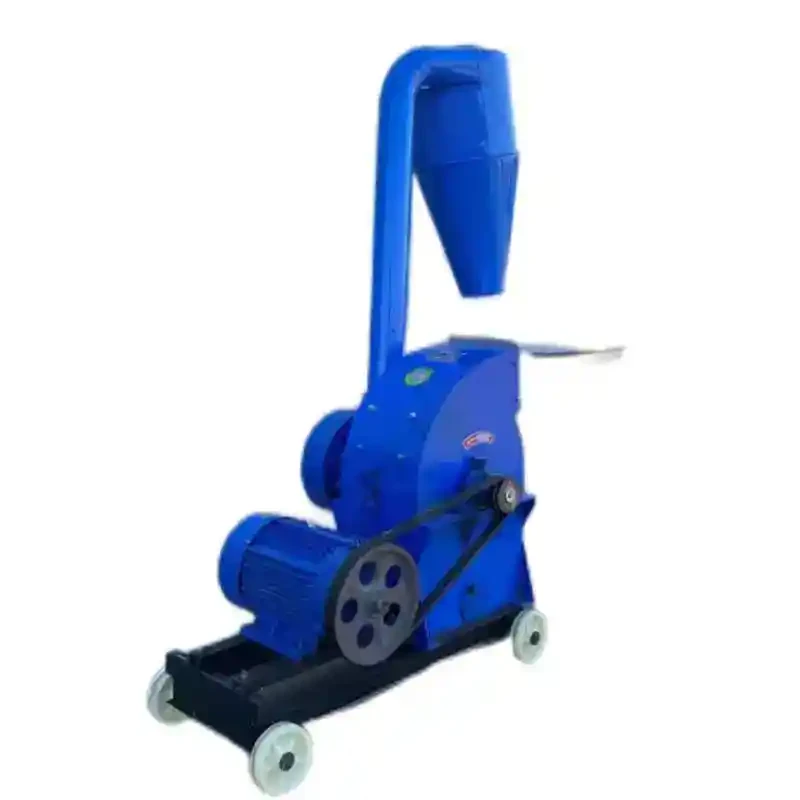
Furthermore, the lack of localized processing equipment has hindered efficiency. The integration of a professional animal feed cutter allows Myanmar farmers to utilize local agricultural by-products more effectively, reducing feed costs while maintaining nutritional standards.
Technical Evolution and Growth Trajectory

From manual labor to automated precision in Myanmar's livestock machinery.

Market Development History

Before 2010, livestock equipment in Myanmar was primarily handmade from local timber and bamboo, focusing on low-density housing. Feed preparation was manually intensive, relying on basic chopping tools with low consistency.

Between 2012 and 2020, there was a transition toward imported galvanized steel structures. The introduction of the multi level rabbit cage marked a shift toward vertical farming, allowing smallholders to increase livestock density without expanding land usage.

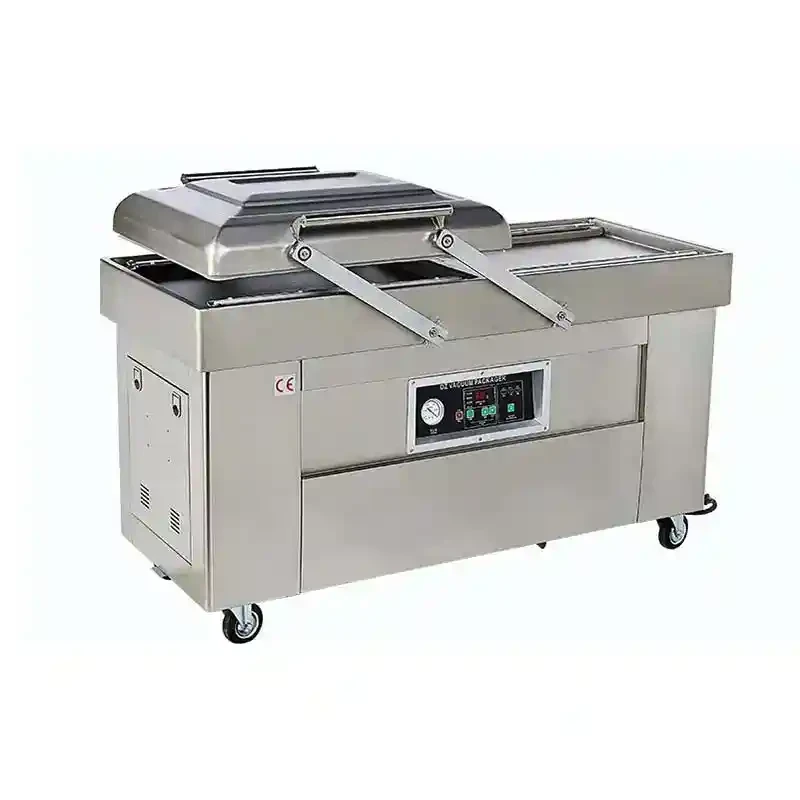
From 2021 to the present, the market has entered the era of "Industrial Integration." Farmers are now investing in complete cycles, including the egg tray production line to support the commercialization of the poultry value chain from production to packaging.

Future Development Trends

Climate-Adaptive Automation

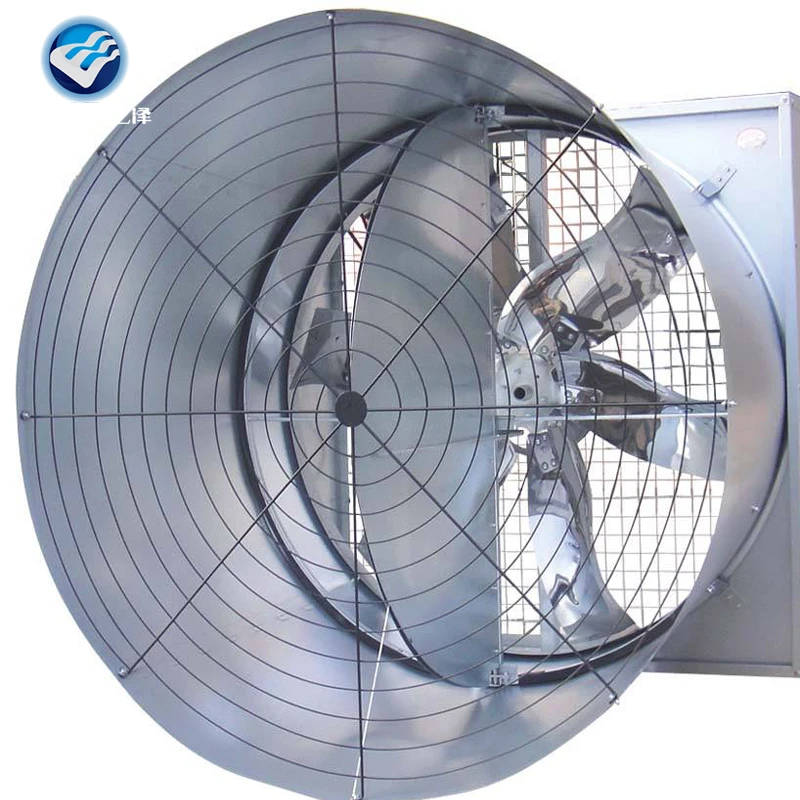
Future systems will integrate IoT-based ventilation and cooling to combat Myanmar's extreme heat, specifically within automated poultry and pig housing.

Circular Economy Integration

A shift toward zero-waste farming where waste from livestock is converted into energy or organic fertilizer via advanced processing machinery.

Precision Nutrition Delivery

Moving from bulk feeding to precision feeding systems that adjust nutrients based on the growth stage of the animal to optimize FCR (Feed Conversion Ratio).

Strategic Outlook for Livestock Machinery

Forecasting the technological shift in Myanmar's agricultural equipment market for the next 3-5 years.

Vertical Space Optimization
Increasing adoption of tiered housing to maximize land productivity in urban-fringe areas.
Automated Waste Management
Integration of conveyor belts and automatic cleaning to meet higher biosecurity standards.
Energy-Efficient Processing
Transitioning toward solar-powered machinery to reduce operational costs in remote areas.
Scalable Module Design
Modular equipment that allows farmers to expand their capacity incrementally.

Industry Outlook

Based on regional growth data, the demand for commercial-grade livestock equipment in Myanmar is expected to grow by 7% annually. The focus is shifting from mere survival to profit maximization through technology.

We anticipate that the integration of end-to-end production lines, combining feed processing and housing, will become the standard for professional farms seeking export-quality livestock products.

Localized Application Scenarios in Myanmar

Practical implementations of livestock machinery across different Myanmar agricultural zones.

01. Commercial Egg Production in Yangon Periphery

Implementing a full-scale cage house poultry system combined with an egg tray production line to supply the high-demand urban markets with fresh, packaged eggs.

02. High-Density Rabbit Breeding in Shan State

Utilizing the multi level rabbit cage to optimize limited hillside space, ensuring better airflow and easier waste collection in cooler climates.

03. Intensive Pig Farming in Bago Region

Deploying specialized farrowing house for pigs to protect newborns from ground-borne diseases and regulate temperature during the monsoon season.

04. Local Feed Processing Hubs in Mandalay

Setting up centralized feed centers equipped with the animal feed cutter to process corn and soy for surrounding smallholder farms.

05. Integrated Livestock Parks in Ayeyarwady

Creating multi-species farming clusters that combine poultry and porcine equipment to diversify income streams for rural cooperatives.

Brand Story

Global Development Journey of Anping Yize Metal Products Co., Ltd.

Industrial Roots

Founded in the heart of China's wire mesh capital, we began with a mission to provide the most durable galvanized livestock cages for local farmers.

Technological Pivot

Recognizing the need for automation, we expanded from simple cages to complete production lines, integrating machinery like feed cutters and tray makers.

Global Expansion

We extended our reach into Southeast Asia, tailoring our equipment to withstand the humid climates and specific livestock breeds of the region.

Commitment to Welfare

Our R&D now focuses on "Animal-Centric Engineering," ensuring that high-density farming does not compromise animal health or product quality.

Future Vision

We aim to be the primary partner for Myanmar's agricultural modernization, providing tools that empower farmers to achieve food security.

Comprehensive Livestock Equipment Suite for Myanmar

A one-stop solution for poultry, porcine, and small mammal farming modernization.

Myanmar Livestock Equipment FAQs

Expert answers to common technical and operational questions from local farmers.

How to prevent rust in a cage house poultry system in Myanmar's humid climate?

We use hot-dip galvanized steel with a thick zinc coating, which provides superior corrosion resistance compared to electro-galvanizing, making it ideal for Myanmar's high-humidity environment.

What is the capacity of a typical egg tray production line for medium farms?

Our medium-scale lines can produce between 1,000 to 2,500 trays per hour, allowing farmers to package their output locally and reduce transport breakages.

Is the multi level rabbit cage suitable for small-scale urban farmers?

Yes, the vertical design minimizes the footprint, making it perfect for peri-urban areas where land is expensive but demand for rabbit meat is growing.

How does a farrowing house for pigs improve piglet survival rates?

It prevents crushing by the sow and provides a controlled thermal environment for piglets, significantly reducing early-stage mortality.

Can the animal feed cutter handle local Myanmar crop residues?

Absolutely. Our cutters are designed to handle various materials including corn stalks, grass, and soybean husks, converting them into uniform feed.

What is the installation time for a full cage house poultry setup?

Depending on the scale, our modular systems can typically be installed within 7 to 14 days with minimal on-site welding required.

Ready to Modernize Your Farm?

Contact our engineering team for a customized livestock equipment layout tailored to the environment of Myanmar.

Contact Us Now

If you are interested in our products, you can choose to leave your information here, and we will be in touch with you shortly.