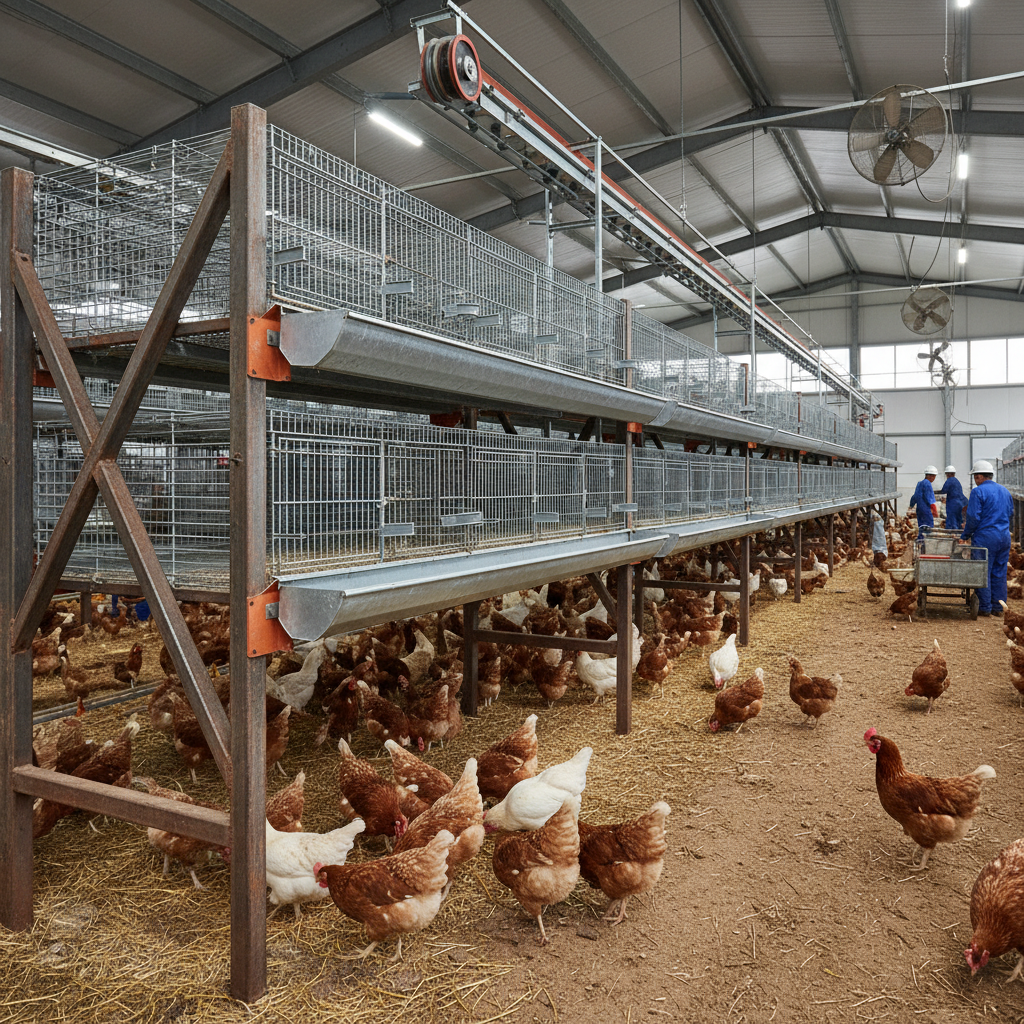
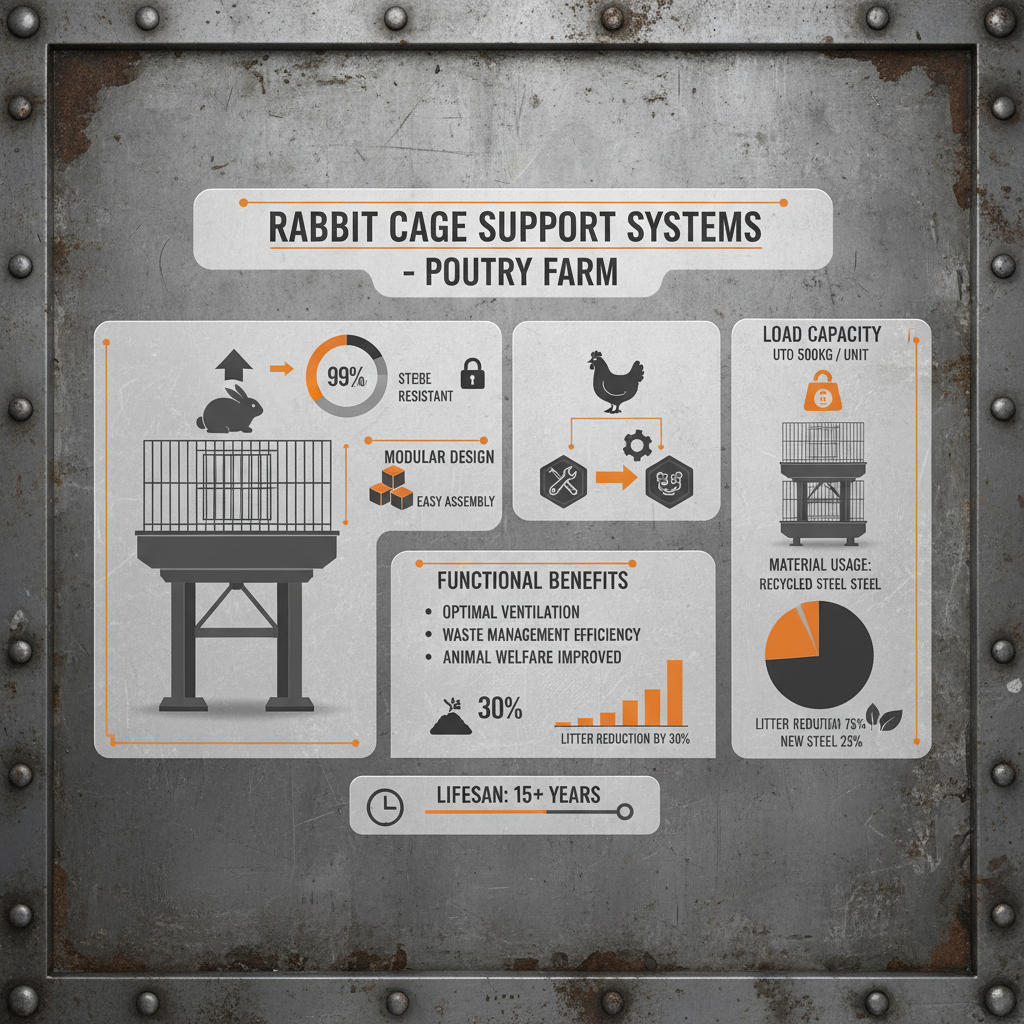
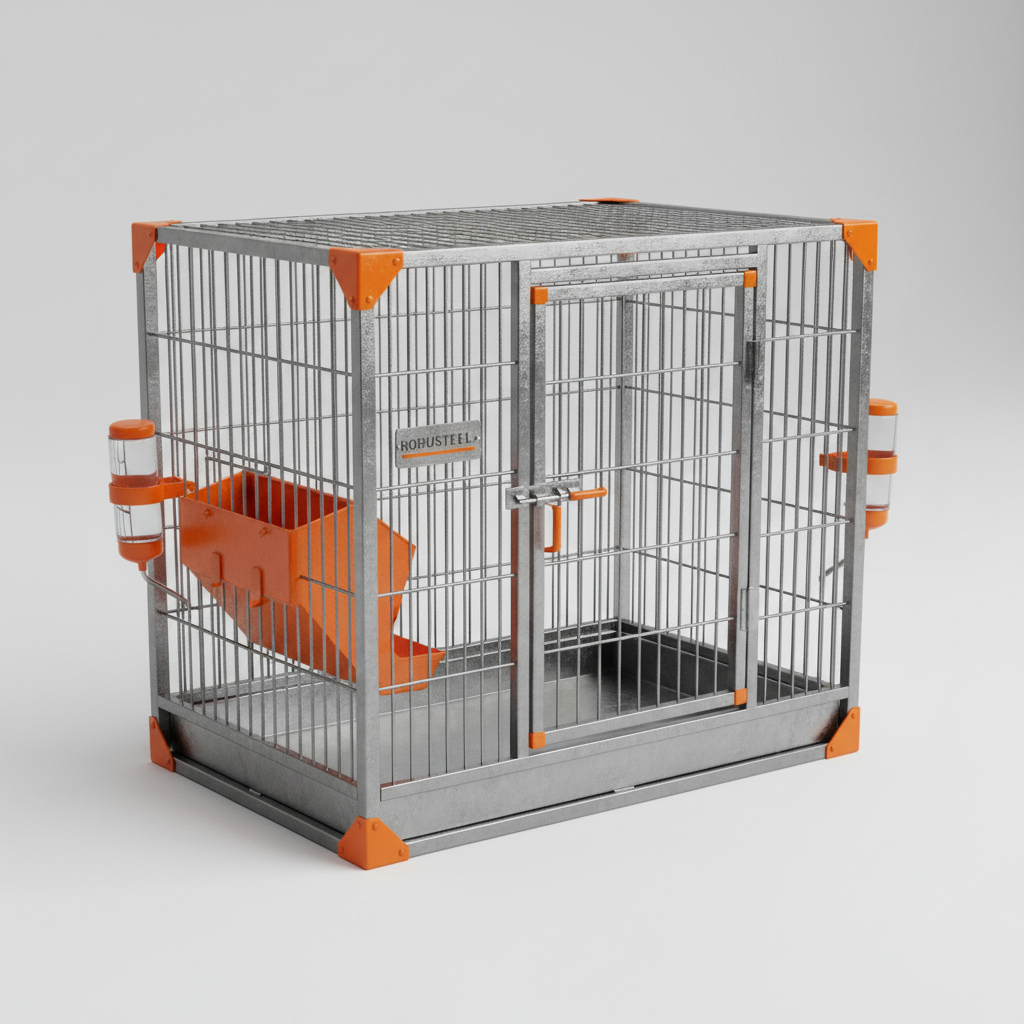
The modern livestock industry is shifting toward high-efficiency, vertical farming solutions to maximize space and improve animal welfare. Among these innovations, rabbit cage stands serve as the foundational structural element that determines the overall hygiene, accessibility, and scalability of a rabbitry. By elevating the living environment, these stands minimize ground-level parasites and streamline the waste management process, making them indispensable for commercial breeders.
Globally, the demand for sustainable protein sources has put a spotlight on cuniculture, where the implementation of professional-grade rabbit cage stands allows farmers to transition from hobbyist setups to industrial-scale production. The engineering behind these stands focuses on weight distribution and ergonomic height, ensuring that handlers can manage feed and cleaning tasks without excessive physical strain, thereby increasing daily operational efficiency.
Understanding the nuances of material selection and design architecture is key to long-term profitability in rabbit farming. Whether employing galvanized steel for corrosion resistance or modular aluminum for flexibility, the right choice of rabbit cage stands directly impacts the health of the livestock and the longevity of the facility investment, bridging the gap between traditional husbandry and automated livestock management.
Global Industry Context of Rabbit Cage Stands
In the global agricultural landscape, the shift toward intensive farming is driven by the need for food security and efficient land use. According to trends aligned with ISO standards for livestock equipment, the adoption of specialized rabbit cage stands has become a benchmark for professional rabbitries across Europe and Asia. By utilizing vertical space, these stands address the critical challenge of high-density housing while maintaining strict biosecurity protocols to prevent zoonotic disease outbreaks.
The economic impact of transitioning to engineered stands is significant; farms reporting a move from floor-based pens to elevated stands often see a reduction in mortality rates by up to 15% due to improved ventilation and waste removal. As emerging markets in Africa and South America expand their protein production, the industrialization of rabbit cage stands is playing a pivotal role in transforming subsistence farming into viable commercial enterprises.
Defining Modern Rabbit Cage Stands
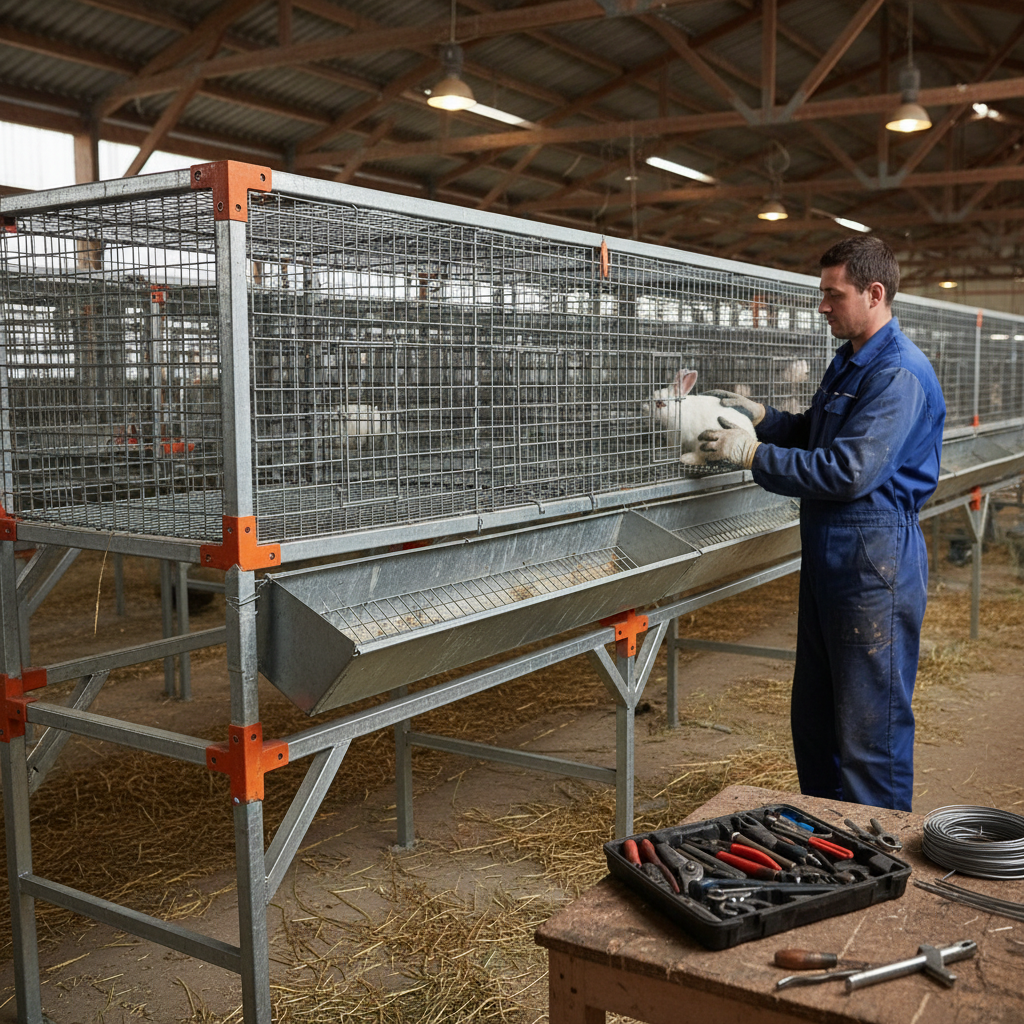
At its most basic level, rabbit cage stands are the structural frameworks designed to support multiple tiers of cages, elevating the animals off the floor to create a controlled environment. Unlike simple tables, industrial stands are engineered to withstand the constant weight of adult rabbits, heavy feeding troughs, and the corrosive nature of rabbit urine, which is high in ammonia.
Beyond mere support, these stands are an integral part of a larger "breeding automation" ecosystem. They are designed to integrate seamlessly with automatic watering nipples and waste collection trays, transforming a static piece of furniture into a dynamic production tool. This connection to modern industry ensures that labor costs are minimized through streamlined cleaning and feeding workflows.
From a humanitarian and animal welfare perspective, professional stands prevent the buildup of moisture and ammonia at the rabbit's breathing level. By ensuring a clear gap between the cage floor and the ground, rabbit cage stands provide the necessary airflow to prevent respiratory infections, aligning farming practices with global animal welfare standards.
Core Components for Structural Integrity
The durability of rabbit cage stands begins with material selection. Most high-end industrial stands utilize hot-dip galvanized steel, which provides a sacrificial zinc layer that prevents rust even in the humid conditions common in livestock barns. This ensures that the framework does not compromise the safety of the animals over years of use.
Scalability is another critical factor. Modular rabbit cage stands are designed with interlocking joints or bolt-together systems, allowing a farmer to start with a small battery of cages and expand horizontally or vertically as their herd grows. This flexibility reduces initial capital expenditure and allows for organic growth.
Finally, ergonomic design is essential for operational cost efficiency. The height of the stands is typically calibrated to reduce the bending required by workers, and the spacing between tiers is optimized for easy access to the nesting boxes. When rabbit cage stands are designed with the human operator in mind, the risk of workplace injury decreases and the speed of daily maintenance increases.
Global Applications and Use Cases
The application of rabbit cage stands varies significantly by region and purpose. In the European Union, where welfare regulations are stringent, stands are often integrated with automatic manure conveyor belts that move waste directly to a processing area, minimizing odors and labor. This high-tech approach is common in large-scale meat production facilities.
In contrast, in remote industrial zones or developing agricultural regions, the focus shifts toward cost-effective, rugged rabbit cage stands that can be easily assembled without specialized machinery. These stands allow small-scale cooperatives to increase their protein output without needing massive investments in land, making them a tool for economic empowerment.
Comparative Efficiency of Rabbit Cage Stands Design
Long-Term Value and Sustainability
Investing in premium rabbit cage stands provides tangible long-term value by extending the lifecycle of the entire housing system. Cheaply made stands often warp or rust within two years, necessitating a complete overhaul that disrupts the animals' environment. In contrast, professional-grade stands can last over a decade, offering a much lower total cost of ownership (TCO).
From a sustainability angle, the use of durable metals in rabbit cage stands allows for total recyclability at the end of the product's life. Furthermore, the ability to efficiently collect manure via these stands transforms a waste product into a high-value organic fertilizer, creating a circular economy within the farm and reducing the environmental footprint of the operation.
Future Trends in Cage Stand Automation
The next generation of rabbit cage stands is moving toward "smart" integration. We are seeing the introduction of weight-sensing platforms integrated directly into the stands, allowing farmers to monitor the growth rate of each rabbit in real-time via a digital dashboard. This allows for precision feeding and early detection of illness based on weight loss.
Additionally, there is a growing trend toward the use of composite, anti-corrosive polymers that are even lighter than aluminum but stronger than steel. These materials are being tested in rabbit cage stands to reduce shipping costs and assembly time while maintaining the structural rigidity required for multi-tier systems.
Automation is also extending to the cleaning process. Future stands are being designed to accommodate robotic scrapers that autonomously remove waste from the trays, further reducing the human labor requirement and ensuring a perpetually sterile environment for the livestock, which is critical for high-yield commercial production.
Overcoming Common Implementation Challenges
One of the most common challenges when installing rabbit cage stands is uneven flooring in older barns. If a stand is not perfectly level, the waste trays may not slope correctly, leading to stagnant urine and ammonia build-up. The solution lies in the adoption of adjustable-height leveling feet, which allow the user to stabilize the stands on any surface.
Another limitation is the initial cost of high-quality galvanized systems. Many farmers are tempted by low-cost painted iron stands, but these fail quickly in high-moisture environments. Expert insight suggests a phased investment approach: purchasing high-quality modular rabbit cage stands in small batches, ensuring that the core infrastructure is permanent and durable rather than temporary.
Finally, managing the ventilation in vertically stacked stands can be tricky, as lower tiers may receive less airflow. To overcome this, innovative stand designs now incorporate wider gaps between tiers and are paired with strategic fan placement, ensuring that every rabbit, regardless of its position in the stand, has access to fresh, oxygenated air.
Analysis of Rabbit Cage Stands Implementation Performance
|
Stand Material
|
Durability Score (1-10)
|
Maintenance Level
|
ROI Period (Years)
|
| Hot-Dip Galvanized |
10 |
Very Low |
2-3 |
| Powder Coated Steel |
6 |
Medium |
4-5 |
| Industrial Aluminum |
9 |
Low |
3-4 |
| Treated Wood |
3 |
High |
1 |
| Stainless Steel |
10 |
Negligible |
5-6 |
| Composite Polymer |
8 |
Low |
3 |
FAQS
The ideal height for the first tier should be around 30-50 cm off the ground to allow for efficient waste tray removal and ventilation. Subsequent tiers are typically spaced 40-60 cm apart to ensure the handler can easily reach into the cages without excessive bending, while still maximizing the vertical footprint of the facility.
While wooden stands are cheaper initially, they are not recommended for commercial use. Wood absorbs moisture and ammonia from rabbit urine, becoming a breeding ground for bacteria and parasites. Galvanized steel rabbit cage stands are non-porous, easy to sanitize, and last significantly longer, providing a much better return on investment.
The best prevention is choosing "hot-dip galvanized" steel over "electro-galvanized" or painted options. Hot-dip galvanizing creates a thicker, more durable bond that resists corrosion from the inside out. Additionally, ensuring proper ventilation in the barn reduces the humidity and ammonia levels that accelerate the rusting process.
Yes, provided they are engineered for industrial use. Professional modular stands feature reinforced cross-bracing and heavy-gauge steel tubing that prevents swaying or collapsing under the weight of large breeds like Flemish Giants. Always check the load-bearing specifications of the stand before installing heavy-duty cages.
Modern rabbit cage stands come with pre-drilled holes or mounting brackets designed to hold PVC piping and automatic nipple drinkers. By running a main line vertically up the stand, you can distribute water to every cage tier with a single connection, reducing manual labor and water waste.
Rectangular stands are best for maximizing space in a warehouse or barn, as they can be pushed against walls. A-frame stands are often preferred for smaller setups or areas with limited ventilation, as they naturally allow more airflow around the lower cages. For large-scale commercial operations, rectangular battery systems are the industry standard.
Conclusion
The selection and implementation of high-quality rabbit cage stands are fundamental to the success of any modern cuniculture operation. From ensuring the health of the animals through superior ventilation and hygiene to optimizing the labor efficiency of the farm staff, the structural foundation of the rabbitry dictates the ceiling of its productivity. By prioritizing durable materials like hot-dip galvanized steel and embracing modular, scalable designs, breeders can protect their investment and ensure a sustainable growth trajectory.
Looking forward, the integration of IoT sensors and automated cleaning systems into cage stands will further revolutionize the industry, moving us toward a future of precision livestock farming. For those looking to upgrade their facilities, focusing on ergonomics and biosecurity now will yield significant dividends in animal welfare and profit margins. To explore professional-grade solutions and equipment, visit our website: www.yizemachine.com.