Investing in Durable Pig Pens for Enhanced Animal Welfare and Productivity
Mar . 03, 2026 18:15 Back to list
Investing in Durable Pig Pens for Enhanced Animal Welfare and Productivity
Investing in Robust Pig Pens: A Comprehensive Guide
Efficient and humane livestock management begins with secure and well-maintained housing. Pig pens are a critical component of any successful pig farming operation. This article will explore the importance of quality pig pen construction, different types available, key considerations for selection, and how choosing the right pens can significantly impact your operation's productivity and animal welfare. We’ll delve into the benefits of durable materials and designs, contributing to a healthier, more profitable farming environment.
Why High-Quality Pig Pens Matter
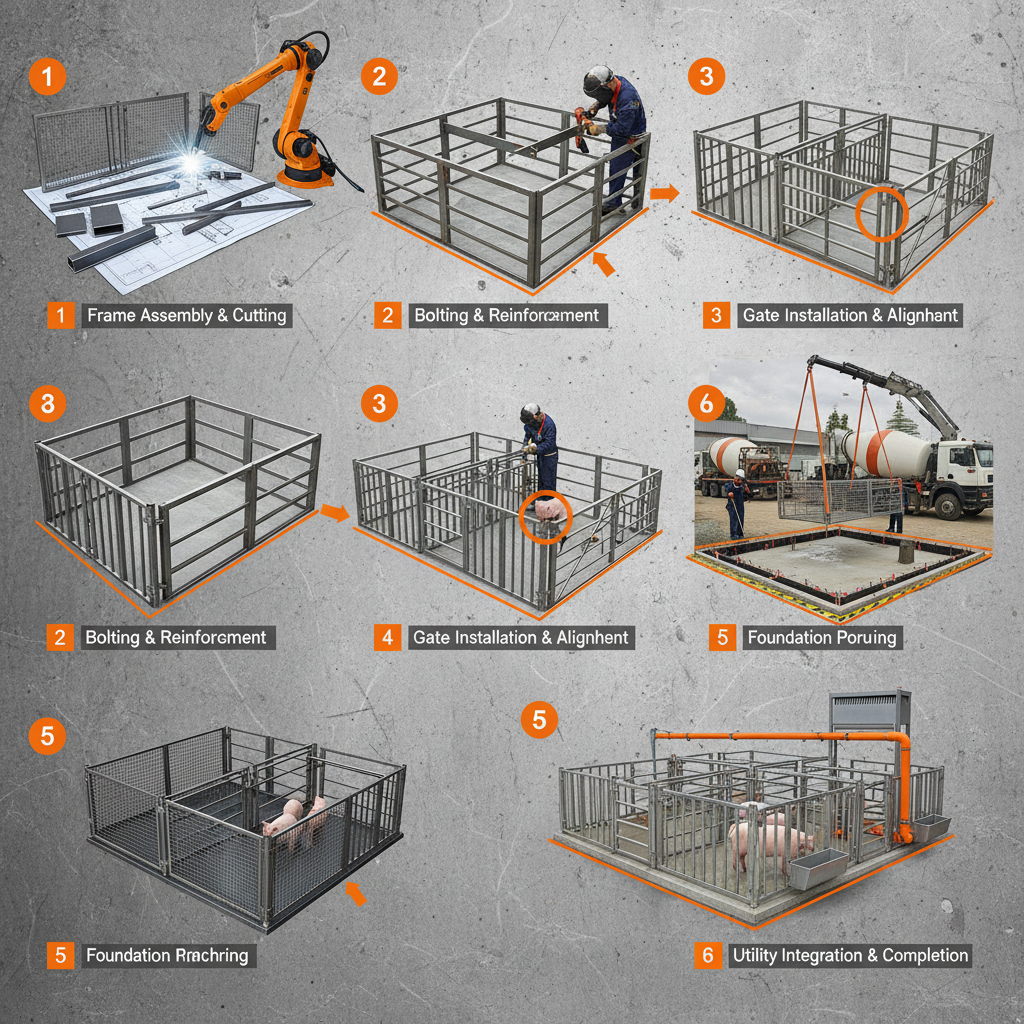
Investing in robust and well-designed pig pens goes beyond simply containing animals. It’s an investment in animal health, welfare, and ultimately, your farm’s profitability. Strong pens minimize the risk of escapes, reducing stress on the animals and preventing potential damage to surrounding areas. Durable construction reduces the need for frequent repairs and replacements, saving you time and money in the long run. Properly designed pens also facilitate efficient cleaning and sanitation, which is crucial for preventing the spread of disease. Furthermore, well-structured pens contribute to better air quality and temperature control, creating a more comfortable environment for the pigs.
Key Benefits: Reduced escapes, minimized stress, lower maintenance costs, improved sanitation, enhanced animal welfare, and better environmental control.
Types of Pig Pen Construction
There are several common types of pig pen construction, each with its own advantages and disadvantages. These include:
- Concrete Pens: Durable, easy to clean, and provide excellent temperature control, but can be expensive and less comfortable for the animals.
- Steel Pens: Strong, relatively lightweight, and customizable, but susceptible to corrosion if not properly maintained.
- Wood Pens: More affordable initially, but require regular maintenance and are less durable than concrete or steel.
- Plastic Pens: Lightweight, easy to install, and resistant to corrosion, but may not be as strong as other materials and can be prone to cracking.
Material Comparison:
• Durability: Concrete > Steel > Plastic > Wood
• Cost: Wood
• Maintenance: Wood > Steel > Concrete > Plastic
Key Considerations When Choosing Pig Pens
Selecting the right pig pens requires careful consideration of several factors. These include the size and weight of your pigs, the number of pigs you need to house, the climate in your area, and your budget. Pens should be spacious enough to allow pigs to move comfortably and exhibit natural behaviors. Proper ventilation is crucial for maintaining good air quality and preventing the buildup of harmful gases. Consider the ease of cleaning and sanitation when choosing a design. Finally, ensure the pens are constructed from materials that are durable, non-toxic, and easy to repair.
Yizemachine: Providing Durable and Customizable Pig Pen Solutions
At Yizemachine, we specialize in providing high-quality, durable, and customizable pig pens to meet the diverse needs of pig farmers. We offer a range of materials, including galvanized steel and robust plastics, designed to withstand the rigors of daily use and provide long-lasting performance. Our pens are engineered for easy cleaning and sanitation, promoting a healthy environment for your livestock. We offer both standard sizes and custom-built solutions to perfectly fit your farm’s layout and requirements.
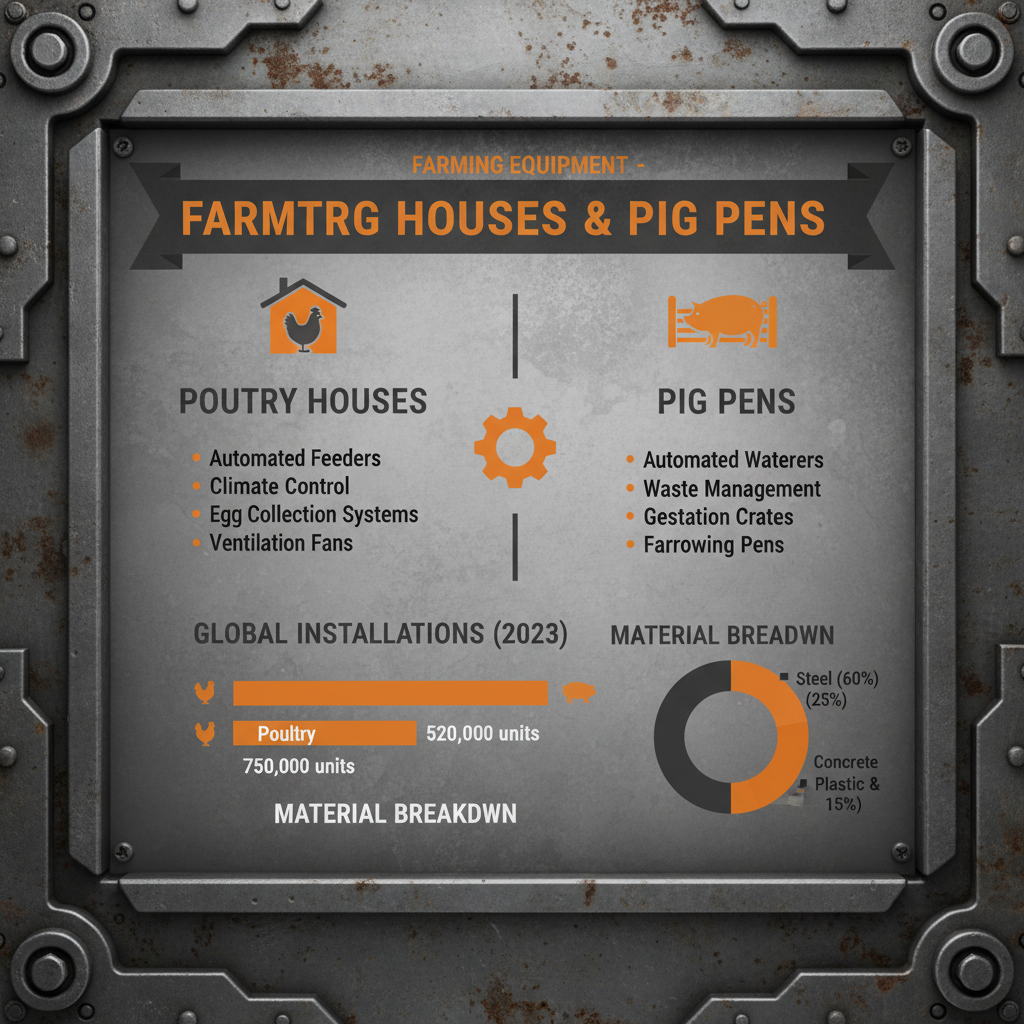
Product Specifications: Yizemachine Standard Pig Pen
Here are the specifications for our standard pig pen:
Conclusion: Investing in Quality Pig Pens for a Sustainable Future
Choosing the right pig pens is a critical decision for any pig farming operation. By prioritizing durability, animal welfare, and ease of maintenance, you can create a more efficient, productive, and sustainable farm. Yizemachine is committed to providing innovative and reliable pig pen solutions to help you succeed.
Frequently Asked Questions (FAQs)
What is the recommended space allowance per pig in a pen?
The recommended space allowance varies depending on the pig's weight and stage of growth. Generally, a minimum of 0.65 to 0.75 square meters per pig is recommended for finishing pigs weighing between 50-80 kg. Larger pigs require more space. Overcrowding can lead to increased stress, aggression, and the spread of disease. It's essential to consult with a veterinarian or animal husbandry expert to determine the optimal space allowance for your specific operation.
How do I clean and disinfect pig pens effectively?
Effective cleaning and disinfection are crucial for preventing the spread of disease. Begin by removing all manure and bedding. Then, wash the pens with a high-pressure water system and a suitable detergent. After rinsing thoroughly, apply a disinfectant approved for use in animal housing. Allow the disinfectant to dry completely before introducing new animals. Regularly scheduled cleaning and disinfection, along with proper ventilation, will help maintain a healthy environment.
What type of flooring is best for pig pens?
The best flooring material depends on your budget and priorities. Concrete is a popular choice due to its durability and ease of cleaning, but it can be hard on pigs' legs. Slatted floors allow manure to fall through, improving hygiene, but require careful management to prevent injuries. Solid plastic flooring offers a comfortable and hygienic option, but can be more expensive. Consider the needs of your pigs and the specific conditions of your farm when making your decision.
-
Professional Mini Poultry Cage for Efficient Small Scale Farming
NewsApr.16,2026
-
Optimizing Poultry Production with Advanced Cage System Poultry
NewsApr.09,2026
-
Optimizing Layer Poultry Cages for Efficient and Profitable Egg Production
NewsApr.07,2026
-
Comprehensive Guide to Poultry Cages for Layers and Modern Farming Solutions
NewsApr.04,2026
-
Comprehensive Guide to Optimizing Poultry Laying Cages for Egg Production
NewsMar.31,2026
-
Maximize Egg Production with Efficient Poultry Layer Cage Systems
NewsMar.28,2026