Integrated Livestock Equipment Solutions for cage house poultry in Nigeria

Boosting agricultural productivity in Nigeria through advanced automated livestock housing and feed processing systems tailored for the West African climate.

Integrated Livestock Equipment Solutions for cage house poultry in Nigeria

We provide high-efficiency, durable, and climate-adaptive livestock equipment to help Nigerian farmers transition from traditional rearing to industrialized production.

The Current State of Livestock Farming in Nigeria

Analyzing the shift toward mechanized farming amidst Nigeria's economic and climatic challenges.

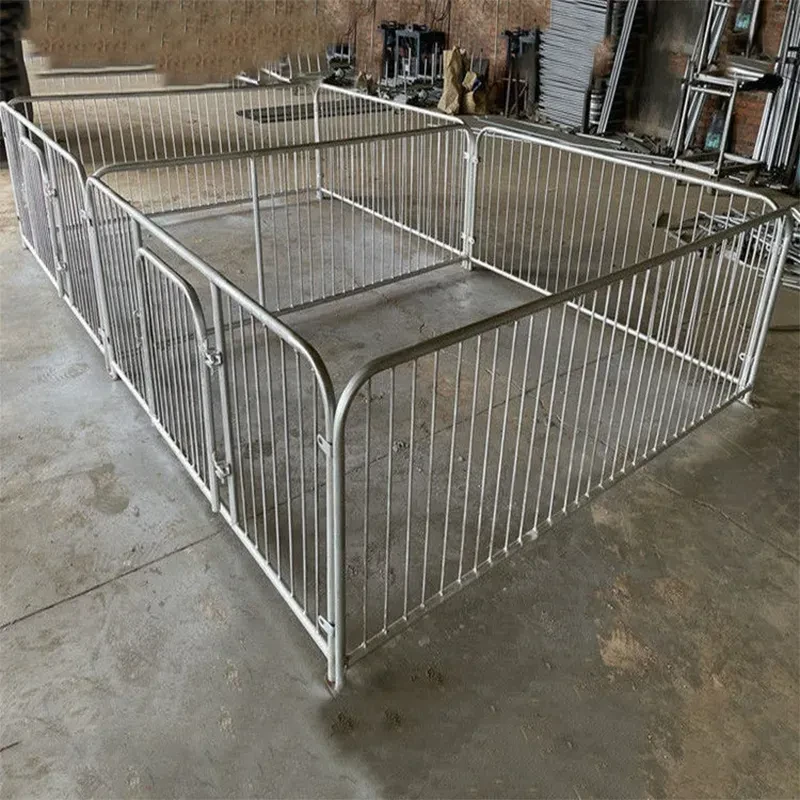
In Nigeria, the livestock sector is currently navigating a transition from backyard subsistence farming to commercial scale operations. However, high humidity and extreme heat in regions like Lagos and Kano often lead to high mortality rates in poultry and pigs, making the demand for a professional farrowing house for pigs critical for protecting piglets during the weaning phase.

The poultry sector faces significant challenges with egg breakage and waste due to poor packaging infrastructure. The introduction of a professional egg tray production line is becoming a strategic priority for local distributors to reduce post-harvest losses and improve the supply chain from farm to market.

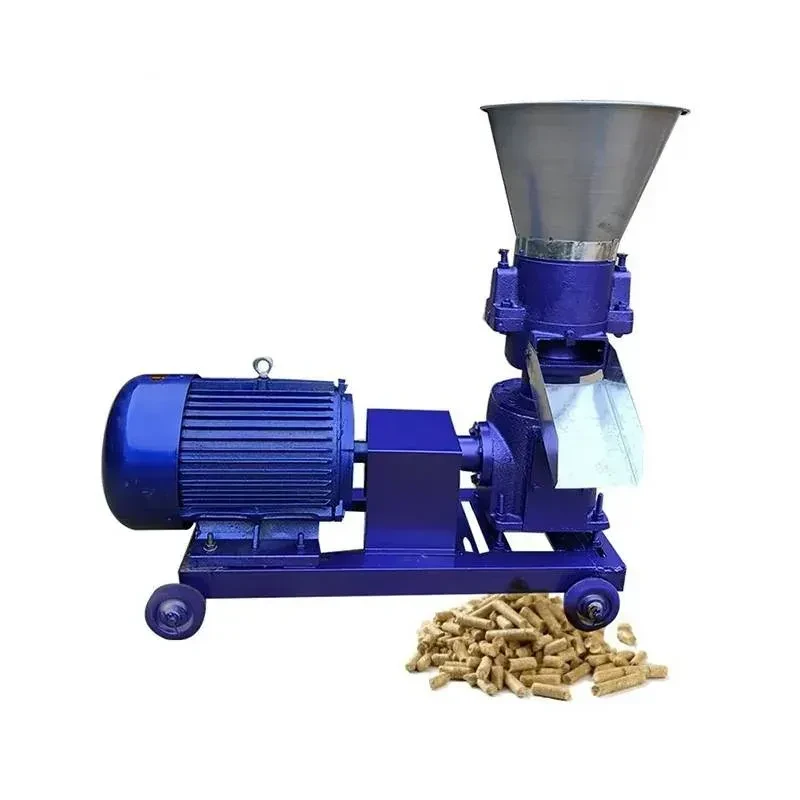
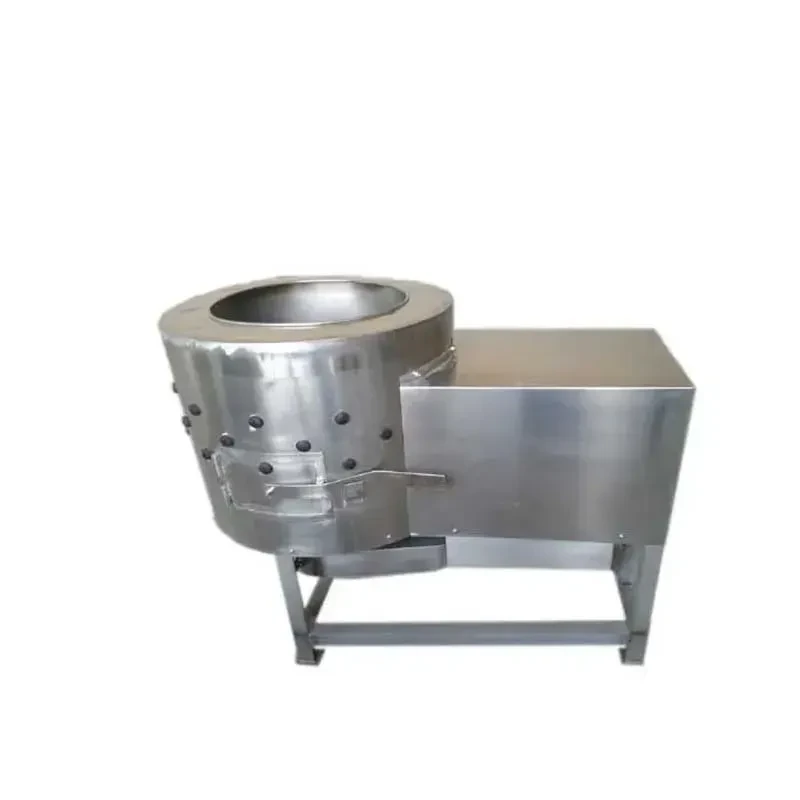
Furthermore, feed costs represent nearly 70% of production expenses for Nigerian farmers. There is a growing reliance on locally sourced biomass, which necessitates the adoption of an efficient animal feed cutter to process agricultural residues into nutritious livestock feed, thereby reducing dependency on expensive imports.
Evolution and Trajectory of Livestock Technology

From traditional wooden pens to automated climate-controlled housing systems.

Market Development History

Prior to 2010, most Nigerian livestock farms relied on traditional ground-rearing methods. Poultry were kept on litter, and rabbits were housed in simple wooden boxes, which led to frequent disease outbreaks and inefficient space utilization.

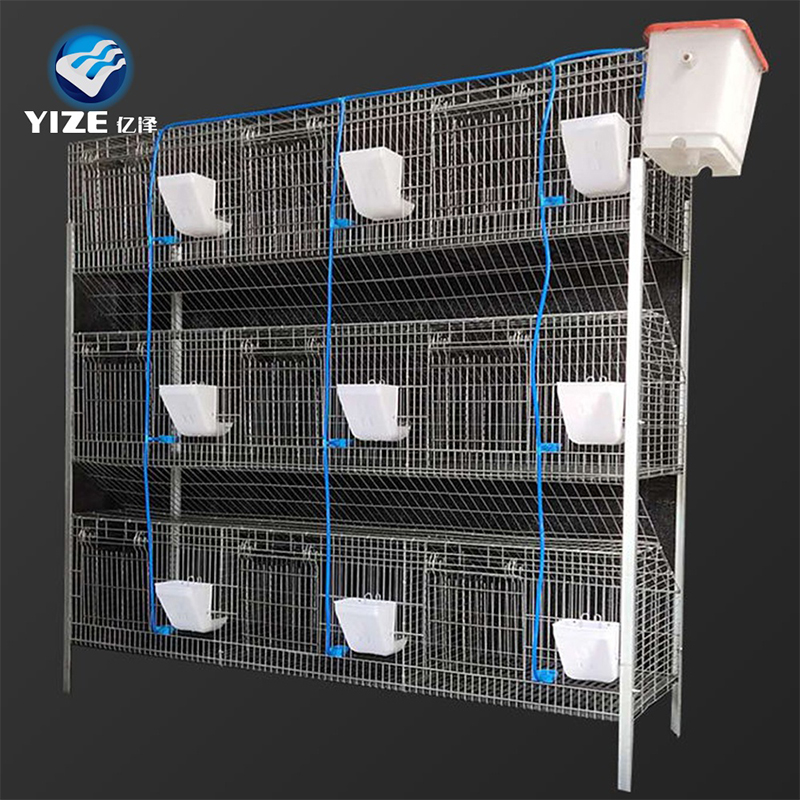
Between 2010 and 2020, the "Semi-Mechanization Era" began. Farmers started importing basic galvanized steel cages. This period saw the rise of the multi level rabbit cage, allowing farmers in urban areas like Abuja to maximize vertical space and improve hygiene.

Since 2021, the market has entered the "Industrial Integration Phase." There is now a focus on complete ecosystem solutions, where housing, feeding, and waste management are integrated into a single automated workflow to meet the growing protein demand of the Nigerian population.

Future Development Trends

IoT-Enabled Environment Control

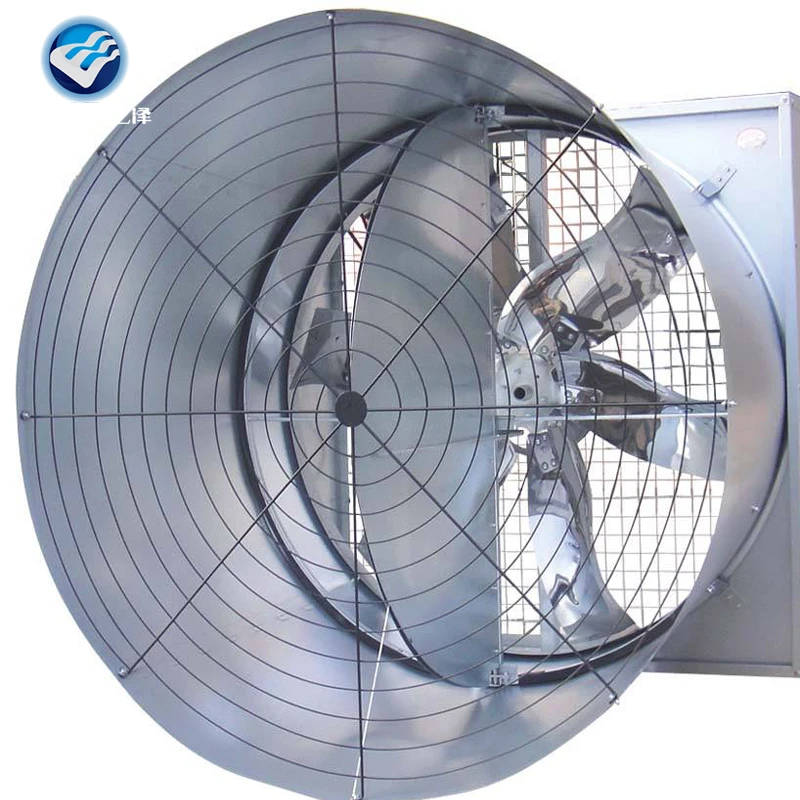
Integration of sensors to monitor temperature and ammonia levels, specifically for poultry houses, to prevent mass mortality during heatwaves.

Circular Economy in Feed Production

Increased adoption of high-capacity feed processing machinery to turn waste into wealth, emphasizing sustainable local sourcing.

Precision Livestock Housing

Transitioning toward modular, prefabricated housing units that can be quickly deployed and scaled based on market demand.

Future Trends and Strategic Outlook

Predicting the technological landscape of Nigerian livestock machinery over the next 5 years.

Automation Scaling
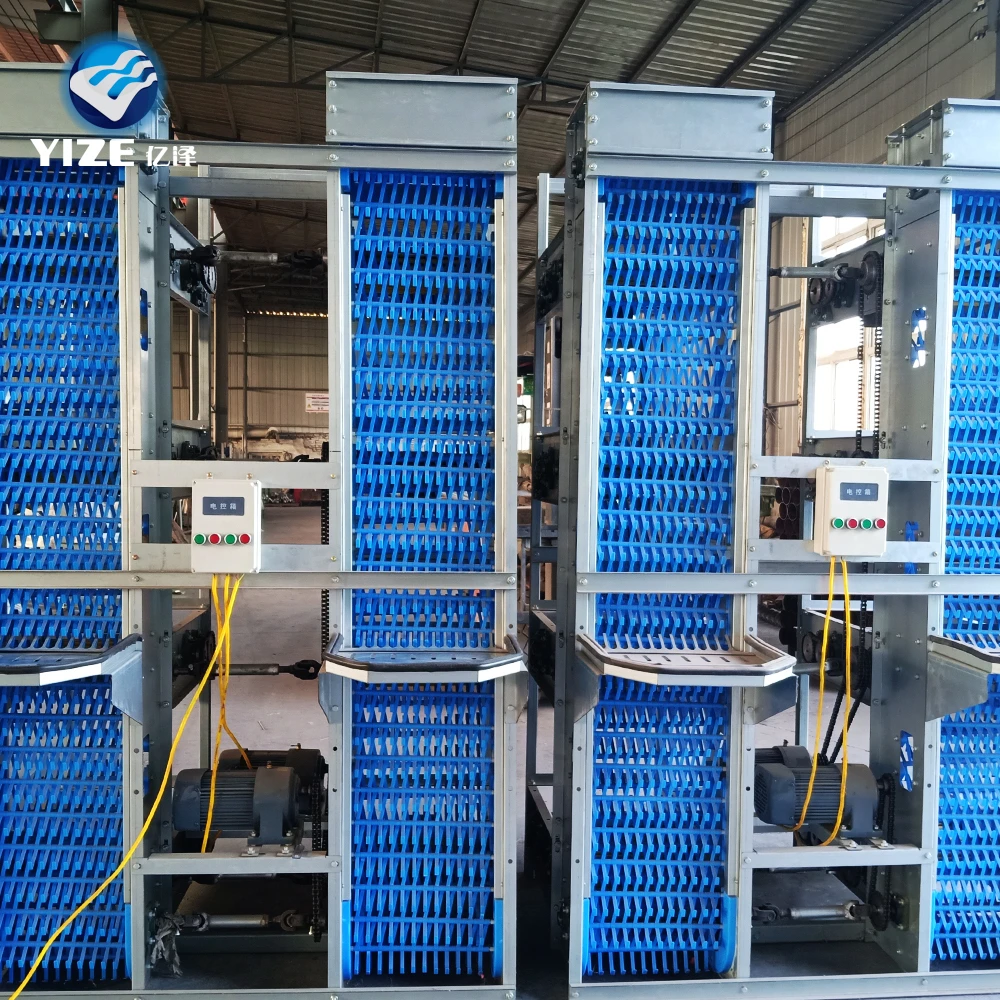
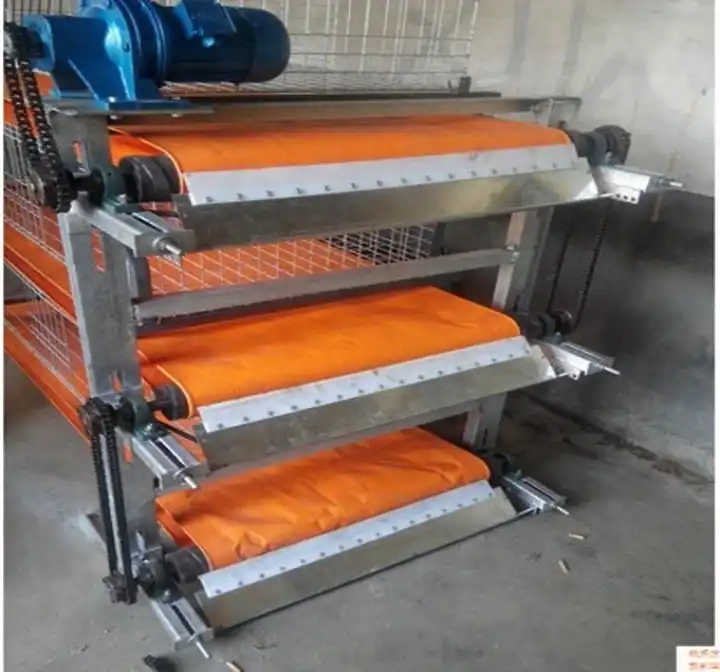
Transitioning from manual feeding to automatic conveyor systems to reduce labor costs and feed wastage.
Waste-to-Value Systems
Integrating pulp-based egg tray lines to recycle paper waste into essential poultry packaging.
Biosecurity Enhancement
Implementing strict cage-based zoning to isolate disease and improve animal health standards.
Sustainable Feeding
Widespread adoption of efficient cutting and grinding tech to leverage local agro-waste.

Industry Outlook

Based on search trend data in the West African region, there is a significant spike in queries for "commercial poultry setup" and "pig farm automation." This indicates a shift toward professional investment over traditional farming.

The future will likely see the consolidation of small-scale farms into cooperatives that share expensive machinery, such as centralized feed cutters and egg tray lines, to achieve economies of scale.

Localized Application Scenarios in Nigeria

Practical implementations of our equipment across diverse Nigerian farming environments.

01. Commercial Poultry Farms in Ogun State

Implementation of large-scale cage house poultry systems to maximize bird density while maintaining ventilation in the humid southern climate.

02. Urban Rabbitry in Lagos Metropolis

Utilizing multi level rabbit cage systems for rooftop or backyard farming, providing a sustainable protein source in high-density urban areas.

03. Intensive Pig Breeding in Plateau State

Deployment of specialized farrowing house for pigs to protect neonates from temperature fluctuations in the highland regions.

04. Feed Mill Cooperatives in Kano

Setting up community-based hubs equipped with an animal feed cutter to process corn stalks and peanut shells into usable fodder.

05. Egg Distribution Centers in Ibadan

Installing a dedicated egg tray production line to provide biodegradable packaging for the region's massive egg export market.

Brand Story

Global Development Journey of Anping Yize Metal Products Co., Ltd.

Foundation and Vision

Established with a commitment to livestock welfare, we focused on replacing unstable wooden structures with precision-engineered galvanized steel.

Technical Breakthroughs

We developed anti-corrosion coatings specifically for high-humidity environments, ensuring our cages last 3x longer in tropical climates.

Global Expansion

Expanding beyond Asia, we tailored our product lines for the African market, focusing on durability and ease of assembly.

Customer-Centric Innovation

By listening to Nigerian farmers, we optimized our feed cutters and farrowing crates to be more energy-efficient and easier to maintain.

Sustainable Future

Our mission is now to lead the "Green Livestock" movement by promoting recyclable materials and energy-saving production lines.

Nigerian Livestock Farming FAQ

Expert answers to common technical and operational questions from the field.

How to choose the right cage house poultry system for Nigeria's climate?

For the Nigerian climate, we recommend open-sided houses with high-grade galvanized cages and automated nipple drinkers to ensure maximum ventilation and hygiene.

What is the lifespan of a multi level rabbit cage in humid regions?

Our cages are treated with specialized anti-rust galvanization, typically lasting 10-15 years even in humid coastal areas like Lagos.

Can an animal feed cutter process local cassava peels and corn stalks?

Yes, our heavy-duty cutters are designed specifically to handle various agricultural residues common in Nigeria, turning them into a consistent mash for livestock.

How does a farrowing house for pigs improve piglet survival rates?

It prevents crushing by the sow and provides a controlled thermal environment, which is critical for neonatal piglet survival in fluctuating temperatures.

Is the egg tray production line suitable for small-scale entrepreneurs?

We offer modular lines that can be scaled from semi-automatic to fully automatic, making it accessible for both startups and large industrial plants.

What maintenance is required for automated cage systems?

Regular cleaning of the nipple drinkers and lubricating moving parts of the feeding system every 6 months is sufficient to ensure peak performance.

Get Your Custom Livestock Solution Today

Our engineers are ready to design a high-yield farming system tailored for your specific location in Nigeria.

Contact Us Now

If you are interested in our products, you can choose to leave your information here, and we will be in touch with you shortly.