
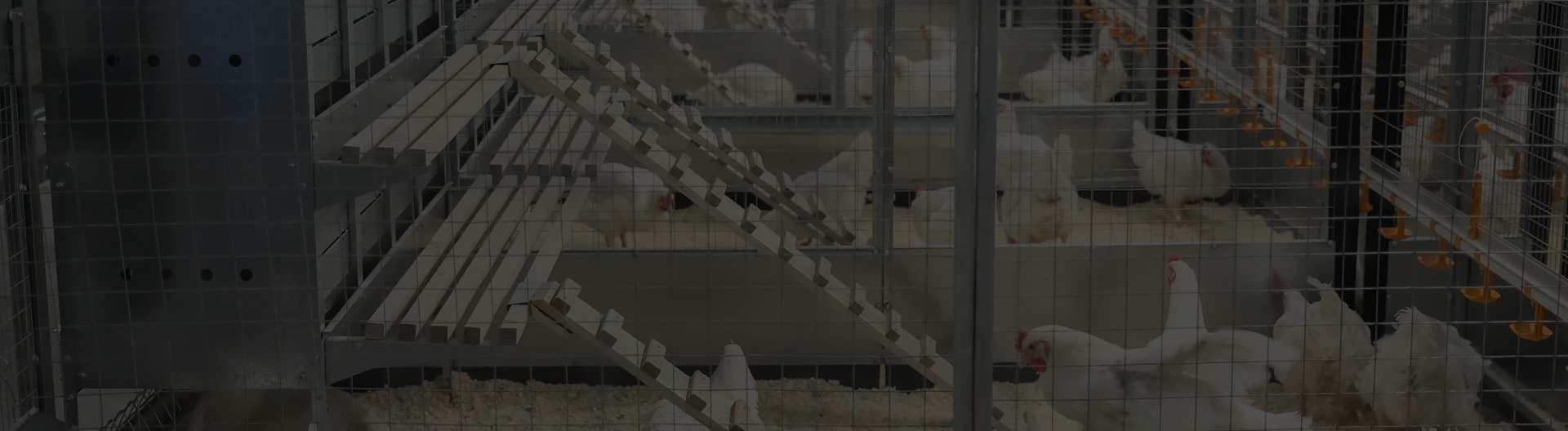
Automatic Broiler Cage Solutions — Boost Poultry Productivity & Sustainability
Nov . 30, 2025 22:35 Back to list
Automatic Broiler Cage Solutions — Boost Poultry Productivity & Sustainability
Understanding the Automatic Broiler Cage: Why It Matters Worldwide
If you’re not already familiar, the automatic broiler cage is one of those unsung heroes in modern poultry farming. Globally, the demand for efficient, sustainable meat production is skyrocketing — and these cages play a vital role. They streamline the raising of broilers (young chickens raised specifically for meat) by automating feeding, watering, and waste management. That means farmers worldwide can boost productivity while reducing labor costs and environmental impact.
In real terms, understanding the ins and outs of automatic broiler cages actually connects to bigger issues like food security, animal welfare, and even climate resilience. If you’ve ever wondered how industrial-scale poultry farming works without everything turning into chaos, this piece is for you.
Global Context: Why Automatic Broiler Cages Are More Relevant Than Ever
Worldwide poultry production accounts for a significant portion of global meat supply — the Food and Agriculture Organization (FAO) estimates nearly 130 million tons of poultry meat produced annually. With the human population projected to reach 9.8 billion by 2050, pressure mounts on producers to raise more broilers more efficiently.
But here’s the catch: traditional poultry farming can’t meet the rising demand without massive labor inputs and environmental downsides. This is where the automatic broiler cage comes in. It addresses those challenges by enabling scalable, mechanized, and healthier poultry rearing. As climate change disrupts conventional farming patterns, automation also provides resilience and consistency in output.
However, challenges like initial investment cost and technical maintenance still lurk in many developing regions. This becomes a tipping point, especially in countries striving for self-sufficiency but lacking infrastructure support.
What Exactly Is an Automatic Broiler Cage?
Simply put, an automatic broiler cage is a specialized housing system designed for commercial broiler production. It integrates automated systems for feeding, drinking, temperature control, ventilation, and waste removal all within a structured cage environment.
This system contrasts with older free-range or floor-based methods by offering better space management, reducing disease spread, and optimizing feed conversion ratios. Such cages often include conveyors or collection trays for manure, so the labor of cleaning is minimized.
In the broader industry context, these cages tie into ongoing modernization and digitization trends in agriculture — often branded as “smart farming.” Plus, there’s a humanitarian angle: by improving production efficiency, communities can secure affordable protein sources, crucial for nutrition, especially in lower-income regions.
Core Components of an Automatic Broiler Cage
1. Durable Cage Frame
Usually constructed of galvanized steel or stainless steel, the framework must withstand constant weight, humidity, and cleaning without corrosion. Good durability lowers replacement frequency and overall downtime.
2. Automated Feeding System
Feeders are linked to conveyors or hoppers, feeding a precise amount of feed regularly. This reduces waste and ensures constant nutrition, supporting optimal growth rates.
3. Drinking Equipment
Nipple drinkers or cup drinkers are automatically refilled or connected to water lines, minimizing spillage and contamination risks.
4. Waste Management
Often includes manure belts or trays that collect droppings and transport them out of cages for disposal or composting — key to hygiene and disease control.
5. Environmental Control
Some systems include temperature and humidity sensors as well as ventilation controls, creating optimal conditions for broiler health and growth.
Mini takeaway:
The real magic is how these parts integrate, reducing human labor while maximizing output — a win for producers and animals alike.
Global Applications & Use Cases of Automatic Broiler Cages
You’ll find automatic broiler cages most commonly in commercial poultry farms across Asia, Europe, and the Americas. China alone accounts for nearly 40% of global poultry meat production, where mechanized cages helped scale up feeding large populations.
In developing nations, NGOs sometimes introduce modified versions during food security programs, providing communities with affordable, manageable rearing systems. Interestingly, in remote industrial zones — like mining camps or oil fields — these cages provide fresh protein with minimal infrastructure.
Also, regional clusters of innovative poultry farming in the Netherlands and Brazil incorporate automatic broiler cages into vertically integrated supply chains, improving traceability and ethical standards.
Advantages and Long-Term Value of This Technology
Besides the obvious efficiency gains — reduced feed waste, labor hours, and faster turnover — automatic broiler cages contribute to sustainability. Less feed wastage means lower environmental footprint, and controlled environments reduce antibiotic dependency through better hygiene.
Emotionally speaking, automated systems also improve animal well-being by consistent feeding and cleaner living conditions, which is increasingly demanded by consumers worldwide. Producers gain trust and better market positioning.
Cost-wise, while initial setup might be steep, many farms report ROI within 2–3 years thanks to labor savings and improved meat yields. It’s kind of like investing in a reliable tractor — a big lift that pays off steadily.
Product Specifications at a Glance
| Feature | Typical Value | Notes |
|---|---|---|
| Cage Material | Galvanized Steel | Corrosion resistant for longevity |
| Cage Dimensions | 120 cm x 60 cm x 40 cm | Fits 3–5 broilers comfortably |
| Feeding System | Automated conveyor feeder | Even distribution, minimal waste |
| Drinking System | Nipple drinkers | Hygienic, minimizes spills |
| Waste Collection | Manure belt conveyor | Easy to clean, reduces disease |
| Power Requirement | 220V AC / Solar compatible | Adaptable to grid or off-grid |
Vendor Comparison: Which Automatic Broiler Cage Fits Your Needs?
| Vendor | Key Strength | Price Range (USD) | Customer Support | Customization Options |
|---|---|---|---|---|
| Yize Machine Co. | Reliable automation & aftersales | $1500–$3500 per unit | 24/7 multilingual support | Custom sizes & solar integration |
| BroilerTech Inc. | Advanced digital monitoring | $2000–$4000 | Business hours only | Limited; mainly standard models |
| AgriPoultry Solutions | Cost-effective, entry-level cages | $1000–$2500 | Limited support options | No customization available |
Future Trends and Innovations in Automatic Broiler Cages
It’s interesting to see how automatic broiler cages are evolving. Many manufacturers are incorporating IoT devices — think temperature, ammonia level sensors linked with apps for remote monitoring.
Green energy integration is gaining traction: solar-powered feeders and water systems reduce dependence on unstable grids, especially vital for remote farms.
Bio-based materials and modular designs are also stepping in — imagine cages that are easier to disassemble and recycle at end-of-life. Plus, tighter regulations on animal welfare push cage designs toward more humane standards without sacrificing efficiency.
Challenges in Deployment and How to Overcome Them
Frankly, many small-scale farmers hesitate due to the upfront capital and learning curve. Technical glitches in automated parts can also disrupt operations if maintenance channels aren’t available.
The solution? Vendors emphasize aftersales service and training, some even offering leasing models to minimize initial costs. Community cooperatives pooling resources are another practical workaround.
FAQ: Frequently Asked Questions About Automatic Broiler Cages
Q1: How much space does an automatic broiler cage require per bird?
Typically, each broiler cage allows about 0.05 to 0.07 square meters per bird, ensuring enough room for movement while optimizing space. This configuration balances animal welfare with farm productivity.
Q2: Can automatic broiler cages be used in off-grid or remote areas?
Yes. Many cages now come with solar-compatible feeding and drinking systems. With modular construction and minimal power needs, they’re ideal for farms without reliable electricity.
Q3: How often do the automated feeding systems need maintenance?
Routine maintenance is usually monthly, including checking conveyor belts, feed hoppers, and water lines. Regular upkeep prevents costly downtime and ensures smooth operation.
Q4: Are these cages humane and compliant with welfare standards?
Newer designs incorporate better ventilation, lighting, and space allowances to meet international welfare guidelines such as those by the World Organisation for Animal Health (OIE). It’s always best to verify specs with your vendor.
Q5: What factors affect the cost of an automatic broiler cage system?
Key factors include cage size, material quality, automation level, power source options, and vendor services like installation and support. Customizable options tend to add to the initial investment but pay off in efficiency.
Bringing It All Together
Automatic broiler cages are more than just fancy chicken coops — they’re a critical piece in the puzzle of feeding an expanding global population sustainably and humanely. They reduce waste, sharpen operations, and improve animal welfare simultaneously. While challenges remain, the growing adoption across diverse contexts shows their relevance and potential.
If you’re considering stepping up your poultry game, exploring automatic broiler cage suppliers like Yize Machine could open doors to smarter farming solutions tailored to your needs. After all, efficiency and compassion can go hand in hand — it’s just a matter of clicking the right links and starting the journey.
References & Further Reading
-
Comprehensive Guide to Plastic Vacuum Packaging Machines: Benefits, Uses & Trends
NewsDec.03,2025
-
Comprehensive Guide to Sausage Vacuum Packaging Machines: Benefits, Uses, and Future Trends
NewsDec.03,2025
-
Vacuum Plastic Packaging Machine - Global Applications, Benefits & Future Trends
NewsDec.03,2025
-
Comprehensive Guide to Sheep Feed Pellet Machine – Benefits, Uses & Future Trends
NewsDec.02,2025
-
Horse Feed Pellet Machine: Essential Guide to Features, Benefits, and Global Applications
NewsDec.02,2025
-
Small Pellet Feed Making Machine: Benefits, Uses & Future Trends | Yize Machine
NewsDec.02,2025





 Afrikaans
 Albanian
 Amharic
 Arabic
 Armenian
 Azerbaijani
 Basque
 Belarusian
 Bengali
 Bosnian
 Bulgarian
 Catalan
 Cebuano
 Corsican
 Croatian
 Czech
Czech
 Danish
 Dutch
Dutch
 Esperanto
 Estonian
 Finnish
 French
 Frisian
 Galician
 Georgian
 German
 Greek
Greek
 Gujarati
 Haitian Creole
 Hausa
Hausa
 Hawaiian
 Hebrew
 Hindi
Hindi
 Miao
Miao
 Hungarian
 Icelandic
 Igbo
Igbo
 Indonesian
 Irish
Irish
 Italian
 Japanese
 Javanese
 Kannada
 Kazakh
 Khmer
Khmer
 Rwandese
 Korean
 Kurdish
 Kyrgyz
 Lao
Lao
 Latin
Latin
 Latvian
 Lithuanian
 Luxembourgish
 Macedonian
 Malgashi
 Malay
Malay
 Malayalam
 Maltese
 Maori
Maori
 Marathi
 Mongolian
 Myanmar
 Nepali
 Norwegian
 Norwegian
 Occitan
 Pashto
 Persian
 Polish
 Portuguese
 Punjabi
 Romanian
 Russian
 Samoan
 Scottish Gaelic
 Serbian
 Sesotho
 Shona
Shona
 Sindhi
 Sinhala
 Slovak
 Slovenian
 Somali
 Spanish
 Sundanese
 Swahili
 Swedish
 Tagalog
 Tajik
Tajik
 Tamil
Tamil
 Tatar
Tatar
 Telugu
 Thai
Thai
 Turkish
 Turkmen
 Ukrainian
 Urdu
Urdu
 Uighur
 Uzbek
Uzbek
 Vietnamese
 Welsh
Welsh
 Bantu
Bantu
 Yiddish
 Yoruba
 English