
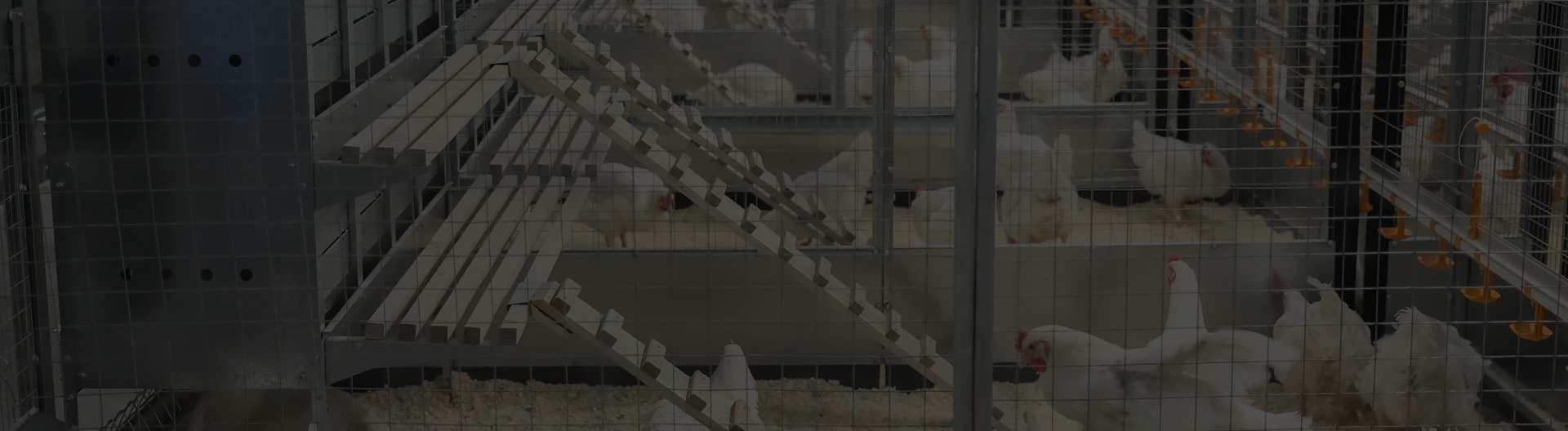
Essential Guide to Brooder Cage for Chicks: Design, Use, and Global Impact
Nov . 25, 2025 14:00 Back to list
Essential Guide to Brooder Cage for Chicks: Design, Use, and Global Impact
Why a Brooder Cage for Chicks Matters More Than You Think
At first glance, a brooder cage for chicks might seem like a simple poultry accessory — a pen where baby chicks stay warm and safe. But dig a little deeper, and you realize these humble cages play a vital role in global poultry farming, food security, and even humanitarian relief efforts. Every year, billions of chicks hatch worldwide, and how they’re cared for in their first few weeks can make or break farm productivity, animal welfare, and economic stability for small-scale farmers and large producers alike.
Understanding the nuances of this seemingly niche equipment gives you insight into how technology, design, and sustainability come together in farming ecosystems that feed millions. And frankly, in a world facing climate and supply chain challenges, even small improvements in chick rearing can ripple out big results.
Setting the Stage: The Global Context of Brooder Cages
Worldwide, the poultry industry is massive—it accounts for over 40% of total meat production globally according to the Food and Agriculture Organization (FAO)1. Brooding practices are critical in the first 2 to 3 weeks of a chick’s life when they’re most vulnerable to cold stress and disease. But challenges abound, especially in low-resource regions where infrastructure can be minimal.
According to UN reports, improving smallholder farming efficiency is a key driver in meeting food demand sustainably by 20502. The brooder cage for chicks comes in as an affordable, scalable solution that addresses mortality rates, energy use, and hygiene—areas that have historically been tough to optimize globally.
Still, not all brooder cages are created equal. Variations in material quality, thermal insulation, ventilation, and size dramatically impact their effectiveness. Many farmers have faced losses due to inconsistent designs or lack of modular setups that adapt as chicks grow.
Defining the Brooder Cage: What Exactly Is It?
Put simply, a brooder cage for chicks is a specially designed enclosure that provides a warm, safe, and hygienic environment for young poultry during their brooding period. It often incorporates heating systems (electric or fuel-based), proper ventilation to avoid dampness, and secure fencing to protect against predators.
The design has evolved beyond just a “box with heat.” Modern brooder cages consider ergonomics for handling, ease of cleaning, and adaptability to different flock sizes. They’re integral to commercial hatcheries, rural farms, and increasingly to humanitarian projects where displaced communities raise poultry for survival.
So, the brooder cage is both a practical farming tool and a humanitarian asset.
Core Components of a High-Quality Brooder Cage for Chicks
Durability
Chicks are delicate but energetic. The cage must endure scratching, pecking, and frequent cleaning cycles. Materials like galvanized steel or BPA-free plastics combine sturdiness with ease of sanitation.
Thermal Efficiency
Maintaining optimal temperature (usually ~95°F or 35°C initially, decreasing weekly) saves energy while keeping chicks warm. Insulation panels and adjustable heat sources make a big difference here.
Ventilation
Proper air flow prevents respiratory diseases caused by ammonia build-up but needs to be balanced so the enclosure doesn't get drafty.
Size & Scalability
Chick density affects stress and growth rate. Cages with expandable designs allow farmers to add space as chicks grow, avoiding overcrowding.
Cleanability
Removable trays and smooth surfaces reduce bacterial contamination and disease transmission.
Cost Efficiency
For many smallholders, upfront cost matters as much as longevity. Finding cages that balance affordability and quality is key to adoption.
Practical Applications Across the Globe
Brooder cages are everywhere, but their roles differ widely.
- Sub-Saharan Africa: Smallholder farmers rely on robust, low-tech brooder cages to increase chick survival rates and improve income.
- Southeast Asia: Commercial hatcheries use automated cages with integrated sensors to monitor environmental conditions remotely.
- Post-disaster zones: NGOs distribute easy-assembly brooder cages along with chick batches to help displaced families restart poultry farming fast.
- Urban rooftop farms: Compact, modular cages maximize vertical space and are designed for quick cleaning due to density.
This versatility is why organizations like the UN’s Food and Agriculture Organization have promoted improved brooder cages as part of sustainable agriculture programs1.
Specification Table of a Typical Brooder Cage for Chicks
| Specification | Details |
|---|---|
| Material | Galvanized Steel Frame; Polypropylene Panels |
| Dimensions | 1.2m L x 0.8m W x 0.6m H (expandable) |
| Heating | Adjustable Infrared Electric Heater |
| Ventilation | Adjustable Air Vents with Screens |
| Capacity | Up to 50 Day-Old Chicks |
| Special Features | Removable Waste Tray, Modular Expansion Kits |
Popular Vendors Compared: What to Expect
| Vendor | Price Range | Material Quality | Customization | Suitable For |
|---|---|---|---|---|
| FarmCo Solutions | $150 - $300 | High-grade Steel & Plastic | Modular expansions available | Commercial farms |
| Rural GrowTech | $80 - $140 | Durable Plastic Frame | Basic size options | Smallholder farms |
| UrbanNest Systems | $200 - $350 | Eco-friendly Bamboo Composite | Custom sizes & colors | Urban micro-farms |
Advantages & Long-Term Value of Using Quality Brooder Cages
Low chick mortality means more market-ready birds—a simple economic win. But beyond just the money, quality cages improve animal welfare, reduce disease outbreaks, and lower energy consumption. There's a psychological comfort too: farmers often say that having reliable brooder cages brings them peace of mind, knowing their young chicks are safe, warm, and growing strong.
On a bigger scale, better brooding means improved protein availability globally, contributing to food security. Sustainable designs reduce waste and rely on renewable materials, aligning with international sustainability goals focused on responsible consumption (UN SDG 12).
Looking Ahead: Trends and Innovations in Brooder Cages
- Smart Monitoring: Integration with IoT sensors to track temperature, humidity, and chick activity remotely.
- Green Energy: Solar-powered heating elements reduce reliance on fossil fuels, crucial in off-grid farming.
- Modular & Portable Designs: For rapid deployment in emergency or temporary farming setups.
- Eco-Materials: Using biodegradable composites that balance durability and environmental impact.
It's an evolving field — almost every component of the humble brooder cage is getting a rethink.
Challenges and Smart Solutions
Of course, it’s not a perfect story. Many farmers face hurdles like upfront costs, maintenance knowledge gaps, and local climate extremes that make uniform designs tricky. Overheating or poor ventilation can be fatal mistakes. Plus, transporting bulky cages to remote areas is not always feasible.
Innovative solutions include collapsible, lightweight kits and training programs that teach best brooding practices. Some vendors now offer leasing models, making advanced brooder cages accessible to small farmers.
FAQs: What You Need to Know About Brooder Cage for Chicks
Q1: How long should chicks stay in a brooder cage?
A1: Typically, chicks remain in a brooder cage for 4 to 6 weeks until they develop feathers and can handle outdoor temperatures. This period ensures they grow strong and healthy before moving to the coop or open run.
Q2: Can brooder cages be used for other poultry species?
A2: Yes, many brooder cages are versatile enough for quails, ducks, and other small poultry, but heating and space requirements may differ.
Q3: What’s the best heating option for off-grid farms?
A3: Solar-powered infrared heaters combined with insulated cages are increasingly popular in rural areas without electricity, offering a sustainable and effective warming method.
Q4: How often should brooder cages be cleaned?
A4: Daily spot cleaning and full sanitation at least once a week help reduce disease risk. Designs with removable trays make this process easier.
Q5: Are there regulations governing brooder cage standards?
A5: While not always formally regulated, many poultry associations recommend cage dimensions and climate controls based on animal welfare standards, including guidelines from the International Organization for Standardization (ISO) and animal welfare bodies.
Wrapping Up: Why Invest in Good Brooder Cages for Your Chicks?
In real terms, investing in a quality brooder cage for chicks is investing in the future prosperity of your poultry operation — whether it’s a small family farm or large-scale hatchery. Beyond economics, it’s about nurturing life, advancing sustainable agriculture, and building resilient communities. As farming continues to modernize, these cages will evolve but never lose their foundational role.
If you want to explore a range of durable, efficient brooder cages that blend innovation and practicality, visit our website: https://www.yizemachine.com — your next step to healthier chicks and better yields.
-
Comprehensive Guide to Plastic Vacuum Packaging Machines: Benefits, Uses & Trends
NewsDec.03,2025
-
Comprehensive Guide to Sausage Vacuum Packaging Machines: Benefits, Uses, and Future Trends
NewsDec.03,2025
-
Vacuum Plastic Packaging Machine - Global Applications, Benefits & Future Trends
NewsDec.03,2025
-
Comprehensive Guide to Sheep Feed Pellet Machine – Benefits, Uses & Future Trends
NewsDec.02,2025
-
Horse Feed Pellet Machine: Essential Guide to Features, Benefits, and Global Applications
NewsDec.02,2025
-
Small Pellet Feed Making Machine: Benefits, Uses & Future Trends | Yize Machine
NewsDec.02,2025





 Afrikaans
 Albanian
 Amharic
 Arabic
 Armenian
 Azerbaijani
 Basque
 Belarusian
 Bengali
 Bosnian
 Bulgarian
 Catalan
 Cebuano
 Corsican
 Croatian
 Czech
Czech
 Danish
 Dutch
Dutch
 Esperanto
 Estonian
 Finnish
 French
 Frisian
 Galician
 Georgian
 German
 Greek
Greek
 Gujarati
 Haitian Creole
 Hausa
Hausa
 Hawaiian
 Hebrew
 Hindi
Hindi
 Miao
Miao
 Hungarian
 Icelandic
 Igbo
Igbo
 Indonesian
 Irish
Irish
 Italian
 Japanese
 Javanese
 Kannada
 Kazakh
 Khmer
Khmer
 Rwandese
 Korean
 Kurdish
 Kyrgyz
 Lao
Lao
 Latin
Latin
 Latvian
 Lithuanian
 Luxembourgish
 Macedonian
 Malgashi
 Malay
Malay
 Malayalam
 Maltese
 Maori
Maori
 Marathi
 Mongolian
 Myanmar
 Nepali
 Norwegian
 Norwegian
 Occitan
 Pashto
 Persian
 Polish
 Portuguese
 Punjabi
 Romanian
 Russian
 Samoan
 Scottish Gaelic
 Serbian
 Sesotho
 Shona
Shona
 Sindhi
 Sinhala
 Slovak
 Slovenian
 Somali
 Spanish
 Sundanese
 Swahili
 Swedish
 Tagalog
 Tajik
Tajik
 Tamil
Tamil
 Tatar
Tatar
 Telugu
 Thai
Thai
 Turkish
 Turkmen
 Ukrainian
 Urdu
Urdu
 Uighur
 Uzbek
Uzbek
 Vietnamese
 Welsh
Welsh
 Bantu
Bantu
 Yiddish
 Yoruba
 English