
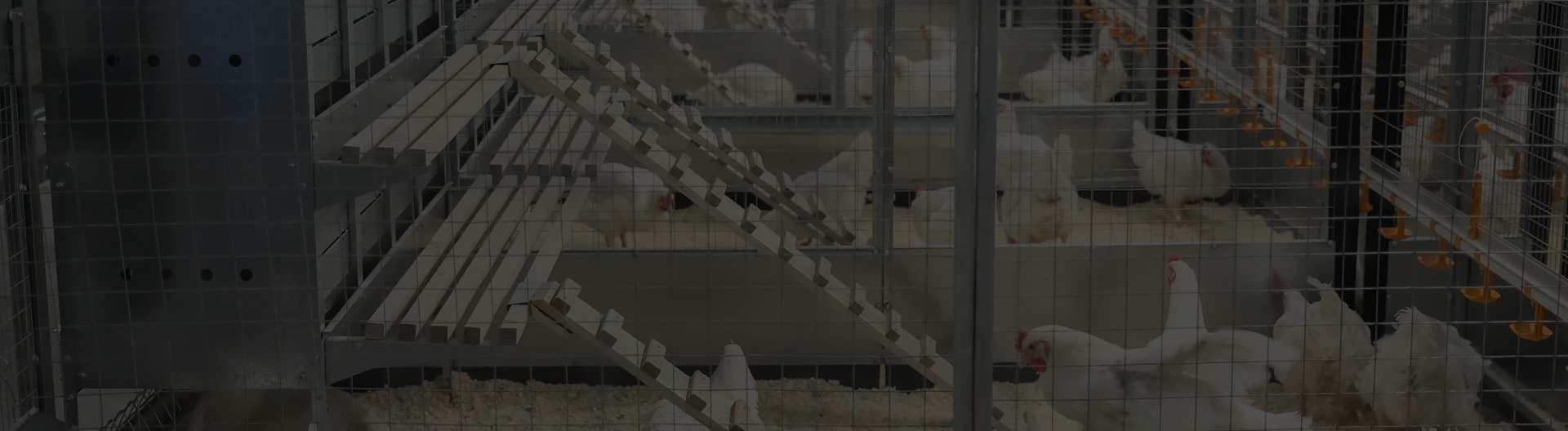
Buy Baby Chick Cages for Sale – Durable, Efficient & Affordable Poultry Solutions
Nov . 25, 2025 23:00 Back to list
Buy Baby Chick Cages for Sale – Durable, Efficient & Affordable Poultry Solutions
What Are Baby Chick Cages and Why They Matter Globally
If you’re not deep in poultry farming or hatchery operations, you might wonder — why the fuss about baby chick cages for sale? Well, it’s more significant than it sounds. These specialized cages are designed to keep fragile chicks safe, warm, and healthy during their earliest and most vulnerable days. As global poultry demand soars — topping 130 million metric tons in 2022 alone according to the FAO — managing chicks’ welfare has never been more critical.
In practical terms, these cages help reduce mortality rates, improve growth outcomes, and streamline the supply chain from hatchery to farm — especially in developing nations where small-scale producers rely on affordable, reliable equipment. In a nutshell: understanding and investing in the right baby chick cages means healthier flocks, safer food systems, and more sustainable poultry farming worldwide.
Mini takeaway: Baby chick cages are a quiet but essential piece of the global food puzzle — making sure those fluffy bundles get a fair shot at life.
Why Baby Chick Cages for Sale Have Become a Global Industry Staple
Globally, the poultry industry is expanding at a breakneck pace, driven by changing diets, urbanization, and economic growth. The World Bank shows that poultry meat production has doubled in the last two decades — and with this, the need to minimize chick loss is front and center. Infant poultry mortality rates of up to 20% in some regions translate not only into wasted resources but missed income for smallholders.
Here’s the rub: environments vary wildly. From humid tropics to arid interiors, the cages must adapt—ventilation, materials, portability all become crucial. Meanwhile, the push for hygiene and biosecurity against avian diseases adds layers of complexity.
Baby chick cages for sale have become an indispensable tool to combat these challenges, offering a blend of mobility, affordability, and chick-friendly design that appeals to farmers, distributors, and aid agencies alike.
Mini takeaway: In a world hungry for protein and sustainability, these cages aren’t luxury items — they're frontline tools against poultry loss and food insecurity.
Defining Baby Chick Cages: More Than Just Boxes
Put simply, baby chick cages for sale are enclosures crafted specifically for young chicks, typically within the first 4 weeks after hatching when they need protection and warmth the most. They’re not your regular chicken coop — the design focuses on safety features like proper airflow, easy cleaning, and enough mobility so chicks don’t overheat or get crushed.
On an industry level, these cages sit at the intersection of technology and animal welfare. They’re often modular, stackable, and designed to integrate with automated feeding and watering systems for scale operations. Humanitarian projects, like agricultural development programs or disaster relief supplies, also rely on such cages to support emerging farmers and rebuild poultry flocks quickly.
Mini takeaway: Baby chick cages bridge the gap between protecting fragile life and enabling efficient poultry production in diverse situations.
Core Components That Make Baby Chick Cages Effective
1. Durability and Material Choices
Many cages are made of galvanized steel or heavy-duty plastic to resist corrosion, maintain hygiene, and survive frequent use. Durability means less frequent replacements — vital in resource-limited settings.
2. Ventilation and Temperature Control
Chicks are sensitive to heat and humidity. Ventilation panels or mesh walls prevent suffocation while retaining warmth, often supplemented with heat lamps or pads.
3. Size and Scalability
Cage sizes vary — from small, portable units holding a few dozen chicks to larger modular setups accommodating hundreds. Scalability allows producers to adjust to demand without massive upfront investment.
4. Hygiene and Easy Maintenance
Removable trays and smooth surfaces facilitate cleaning, crucial for disease control.
5. Portability
Lightweight designs enable transportation between hatcheries and farms or within relief operations.
| Specification | Typical Value | Notes |
|---|---|---|
| Material | Galvanized Steel / HD Plastic | Corrosion resistant |
| Dimensions | 60x40x40 cm (small) to 150x80x60 cm (large) | Varies by model |
| Capacity | 20-200 chicks | Depends on size |
| Weight | 5-15 kg | Portable design |
| Accessories | Heat lamp holders, feeders, drinkers | Optional |
Mini takeaway: The best baby chick cages combine practicality with chick-friendly engineering — a balance every poultry enthusiast appreciates.
The Many Faces of Baby Chick Cages Across the World
In Southeast Asia, small-scale farmers use baby chick cages for sale to kick-start backyard poultry flocks that supplement family income. The cages enable them to keep dozens of chicks safe without needing expensive facilities.
In Europe and North America, industrial hatcheries deploy large modular cages integrated with automated feeders and climate controls for consistency and efficiency. Such setups minimize labor costs and improve chick survival rates.
Post-disaster or humanitarian efforts, for instance after floods or droughts in parts of Africa, rely on these cages to rebuild poultry stocks quickly, offering vulnerable communities a fast track to nutritional security and livelihoods. Organizations often pair these with training programs on flock management.
Mini takeaway: Baby chick cages aren’t one-size-fits-all — their adaptability makes them invaluable in very different scenarios, from grandma’s backyard to high-tech farms.
Why These Cages Are a Smart Long-Term Investment
- Cost Efficiency: Lower mortality equals less wasted feed and time.
- Sustainability: Durable materials reduce waste over years of use.
- Social Impact: Enabling small farmers boosts rural economies.
- Reliability: Robust cages offer peace of mind when transporting delicate chicks.
On the emotional side — no one likes seeing weak or injured chicks, right? Knowing you’re providing a safe start for hundreds of lives fosters respect and a sense of stewardship. It’s innovation with heart as much as brain.
What’s Next? Innovations and Future Trends
Smart cages equipped with IoT sensors that monitor temperature, humidity, and chick movement are already on the horizon. Imagine a hatchery manager tracking dozens of cages remotely via smartphone — ensuring ideal conditions without constant manual checks.
Green energy is also influencing designs. Solar-powered heat pads or fans offer eco-friendly options for off-grid farms. Meanwhile, advances in biodegradable plastics could produce cages that reduce environmental footprints.
Standards bodies like ISO are drafting better guidelines for animal welfare in hatcheries — pushing manufacturers to innovate responsibly.
Common Hurdles and Practical Fixes
Challenge: Overheating in cages during summer. Solution: Enhanced ventilation slots and modular shade attachments have been game changers.
Challenge: Cleaning difficulty causing bacterial build-up. Solution: New models feature snap-on trays and antimicrobial surfaces.
Challenge: Cost for small producers. Solution: Collaborative buying groups or NGOs sometimes subsidize cage purchases or provide micro-loans.
Comparing Popular Baby Chick Cage Vendors
| Vendor | Price Range | Material | Country of Origin | Unique Feature |
|---|---|---|---|---|
| HatchPro | $80-$150 | Galvanized Steel | USA | Modular stacking system |
| EcoChick | $65-$120 | Recycled Plastic | Germany | Solar-ready ventilation |
| FarmNest | $50-$100 | Plastic & Steel Hybrid | China | Lightweight, foldable design |
Frequently Asked Questions About Baby Chick Cages for Sale
- Q: How soon after hatching should chicks be placed in cages?
- A: Typically, chicks are transferred into these cages within 24 hours of hatching to ensure they stay warm and safe during their critical first days.
- Q: Can baby chick cages be used outdoors?
- A: Yes, many cages are designed for temporary outdoor use with protective covers or shade accessories, but continuous exposure to harsh weather isn't recommended.
- Q: How do I choose the right cage size?
- A: Consider the number of chicks you’re raising and future growth. A general guide is 0.1 square feet per chick initially, scaling up as they age.
- Q: Are these cages dishwasher safe?
- A: Most metal cages are not dishwasher safe, but they are designed for easy manual cleaning with removable trays and accessible surfaces.
- Q: Where can I find quality baby chick cages for sale?
- A: Trusted agricultural suppliers or specialized manufacturers online are the best places. You might want to start by checking options like baby chick cages for sale.
Wrapping Up: Why Baby Chick Cages Are Worth the Investment
Looking back, it’s clear that baby chick cages for sale are no mere farming accessory — they’re a subtle yet powerful lever in improving poultry welfare, boosting farmer livelihoods, and supporting food security globally. Their thoughtful design, adaptability, and long-term durability make them an essential purchase whether you’re a hobbyist or managing a commercial hatchery.
Curious to explore the latest models or source reliable cages for your operation? Visit our website: baby chick cages for sale and discover a range tailored to your exact needs.
Thanks for staying with me through this deep dive. Sometimes the smallest gear can make the biggest difference...
References:
-
Comprehensive Guide to Plastic Vacuum Packaging Machines: Benefits, Uses & Trends
NewsDec.03,2025
-
Comprehensive Guide to Sausage Vacuum Packaging Machines: Benefits, Uses, and Future Trends
NewsDec.03,2025
-
Vacuum Plastic Packaging Machine - Global Applications, Benefits & Future Trends
NewsDec.03,2025
-
Comprehensive Guide to Sheep Feed Pellet Machine – Benefits, Uses & Future Trends
NewsDec.02,2025
-
Horse Feed Pellet Machine: Essential Guide to Features, Benefits, and Global Applications
NewsDec.02,2025
-
Small Pellet Feed Making Machine: Benefits, Uses & Future Trends | Yize Machine
NewsDec.02,2025





 Afrikaans
 Albanian
 Amharic
 Arabic
 Armenian
 Azerbaijani
 Basque
 Belarusian
 Bengali
 Bosnian
 Bulgarian
 Catalan
 Cebuano
 Corsican
 Croatian
 Czech
Czech
 Danish
 Dutch
Dutch
 Esperanto
 Estonian
 Finnish
 French
 Frisian
 Galician
 Georgian
 German
 Greek
Greek
 Gujarati
 Haitian Creole
 Hausa
Hausa
 Hawaiian
 Hebrew
 Hindi
Hindi
 Miao
Miao
 Hungarian
 Icelandic
 Igbo
Igbo
 Indonesian
 Irish
Irish
 Italian
 Japanese
 Javanese
 Kannada
 Kazakh
 Khmer
Khmer
 Rwandese
 Korean
 Kurdish
 Kyrgyz
 Lao
Lao
 Latin
Latin
 Latvian
 Lithuanian
 Luxembourgish
 Macedonian
 Malgashi
 Malay
Malay
 Malayalam
 Maltese
 Maori
Maori
 Marathi
 Mongolian
 Myanmar
 Nepali
 Norwegian
 Norwegian
 Occitan
 Pashto
 Persian
 Polish
 Portuguese
 Punjabi
 Romanian
 Russian
 Samoan
 Scottish Gaelic
 Serbian
 Sesotho
 Shona
Shona
 Sindhi
 Sinhala
 Slovak
 Slovenian
 Somali
 Spanish
 Sundanese
 Swahili
 Swedish
 Tagalog
 Tajik
Tajik
 Tamil
Tamil
 Tatar
Tatar
 Telugu
 Thai
Thai
 Turkish
 Turkmen
 Ukrainian
 Urdu
Urdu
 Uighur
 Uzbek
Uzbek
 Vietnamese
 Welsh
Welsh
 Bantu
Bantu
 Yiddish
 Yoruba
 English