
Enhancing CrossBorder SEO with a Strategic Silo Structure Implementation
Jan . 28, 2026 10:56 Back to list
Enhancing CrossBorder SEO with a Strategic Silo Structure Implementation
Understanding Silo Structure for Cross-Border SEO
In the complex world of cross-border Search Engine Optimization (SEO), particularly when targeting Google across different regions, a well-defined silo structure is crucial. It's a foundational element for organizing your website content, signaling relevance to search engines, and improving your rankings in international markets. This article will explore what a silo structure is, why it’s vital for cross-border SEO, how to build one, and the benefits it delivers for Yizemachine.com and similar businesses.
What is a Silo Structure?
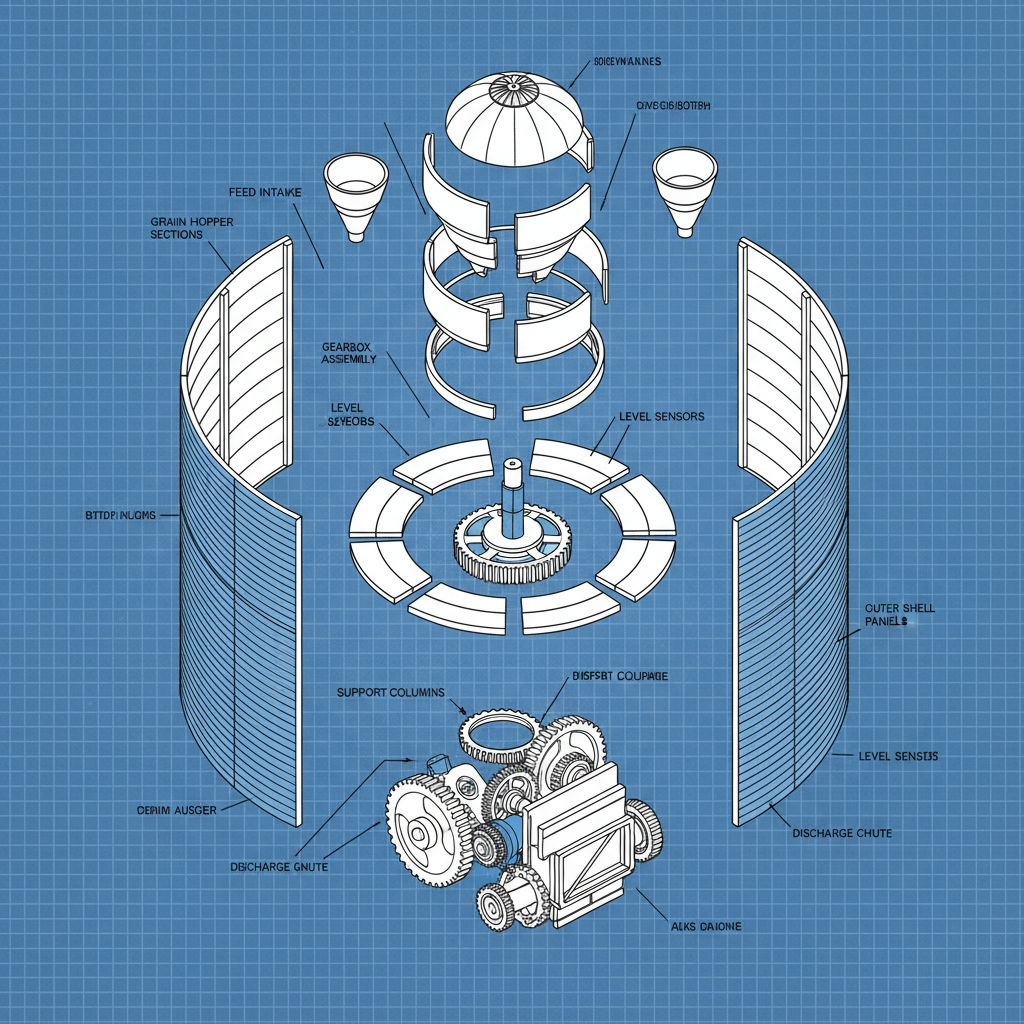
A silo structure is a method of organizing a website's content around core topics or categories. Imagine physical silos – each one contains a specific grain. Similarly, in digital marketing, each "silo" focuses on a specific niche within your business. This involves creating distinct sections of your website dedicated to these topics, with interconnected pages that reinforce the central theme. The goal is to create clear topical authority, making it easier for search engines to understand what each section of your website is about. A strong silo helps Google determine the relevance of your pages to specific search queries, crucial for achieving higher rankings, especially in competitive international markets.
Key Highlights: Silo structures aren’t just about organizing content; they're about signaling relevance to search engines, creating topical authority, and improving user experience.
Why is a Silo Structure Essential for Cross-Border SEO?
Cross-border SEO presents unique challenges. You're not just competing with businesses in your local market; you're competing globally. Google uses regional signals (like language and location) to serve relevant results. A silo structure helps clarify your target markets. For example, if Yizemachine.com sells machinery to various countries, a silo for "Machinery for the German Market" (with content in German and optimized for German keywords) clearly signals to Google that those pages are relevant to users in Germany. This targeted approach is far more effective than simply translating existing content and hoping for the best. Without a clear silo structure, Google may struggle to understand the regional relevance of your pages, resulting in lower rankings.
Benefits of Silo Structure for Cross-Border SEO:
• Improved keyword rankings in target regions.
• Enhanced user experience by providing clear navigation.
• Increased organic traffic from relevant international markets.
• Stronger topical authority in each target language and region.
Building a Silo Structure: A Practical Approach
Creating a silo structure involves careful planning and execution. Start by identifying your core topics or product categories. Then, for each topic, create a “pillar page” - a comprehensive, authoritative resource covering the broad subject. Next, develop supporting content – blog posts, articles, product pages – that delve into specific aspects of that topic, linking back to the pillar page. Internal linking is paramount. Each page within a silo should link to other relevant pages within the same silo. Avoid cross-linking between silos unnecessarily. For Yizemachine.com, this might mean a silo for "Plastic Injection Molding Machines," with pillar pages on “Types of Injection Molding Machines” and supporting content on “Troubleshooting Common Injection Molding Issues”.
Silo Structure and Hreflang Tags
A silo structure complements hreflang tags perfectly. Hreflang tags tell Google which language and regional versions of a page to serve to users. By combining a clear silo structure with correctly implemented hreflang tags, you provide Google with unambiguous signals about your target markets, maximizing your visibility in international search results. For example, within the “Plastic Injection Molding Machines” silo, you would have separate sub-silos for each target language (e.g., German, Spanish, French) and use hreflang tags to specify the language and region for each page.

Monitoring and Refining Your Silo Structure
Building a silo structure isn’t a “set it and forget it” task. Regularly monitor your website’s performance in each target region using Google Search Console and Google Analytics. Pay attention to keyword rankings, organic traffic, and bounce rates. If you see that certain silos aren’t performing as expected, analyze the content and internal linking. Perhaps the pillar page isn’t comprehensive enough, or the supporting content isn’t adequately optimized for relevant keywords. Don't be afraid to refine your silo structure based on data and insights. For Yizemachine.com, this means continuously updating and improving the content within each regional silo to ensure it remains relevant and competitive.
Conclusion: A Silo Structure – The Cornerstone of Cross-Border SEO Success
Implementing a well-defined silo structure is a critical investment for any business targeting multiple international markets. It provides a clear organizational framework for your content, signals relevance to search engines, and ultimately drives more qualified traffic to your website. By combining a strategic silo structure with effective hreflang implementation and ongoing monitoring, Yizemachine.com and similar businesses can unlock significant growth opportunities in the global marketplace.
Frequently Asked Questions (FAQs)
What’s the difference between a silo structure and category pages?
While category pages organize content, a silo structure goes a step further. It's not just about grouping pages; it’s about establishing topical authority. Category pages can be part of a silo, but a silo emphasizes interconnectedness and internal linking to signal a focused topic to search engines. A silo creates a thematic cluster, whereas category pages are more about broad organization. Effective silo implementation ensures deeper relevance signals to search engines compared to a basic categorization system.
How many silos should a website have?
There's no magic number. The ideal number of silos depends on the breadth of your business and the range of products or services you offer. However, it’s better to have fewer, well-defined silos than many shallow ones. Aim for a structure that’s logically organized and reflects your core business areas. For a company like Yizemachine.com, silos might be based on machine type (e.g., CNC machines, injection molding machines, etc.).
Can a page belong to multiple silos?
Generally, no. A page should primarily reside within one silo to maintain clear topical focus. While you can link to that page from other silos (if it's relevant), it shouldn't be considered a core part of multiple silos. Overlapping silos dilute the thematic signals you’re trying to send to search engines and can negatively impact your rankings. Maintaining silo purity is crucial for effectiveness.
How long does it take to see results from implementing a silo structure?
The time to see results varies depending on factors like website authority, competition, and the quality of your content. Generally, it takes several weeks to months for Google to crawl, index, and recognize the new structure. Consistent content creation within each silo and ongoing internal linking will accelerate the process. It's important to be patient and monitor your rankings over time to assess the effectiveness of your silo structure.
-
Professional Mini Poultry Cage for Efficient Small Scale Farming
NewsApr.16,2026
-
Optimizing Poultry Production with Advanced Cage System Poultry
NewsApr.09,2026
-
Optimizing Layer Poultry Cages for Efficient and Profitable Egg Production
NewsApr.07,2026
-
Comprehensive Guide to Poultry Cages for Layers and Modern Farming Solutions
NewsApr.04,2026
-
Comprehensive Guide to Optimizing Poultry Laying Cages for Egg Production
NewsMar.31,2026
-
Maximize Egg Production with Efficient Poultry Layer Cage Systems
NewsMar.28,2026





 Afrikaans
 Albanian
 Amharic
 Arabic
 Armenian
 Azerbaijani
 Basque
 Belarusian
 Bengali
 Bosnian
 Bulgarian
 Catalan
 Cebuano
 Corsican
 Croatian
 Czech
Czech
 Danish
 Dutch
Dutch
 Esperanto
 Estonian
 Finnish
 French
 Frisian
 Galician
 Georgian
 German
 Greek
Greek
 Gujarati
 Haitian Creole
 Hausa
Hausa
 Hawaiian
 Hebrew
 Hindi
Hindi
 Miao
Miao
 Hungarian
 Icelandic
 Igbo
Igbo
 Indonesian
 Irish
Irish
 Italian
 Japanese
 Javanese
 Kannada
 Kazakh
 Khmer
Khmer
 Rwandese
 Korean
 Kurdish
 Kyrgyz
 Lao
Lao
 Latin
Latin
 Latvian
 Lithuanian
 Luxembourgish
 Macedonian
 Malgashi
 Malay
Malay
 Malayalam
 Maltese
 Maori
Maori
 Marathi
 Mongolian
 Myanmar
 Nepali
 Norwegian
 Norwegian
 Occitan
 Pashto
 Persian
 Polish
 Portuguese
 Punjabi
 Romanian
 Russian
 Samoan
 Scottish Gaelic
 Serbian
 Sesotho
 Shona
Shona
 Sindhi
 Sinhala
 Slovak
 Slovenian
 Somali
 Spanish
 Sundanese
 Swahili
 Swedish
 Tagalog
 Tajik
Tajik
 Tamil
Tamil
 Tatar
Tatar
 Telugu
 Thai
Thai
 Turkish
 Turkmen
 Ukrainian
 Urdu
Urdu
 Uighur
 Uzbek
Uzbek
 Vietnamese
 Welsh
Welsh
 Bantu
Bantu
 Yiddish
 Yoruba
 English